Last Updated on October 2, 2026
Choosing the right dishwasher size can change the way you handle daily chores. Are you tired of struggling with dishes that don’t fit or wasting energy on a half-empty machine?
Finding the perfect fit for your kitchen and lifestyle can save you time, money, and frustration. You’ll discover everything you need to know about dishwasher sizes, so you can pick one that works perfectly for your home. Ready to make dishwashing easier and more efficient?
Keep reading to find out how to choose the ideal dishwasher size for you.
Common Dishwasher Sizes
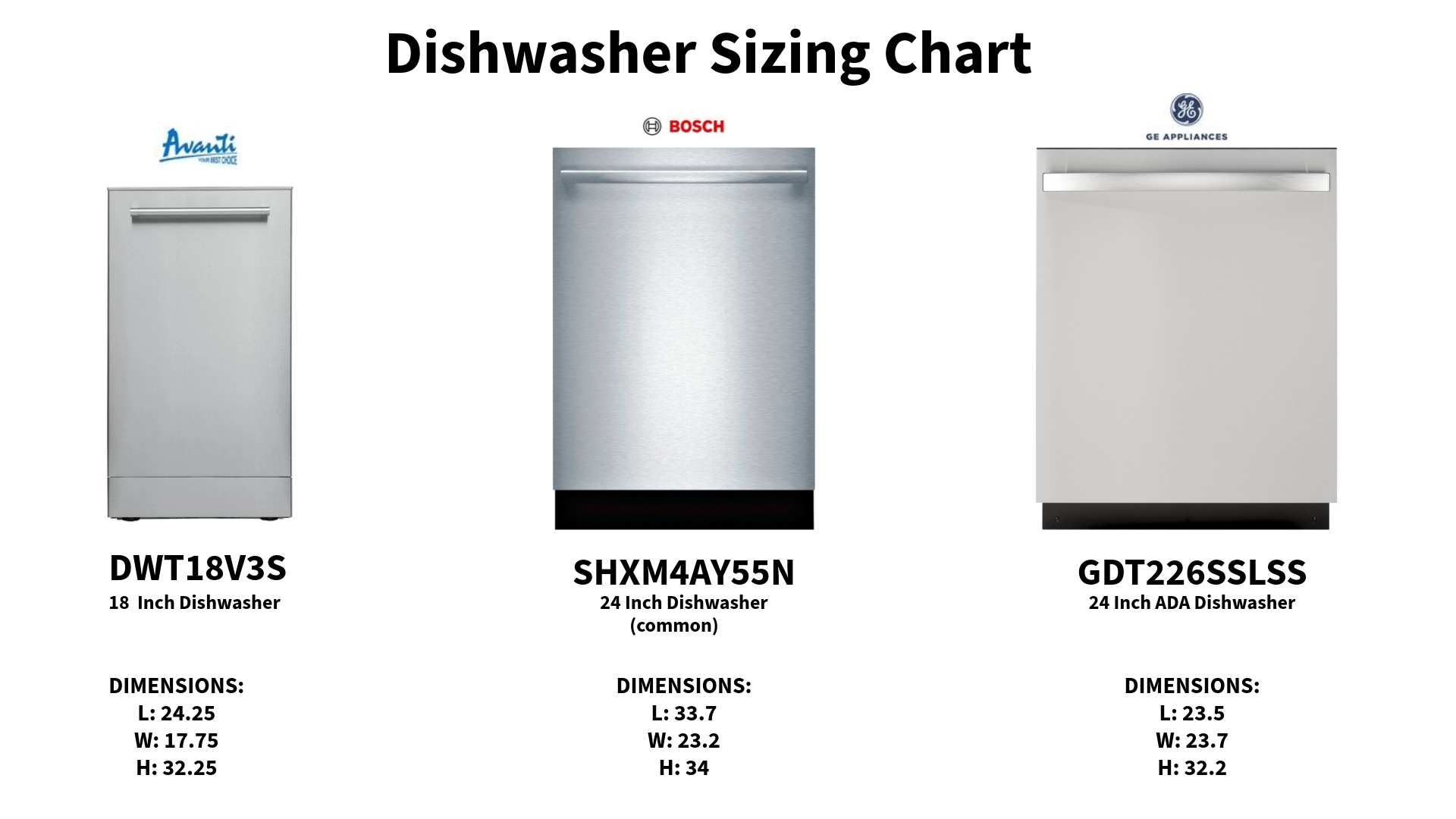
Dishwashers come in different sizes to fit various kitchens and needs. Knowing common dishwasher sizes helps you pick the right model. Size affects capacity, space, and installation options. Here are the main types of dishwasher sizes to consider.
Standard Dimensions
Standard dishwashers usually measure 24 inches wide, 24 inches deep, and 35 inches tall. This size fits most kitchen cabinets and offers a large capacity. It can hold about 12 to 16 place settings. Standard models suit families or people who cook and eat at home often.
Compact Options
Compact dishwashers are smaller, usually 18 inches wide. They fit in small kitchens or apartments with limited space. These units hold fewer dishes, around 8 to 10 place settings. Compact models save space but still clean dishes well.
Tall Tub Models
Tall tub dishwashers have the same width and depth as standard ones but offer more height inside. This design adds extra space for larger pots and pans. The taller interior helps improve drying and cleaning performance. Tall tubs suit households with big cooking tools.
Credit: blog.varouj.com
Measuring Your Space
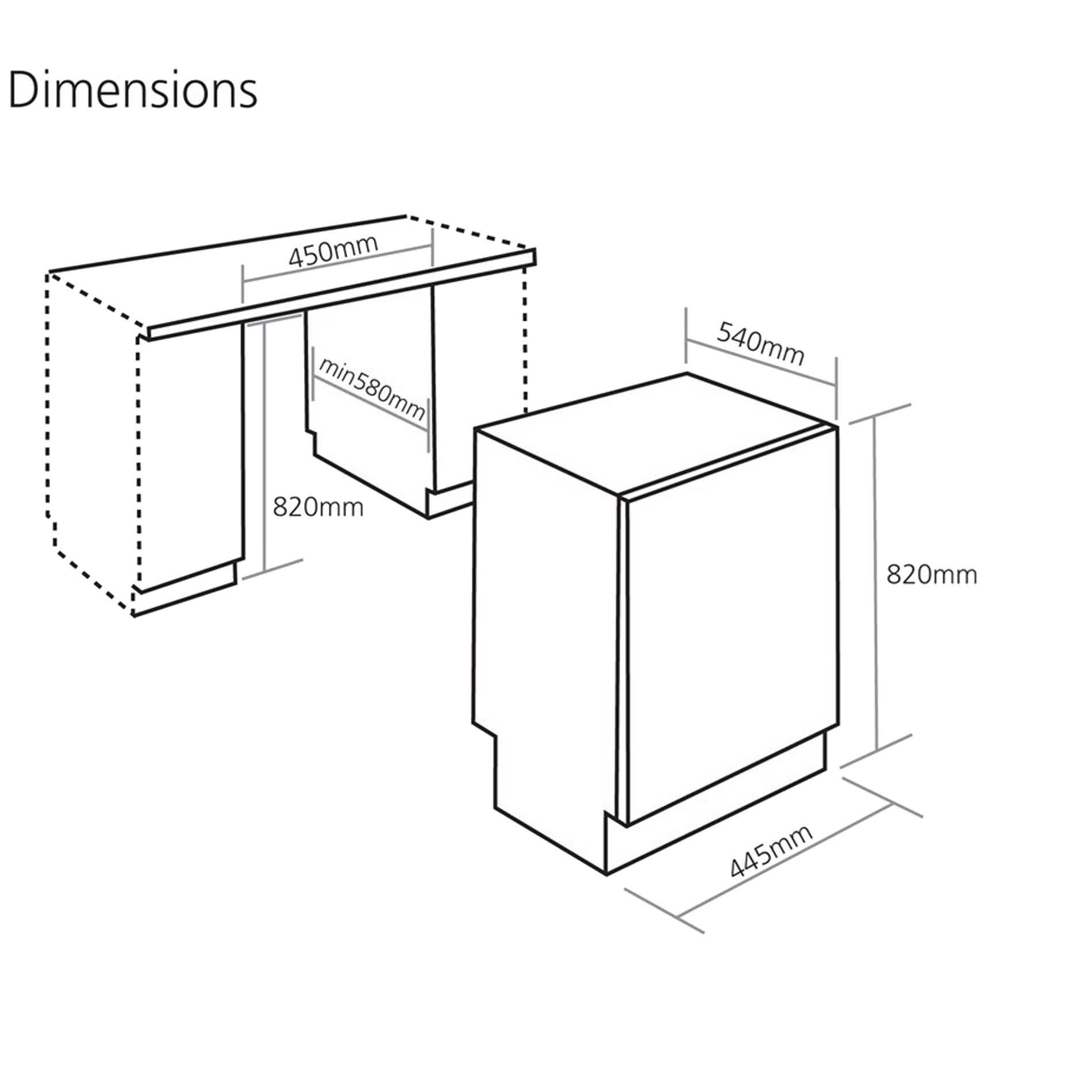
Measuring your space is the first step before buying a dishwasher. A good fit ensures the dishwasher works well and looks neat. Take careful measurements of the area where you want to place the dishwasher. This helps avoid problems during installation.
Width And Height Considerations
Measure the width of the space from wall to wall. Most dishwashers are 24 inches wide, but some models are narrower. Check the height from the floor to the bottom of the countertop. Standard heights are usually around 34 inches. Make sure to note any variations in these dimensions.
Depth And Clearance
Measure the depth of the space from front to back. Dishwashers generally need about 24 inches of depth. Allow extra space for the door to open fully without hitting walls or cabinets. Also, check if there is enough room for water and electrical connections behind the dishwasher.
Cabinet And Countertop Fit
Look at the cabinets and countertop around the dishwasher space. The dishwasher should fit flush with the cabinets. Check if the countertop hangs over the dishwasher space. This can affect the installation and how the door opens. Adjust your measurements to ensure a smooth fit.
Choosing The Right Capacity
Choosing the right dishwasher capacity is key for daily kitchen tasks. It affects how much you can wash at once and saves you time and energy.
Finding the right size depends on your household and how you use your dishwasher. You want a model that fits your needs without wasting space.
Load Size And Household Needs
Think about how many people live in your home. A small family may need a compact dishwasher. Large families require bigger models.
Consider how often you cook and eat at home. More meals mean more dishes to clean. Match capacity to your dish load.
Rack Configurations
Dishwasher racks vary in design and space. Look for racks that fit plates, pots, and utensils well.
Some models have extra racks or special holders. These help organize items better and fit more dishes per load.
Adjustable Features
Adjustable racks add flexibility. You can change their height or remove parts to fit large pots or pans.
Flexible features let you customize space. This helps when washing different dish sizes and shapes.

Credit: kdfoundation.org
Efficiency And Energy Use
Choosing the right dishwasher size affects how much energy and water you use. Smaller or compact dishwashers often use less electricity and water. Larger models might consume more but can wash more dishes at once. Understanding efficiency helps save money and protect the environment.
Energy use depends on the dishwasher’s design and features. Efficient dishwashers use less power and water while cleaning dishes well. Checking energy labels and cycle options guides you to the best choice for your home.
Energy Star Ratings
Energy Star ratings show how efficient a dishwasher is. Appliances with this label use less electricity than standard models. These dishwashers reduce energy bills and lower carbon footprints. Choosing an Energy Star model ensures better energy performance.
Water Consumption
Water use varies by dishwasher size and model. Smaller dishwashers typically use less water per cycle. Newer models often include water-saving technology. Using less water helps reduce utility bills and conserve resources.
Cycle Options Impact
Different wash cycles affect energy and water use. Eco or energy-saving cycles use less power and water. Quick wash cycles consume more energy but save time. Selecting the right cycle balances cleaning needs and efficiency.
Installation Types
Dishwashers come in different installation types to fit various kitchen layouts and needs. Understanding these types helps you pick the best dishwasher for your home. Each installation style offers unique benefits and space requirements.
Built-in Models
Built-in dishwashers install under the kitchen counter. They blend smoothly with cabinets for a clean look. These models need permanent plumbing and electrical connections. They save space and offer quiet operation. Ideal for most kitchens with enough room.
Portable And Drawer Dishwashers
Portable dishwashers roll on wheels and connect to the sink when used. They suit small kitchens or renters who move often. Drawer dishwashers slide out like a kitchen drawer. They fit in tight spaces and allow easy loading. Both types offer flexibility without permanent installation.
Freestanding Units
Freestanding dishwashers stand alone and do not need built-in space. They connect to water and power like portable models but stay in one spot. Easy to place anywhere with proper hookups. Great for kitchens without built-in dishwasher space or extra counter areas.
Credit: kdfoundation.org
Special Features By Size
Dishwashers come in different sizes, each with unique features. These special features often vary by size and add value to your kitchen. Understanding these differences helps choose the right dishwasher for your needs.
Noise Levels
Small dishwashers tend to be quieter due to less powerful motors. Compact models use noise-reducing materials to keep sound low. Larger dishwashers may produce more noise but often include sound insulation. Medium-sized machines balance noise and power for everyday use.
Smart Technology
Full-size dishwashers often have advanced smart features. These include Wi-Fi control and app notifications. Smaller models may have basic smart options like delay start timers. Mid-sized units sometimes offer simple touch controls and sensors. Smart tech adds convenience and energy efficiency.
Customizable Interiors
Large dishwashers usually offer adjustable racks and fold-down tines. This helps fit large pots or many plates. Compact dishwashers have simpler interiors with fewer adjustments. Medium units may feature flexible baskets and sliding shelves. Custom interiors improve loading and cleaning efficiency.
Tips For Measuring And Buying
Choosing the right dishwasher size is important for your kitchen’s space and needs. Measuring correctly saves time and avoids costly mistakes. This guide helps you measure and buy the perfect dishwasher easily.
Tools You Need
Gather a tape measure and a notepad to record dimensions. Use a level to check floor and counter evenness. A flashlight helps see under cabinets and in tight spaces. Prepare a calculator for quick math on measurements.
Common Mistakes To Avoid
Don’t guess the space without measuring carefully. Avoid ignoring door clearance and cabinet handles. Skip buying the biggest dishwasher without checking kitchen size. Never forget to measure depth, width, and height.
Matching Style And Function
Pick a dishwasher style that fits your kitchen design. Consider built-in, portable, or drawer models. Think about how many people use it daily. Match features with your washing habits, like quick wash or energy saving.
Frequently Asked Questions
What Are Standard Dishwasher Sizes?
Standard dishwashers typically measure 24 inches wide, 24 inches deep, and 35 inches high. These fit most kitchen cabinets.
How Do Compact Dishwasher Sizes Differ?
Compact dishwashers are usually 18 inches wide, ideal for small kitchens or apartments. They save space yet clean effectively.
Can Dishwasher Sizes Affect Installation Options?
Yes, dishwasher size impacts installation type. Built-in models need standard sizes, while portable or countertop ones offer flexible placement.
What Size Dishwasher Fits A Small Family?
An 18 to 24-inch dishwasher suits small families. It balances capacity and space efficiently for everyday use.
Conclusion
Choosing the right dishwasher size matters for every kitchen. Small spaces need compact models to fit well. Larger families benefit from full-size dishwashers for more capacity. Consider how often you use it and your dish load. Proper size saves water, energy, and time daily.
Measure your space carefully before buying. This helps avoid fitting problems later. Knowing dishwasher sizes makes cleaning easier and your kitchen neater. Simple steps lead to better kitchen comfort and convenience.