Last Updated on October 1, 2026
Are you planning to install a new dishwasher but unsure about the space it needs? Knowing the right dishwasher rough opening size is crucial to make sure your appliance fits perfectly without any hassle.
If your opening is too small or too large, you could face costly adjustments or a poor fit that affects your kitchen’s look and function. You’ll discover exactly what a dishwasher rough opening is, why it matters, and how to measure it correctly.
Keep reading to avoid common mistakes and get your dishwasher installation done right the first time.

Credit: arloren.com
Measuring The Space
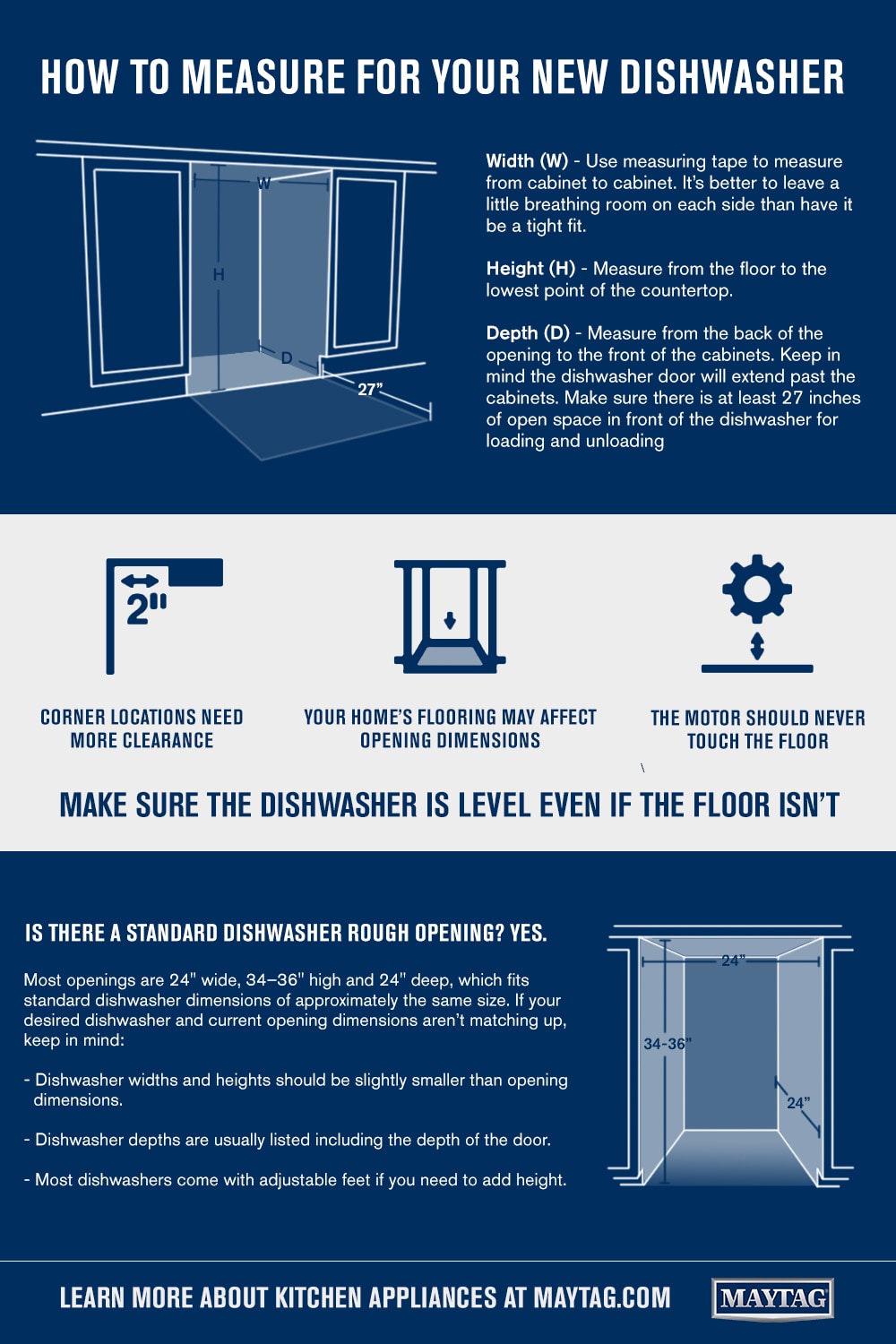
Measuring the space for your dishwasher is the first step to a smooth installation. Accurate measurements help avoid problems later. Take your time and measure carefully. Use a tape measure for precise results.
Width
Measure the width of the rough opening where the dishwasher will go. Most dishwashers need about 24 inches wide. Check if the space matches or is slightly larger. Leave a little room for easy fitting and adjustments.
Height
Measure from the floor to the bottom of the countertop. Standard height is around 34 inches. Make sure the space is tall enough for your dishwasher to fit. If the space is too short, the dishwasher may not slide in properly.
Depth Dimensions
Measure from the front edge of the cabinet to the back wall. Dishwashers usually need about 24 inches deep. Check if the depth is enough for the dishwasher and its connections. A shallow space can block the door or hoses.
Accounting For Clearance
Leave extra space around the dishwasher for ventilation and movement. Usually, 1/2 inch clearance on the sides and back works well. This prevents damage and helps the dishwasher run quietly. Do not squeeze the appliance tightly into the space.
Checking Cabinet Alignment
Ensure the cabinets around the dishwasher are level and aligned. Uneven cabinets can cause installation issues. Use a level tool to check. Proper alignment helps the dishwasher fit snugly and operate smoothly.

Credit: www.maytag.ca
Standard Dishwasher Sizes
Knowing the standard dishwasher sizes helps plan your kitchen space well. Dishwashers come in different sizes to fit various kitchen layouts. Understanding these sizes makes installation easier and ensures a perfect fit.
Common Widths
The most common dishwasher width is 24 inches. This size fits standard kitchen cabinets easily. Some compact models are 18 inches wide. These smaller dishwashers suit tight spaces or small kitchens. Choosing the right width avoids costly remodeling later.
Variations In Depth And Height
Dishwasher depth usually ranges between 22 and 24 inches. Depth depends on the model and door design. Height also varies, mostly between 33 and 35 inches. Adjustable legs help fit uneven floors. Knowing depth and height prevents installation issues and improves kitchen flow.
Preparing The Rough Opening
Preparing the rough opening is a key step before installing a dishwasher. This space must be the right size and shape to fit the appliance perfectly. Proper preparation avoids future problems like poor fit or leaks.
Start by clearing the area and making sure the floor is ready. Then check the frame and make any needed changes. These tasks ensure a smooth installation process.
Removing Old Cabinets Or Appliances
Remove any cabinets or appliances in the space first. Use proper tools to avoid damage. Clear the area completely to see the full rough opening. This step creates room for the new dishwasher.
Ensuring Level Flooring
Check the floor under the rough opening. Use a level tool to find uneven spots. Fix any bumps or dips by sanding or adding shims. A level floor supports the dishwasher well and stops shaking.
Framing Adjustments
Measure the rough opening carefully. Adjust the framing to match dishwasher size exactly. Add wood supports if needed for strength. Proper framing keeps the dishwasher stable and secure.
Credit: kdfoundation.org
Electrical And Plumbing Considerations
Installing a dishwasher requires careful attention to electrical and plumbing needs. These details affect how well the appliance works and fits in the space. Proper setup prevents leaks, shorts, and other issues that could cause damage or inconvenience.
Knowing the exact location of water, drain, and power connections saves time and hassle. It also ensures your dishwasher runs smoothly and lasts longer. Let’s explore the key points to check before installation.
Water Supply Line Placement
The water supply line must be close to the dishwasher’s rough opening. It usually connects to a valve under the sink. Use flexible tubing to make the connection easier and reduce stress on pipes. Avoid sharp bends or kinks in the line to maintain good water flow.
Drain Hose Connection
The drain hose removes dirty water from the dishwasher. It should connect to the sink drain or garbage disposal. Make sure the hose has a high loop or air gap to stop backflow. Secure the hose tightly to prevent leaks and water damage.
Power Outlet Location
The dishwasher needs a dedicated power outlet nearby. It is best placed inside the cabinet, away from water sources. The outlet should match the dishwasher’s plug type and voltage. Use a grounded outlet for safety and avoid extension cords.
Choosing The Right Dishwasher
Choosing the right dishwasher matters for your kitchen space and daily chores. It ensures your dishes get clean without wasting water or energy. Picking the perfect model depends on your kitchen size, lifestyle, and budget. Consider space, installation, and how often you use it.
Built-in Vs Portable Models
Built-in dishwashers fit under the kitchen counter. They save space and look neat. They connect directly to plumbing and need a fixed spot.
Portable dishwashers stand alone on wheels. You can move them and store them away. They connect to the faucet when you use them. Good for small kitchens or renters.
Energy Efficiency Ratings
Energy ratings show how much power a dishwasher uses. High ratings mean less electricity and lower bills. Look for models with ENERGY STAR labels. They save energy and water without losing cleaning power.
Efficient dishwashers help protect the environment. They also reduce your monthly utility costs. Check the energy guide before buying to compare models.
Installing The Dishwasher
Installing a dishwasher is a key step after preparing the rough opening. This process ensures the unit fits well and works efficiently. Proper installation prevents leaks and damage. Follow clear steps to secure and seal the dishwasher.
Securing The Unit
Start by sliding the dishwasher into the opening carefully. Align it with the surrounding cabinets. Use screws to attach the dishwasher to the countertop or side cabinets. Tighten the screws but avoid over-tightening. This keeps the unit stable during use. Check that the dishwasher does not move or wiggle.
Sealing And Insulation
Seal gaps around the dishwasher with foam insulation or weatherstripping. This stops drafts and reduces noise. Use a waterproof sealant around the edges to prevent water leaks. Proper sealing keeps your kitchen dry and quiet. Insulation also improves energy efficiency.
Testing For Proper Fit
Open and close the dishwasher door several times. Ensure it opens smoothly without hitting cabinets or floors. Check that the dishwasher sits level in the opening. Adjust the legs if needed to balance the unit. Run a short wash cycle to test for leaks and noise. Confirm all connections are secure and working.
Common Mistakes To Avoid
Installing a dishwasher needs careful attention to the rough opening space. Many make simple mistakes that cause problems later. Avoiding these errors saves time and money. Learn the common pitfalls to keep your installation smooth and efficient.
Ignoring Manufacturer Specs
Each dishwasher model has specific size requirements. Ignoring these specs leads to poor fit or damage. Always check the manual for exact rough opening dimensions. Follow instructions to ensure the dishwasher fits properly.
Overlooking Clearance Needs
Clearance space allows for door movement and air flow. Skipping this step causes the door to hit cabinets or walls. Leave enough room around the dishwasher for easy opening and closing. This prevents damage and keeps the appliance working well.
Improper Leveling
Leveling the dishwasher is crucial for performance. An uneven dishwasher may leak or not drain correctly. Use a level tool during installation to adjust feet as needed. Proper leveling helps the dishwasher run quietly and efficiently.
Frequently Asked Questions
What Is The Standard Dishwasher Rough Opening Size?
A standard dishwasher rough opening is typically 24 inches wide, 24 inches deep, and 34 inches high. This size allows most built-in dishwashers to fit properly. Always measure your space before installation to ensure compatibility with your dishwasher model.
Why Is Dishwasher Rough Opening Important For Installation?
The rough opening ensures the dishwasher fits securely and functions well. Incorrect sizing can cause installation issues, leaks, or damage. Proper rough opening size helps with alignment, plumbing, and electrical connections, making the installation process smoother and more efficient.
How To Measure A Dishwasher Rough Opening Accurately?
Measure the width, height, and depth of the cabinet space where the dishwasher will go. Use a tape measure and record dimensions in inches. Check for any obstructions like pipes or vents that could affect the fit before purchasing a dishwasher.
Can Dishwasher Rough Opening Sizes Vary By Brand?
Yes, dishwasher rough opening sizes may vary slightly among brands and models. Most follow the standard 24-inch width, but height and depth can differ. Always check the manufacturer’s specifications to ensure your space matches the dishwasher requirements.
Conclusion
Knowing the right dishwasher rough opening size matters a lot. It helps you pick the best dishwasher that fits your space. Measure carefully before buying or installing to avoid problems. A correct fit makes installation easier and your dishwasher work well.
Take time to check your kitchen space first. This small step saves you from hassle later. Your kitchen will look neat and work smoothly with the right dishwasher size. Simple and smart planning makes a big difference.