Last Updated on October 2, 2026
Have you ever wondered how a bread machine turns simple ingredients into a warm, fresh loaf? If you love the idea of homemade bread but think it’s too complicated or time-consuming, understanding how a bread machine works can change everything.
This little kitchen gadget does the hard work for you, making baking bread easy and fun. Keep reading, and you’ll discover the magic behind the process—and why your next loaf could be better than store-bought.

Credit: www.explainthatstuff.com
Bread Machine Basics
Bread machines make baking bread simple and fun. They mix, knead, rise, and bake all by themselves. Understanding how these machines work helps you choose the right one. It also lets you use it better. Let’s explore the basics of bread machines and what makes them special.
Key Components
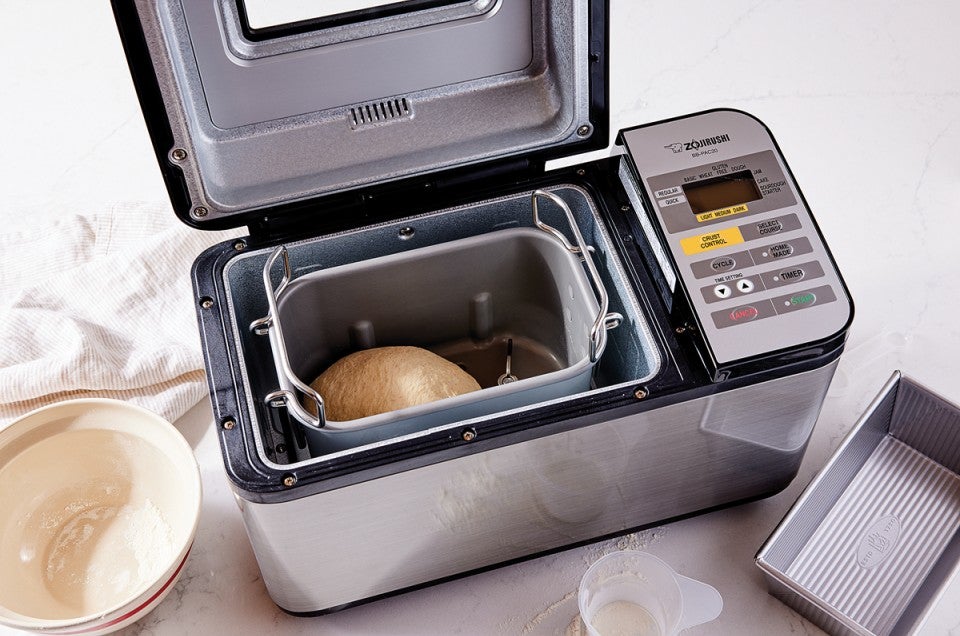
Every bread machine has a few important parts. The bread pan holds the ingredients. It usually has a non-stick coating to remove bread easily. Inside the pan, a paddle kneads the dough. This paddle turns on and off to mix everything well. A heating element surrounds the pan. It bakes the bread by warming the dough. The machine also has a control panel. You use it to pick settings like loaf size and crust color. A timer lets you delay baking. This means fresh bread can be ready at any time you want.
Types Of Bread Machines
Bread machines come in different styles. Basic models have simple controls and fewer options. They usually make one or two loaf sizes. Mid-range machines offer more settings. You can select types of bread like whole wheat or gluten-free. Some have extra features like baking cakes or making jam. High-end machines have digital screens and many presets. They often include automatic ingredient dispensers. Some can even connect to apps for remote control. Choose a machine based on your baking needs and budget.
Credit: www.kingarthurbaking.com
Step-by-step Baking Process
Baking bread in a machine is simple and hands-free. The bread machine does all the work by following a clear, step-by-step process. Understanding this process helps you bake better bread at home. Each step is designed to create soft, fluffy bread with a nice crust.
Measuring Ingredients
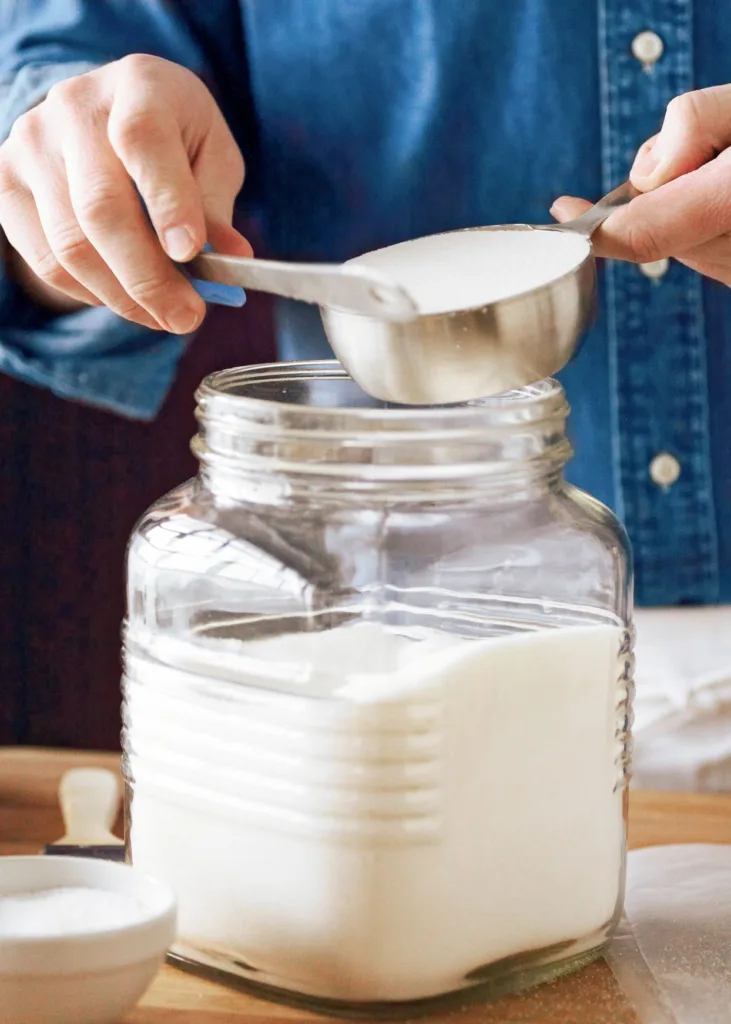
Start by measuring all ingredients carefully. Use cups or a kitchen scale for accuracy. Ingredients include flour, water, yeast, salt, and sometimes sugar or oil. The order matters. Liquids go in first, then dry ingredients. Yeast must stay separate from salt and water at first.
Mixing And Kneading
The bread machine mixes ingredients into a dough. Its paddle stirs and kneads the dough thoroughly. Kneading develops gluten, which gives bread structure. This step usually takes 15 to 30 minutes. The machine pauses if needed, depending on the recipe.
First Rise
After kneading, the dough rests to rise. The machine keeps it warm for the yeast to work. Yeast creates gas, making the dough expand. This process can take one to two hours. The dough should double in size during this time.
Punching Down Dough
The machine gently punches down the dough. This removes extra gas and evens out bubbles. Punching makes the bread texture soft and uniform. Some machines do this automatically. This step prepares the dough for the second rise.
Second Rise
The dough rises again, but for a shorter time. This rise improves the bread’s texture and flavor. It usually takes 30 to 60 minutes. The dough grows but not as much as the first rise. This step ensures a light, airy bread.
Baking Cycle
The machine heats the dough to bake it. It controls temperature and time carefully. Baking usually lasts 30 to 60 minutes. The machine may beep when the bread is done. After baking, let the bread cool before slicing.
How Settings Affect Bread
Settings on a bread machine play a big role in the final bread quality. They change the texture, color, and size of the loaf. Knowing these settings helps you bake bread that fits your taste and needs.
Crust Control Options
Bread machines often let you choose crust darkness. You can pick light, medium, or dark crust. Light crust is soft and pale. Dark crust is crispy and rich in flavor. This option changes baking time and temperature.
Loaf Size Variations
Many bread machines allow different loaf sizes. Common sizes are 1 lb, 1.5 lbs, and 2 lbs. Choosing the right size affects baking time and dough amount. Smaller loaves bake faster. Larger loaves take more time but make more bread.
Specialty Bread Programs
Specialty programs make unique bread types easier. You can find settings for whole wheat, gluten-free, or French bread. These programs adjust kneading, rising, and baking steps. They help create bread that needs special care for good results.

Credit: www.youtube.com
Common Features And Functions
Bread machines have many features that make baking simple and neat. These functions help control the process and improve the bread’s taste and texture. Knowing these features helps you choose the right machine and use it well.
Timers And Delays
Timers let you set when the bread machine starts baking. You can add ingredients and delay the process. The machine begins baking hours later. This feature is good for fresh bread anytime, like morning or dinner.
The delay timer controls the mixing, rising, and baking times. It keeps the dough fresh without overproofing. This way, you get warm bread without watching the clock.
Keep Warm Mode
Keep Warm mode keeps bread warm after baking. It holds the bread at a safe temperature. This stops the bread from cooling too fast or drying out. You can enjoy warm bread even if you don’t eat it right away.
This mode works for up to an hour or more. It helps keep bread soft and ready to eat. No need to reheat in the oven or microwave.
Add-in Dispenser
The add-in dispenser releases nuts, fruits, or seeds at the right time. You add these ingredients early. The machine drops them in after the dough forms. This prevents crushing or uneven mixing.
This feature improves bread texture and taste. It saves you from opening the machine during baking. The result is perfect bread with well-mixed extras.
Troubleshooting Tips
Troubleshooting a bread machine can improve your baking results. Small issues can affect bread quality and machine function. Here are some common problems and simple fixes to try.
Dense Or Heavy Bread
Dense bread often means the dough did not rise well. Check the yeast freshness. Old yeast loses its power. Use the right amount of yeast. Too much or too little affects texture. Make sure the water is warm, not hot. Hot water can kill yeast. Use bread flour for better gluten development. Avoid opening the lid during baking. This can cause the bread to collapse.
Uneven Baking
Uneven bread means the heat is not spread equally. Position the pan correctly in the machine. Make sure the kneading paddle is attached. Remove any stuck dough from the paddle. Use the proper program setting for your bread type. Avoid overfilling the pan. Too much dough can cause uneven cooking. Clean the heating element if it looks dirty. Dirt can block heat flow and cause hot spots.
Machine Not Starting
Check if the machine is plugged in properly. Make sure the power outlet works. Press the start button firmly. Some machines need you to close the lid fully. Look for error codes on the display. Refer to the manual for specific codes. Reset the machine by unplugging it for a few minutes. Contact customer support if the problem continues.
Benefits Of Using A Bread Machine
Using a bread machine brings many benefits. It makes bread baking easy for everyone. The machine handles most tasks. You just add ingredients and press a button. This saves effort and stress in the kitchen.
Convenience And Time Saving
A bread machine does the hard work for you. It mixes, kneads, and bakes the dough. No need to watch or stir. You can set it and forget it. Fresh bread is ready without constant attention. It saves hours compared to manual baking.
Consistent Results
The bread machine follows exact steps every time. This means the bread turns out well each time. No worries about over-kneading or under-baking. The machine controls temperature and timing perfectly. You get reliable, tasty bread with little effort.
Customization Options
Bread machines let you choose types of bread. You can select crust color, loaf size, and baking cycles. Add nuts, seeds, or dried fruits easily. This lets you make bread that suits your taste. Experimenting is simple and fun with a bread machine.
Frequently Asked Questions
How Does A Bread Machine Mix Ingredients?
A bread machine mixes ingredients using a built-in paddle. It kneads the dough evenly to develop gluten for good texture.
What Is The Baking Process Inside A Bread Machine?
The bread machine heats the dough gradually. It rises, bakes, and cools, all within the same container for convenience.
Can I Customize Recipes In A Bread Machine?
Yes, most bread machines allow recipe customization. You can adjust ingredient quantities, crust settings, and baking time to suit preferences.
How Long Does A Typical Bread Machine Cycle Take?
A bread machine cycle usually takes 3 to 4 hours. Timing varies by recipe and loaf size selected.
Conclusion
A bread machine mixes, kneads, and bakes bread all in one. It saves time and effort in the kitchen. Just add ingredients, choose a setting, and start. The machine does the hard work for you. Fresh bread comes out warm and ready to eat.
This simple tool makes baking bread easy and fun. Anyone can enjoy homemade bread with little skill. Understanding how it works helps you get better results. Try one and enjoy the smell of fresh bread daily.