Last Updated on October 2, 2026
Are you frustrated because your bread machine isn’t rising like it should? You’re not alone.
When your dough stays flat, it ruins the whole baking experience and leaves you wondering what went wrong. But don’t give up just yet. Understanding why your bread machine isn’t rising can save you time, money, and disappointment. You’ll discover simple, effective tips to fix this common problem and get perfectly fluffy bread every time.
Keep reading—you’re just a few steps away from baking success.
Credit: www.breadmachinediva.com
Common Causes Of Dough Not Rising
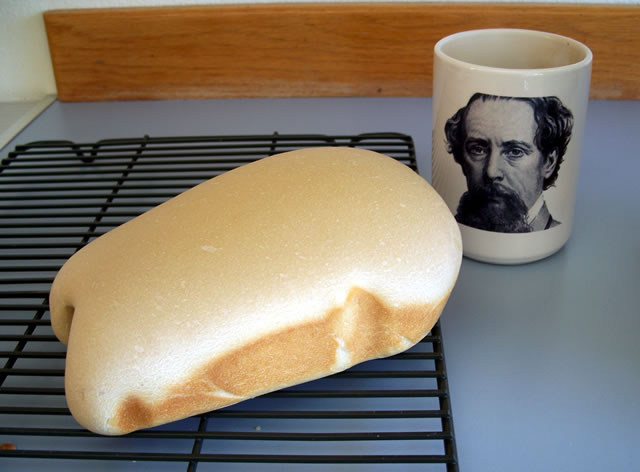
When dough does not rise in a bread machine, it can be frustrating. Many factors cause this problem. Knowing the common causes helps fix the issue fast. Dough rising depends on yeast activity, temperature, ingredients, and machine function. Problems in any of these areas stop the dough from expanding. Here are the most frequent reasons for dough not rising properly.
Inactive Yeast
Yeast is a living organism that makes dough rise. If yeast is dead or inactive, dough stays flat. Yeast dies if stored in heat or moisture. Using fresh yeast is important. Test yeast by mixing it with warm water and sugar. If it bubbles in 10 minutes, it is active.
Incorrect Water Temperature
Water temperature affects yeast growth. Water too hot kills yeast. Water too cold slows yeast action. Ideal water temperature is 105°F to 115°F (40°C to 46°C). Use a thermometer to check water before adding it to flour.
Old Or Expired Ingredients
Old flour, salt, or sugar can affect dough rising. Expired flour loses gluten strength. Salt in high amounts or direct contact with yeast kills it. Always check expiration dates. Use fresh ingredients for best results.
Improper Dough Consistency
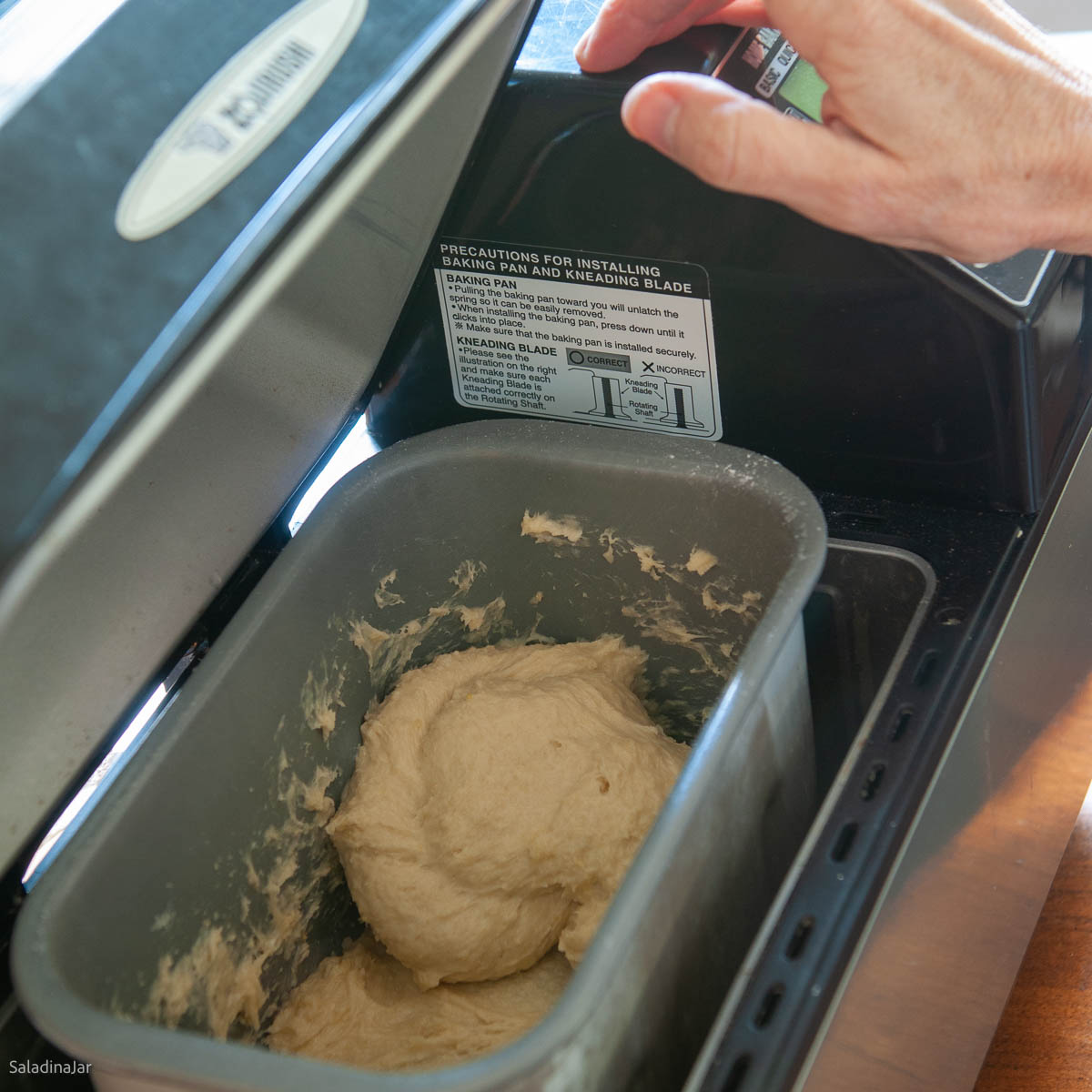
Dough must have the right texture. Too dry or too wet dough will not rise well. Dough should be soft and slightly sticky. Add water or flour slowly to get the perfect consistency. Proper kneading also helps develop gluten.
Machine Malfunctions
Bread machines can have technical problems. Faulty heating elements or timers affect rising time. Sensors may not work properly. Clean the machine and check for errors. Use the correct settings for the type of bread you make.
Checking Yeast Quality
Yeast plays a key role in bread making. It causes dough to rise by producing gas. Poor yeast quality can stop bread from rising properly. Testing yeast and picking the right type helps avoid this problem. This section explains how to check yeast quality for better bread results.
How To Test Yeast Activity
Start with warm water, about 100°F (38°C). Too hot or cold water kills yeast.
Add a teaspoon of sugar to the water. Yeast feeds on sugar to activate.
Sprinkle one packet or one tablespoon of yeast into the mixture. Stir gently.
Wait for 10 minutes. Look for bubbles or foam on the surface.
Bubbles mean yeast is alive and active. No bubbles mean yeast is dead.
Choosing The Right Yeast Type
There are three main yeast types: active dry, instant, and fresh yeast.
Active dry yeast needs to be dissolved in water before use.
Instant yeast can be added directly to dry ingredients. It acts faster.
Fresh yeast is moist and perishable. It requires refrigeration and quick use.
Pick yeast that suits your recipe and baking style.
Adjusting Water Temperature
Water temperature plays a big role in how your bread machine dough rises. Too hot or too cold water can stop the yeast from working right. Adjusting the water temperature helps the yeast grow and the dough to rise well. This simple step can fix many problems with bread not rising.
Ideal Temperature Range
The best water temperature for bread dough is between 105°F and 115°F (40°C to 46°C). This range wakes up the yeast gently and starts fermentation. Water in this range helps the yeast feed on sugar and release carbon dioxide. This gas makes the dough rise and become soft.
Using water in the right temperature range keeps the yeast alive and active. It speeds up the rising process without killing the yeast.
Effects Of Too Hot Or Too Cold Water
Water hotter than 120°F (49°C) can kill the yeast. Dead yeast means no rising. The dough stays dense and heavy. On the other hand, cold water below 80°F (27°C) slows yeast activity. The dough takes much longer to rise or might not rise at all.
Water temperature affects yeast health directly. Too hot or too cold water stops the dough from rising properly. Using the right temperature helps your bread turn out soft and fluffy every time.

Credit: www.reddit.com
Measuring Ingredients Accurately
Measuring ingredients accurately plays a big role in the bread machine’s success. The right amount of each ingredient helps the dough rise properly. Small mistakes in measurements can stop the dough from rising or make the bread dense and heavy. Paying close attention to measurements can improve bread texture and taste.
Precision is important because bread making is a science. The balance between flour, water, yeast, and other ingredients affects the dough’s ability to rise. Too much flour makes the dough dry and stiff. Too little flour results in a runny dough. Even yeast needs the right amount to activate and work well.
Using The Correct Flour Type
Different flours have different protein levels. Bread flour has more protein than all-purpose flour. More protein means more gluten, which helps the dough rise and gives bread a good texture. Using the wrong flour can cause poor rising. Follow your recipe and use the recommended flour type for best results.
Importance Of Precise Measurements
Measuring ingredients with a kitchen scale is the best way. Cups and spoons can vary in size and cause errors. Scales give exact amounts, helping keep the recipe balanced. Even small changes in yeast or salt can affect the rise. Use the right tools to measure every ingredient carefully.
Improving Dough Consistency
Improving dough consistency is key to making your bread rise well in a bread machine. The right dough texture helps yeast work better. This leads to a light, fluffy loaf. Checking the dough early can stop problems before baking begins.
Adjusting flour or water at the right time can fix dough issues. Small changes make a big difference in dough feel and rise. Understanding when and how to adjust ingredients helps you get perfect bread every time.
When To Add More Flour Or Water
Add more flour if the dough sticks too much to your hands or the machine sides. The dough should be soft but not sticky. If the dough is too dry and crumbly, add small amounts of water. Mix well after each addition. Avoid adding too much at once to keep dough balanced.
Check dough consistency during the kneading cycle. This is the best time to make changes. Adjust slowly and watch how the dough feels. This helps maintain the right moisture and texture.
Signs Of Overly Dry Or Wet Dough
Dry dough looks cracked and feels rough. It does not hold together well. This type of dough will not rise properly. Bread may turn out dense and hard.
Wet dough is sticky and very soft. It may spread out too much in the bread pan. This can cause poor shape and uneven baking. Wet dough can also collapse during rising.
Recognizing these signs early helps you correct the dough quickly. Proper dough consistency gives your bread a better rise and texture.
Maintaining Your Bread Machine
Maintaining your bread machine is key to baking perfect bread every time. Regular care helps the machine work well and stops problems like bread not rising. Simple steps keep the machine in good shape. This ensures your bread turns out soft and fluffy.
Cleaning The Machine
Clean your bread machine after every use. Remove crumbs and dough bits from the pan and kneading blade. Use a soft cloth and warm water. Avoid harsh chemicals that can damage the machine. A clean machine stops old ingredients from spoiling new dough.
Checking The Heating Element
Check the heating element regularly. It helps the dough rise by keeping the right temperature. Make sure it heats evenly and does not have damage. Faulty heating can cause the bread not to rise properly. Replace or repair the element if it does not work well.
Ensuring Proper Mixing And Kneading
Proper mixing and kneading are vital for good bread. Check the kneading blade for wear or damage. Make sure it spins freely and mixes ingredients well. Poor mixing stops yeast from activating fully. This leads to flat and dense bread.
Tips For Better Bread Rise
Getting a good rise in your bread machine bread is key for soft, fluffy loaves. Small changes can improve how your bread rises. Follow these tips to get better results every time.
Using Fresh Ingredients
Fresh yeast and flour make a big difference. Old yeast loses power and won’t create enough gas for rising. Use flour that is not too old for best results. Check expiration dates before baking.
Allowing Extra Rising Time
Some breads need more time to rise well. Let your dough rest longer in the machine if it looks dense. Patience helps the yeast work better and makes the bread lighter.
Selecting The Right Bread Settings
Choose the correct program on your bread machine. Different breads need different rise times and temperatures. Use the setting that matches your recipe for best rise and texture.
Credit: saladinajar.com
Frequently Asked Questions
Why Is My Bread Machine Dough Not Rising?
Dough may not rise due to inactive yeast, incorrect water temperature, or expired ingredients. Ensure yeast is fresh and water is warm (around 110°F). Also, avoid adding too much salt, as it can inhibit yeast activity.
How To Fix Bread Machine Not Rising Problem?
Check yeast freshness and water temperature first. Use the correct flour type and measure ingredients accurately. Avoid cold environments; place the machine in a warm area to promote proper rising.
Can Bread Machine Settings Affect Dough Rising?
Yes, incorrect settings like wrong cycle or temperature can hinder rising. Use the recommended cycle for dough or bread type. Adjust settings based on your machine’s instructions for optimal results.
Does Ingredient Quality Impact Bread Machine Rising?
Absolutely. Using old flour or yeast can prevent proper rising. Fresh, high-quality ingredients ensure better yeast activation and dough rise. Always store ingredients properly to maintain their effectiveness.
Conclusion
A bread machine not rising can feel frustrating. Small mistakes often cause this problem. Check your yeast’s freshness and water temperature first. Make sure you measure ingredients carefully every time. Avoid opening the lid too soon during baking. Clean your machine regularly to keep it working well.
With patience and care, your bread will rise nicely. Keep trying and enjoy fresh homemade bread soon.