Last Updated on October 2, 2026
Are you torn between using a bread maker or your oven to bake the perfect loaf? Choosing the right tool can change the way your bread tastes, smells, and even how much effort you put in.
Imagine pulling out a warm, golden loaf that’s just the way you like it—wouldn’t you want to know which method gets you there faster and easier? You’ll discover the key differences between bread makers and ovens, helping you decide which one fits your kitchen and lifestyle best.
Keep reading, because your next great loaf depends on making the right choice.
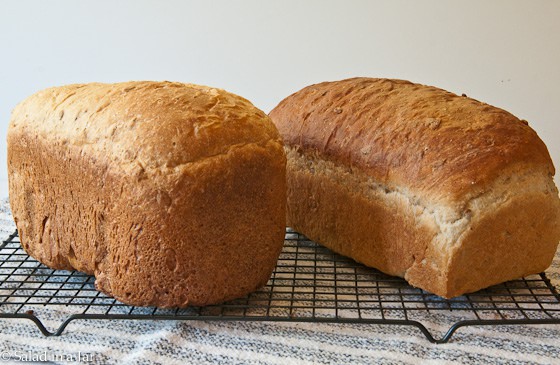
Credit: saladinajar.com
Bread Maker Basics
Bread makers offer a simple way to bake fresh bread at home. They mix, knead, rise, and bake all in one machine. This saves time and effort compared to using a traditional oven. Understanding the basics helps choose the right bread maker for your needs.
Bread makers suit beginners and busy people. They produce consistent results and reduce mess. Knowing how they work and what features to look for makes baking easier and more enjoyable.
How Bread Makers Work
Bread makers have a built-in mixing paddle and a heating element. You add ingredients in the right order. The machine mixes and kneads the dough automatically. Then it lets the dough rise inside the machine. Finally, it bakes the bread using controlled heat. The whole process is timed and managed by the machine.
Key Features To Consider
Look for a bread maker with multiple baking settings. Timer functions let you set baking to start later. Non-stick baking pans make cleaning easier. A viewing window helps check progress without opening the lid. Size matters too, depending on how much bread you want. Some machines offer gluten-free or whole wheat options.
Types Of Bread Makers
Basic models focus on simple white or wheat bread. Mid-range machines add more settings and better controls. High-end bread makers offer custom programs and larger capacities. Some models bake only bread, while others bake cakes or make jam. Choose a type that fits your baking style and needs.
Oven Baking Essentials
Baking bread in an oven offers a classic and hands-on experience. It allows control over temperature and timing. Understanding oven baking essentials helps create better bread. This knowledge makes the process smoother and the results tastier.
Choosing The Right Oven
Select an oven that heats evenly for consistent bread baking. A convection oven circulates air, baking bread faster and more evenly. Electric ovens provide steady heat, ideal for delicate bread types. Gas ovens can add moisture, which helps create a soft crust. Size matters; choose an oven that fits your baking trays and space.
Baking Techniques For Bread
Preheat the oven fully before placing the dough inside. Use a baking stone or steel to simulate a traditional bread oven floor. Steam helps create a crisp crust—place a pan of water at the bottom. Avoid opening the oven door often, as it lowers temperature and affects the rise. Rotate the bread halfway through baking for even browning.
Tools And Accessories
A good baking tray or stone improves heat distribution. Use a sharp knife or lame to score dough before baking. A thermometer checks if bread is fully baked inside. Oven mitts protect hands when handling hot trays. Cooling racks allow bread to cool evenly without becoming soggy.
Comparing Bread Maker And Oven
Baking bread at home can be a fun and rewarding experience. Choosing between a bread maker and an oven is important. Both tools help you bake bread but work in different ways. Understanding their differences helps you pick the best option for your needs.
Convenience And Time
Bread makers are easy to use. You add ingredients and press a button. The machine mixes, kneads, rises, and bakes the bread. It takes less time and effort.
Ovens need more work. You prepare dough separately, wait for it to rise, then bake it. This process takes longer and requires more attention.
Control Over Ingredients And Texture
Ovens give full control over ingredients and bread texture. You can change recipes and baking times easily. This helps create different bread types.
Bread makers offer less control. The machine follows preset programs. You can adjust some settings but options are limited.
Bread Quality And Variety
Ovens can produce a wider variety of bread. You can bake artisan, sourdough, and specialty breads with good crust and crumb.
Bread makers make soft, simple bread. Crust may be less crisp. Variety is limited to machine programs.
Energy Efficiency
Bread makers use less energy. They bake smaller loaves and have shorter cooking cycles.
Ovens use more energy. They heat larger spaces and take longer to bake bread.

Credit: www.bbc.co.uk
Recipes And Customization
Recipes and customization are key parts of making bread at home. Both bread makers and ovens offer unique ways to create delicious loaves. Each method lets you change ingredients and settings to fit your taste and needs.
Understanding how recipes work with each tool helps improve your baking. It also lets you experiment with different flavors and textures. You get to control the outcome better by knowing what to adjust.
Bread Maker Recipes
Bread makers come with preset recipes for many types of bread. These include white, whole wheat, and gluten-free options. The machine handles mixing, kneading, rising, and baking automatically.
You can customize recipes by adding nuts, seeds, or herbs. Some models let you choose crust darkness and loaf size. This makes it easy to try new variations without much effort.
Oven Bread Recipes
Oven baking offers more freedom in shaping and flavor. You can make artisan loaves, rolls, and flatbreads. Recipes often require manual kneading and timing.
Ovens allow you to control temperature and humidity for crust and crumb. You can also use steam to create a crispy crust. This method suits those who like hands-on baking.
Adjusting Recipes For Each Method
Bread maker recipes need less yeast and liquid than oven recipes. The machine’s controlled environment affects rising times and baking speed. Oven recipes usually require preheating and monitoring.
Adjust hydration and proofing times based on your tool. Experiment with ingredient amounts to get the best texture. Note that baking times and temperatures differ between methods.
Understanding these differences helps avoid baking mistakes. It also ensures your bread comes out just how you want it.
Troubleshooting Common Issues
Troubleshooting common issues with bread makers and ovens helps improve baking results. Both tools have unique problems that affect bread quality. Understanding simple fixes saves time and reduces waste. Small changes in settings or ingredients often solve common problems. Here are some tips to fix dense bread, avoid crust issues, and keep equipment working well.
Fixing Dense Or Undercooked Bread
Dense bread often means too much flour or not enough liquid. Measure ingredients carefully using a kitchen scale. Check that the yeast is fresh and active. Use the correct setting for the bread type. Undercooked bread may need a longer baking time or higher temperature. Test bread with a toothpick; it should come out clean. Avoid opening the oven or bread maker during baking. This stops the bread from rising properly.
Avoiding Crust Problems
Crust that is too hard or too soft spoils the bread experience. For a softer crust, cover the bread with a cloth after baking. To get a crisp crust, increase oven temperature slightly or bake longer. Use steam in the oven by placing a pan of water inside. Avoid overbaking, which causes a very hard crust. Adjust sugar or fat in the recipe to change crust texture. Each bread maker model may need different settings for crust color.
Maintaining Equipment
Clean bread makers and ovens regularly to keep them working well. Remove crumbs and dough bits after each use. Check and replace worn-out parts like paddles or seals. Use mild detergents and avoid harsh chemicals. Keep the baking pan and trays dry to prevent rust. Calibration of oven temperature helps bake bread evenly. Proper maintenance extends equipment life and improves bread quality.
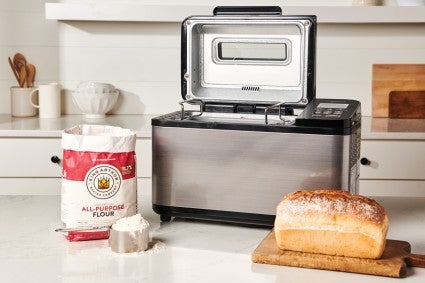
Credit: www.kingarthurbaking.com
Cost And Maintenance
Cost and maintenance play a big role in choosing between a bread maker and an oven. Both tools have different price points and upkeep needs. Understanding these differences helps in making the right choice for your kitchen and budget.
Initial Investment
Bread makers usually cost less than ovens. A basic bread maker can fit a small budget. Ovens, especially large or built-in models, often require a bigger upfront payment. Buying an oven may also need extra installation costs.
Ongoing Costs
Electricity use is a key ongoing expense. Bread makers use less energy because they are smaller. Ovens consume more power, which can raise utility bills. Ingredients cost the same for both, but baking time affects energy consumption.
Cleaning And Upkeep
Bread makers are simpler to clean. Most parts are removable and dishwasher safe. Ovens need more time and effort for cleaning. Grease and spills must be scrubbed regularly. Maintenance for ovens may include checking seals and burners.
Choosing What Fits Your Lifestyle
Choosing the right tool for baking depends on your daily routine and kitchen habits. Bread makers and ovens offer different benefits. Understanding your needs helps pick the best fit. This guide covers key points to consider.
Think about how often you bake, your kitchen space, and your comfort level with baking tools. These factors make a big difference in your choice.
Assessing Your Baking Frequency
Bake often? A bread maker saves time and effort. It mixes, kneads, and bakes automatically. Great for fresh bread daily.
Bake less? An oven offers more flexibility for various recipes. It suits occasional bakers and those who enjoy cooking other dishes.
Space And Storage Considerations
Bread makers are compact but still take counter space. Store it if you have limited room.
Ovens are usually built-in or larger appliances. They need more kitchen space but serve multiple cooking needs.
Skill Level And Learning Curve
Bread makers require little baking knowledge. Push a few buttons and wait.
Ovens need more skill and attention. You control temperature and baking time manually.
Choose the tool that matches your confidence and interest in baking.
Frequently Asked Questions
What Are The Main Differences Between Bread Makers And Ovens?
Bread makers automate mixing, kneading, and baking in one device. Ovens require manual dough preparation and baking. Bread makers save time and effort, while ovens offer more baking versatility and control over crust and texture.
Is Bread Quality Better From A Bread Maker Or Oven?
Ovens generally produce bread with a better crust and texture. Bread makers create consistent, soft loaves but may lack the artisan quality. The choice depends on your preference for convenience or traditional bread characteristics.
Can You Bake Other Items In A Bread Maker?
Bread makers are primarily designed for bread but can bake cakes, jams, and dough. However, their size and shape limit baking variety compared to ovens. Ovens offer more flexibility for different recipes and larger items.
Which Is More Energy-efficient: Bread Maker Or Oven?
Bread makers usually consume less energy because they bake smaller loaves and operate at lower power. Ovens use more energy due to larger space heating and longer preheating times. Bread makers are ideal for energy-conscious bakers.
Conclusion
Choosing between a bread maker and an oven depends on your needs. Bread makers save time and make baking simple. Ovens give more control and can bake many things. Both tools help you enjoy fresh bread at home. Think about your kitchen space and baking habits.
Small kitchens may favor bread makers. Larger kitchens and varied baking may suit ovens. Either way, fresh bread is always rewarding to bake. Try both if you can, then decide what fits best. Baking bread brings joy and tasty results.