Last Updated on October 2, 2026
Have you ever wondered how to get perfect baking results every time? The secret often lies in one simple feature: the proof setting on your oven.
If you’ve struggled with dough that won’t rise or ended up with bread that’s too dense, understanding this setting can change everything. You’ll discover exactly what the proof setting does, why it matters, and how to use it to make your baking easier and more successful.
Stick with me, and you’ll soon be baking like a pro in your own kitchen.
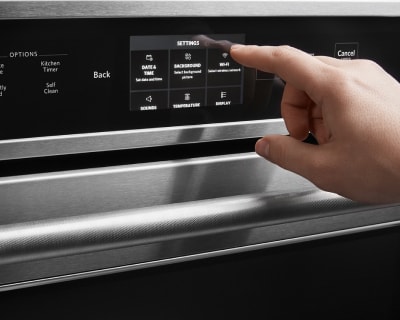
Credit: www.kitchenaid.com
Why Proofing Matters
Proofing is a key step in baking bread and other dough-based recipes. It allows the dough to rest and rise before baking. This process helps develop the dough’s structure and taste. Understanding why proofing matters can improve your baking results.
Proper proofing ensures the dough grows to the right size. It also affects the final texture and flavor of your baked goods. Without proofing, bread can turn out dense and hard.
Role Of Proofing In Dough
Proofing activates the yeast inside the dough. Yeast feeds on sugars and releases carbon dioxide gas. This gas creates air pockets that make the dough expand.
The dough becomes soft and elastic during proofing. The gluten network strengthens and traps gas bubbles. This process builds volume and lightness in the dough.
Proofing also allows enzymes to break down starches and proteins. This breakdown improves dough flexibility and helps it rise evenly.
Effects On Texture And Flavor
Proper proofing results in a light and airy crumb. The bread feels soft and chewy, not heavy or tough. The holes inside the bread are evenly spread out.
Flavor develops as yeast produces alcohol and organic acids. These compounds add a mild tang and sweetness. Longer proofing times deepen the flavor and aroma.
Proofing also reduces bitterness from raw flour. It creates a balanced taste that enhances the eating experience.
Choosing The Right Oven Proof Setting
Choosing the right oven proof setting is important for baking success. It helps dough rise properly before baking. This step affects the texture and taste of your bread or pastry. Using the correct proof setting saves time and avoids baking mistakes.
Ovens have different proof settings for various dough types. Each setting controls temperature and humidity to create the best environment for dough to rise. Understanding these settings allows you to select the best one for your recipe.
Common Proof Settings Explained
Most ovens offer a few common proof settings. These include low, medium, and high proof modes. Low proof is usually around 80°F to 90°F. This setting is good for slow rising doughs. Medium proof runs between 90°F and 100°F. It speeds up rising for most bread types. High proof can reach 110°F or more. This is best for quick proofing or certain pastry doughs.
Some ovens also add moisture during proofing. This helps keep the dough from drying out. Check your oven’s manual to know which proof settings it offers.
Optimal Temperature And Humidity
Temperature and humidity both affect dough rising. The ideal temperature for most dough is about 95°F. This warmth helps yeast grow and produce gas. Gas makes dough expand and become airy.
Humidity should be between 75% and 85%. Moist air stops the dough surface from drying. Dry dough forms a crust that blocks rising. Too much moisture can make dough sticky and hard to handle. Balance is key for the best proofing results.
Preparing Dough For Proofing
Preparing dough for proofing is a key step in baking bread. Proper preparation helps the dough rise evenly. It also improves the texture and flavor of the bread. Careful handling avoids damaging the dough’s structure. The dough must rest before the final rise. This rest period lets the gluten relax. It makes shaping easier and smoother.
Shaping And Initial Rest
Start by shaping the dough gently. Use light pressure to avoid pushing out air. Form the dough into the desired shape, like a loaf or roll. Place the shaped dough on a clean surface or pan. Let the dough rest for 10 to 15 minutes. This short rest helps the dough relax. It prevents shrinking during the final proof.
Covering And Placing Dough
Cover the dough with a clean, damp cloth or plastic wrap. This keeps the surface moist and stops drying out. Place the dough in the oven’s proof setting or a warm spot. The temperature should be warm but not hot, around 75°F to 85°F (24°C to 29°C). Avoid cold or drafty areas. Let the dough rise until doubled in size. The proof setting on ovens creates perfect conditions for this.

Credit: www.reddit.com
Using Your Oven’s Proof Feature
Using your oven’s proof feature helps dough rise perfectly. This setting creates the right warmth and humidity. It makes bread softer and fluffier. Many ovens have this feature for easy baking at home.
Proofing dough inside your oven keeps it safe from cold air. It also speeds up the rising process. You can prepare dough for baking without extra tools. Understanding how to use this feature improves your baking results.
Activating The Proof Mode
Find the proof button on your oven’s control panel. Press it to turn on the proof setting. Some ovens show a symbol like a loaf of bread. The oven will keep a steady warm temperature. This helps the dough rise slowly and evenly.
Ovens may beep or display a message when proof mode starts. If unsure, check your oven manual for exact steps. Make sure the oven door is closed tightly. This keeps the heat and moisture inside.
Adjusting Time And Temperature
Set the time based on your recipe’s instructions. Proof time usually ranges from 30 minutes to 2 hours. Some ovens let you adjust the temperature too. The ideal proof temperature is between 80°F and 110°F (27°C to 43°C).
Lower temperatures will slow the rise. Higher temperatures can kill the yeast. Use the lowest temperature your oven allows if adjustable. Check dough progress occasionally to avoid over-proofing.
Troubleshooting Proofing Issues
Proofing dough in the oven is key for good bread. Sometimes, dough does not rise well or rises too much. These issues affect texture and taste. Fixing proofing problems helps create better bread at home.
Dough Not Rising Enough
Cold dough slows yeast activity. Warm your oven slightly to create a cozy place for dough. Avoid hot temperatures that kill yeast. Check yeast freshness before use. Old yeast causes weak rising. Cover dough with a damp cloth or plastic wrap. This keeps moisture in. Give dough more time to rise if needed. Patience often helps.
Overproofed Dough Solutions
Overproofed dough can be sticky and flat. Punch it down gently to release gas. Shape dough again and proof for less time. Lower proofing temperature next time. Watch dough closely to catch rising early. Baking overproofed dough quickly after shaping can save texture. Avoid letting dough rise too long to prevent collapse.
Tips For Consistent Results
Consistent proofing in the oven helps bake bread perfectly every time. Small changes make a big difference in dough texture and rise. Follow these tips to keep results steady and reliable.
Monitoring Dough Progress
Check dough regularly during proofing. Look for gentle rise and soft surface. Avoid over-proofing, which weakens dough structure. Use a timer to track proofing times closely. Feel the dough; it should spring back slowly when poked. Adjust proofing time based on dough behavior, not just the clock.
Adapting For Different Dough Types
Different doughs need different proofing times and temperatures. Rich doughs with butter or eggs proof slower. Lean doughs with little fat rise faster. Adjust oven proof settings to match dough type. Warmer proofing suits whole grain doughs better. Watch dough texture and rise, then adjust the oven proof settings for best results.

Credit: www.reddit.com
Frequently Asked Questions
What Is Proof Setting On An Oven?
Proof setting is a low-temperature function used to rise dough. It creates a warm, humid environment ideal for yeast activation and dough fermentation.
How Do I Use The Proof Setting On My Oven?
Set your oven to the proof or lowest warm temperature. Place the dough inside, cover it with a cloth, and let it rise until doubled in size.
Can Proof Setting Affect Bread Texture?
Yes, proof setting helps develop better bread texture. Proper proofing allows dough to rise evenly, producing soft, airy, and well-structured bread.
How Long Should Dough Proof In The Oven?
Dough typically proofs for 30 minutes to 2 hours. Time varies based on dough type and recipe, so monitor until the dough doubles in size.
Conclusion
Proof setting on an oven helps dough rise perfectly every time. It creates a warm, moist space for yeast to work. This step improves bread texture and flavor. You can use your oven’s proof setting or a low temperature. Watch the dough carefully to avoid overheating.
Practice makes it easier to get just right. Remember, good proofing leads to better baking results. Try it and enjoy soft, airy bread at home.