Last Updated on October 2, 2026
Are you tired of searching for delicious gluten free rolls that actually taste good? Making your own gluten free rolls in a bread machine can be a game changer.
Imagine biting into warm, soft rolls fresh from your kitchen, without worrying about gluten or additives. You’ll discover simple tips and easy recipes to create perfect gluten free rolls every time. Keep reading, and you’ll unlock the secret to enjoying fresh bread that fits your lifestyle and satisfies your cravings.
Choosing Gluten Free Flours
Choosing the right gluten free flours is key for making soft rolls in a bread machine. Gluten free baking needs flours that give good texture and taste. Each flour has unique qualities that affect the final bread. Knowing which flours to use helps create rolls that are light and fluffy.
Best Flours For Soft Rolls
Rice flour is mild and gives a fine crumb. Tapioca flour adds chewiness and stretch. Potato starch keeps bread moist and soft. Sorghum flour offers a mild, sweet flavor. These flours work well alone or in mixes for soft rolls. They create a gentle texture that feels good when eating.
Blending Flours For Texture
Mixing different gluten free flours creates the best texture. One flour alone can make bread dense or crumbly. Combining rice flour with tapioca or potato starch adds softness and elasticity. Adding a small amount of sorghum or millet flour improves flavor. Blends balance taste and structure for perfect rolls.
Essential Ingredients
Making gluten free rolls in a bread machine needs the right ingredients. These ingredients help create the perfect texture and taste. Without them, rolls can turn out dry or crumbly. Understanding what each ingredient does will improve your baking results.
Binders And Leavening Agents
Gluten is missing in these rolls, so binders are important. They hold the dough together and give it structure. Common binders include xanthan gum and guar gum. These help trap air and prevent crumbling.
Leavening agents make the rolls rise and become fluffy. Baking powder, baking soda, and yeast are popular choices. Yeast needs sugar and warmth to activate. The right balance of these agents creates soft, airy rolls.
Adding Flavor And Moisture
Gluten free rolls can taste bland without added flavor. Use ingredients like butter, olive oil, or honey. These add richness and improve the crumb.
Moisture keeps the rolls soft and fresh. Eggs, milk, or yogurt add moisture and help bind ingredients. They also support browning and give a tender crumb. Proper moisture prevents the rolls from drying out quickly.
Preparing The Bread Machine
Preparing your bread machine properly is key to making perfect gluten free rolls. This step ensures the dough bakes evenly and does not stick to the pan. Careful setup can save time and reduce frustration.
Follow simple guidelines to get your machine ready. These tips help you enjoy soft, fresh rolls every time.
Selecting The Right Settings
Choose the gluten free or special bread setting on your machine. This setting adjusts the baking time and kneading speed. It helps handle the unique texture of gluten free dough.
If your machine lacks a gluten free option, select the quick or basic bread cycle. Shorter baking times prevent drying out the rolls.
Tips For Preventing Sticking
Grease the bread pan lightly with oil or use a non-stick spray. This prevents dough from sticking during baking.
Check that the kneading blade fits tightly. Loose blades can cause uneven mixing and sticking.
Use parchment paper cut to fit the pan bottom. This adds an extra layer to stop sticking without affecting baking.

Credit: theloopywhisk.com
Step-by-step Recipe
Baking gluten free rolls in a bread machine is simple and rewarding. Follow each step carefully for soft, tasty rolls. This guide breaks down the process into easy parts. Perfect for beginners and busy bakers alike.
Mixing Ingredients
Start by measuring all ingredients precisely. Use gluten free flour, yeast, sugar, salt, and warm water. Add oil or butter for moisture and softness. Place ingredients into the bread machine pan in order. Set the machine to the dough cycle. Let the machine mix everything thoroughly.
Dough Kneading And Rising
The bread machine kneads the dough automatically. Gluten free dough feels different, a bit sticky or wet. Let the machine complete the kneading cycle fully. After kneading, the dough needs to rise. The bread machine provides the perfect warm environment. Wait until the dough doubles in size.
Shaping And Baking Rolls
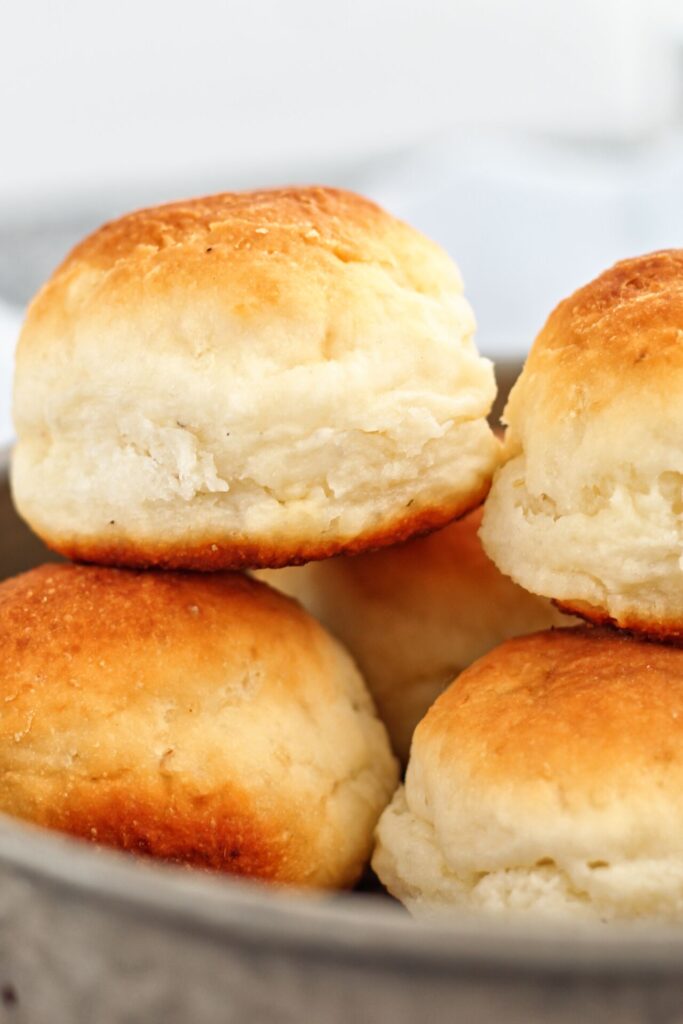
Once the dough has risen, remove it carefully. Divide the dough into small equal pieces. Shape each piece into a round roll with your hands. Place rolls on a baking tray lined with parchment paper. Let them rise a little more, about 15 minutes. Bake in a preheated oven at 375°F (190°C) until golden brown. Cool the rolls before serving for best texture.
Troubleshooting Common Issues
Making gluten free rolls in a bread machine can sometimes be tricky. Some common problems may arise. This section helps fix those issues. Clear steps make your baking easier. Enjoy soft, tasty rolls every time.
Dense Or Crumbly Rolls
Dense rolls often mean not enough liquid or overmixing. Check your recipe’s water or milk amount. Use the exact measurement for best results. Avoid mixing dough too long; it breaks the structure. Gluten free flours need gentle handling to keep texture.
Crumbly rolls can happen from too much flour or dry ingredients. Add a little more moisture next time. Use eggs or oil as binders to hold dough together. Let the dough rest before baking to improve softness.
Uneven Baking
Uneven baking causes some rolls to be undercooked or burnt. Make sure the bread machine pan fits well and heats evenly. Place dough pieces evenly spaced in the pan for uniform cooking. Check the machine’s temperature settings; adjust if needed.
Rotate the pan midway in the baking cycle for better heat distribution. Avoid opening the lid during baking; it cools the dough. Use consistent dough size to help even baking.
Sticky Dough Solutions
Sticky dough can stick to paddles and sides, making shaping hard. Add small amounts of gluten free flour gradually. Stop when dough feels slightly tacky but not wet. Use oil or water on hands to handle sticky dough easily.
Check the humidity in your kitchen; high moisture can increase stickiness. Use a silicone spatula to scrape dough from the machine. Proper dough consistency leads to smooth shaping and better rolls.
Credit: www.letthemeatgfcake.com
Serving And Storage Tips
Gluten free rolls made in a bread machine taste best when served fresh. Proper serving and storage keep their soft texture and rich flavor. These tips help you enjoy every bite of your rolls and avoid waste.
Best Ways To Serve Rolls
Serve gluten free rolls warm for a soft and tender bite. Toast them lightly to add a slight crunch. Use butter or olive oil to enhance their flavor. Pair rolls with soups, salads, or as sandwich buns. Fresh herbs or garlic butter make tasty toppings.
Storing For Freshness
Store rolls in an airtight container to keep moisture in. Keep them at room temperature for up to two days. For longer storage, freeze rolls in a sealed bag. Thaw frozen rolls at room temperature or warm in the oven. Avoid refrigeration, as it dries out gluten free bread quickly.
Variations To Try
Gluten free rolls made in a bread machine are easy and tasty. You can change the basic recipe to create many different flavors. These variations keep your rolls exciting and fresh. Try new ingredients to suit your taste and meals.
Herbed And Flavored Rolls
Add herbs like rosemary, thyme, or basil to your dough. Fresh or dried herbs work well. You can also mix in garlic powder or onion flakes. These flavors make the rolls savory and perfect for dinner. Cheese bits, like cheddar or parmesan, add a rich taste. Experiment with spices such as black pepper or smoked paprika for a twist. These rolls pair nicely with soups and salads.
Sweet Gluten Free Rolls
Sweet rolls are a great treat for breakfast or snacks. Add cinnamon, nutmeg, or vanilla extract to the dough. You can mix in raisins, dried cranberries, or chopped nuts. A little honey or maple syrup gives gentle sweetness. Top rolls with a light sugar glaze or powdered sugar. These sweet rolls are soft and delicious. They go well with butter, jam, or cream cheese.
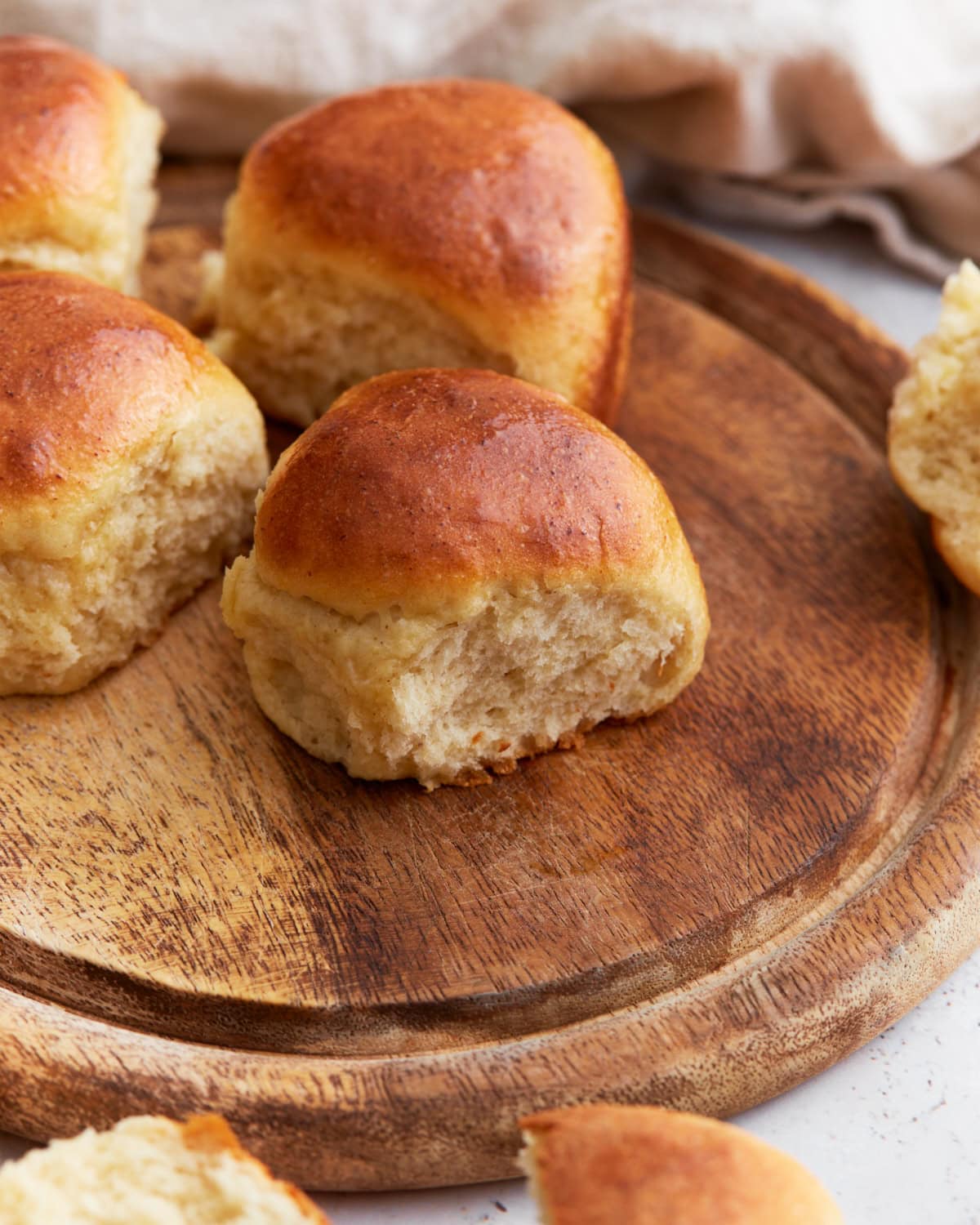
Credit: www.mamaknowsglutenfree.com
Frequently Asked Questions
What Gluten-free Flours Work Best For Bread Machine Rolls?
Popular gluten-free flours include rice flour, almond flour, and tapioca starch. These flours offer good texture and flavor. Combining multiple flours often yields the best results in bread machines.
How Do I Prevent Gluten-free Rolls From Being Dry?
Adding ingredients like xanthan gum or psyllium husk improves moisture. Also, avoid overbaking and use liquids like milk or oil for softness. Proper hydration is key for tender gluten-free rolls.
Can I Use My Regular Bread Machine Settings?
Most machines have a gluten-free setting, which is ideal. If not, use a quick or dough cycle. Adjust rising times as gluten-free dough behaves differently from regular dough.
How Long Should Gluten-free Rolls Rise In The Machine?
Gluten-free dough usually requires less rising time, about 20-30 minutes. Overproofing can cause collapse. Check dough consistency and adjust rising times based on your recipe.
Conclusion
Gluten free rolls made in a bread machine bring ease to baking. You can enjoy fresh, soft rolls without gluten worries. The process saves time and reduces effort. Experiment with different flours and ingredients for your taste. Baking at home means control over what you eat.
Simple steps lead to delicious, healthy bread every time. Give it a try and enjoy warm rolls anytime. Baking gluten free can be easy and rewarding.