Last Updated on October 7, 2026
Are you a waffle lover who’s ever wondered what makes a Belgian waffle different from a regular waffle? You’re not alone.
These two breakfast favorites may look similar, but they offer very different experiences for your taste buds. Whether you crave a light, fluffy treat or a crispy, golden delight, understanding these differences can change the way you enjoy your morning meal.
Keep reading, and you’ll discover which waffle suits your style—and why you might want to try both!

Credit: www.belgianboys.com
Belgian Waffle Origins
The Belgian waffle stands out from regular waffles for many reasons. Its unique taste and texture come from a rich history. The origins of the Belgian waffle reveal much about its special place in food culture. Understanding its roots helps appreciate the difference between Belgian and regular waffles.
History And Tradition
The Belgian waffle dates back to the Middle Ages. Early waffles were made with simple batter and cooked over an open flame. The modern Belgian waffle appeared in the 20th century. It became famous during the 1962 World’s Fair in Seattle. Belgian chefs introduced the lighter, airy waffle with deep pockets. These pockets hold syrup and toppings better than regular waffles. The recipe uses yeast or beaten egg whites for fluffiness. This tradition keeps the Belgian waffle distinct and loved worldwide.
Regional Variations
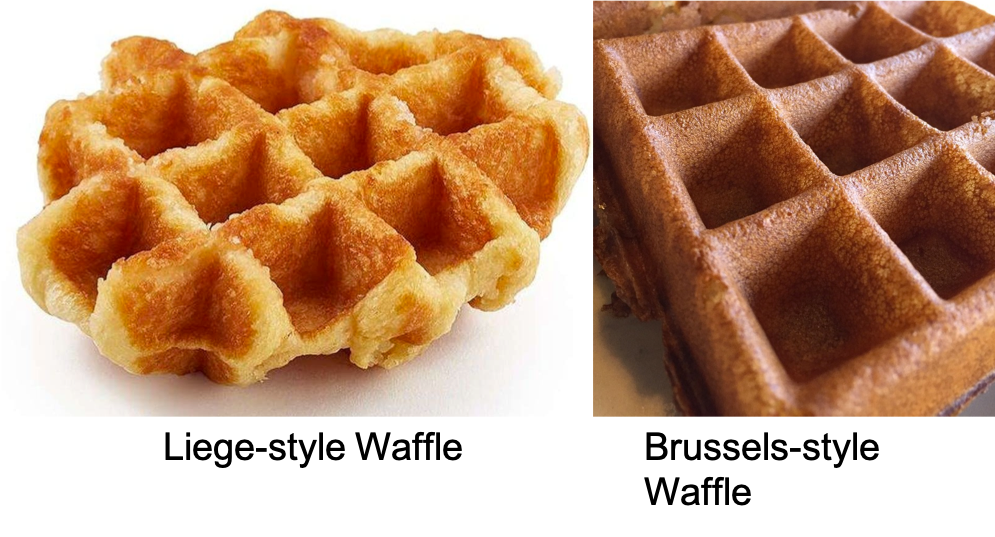
Belgian waffles vary across regions in Belgium. Brussels waffles are the most common outside Belgium. They are light, crisp, and rectangular with deep grids. Liège waffles are denser and sweeter. They have caramelized sugar chunks inside, giving a rich taste. Each region adds its twist to the waffle recipe. These variations highlight local flavors and preferences. They show how Belgian waffles adapt while keeping their identity.
Regular Waffle Basics
Regular waffles are a classic breakfast favorite loved around the world. They have a crispy outside and a soft inside. Their texture is usually lighter than Belgian waffles. Regular waffles are easy to make and pair well with many toppings.
These waffles often have smaller grids and a thinner shape. They cook quickly and work well with various recipes. Regular waffles can suit sweet or savory dishes, making them versatile for any meal.
Common Recipes
Regular waffle recipes often include basic ingredients like flour, eggs, milk, and sugar. Baking powder helps them rise and become fluffy. Butter or oil adds moisture and flavor. Some recipes add vanilla or cinnamon for extra taste.
Many people serve regular waffles with syrup, butter, or fresh fruit. Others like to top them with whipped cream or chocolate chips. Some use them as a base for sandwiches or fried chicken for a tasty meal.
Popular Styles
Different regions have their own take on regular waffles. American-style waffles are thin and crisp. They fit well with syrup and butter.
In other places, regular waffles can be softer and chewier. Some recipes use less sugar for a less sweet taste. Waffles with added spices or nuts are also common.
Regular waffles come in many shapes, like squares or circles. The choice depends on the waffle iron used. Each style offers a unique texture and flavor experience.
Texture And Thickness
Texture and thickness play a big role in the waffle experience. These features affect how the waffle feels in your mouth and how satisfying it is to eat. Belgian waffles and regular waffles differ in these key ways. Understanding these differences helps you pick the best waffle for your taste.
Crispiness Levels
Belgian waffles have a crisp outside with a soft inside. Their deep pockets hold syrup and toppings well. Regular waffles are usually less crispy. Their surface is flatter and softer. The crispiness in Belgian waffles comes from the batter and cooking time. Regular waffles cook faster and stay tender.
Density Differences
Belgian waffles are thicker and lighter. They have more air inside, making them fluffy. This lightness comes from using beaten egg whites or yeast. Regular waffles are thinner and denser. They feel heavier and chewier in your mouth. The batter for regular waffles is simpler and less airy.
Taste Profiles
Taste profiles set Belgian waffles apart from regular waffles. Each type offers a unique experience. Texture and flavor shape how you enjoy them. Sweetness and buttery notes play important roles. Let’s explore these differences closely.
Sweetness And Flavor
Belgian waffles have a mild sweetness. Their sugar content is balanced to avoid overpowering. Regular waffles often taste sweeter. They use more sugar in the batter. Belgian waffles feel lighter and less sugary. Regular waffles deliver a richer, sweeter bite. Both pair well with syrup or fruit. The sweetness level depends on personal choice.
Butter And Yeast Impact
Butter adds richness to both waffle types. Belgian waffles usually contain more butter. This creates a creamy, smooth texture and flavor. Yeast plays a key role in Belgian waffles. It makes them rise and develop subtle tangy notes. Regular waffles use baking powder instead. This gives them a straightforward, neutral taste. Butter and yeast combine to make Belgian waffles special.
Cooking Techniques
Cooking techniques shape the taste and texture of waffles. Belgian and regular waffles use different methods. These differences create unique results in every bite. Understanding these techniques helps you cook better waffles at home.
Batter Preparation
Belgian waffle batter is thicker and richer. It often includes yeast or whipped egg whites. This makes the waffles light and airy inside. Regular waffle batter is thinner and smoother. It uses baking powder as a leavening agent. This gives a denser, crispier texture. Both batters need careful mixing to avoid lumps. The right batter affects how the waffle cooks and tastes.
Waffle Iron Differences
Belgian waffle irons have deeper grids. They create thick waffles with large pockets. These pockets hold syrup, butter, or fruit well. Regular waffle irons have shallow grids. They make thinner, flatter waffles. The cooking time also varies. Belgian waffles cook longer at lower heat. Regular waffles cook faster at higher heat. Choosing the right iron changes the waffle’s look and feel.
Credit: www.bruzbeers.com
Serving Styles
Serving styles highlight the key differences between Belgian waffles and regular waffles. Each type offers unique textures and shapes that affect how toppings and sides complement them. The way you serve these waffles can change the entire eating experience. Both types allow creativity, but their structure guides traditional and modern choices.
Traditional Toppings
Belgian waffles often come with powdered sugar dusted on top. Whipped cream and fresh strawberries are common as well. Maple syrup is a classic partner to both waffle types. Regular waffles usually get butter and syrup as the main toppings. Some enjoy them with fruit preserves or honey. The thick, deep pockets of Belgian waffles hold syrup and toppings better. Regular waffles have a flatter surface, making spreadable toppings easier to apply. Both styles shine with simple, familiar toppings.
Modern Twists
Cheesecake filling or Nutella adds a modern touch to Belgian waffles. Savory toppings like fried chicken or smoked salmon are popular too. Regular waffles get updated with peanut butter and banana slices. Some enjoy them with yogurt and granola for a healthy twist. Creative plating and diverse flavors make waffles trendy. Both types adapt well to sweet and savory trends. Experimenting with toppings turns waffles into a versatile dish.
Nutritional Comparison
Comparing Belgian waffles and regular waffles means looking closely at their nutrition. Each type offers different benefits and drawbacks. Understanding their calorie content and ingredient quality helps you make smarter choices. This section breaks down these key points.
Calorie Counts
Belgian waffles usually have more calories than regular waffles. They are thicker and often contain more butter and sugar. A typical Belgian waffle can have around 350 to 400 calories. Regular waffles are thinner and lighter, with about 200 to 250 calories each. Portion size plays a big role in calorie differences. Toppings like syrup or fruit also add calories to both types.
Ingredient Quality
Belgian waffles often use richer ingredients. They include more eggs and butter, which add flavor and texture. Regular waffles have a simpler ingredient list, often with less fat. Both types can be made with whole grain or refined flour. Choosing whole grain boosts fiber and nutrients in either waffle. Fresh ingredients improve taste and nutrition in both varieties.
Popularity And Cultural Impact
Belgian waffles and regular waffles have unique places in food culture worldwide. Their popularity shows how people enjoy sweet treats differently. Each type of waffle carries its own story and cultural influence. This section explores their global reach and role in festivals and events.
Global Reach
Belgian waffles are famous in many countries beyond Belgium. Their thick, fluffy texture and deep pockets attract people everywhere. These waffles often appear in cafes and street food stalls worldwide. Regular waffles also have broad appeal, especially in the United States. They are common at breakfast tables and diners. Both waffles have become symbols of comfort food in various cultures.
Festivals And Events
Waffle festivals celebrate these tasty treats with fun and excitement. Belgian waffle events often highlight traditional recipes and cooking techniques. Visitors can taste authentic Belgian waffles made fresh. Regular waffle festivals focus on creative toppings and styles. These events bring communities together and honor local flavors. Waffles play a role in food fairs, fairs, and holiday markets too.
Choosing Your Favorite
Choosing your favorite waffle depends on many things. Both Belgian waffles and regular waffles have their own charm. Each offers a different taste and texture experience. Understanding these differences helps you decide which one suits you best.
Think about what you enjoy in a waffle. Do you prefer something light and fluffy or crispy and thin? Your choice may change depending on the moment or the meal.
Personal Preferences
Your taste is the main guide. Belgian waffles are thicker and softer. They have big, deep pockets that hold syrup or toppings well. Regular waffles are thinner and crispier. They offer a crunchier bite and a flatter surface.
Some people like the rich, fluffy feel of Belgian waffles. Others enjoy the simple, crunchy texture of regular waffles. Sweet or plain, soft or crispy – it all comes down to what you like most.
Occasion-based Choices
Different waffles fit different occasions. Belgian waffles work great for special breakfasts or brunch. Their size and texture make them feel like a treat. Regular waffles are quick and easy for everyday meals.
For a quick snack, regular waffles are handy. For a celebration or weekend breakfast, Belgian waffles shine. Think about the time you have and the mood you want. This helps you pick the perfect waffle for any event.
Credit: www.thepancakeprincess.com
Frequently Asked Questions
What Is The Main Difference Between Belgian And Regular Waffles?
Belgian waffles are thicker, lighter, and have deeper pockets than regular waffles. Regular waffles are thinner with smaller grid patterns. Belgian waffles use yeast or beaten egg whites for a fluffier texture, while regular waffles have a denser batter.
Are Belgian Waffles Healthier Than Regular Waffles?
Belgian waffles typically have more calories and sugar due to richer batter. Regular waffles may be lower in calories but vary by recipe. Both can be made healthier by adjusting ingredients like using whole grains or reducing sugar.
Which Waffle Is Better For Toppings, Belgian Or Regular?
Belgian waffles are better for toppings due to their deep pockets. They hold syrup, fruits, and whipped cream well. Regular waffles have smaller pockets, making them less ideal for heavy or sticky toppings.
Can Regular Waffle Makers Make Belgian Waffles?
Regular waffle makers usually cannot make authentic Belgian waffles. Belgian waffles need deeper grids and specific batter for texture. Using a Belgian waffle maker ensures the right thickness and crispiness.
Conclusion
Belgian waffles are thick, light, and have deep pockets for syrup. Regular waffles are thinner and crispier with smaller pockets. Both types taste great and suit different preferences. Choose Belgian waffles for a fluffy treat or regular waffles for a crunchy bite.
Either way, waffles make a delicious breakfast or snack. Try both to see which you enjoy most!