Last Updated on October 7, 2026
Are you wondering why your yogurt sometimes tastes different or spoils faster than expected? The secret might be in how you store it.
Getting the temperature right is key to keeping your yogurt fresh, safe, and delicious. You’ll discover the perfect temperature to store your yogurt and simple tips to make it last longer. Keep reading to protect your yogurt and enjoy its creamy goodness every time.

Credit: www.researchgate.net
Ideal Storage Temperature
Yogurt stays fresh best at a temperature between 35°F and 40°F (2°C to 4°C). Keeping it cold slows down bacteria growth. Store yogurt in the refrigerator right after buying or using it.
Optimal Range For Fresh Yogurt
Fresh yogurt stays best between 1°C and 4°C (34°F to 39°F). This cool range slows bacteria growth that can spoil yogurt. Keeping it too warm may cause the yogurt to sour faster. Store fresh yogurt in the coldest part of the fridge, not in the door. The door temperature changes often. This helps maintain freshness longer and keeps the texture smooth.
Temperature For Greek Yogurt
Greek yogurt needs a similar temperature to fresh yogurt. Keep it between 1°C and 4°C (34°F to 39°F) for best taste and safety. Greek yogurt is thicker, but it still spoils if too warm. Cold storage preserves its creamy texture and rich flavor. Avoid freezing Greek yogurt, as it can change the texture and make it watery after thawing.
Impact Of Temperature Fluctuations
Temperature changes harm yogurt quality. Warm spikes let bad bacteria grow quickly. This causes off-flavors and lumps. Cold drops can cause freezing, damaging yogurt’s texture. Frequent opening of the fridge door raises temperature inside. Store yogurt in a stable, cold spot to avoid these problems. Consistent cold helps keep yogurt tasty and safe to eat longer.
Effects Of Improper Storage
Yogurt needs proper storage to stay fresh and safe. Storing yogurt at the wrong temperature can cause many problems. These problems affect its safety, taste, and texture. Understanding these effects helps you keep yogurt good for longer.
Spoilage Risks
Yogurt stored at too high temperatures spoils fast. Bacteria grow quickly outside the fridge. This growth can turn yogurt sour and smelly. Spoiled yogurt looks different and tastes bad. Eating spoiled yogurt can cause stomach pain and sickness.
Texture And Taste Changes
Improper storage changes yogurt’s texture. It may become watery or lumpy. The smooth, creamy feel disappears. The taste can become sour or off. These changes make yogurt less enjoyable to eat.
Health Concerns
Badly stored yogurt can cause health issues. Harmful bacteria can grow and cause infections. People with weak immune systems are at higher risk. Safe storage stops harmful germs from spreading. Always keep yogurt cold to protect your health.
Storing Yogurt At Home
Storing yogurt at home correctly keeps it fresh and tasty longer. Yogurt is a living food with good bacteria that need cold temperatures. Proper storage helps keep these cultures alive and stops spoilage. Follow simple steps to store yogurt safely and enjoy its benefits every day.
Refrigerator Placement Tips
Keep yogurt in the coldest part of the fridge. Avoid the fridge door because temperature changes often there. Place yogurt on a shelf in the back or middle. This helps maintain a steady temperature around 4°C (39°F). Keep yogurt away from strong-smelling foods to prevent odor absorption.
Best Containers For Storage
Store yogurt in its original container if sealed. For opened yogurt, use airtight containers to block air and moisture. Glass or BPA-free plastic containers work well. Avoid storing yogurt in metal containers as they can affect taste. Label containers with the date to track freshness easily.
Handling Opened Yogurt
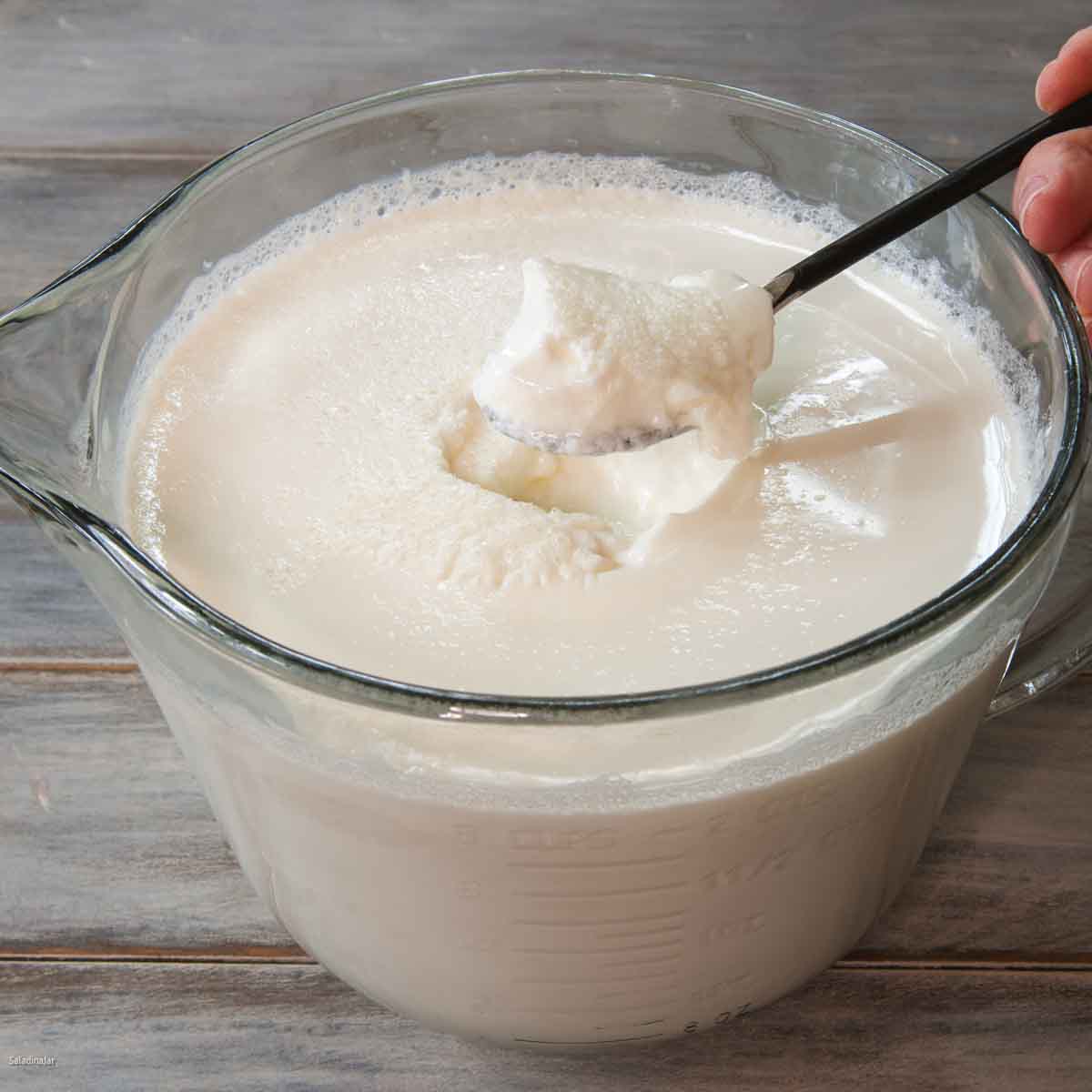
Always use a clean spoon to avoid contamination. Close the container tightly after each use. Do not leave yogurt out of the fridge for more than two hours. Check yogurt for signs of spoilage like mold or off smell. Discard yogurt if it looks or smells strange.
Credit: saladinajar.com
Transporting Yogurt Safely
Transporting yogurt safely is important to keep it fresh and healthy. Yogurt must stay cold during transport. Warm temperatures can cause it to spoil quickly. Proper handling stops bacteria from growing. It helps keep the yogurt tasty and safe to eat.
Maintaining Cold Chain
The cold chain means keeping yogurt cold from start to finish. It must stay below 40°F (4°C). This slows bacteria growth and keeps yogurt fresh. Transport vehicles should have good refrigeration. Check the temperature often during transport. Avoid opening containers too much. This stops warm air from entering.
Use Of Coolers And Ice Packs
Coolers and ice packs keep yogurt cold without a fridge. Use a well-insulated cooler to hold cold air. Place ice packs around yogurt containers. Check ice packs are fully frozen before use. Replace ice packs if they melt. Keep the cooler closed to keep cold air inside. This method works well for short trips and picnics.
Freezing Yogurt
Freezing yogurt is a useful way to extend its shelf life. It helps keep yogurt fresh for weeks beyond the normal refrigerator time. However, freezing changes the yogurt’s texture and taste. Knowing how to freeze and thaw yogurt properly keeps it tasty and enjoyable.
Effects On Texture And Flavor
Freezing yogurt can make it grainy or watery. Ice crystals form inside, breaking the smooth texture. The creamy feel turns slightly icy or separated. The flavor might become less fresh and a bit sour. These changes happen because freezing affects the live cultures and milk proteins.
Proper Freezing Techniques
Use an airtight container to freeze yogurt. Avoid freezing large amounts at once. Small portions freeze and thaw better. Keep the temperature steady at 0°F (-18°C). Do not refreeze yogurt after thawing. Label the container with the freezing date. Consume frozen yogurt within one to two months for best quality.
Thawing Tips
Thaw yogurt slowly in the refrigerator. This helps keep the texture smoother. Avoid thawing at room temperature to prevent bacteria growth. Stir yogurt after thawing to mix separated liquid. Use thawed yogurt in smoothies, cooking, or baking. It may not be as good for eating plain.
Commercial Storage Standards
Commercial storage standards for yogurt ensure the product stays fresh and safe. Proper temperature control is critical in retail and food service settings. These standards help prevent spoilage and maintain quality. Retailers and food service providers must follow strict guidelines to keep yogurt at the right temperature.
Regulations For Retailers
Retailers must store yogurt at or below 40°F (4°C). This temperature slows bacterial growth and keeps yogurt safe. Refrigerated display cases must be monitored regularly. Many stores use digital thermometers for accuracy. Proper rotation of stock also helps reduce waste. Expired products must be removed promptly. Clear labeling and storage rules protect consumers.
Storage In Food Service
Food service providers must keep yogurt cold during storage and serving. The ideal range is 35°F to 40°F (1.6°C to 4°C). This range prevents bacteria from multiplying quickly. Yogurt should be stored in clean, refrigerated units. Staff must check temperatures several times daily. Avoid leaving yogurt out for long periods. Following these steps ensures food safety and quality.

Credit: www.researchgate.net
Frequently Asked Questions
What Is The Ideal Temperature For Storing Yogurt?
Yogurt should be stored between 34°F and 40°F (1°C to 4°C). This range keeps it fresh and safe. Temperatures above 40°F risk bacterial growth, spoiling the yogurt faster. Proper refrigeration maintains texture and flavor, ensuring yogurt stays healthy and tasty.
Can Yogurt Spoil If Stored Too Warm?
Yes, yogurt spoils quickly above 40°F (4°C). Warm temperatures promote harmful bacteria growth, causing sour taste and odor. Always refrigerate yogurt promptly to prevent spoilage. Storing yogurt at the correct temperature preserves its probiotics and nutritional benefits.
How Long Can Yogurt Last Refrigerated?
Properly refrigerated yogurt lasts 1 to 3 weeks past the sell-by date. Keep it sealed and stored at 34°F to 40°F. Check for signs of spoilage like mold or off smell before consumption. Correct storage maximizes yogurt’s shelf life safely.
Does Freezing Affect Yogurt’s Storage Temperature?
Freezing yogurt halts bacterial growth, extending storage beyond refrigeration limits. Frozen yogurt lasts 1 to 2 months. Thaw it in the fridge and consume quickly. Freezing may slightly change texture but keeps yogurt safe and nutritious longer.
Conclusion
Yogurt stays fresh longest at 1 to 4 degrees Celsius. Keep it cold to prevent bacteria growth and spoilage. Store yogurt in the main fridge, not the door. Always check the expiration date before eating. Proper storage keeps yogurt safe and tasty.
Small efforts protect your health and food quality. Enjoy your yogurt at its best every time. Simple steps make a big difference in freshness.