Last Updated on October 11, 2026
Are you thinking about making or buying a cutting board and wondering if red oak is the right choice? Choosing the perfect wood for your cutting board is more important than you might think.
It affects how durable, safe, and easy to clean your board will be. If you want a cutting board that lasts and feels good to use, you need to know the truth about red oak. Keep reading, and you’ll discover whether red oak is a smart pick for your kitchen or if you should look elsewhere.
Your cooking experience could change with the right wood under your knife.
Credit: www.reddit.com
Red Oak Properties
Red oak is a popular wood choice for many projects, including cutting boards. Its properties affect how well it performs in the kitchen. Understanding these qualities helps you decide if red oak suits your needs.
Red oak stands out for its unique grain, texture, hardness, and density. These features influence its durability and appearance as a cutting board.
Grain And Texture
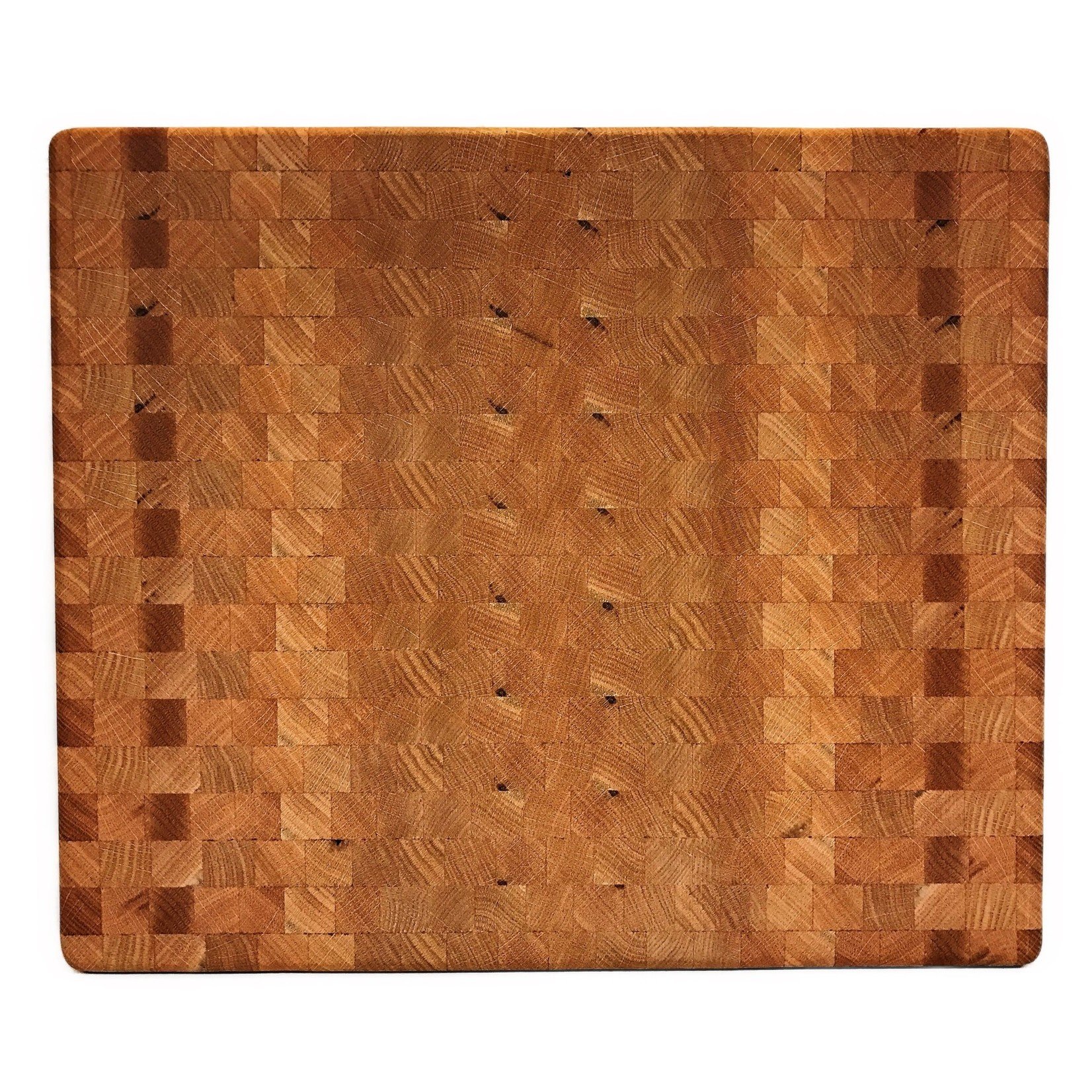
Red oak has a coarse grain with a strong pattern. The grain is open, meaning it has visible pores. This gives the wood a rougher feel compared to other woods.
The texture is uneven but attractive. Its natural look adds character to cutting boards. However, the open grain can trap food particles and moisture.
Hardness And Density
Red oak is moderately hard, scoring around 1290 on the Janka hardness scale. This makes it durable enough to resist scratches and dents.
The density is medium, which means it is not too heavy or too light. It balances strength with ease of handling.
This hardness protects the board from knife marks. Yet, it is hard enough to last a long time in the kitchen.
Credit: www.cuttingboardsandmore.com
Durability For Cutting Boards
Durability is a key factor when choosing wood for cutting boards. A durable cutting board lasts longer and holds up well under daily use. Red oak, known for its strength, is often considered for this purpose. Understanding its durability helps decide if it suits your kitchen needs.
Resistance To Wear And Tear
Red oak has a strong grain structure that resists scratches and dents. It stands up to repeated chopping and cutting without showing damage quickly. The wood’s hardness helps it endure heavy use over time. This means your cutting board remains smooth and usable for years.
Impact On Knife Edges
Red oak is firm but not too hard on knives. It does not dull blades fast, making it safer for your knives. The wood absorbs some impact, reducing wear on knife edges. This balance helps keep knives sharper longer, saving you money on sharpening or replacements.
Safety Considerations
Safety matters a lot when choosing wood for cutting boards. Red oak is popular, but it has features that affect hygiene and health. Knowing these helps you decide if it fits your kitchen needs.
Porosity And Bacteria Growth
Red oak has open pores that absorb water easily. This makes it easier for bacteria to hide inside. Water and food bits can get trapped, raising the risk of germs. Regular cleaning and drying are very important. Using oil to seal the wood can help reduce this problem. Still, red oak requires more care than denser woods.
Toxicity And Allergies
Red oak is not toxic for most people. It does not release harmful chemicals during use. Some people may have allergies to oak dust or wood oils. These reactions are rare but can cause skin or breathing discomfort. Always test new wood products carefully, especially if you have sensitive skin or asthma.
Credit: www.etsy.com
Comparison With Other Woods
Choosing the right wood for cutting boards affects durability and safety. Comparing red oak to other popular woods helps understand its strengths and weaknesses. Each wood has unique features that suit different kitchen needs. Here is a clear comparison of red oak with maple and walnut.
Maple Vs Red Oak
Maple is a common choice for cutting boards due to its tight grain. It resists cuts and scratches better than red oak. Red oak has an open grain, which can trap bacteria more easily. Maple is harder than red oak, making it more durable for heavy use. Maple boards are less likely to warp or crack over time. Red oak is often cheaper but requires more care to stay safe and clean. Maple’s smooth surface makes it easier to clean and maintain.
Walnut Vs Red Oak
Walnut is a darker, softer wood with a fine grain. It is gentler on knives than red oak. Red oak is harder but has rougher grain that can dull knives faster. Walnut’s tight grain helps prevent moisture and bacteria from penetrating. Red oak’s open grain needs more sealing to protect against water damage. Walnut cutting boards look elegant and age well with use. Red oak boards may show wear and tear more quickly. Walnut is often preferred for its balance of durability and beauty.
Maintenance Tips
Red oak cutting boards need care to stay strong and safe for food. Proper maintenance keeps the wood from cracking and helps it last longer. Simple steps can keep your board clean and looking good.
Cleaning And Sanitizing
Wash your red oak board with warm water and mild soap after use. Avoid soaking it in water to prevent swelling. Use a soft sponge to clean without scratching the surface. Rinse well and dry with a towel right away.
To kill germs, wipe the board with a vinegar solution or diluted bleach. Let it sit for a few minutes, then rinse and dry. This stops bacteria from growing and keeps the board safe for food.
Oiling And Conditioning
Apply food-safe mineral oil to your red oak board every few weeks. This oil soaks into the wood and stops it from drying out. Spread the oil evenly with a clean cloth and let it absorb for several hours.
Use a conditioning cream with beeswax for extra protection. It seals the wood and makes cleaning easier. Regular oiling and conditioning keep your cutting board strong and beautiful for years.
Cost And Availability
Cost and availability play a big role in choosing wood for cutting boards. Red oak is often a popular choice because it balances price and supply well. Understanding these factors helps decide if red oak fits your budget and needs.
Cost Of Red Oak For Cutting Boards
Red oak is usually affordable compared to other hardwoods. It offers good value for the price. The cost depends on the quality and size of the wood piece. Many find it budget-friendly for home kitchen projects.
Availability Of Red Oak
Red oak is widely available in many regions. It grows in most parts of North America. This makes it easy to find in lumber stores and online. Its availability reduces wait times for wood delivery.
Compared to exotic woods, red oak is more accessible and less costly. Some hardwoods cost twice as much or more. Red oak remains a practical choice for many cutting boards.
Frequently Asked Questions
Is Red Oak Durable For Cutting Boards?
Red oak is moderately durable but less ideal than harder woods. It resists wear but can scar easily from knives. Its open grain may absorb moisture, affecting hygiene and longevity.
Does Red Oak Resist Bacteria On Cutting Boards?
Red oak’s open grain can trap bacteria and moisture. It’s less hygienic compared to denser hardwoods like maple or walnut. Proper cleaning is essential to minimize bacterial growth.
How Does Red Oak Compare To Other Woods?
Red oak is more porous and softer than maple or walnut. It’s less resistant to knife marks and stains. Other hardwoods offer better durability and food safety for cutting boards.
Can Red Oak Cutting Boards Be Maintained Easily?
Maintenance is moderate; regular oiling prevents drying and cracking. Frequent cleaning and drying are necessary due to oak’s porous nature. Proper care extends its lifespan despite natural vulnerabilities.
Conclusion
Red oak can make a good cutting board with proper care. It is strong and has a nice grain pattern. The wood is porous, so sealing helps prevent stains and bacteria. Red oak boards may show knife marks faster than harder woods.
Regular oiling keeps the board smooth and safe to use. Choose red oak if you want a sturdy and affordable option. Just remember to clean and maintain it well. This way, your cutting board will last longer and stay safe for food prep.