Last Updated on October 11, 2026
When it comes to preparing and serving food, you might wonder: should you use a charcuterie board or a cutting board? Both look similar but serve very different purposes.
Choosing the right one can change the way you present snacks or chop ingredients. If you want to impress your guests or make your kitchen tasks easier, understanding the difference is key. Keep reading, and you’ll discover which board suits your needs perfectly—and why it matters more than you think.
Credit: tabethastable.com
Purpose Of Charcuterie Boards
The purpose of charcuterie boards extends beyond simple food placement. These boards create a stylish way to display snacks and meals. They serve as a centerpiece that invites people to gather and enjoy. The focus is on visual appeal and accessibility.
Charcuterie boards combine variety and balance. They hold meats, cheeses, fruits, and nuts all in one place. This combination adds texture and flavor to the eating experience. It encourages sharing and tasting different items.
Serving And Presentation
Charcuterie boards make serving food easy and attractive. Each item has its spot, making choices clear. No need for separate plates or bowls. The board keeps everything neat and organized.
The presentation on these boards is key. Arranging foods by color and shape creates a feast for the eyes. This style invites guests to dig in and enjoy. It turns simple snacks into an elegant display.
Enhancing Food Experience
Charcuterie boards enhance the taste experience by offering variety. Different flavors and textures combine in one bite. Sweet, salty, crunchy, and soft all mix well.
Sharing from a board adds a social element. It brings people together to talk and try new foods. The board becomes part of the event, not just a container. This makes eating more fun and memorable.
Purpose Of Cutting Boards
Cutting boards play a key role in any kitchen. They provide a safe and clean surface to cut and prepare food. Without them, food prep can be messy and damage your countertops. Understanding the purpose of cutting boards helps you choose the right one for your needs.
Food Preparation Surface
Cutting boards give a sturdy surface to chop vegetables, fruits, and meat. They keep knives sharp by offering a softer cutting area. This helps food stay clean and stops cross-contamination between raw and cooked items. Using a cutting board makes food prep faster and safer.
Protecting Countertops
Countertops can easily get scratched or stained during food prep. A cutting board acts as a shield to protect these surfaces. It prevents knife marks and spills from damaging your kitchen counters. This keeps your kitchen looking neat and saves money on repairs.
Material Differences
Material differences play a big role in choosing between a charcuterie board and a cutting board. Each board serves a different purpose. Charcuterie boards need to look nice and hold food well. Cutting boards must be tough and safe for cutting. The materials used affect how the boards work and last.
Common Materials For Charcuterie Boards
Wood is the top choice for charcuterie boards. It offers a warm look and feels natural. Maple and walnut are popular woods because they are strong and smooth. Bamboo is also common. It is eco-friendly and light. Some charcuterie boards use slate or marble. These materials look elegant and keep food cool. They also make a good surface for cheese and meats. These boards focus on style and presentation.
Common Materials For Cutting Boards
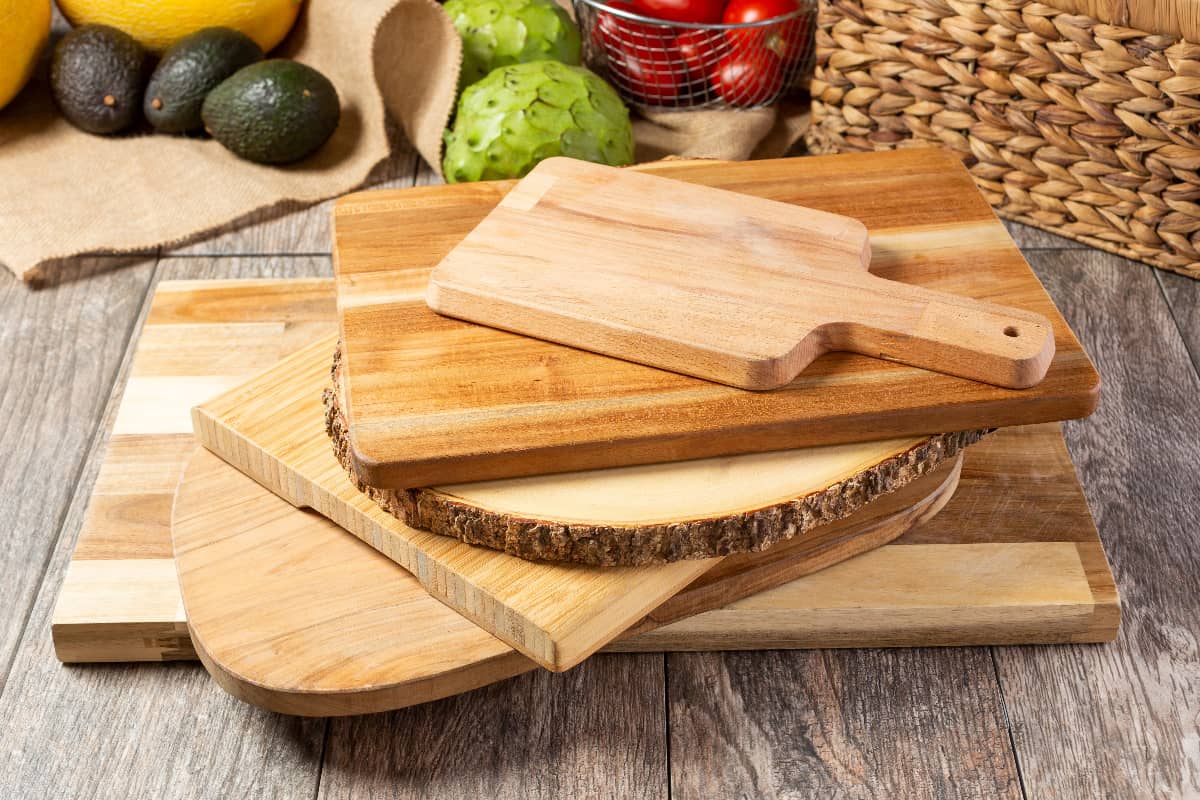
Cutting boards need to handle knives well. Hard woods like maple and oak are common for cutting boards. They resist deep cuts and are safe for knives. Plastic boards are popular too. They are easy to clean and often dishwasher safe. Some cutting boards use rubber or composite materials. These provide a soft surface that protects knives and prevents slipping. The material choice depends on how much cutting and cleaning the board will face.

Credit: thymeforthetable.com
Design And Aesthetic
The design and aesthetic of boards play a big role in their use and appeal. Both charcuterie and cutting boards have unique styles. These styles suit different needs and settings.
Charcuterie boards often focus on beauty and presentation. Cutting boards focus more on practicality and durability. Understanding these differences helps choose the right board for the right purpose.
Visual Appeal Of Charcuterie Boards
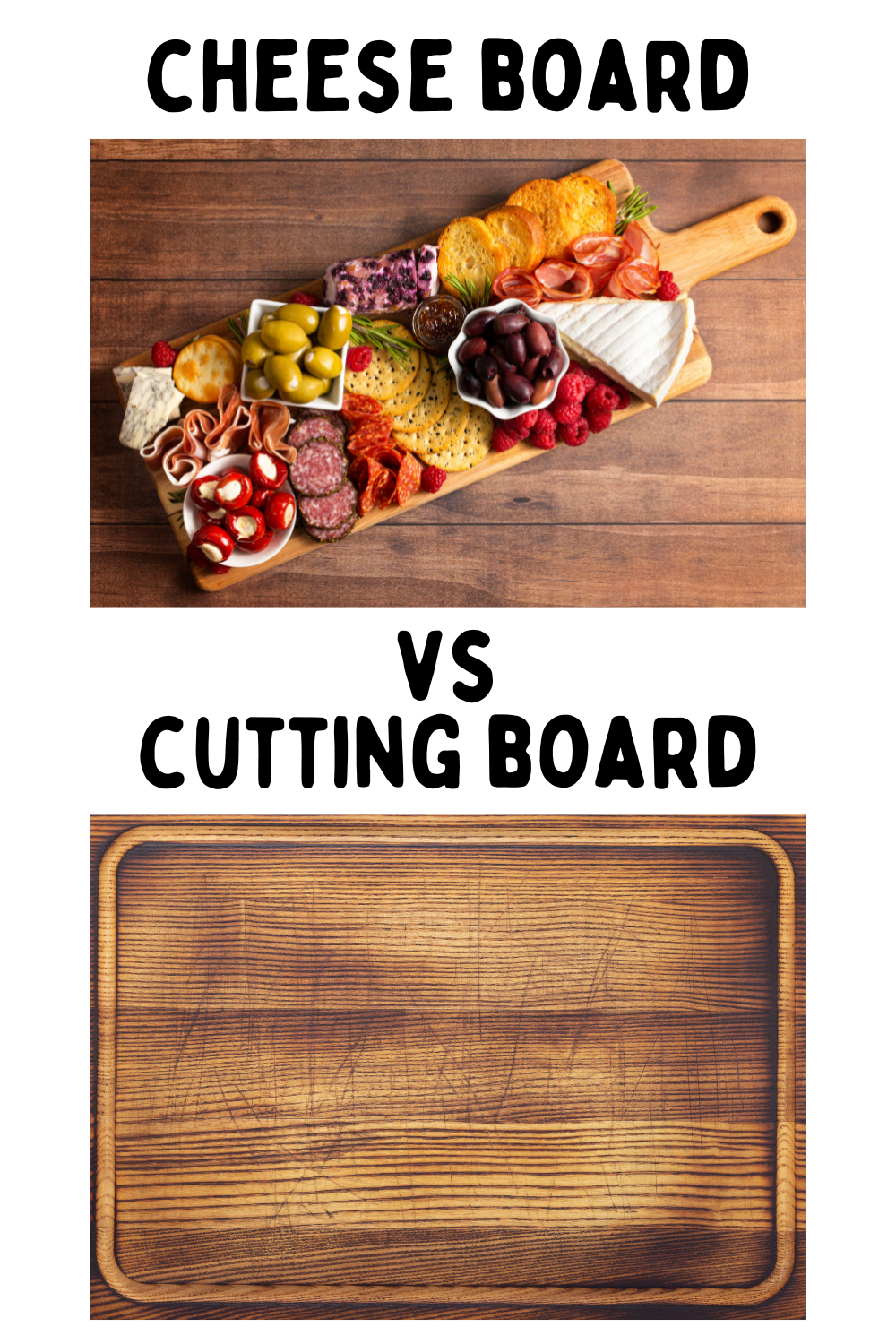
Charcuterie boards are made to impress. They often feature rich wood grains and smooth finishes. The shapes can be round, rectangular, or even artistic. These boards highlight the food arranged on them. They create a warm, inviting atmosphere. Colors and textures of meats and cheeses stand out better. The board itself becomes part of the overall display. Many charcuterie boards include handles or carved details. These features add charm and style. They turn simple food serving into a special event.
Functional Design Of Cutting Boards
Cutting boards focus on strength and function. They are usually thicker and heavier. This helps protect countertops and knives during cutting. Many cutting boards have juice grooves to catch liquids. Non-slip feet keep the board steady on surfaces. Materials like bamboo or plastic make cleaning easy. The shape is often simple, with fewer decorations. This design supports daily kitchen tasks. Cutting boards are built to last and handle heavy use. Their look is plain but practical, serving a clear purpose.
Maintenance And Care
Maintaining your boards properly keeps them clean and safe for food use. Good care also extends their life and keeps them looking fresh. Different boards need different cleaning methods to avoid damage. Knowing how to clean each type helps protect your investment.
Cleaning Charcuterie Boards
Charcuterie boards often have a smooth, polished surface. Clean them with a soft cloth and warm, soapy water. Avoid soaking the board in water. Wipe dry immediately to stop warping or cracking. Use mineral oil monthly to keep the wood hydrated and shiny. Do not use harsh chemicals or dishwasher machines.
Cleaning Cutting Boards
Cutting boards face more wear from knives and food. Clean them thoroughly with hot water and dish soap after each use. Scrub gently to remove food particles. Rinse well and dry with a towel. For deeper cleaning, use a mixture of vinegar and water or sprinkle salt and rub with a lemon. Avoid leaving cutting boards wet or in direct sunlight.
Longevity And Durability
Charcuterie boards last longer with gentle use and regular oiling. They are less prone to deep cuts but need care to avoid stains. Cutting boards need more attention because knives create grooves. These grooves can harbor bacteria if not cleaned well. Using separate boards for raw and cooked foods also helps. Proper care keeps both boards strong and safe for years.
Size And Shape Variations
Size and shape play a big role in choosing between a charcuterie board and a cutting board. Each type has unique designs that serve different needs. Understanding these differences helps pick the right board for your kitchen or serving style.
Typical Charcuterie Board Sizes
Charcuterie boards often come in larger sizes. They range from 12 inches to 24 inches in length. Width usually falls between 8 inches and 14 inches. Many have irregular or artistic shapes to add style. This makes them perfect for arranging meats, cheeses, and fruits.
Some charcuterie boards include sections or grooves. These help keep different foods separate. The larger surface allows a beautiful food display. It also offers enough space for serving multiple guests.
Typical Cutting Board Sizes
Cutting boards come in various sizes too, but generally smaller than charcuterie boards. Common lengths range from 8 inches to 18 inches. Width usually matches length proportionally. Most cutting boards have a simple rectangular or square shape.
They focus on functionality and durability. Some cutting boards are thin and light for easy handling. Others are thick and heavy for stability while cutting. Many feature juice grooves to catch liquids during food prep.
Using Charcuterie Boards For Cutting
Charcuterie boards look beautiful and stylish on any table. Many wonder if these boards can also work as cutting boards. Using them for cutting might seem practical at first. It saves time and space in the kitchen.
Yet, charcuterie boards are made for serving, not heavy chopping. Their materials and design differ from regular cutting boards. This affects how well they handle knives and cutting tasks.
Potential Risks And Damage
Cutting on charcuterie boards can cause scratches and dents. These marks spoil their smooth, polished surface. The damage makes the board less attractive for serving food.
Some charcuterie boards use soft woods or materials. These wear down quickly under knife pressure. The board’s lifespan shortens with regular cutting use.
Knife blades may dull faster when used on harder, uneven surfaces. This adds extra cost for sharpening or replacing knives. Also, deep cuts in the board can trap bacteria. This affects food safety and hygiene.
When To Avoid Using Them As Cutting Boards
Avoid cutting on charcuterie boards when you need a clean cut. Tasks like slicing meat or chopping vegetables demand a sturdy board. Using a proper cutting board prevents damage and keeps knives sharp.
Do not use charcuterie boards for heavy chopping or pounding. These actions stress the board and cause cracks or breaks. Save these boards for light slicing or serving only.
If you want your charcuterie board to last long, keep it away from cutting tasks. Use separate cutting boards designed for kitchen prep work. This helps maintain both your tools and food presentation.
Choosing The Right Board For Your Needs
Choosing the right board matters for your kitchen and dining needs. Each board has its own use and style. Picking the best one helps in food prep and presentation.
Think about how you plan to use the board. This helps narrow down your options. The right choice saves time and adds beauty to your meals.
Factors To Consider
First, consider the board’s main purpose. Cutting boards are made for chopping and slicing. Charcuterie boards are designed for serving meats and cheeses. Material is important. Wood is gentle on knives but needs care. Plastic is easy to clean and more durable. Size matters too. Bigger boards offer more space but take more storage room.
Budget And Style Preferences
Boards come in many price ranges. Simple plastic boards cost less. Fancy wooden boards or marble ones cost more. Choose a board that fits your budget. Style is key for charcuterie boards. They often have a polished look for serving guests. Cutting boards focus more on function than style. Pick a style that matches your kitchen and taste.
Credit: www.asparkleofgenius.com
Frequently Asked Questions
What Is The Main Difference Between Charcuterie And Cutting Boards?
A charcuterie board is designed for serving meats and cheeses stylishly. A cutting board is mainly used for food preparation and chopping ingredients safely.
Can I Use A Cutting Board As A Charcuterie Board?
Yes, you can use a cutting board for serving, but it may lack the aesthetic appeal and specific features of a charcuterie board.
Which Material Is Better For Charcuterie Boards?
Wood and bamboo are popular for charcuterie boards due to their natural look and food-safe properties. They also resist knife marks well.
Are Cutting Boards Safe For Serving Food Directly?
Cutting boards can harbor bacteria if not cleaned properly. Charcuterie boards are often treated or finished to be food-safe for direct serving.
Conclusion
Choosing between a charcuterie board and a cutting board depends on your needs. Charcuterie boards suit serving snacks and small bites. Cutting boards are best for food prep and chopping. Both come in various shapes and materials. Think about how you will use the board most.
A good choice makes cooking and serving easier. Keep your kitchen simple with the right board. Enjoy your meals with the perfect tool.