Last Updated on July 22, 2026
Are you confused about which knife to reach for in the kitchen—your utility knife or your paring knife? Choosing the right tool can make your cooking faster, safer, and more enjoyable.
Both knives look similar but serve very different purposes. Knowing when to use each one can save you time and effort, and even improve the taste and presentation of your meals. Keep reading to discover the key differences between a utility knife and a paring knife, so you can master your kitchen skills with confidence.

Credit: sharpedgeshop.com
Knife Types And Uses
Choosing the right knife makes cooking easier and safer. Utility knives and paring knives serve different roles in the kitchen. Understanding their types and uses helps you pick the best tool for each task. Both knives have unique features designed for specific cutting jobs. Knowing these features improves your cooking experience.
Features Of Utility Knives
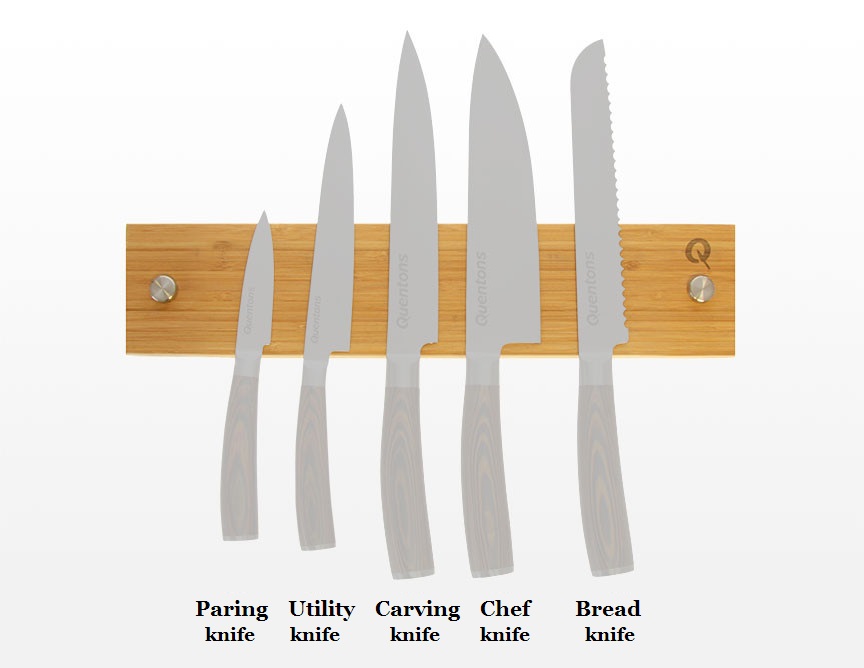
Utility knives have a medium-length blade, usually 4 to 7 inches long. The blade is narrow and straight, with a sharp tip. This design allows for versatile cutting and slicing. The handle is sturdy and offers a good grip. Utility knives can handle tougher foods but still provide precision. They work well with meats, vegetables, and sandwiches.
Features Of Paring Knives
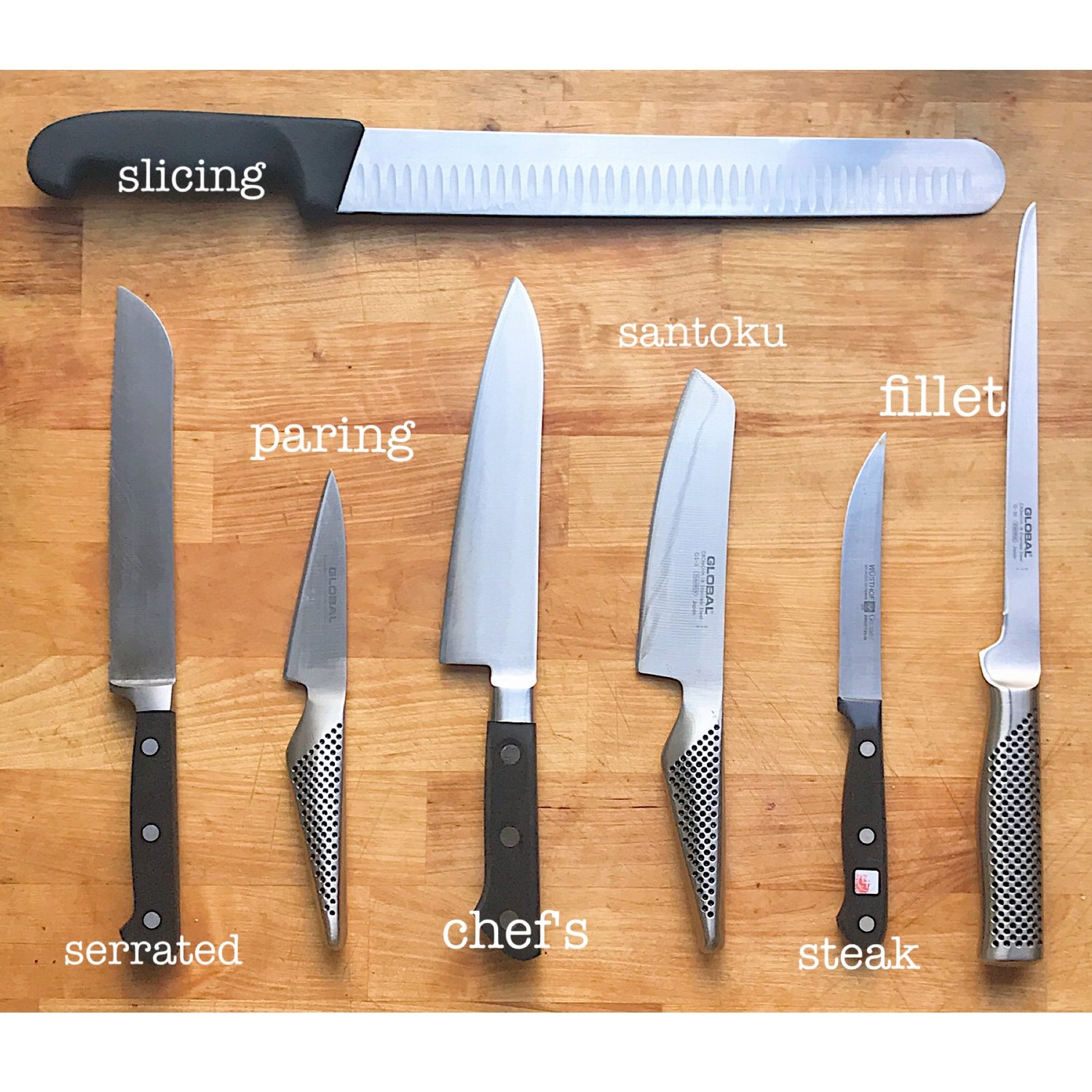
Paring knives have a small blade, about 2 to 4 inches long. The blade is thin and pointed for detail work. Their lightweight design makes them easy to control. Paring knives are perfect for peeling, trimming, and intricate cuts. The handle is small and fits comfortably in the hand. These knives excel in delicate kitchen tasks.
Common Tasks For Each Knife
Utility knives slice fruits, cut sandwiches, and trim meat. They perform well with medium-sized foods. Paring knives peel apples, devein shrimp, and cut small garnishes. They handle detailed work better than utility knives. Using each knife for its task saves time and effort. It also keeps your knife sharp longer.
Blade Design And Size
The blade design and size are key to understanding the difference between a utility knife and a paring knife. Each knife serves a unique purpose in the kitchen. Their blade features affect how they cut and handle food. Knowing these differences helps you pick the right knife for your task.
Blade Length Comparison
Utility knives usually have blades between 4 and 7 inches long. This length allows them to cut medium-sized items easily. Paring knives have shorter blades, around 2 to 4 inches. Their small size makes them perfect for detailed work like peeling and trimming.
Blade Shape Differences
Utility knives have a straight edge with a pointed tip. This shape helps with slicing and cutting through various foods. Paring knives have a curved edge and a sharp, narrow tip. This design allows for precise control when working on small or delicate items.
Material And Sharpness
Both knives are usually made from stainless steel or high-carbon steel. These materials keep the blades sharp and rust-resistant. Paring knives often have thinner blades to make fine cuts. Utility knives have thicker blades for durability during tougher jobs.
Handling And Control
Handling and control are key when choosing between a utility knife and a paring knife. These tools differ in how they feel in your hand and how easy they are to use. Good handling helps you cut safely and accurately. It also makes your work faster and more comfortable.
Grip Styles
Utility knives usually have a longer handle. This allows a firm grip with the whole hand. You can hold it like a hammer or with a pinch grip. Paring knives are smaller. They fit well between your fingers and thumb for precise control. The grip is closer to the blade, which helps with detailed tasks.
Maneuverability In Cutting
Utility knives move smoothly for medium-size cuts. They work well for slicing fruits, vegetables, and small meats. Paring knives excel in tight spaces. Their small blade turns easily. You can peel, trim, and shape food with ease. Both knives offer good control but suit different cutting needs.
Comfort And Safety
Comfort depends on the handle shape and size. Utility knives may feel heavy after long use. Paring knives are lighter and less tiring. Safety improves with a steady grip and good blade control. Both knives should be sharp to reduce slipping. A dull blade can cause accidents more than a sharp one.
Cutting Techniques
Cutting techniques differ based on the knife you use. Utility knives and paring knives serve different purposes in the kitchen. Each knife excels in specific tasks. Understanding these differences helps you use them better.
Precision Tasks
Paring knives are perfect for precision work. Their small, sharp blades help with detailed cuts. They handle delicate jobs like deveining shrimp or cutting small fruits. Utility knives are less suited for these tasks because of their larger size.
Peeling And Trimming
Peeling fruits and vegetables requires control and sharpness. Paring knives shine in this area. Their curved blades follow the shape of the food well. Utility knives can peel but might be harder to control for small or curved items.
Slicing And Dicing
Utility knives work best for slicing and dicing medium-sized items. Their longer blades cut through thicker vegetables and meats smoothly. Paring knives can slice too, but only for small or thin pieces. Use the right knife for faster, cleaner cuts.
Maintenance And Durability
Maintaining knives properly extends their life and keeps them sharp. Utility knives and paring knives need care to perform well. Understanding how to clean, sharpen, and store them helps keep these tools ready for use. Durability depends on material quality and how you treat the knives daily.
Sharpening Tips
Use a sharpening stone or a manual sharpener for best results. Hold the knife at a 20-degree angle while sharpening. Make gentle, even strokes to avoid damaging the blade. Sharpen utility knives more often due to their frequent use. Paring knives need careful sharpening to maintain their fine edge.
Cleaning Methods
Wash knives by hand with warm, soapy water right after use. Avoid putting knives in the dishwasher as it dulls the blade. Dry knives immediately to prevent rust and spots. Store knives in a block or on a magnetic strip to protect the edges. Never soak knives for long periods, as this can damage handles.
Longevity Factors
Choose knives made from high-quality stainless steel for longer life. Proper storage prevents blade dulling and handle damage. Avoid cutting on hard surfaces like glass or granite. Regular maintenance, such as sharpening and cleaning, keeps knives in good shape. Using the right knife for the task reduces wear and tear.
Credit: finoak.com
Choosing The Right Knife
Choosing the right knife for your kitchen is important. The right tool makes cooking easier and safer. You want a knife that fits your needs and feels comfortable in your hand. Two popular choices are the utility knife and the paring knife. Each has unique uses and benefits. Understanding these can help you pick the best knife for your kitchen tasks.
Kitchen Needs Assessment
Think about the tasks you do most in the kitchen. A utility knife works well for cutting sandwiches, slicing fruits, and chopping vegetables. It handles medium-sized jobs with ease. A paring knife is smaller and best for peeling, trimming, and detailed work. If you prepare a lot of fruits or small items, a paring knife can be very useful. Choose the knife that matches your daily cooking style.
Budget Considerations
Knives come in many price ranges. Utility knives often cost more than paring knives due to their size. Set a budget before shopping. It is possible to find good quality knives at affordable prices. Think about how much you want to spend and what features matter most. Buying one quality knife is better than several low-quality ones.
Versatility And Preference
Some cooks prefer one knife over the other for many tasks. A utility knife offers more versatility in the kitchen. It can replace some tasks done by a paring knife. But a paring knife provides control and precision for small jobs. Personal comfort and grip matter a lot. Test both types if possible. Your choice should feel natural and easy to use.
Credit: newfoodtuesdayz.com
Frequently Asked Questions
What Is The Main Difference Between Utility And Paring Knives?
A utility knife is medium-sized for versatile tasks, while a paring knife is small for precision work. Utility knives handle slicing and cutting, whereas paring knives excel at peeling and trimming fruits or vegetables.
Which Knife Is Best For Peeling Fruits And Vegetables?
A paring knife is ideal for peeling due to its small, sharp blade. It offers better control for detailed work compared to a utility knife.
Can A Utility Knife Replace A Paring Knife?
Utility knives can perform some paring tasks but lack the precision of paring knives. For detailed cutting, a paring knife is more effective.
What Tasks Suit A Utility Knife Better Than A Paring Knife?
Utility knives are better for slicing sandwiches, cutting meat, and chopping medium-sized fruits. They handle tougher jobs that require a longer blade.
Conclusion
Choosing between a utility knife and a paring knife depends on your needs. Utility knives handle medium tasks well, like slicing fruits or small vegetables. Paring knives work best for detailed jobs, such as peeling or trimming. Both knives have unique roles in the kitchen.
Using the right knife makes cooking easier and safer. Keep your knives sharp for better results. Remember, simple tools can make big differences in your cooking experience. Select the knife that fits your task, and enjoy preparing your meals.