Last Updated on July 22, 2026
If you’re looking for a knife that combines strength, precision, and timeless style, the Damascus cleaver knife might be exactly what you need. Imagine effortlessly slicing through tough meat or chopping vegetables with a blade that stays sharp longer than most.
This knife isn’t just a tool—it’s an experience that can transform your cooking. Keep reading to discover why the Damascus cleaver knife deserves a spot in your kitchen and how it can make your meal prep easier and more enjoyable.
Credit: senkenknives.com
What Makes Damascus Cleavers Unique
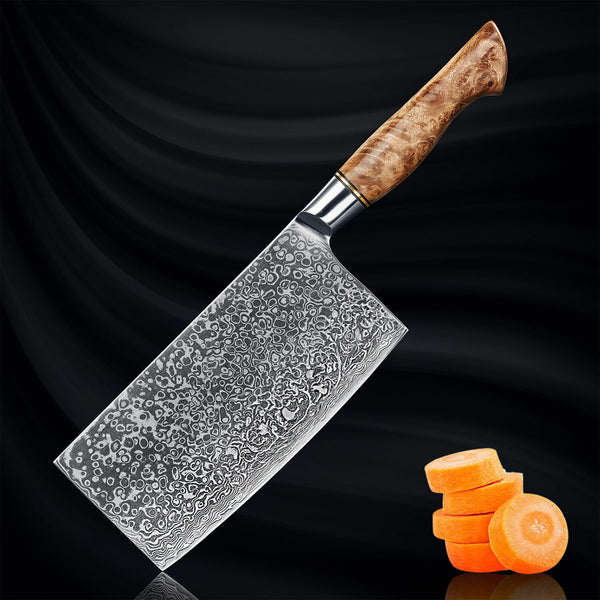
Damascus cleavers stand out from other knives because of their special steel and design. They offer strength, sharpness, and beauty all in one tool. These cleavers are not just kitchen tools; they are pieces of art with a rich history.
The uniqueness comes from how the steel is made and the patterns that form on the blade. This makes each cleaver different and highly valued by cooks and collectors alike.
Origins Of Damascus Steel
Damascus steel dates back to ancient times. It was first made in the Middle East around 300 BC. The steel was famous for its strength and ability to keep a sharp edge.
The original method of making Damascus steel was lost over time. Today’s makers use modern techniques to recreate the look and feel. They layer different types of steel and forge them together.
This process creates a blade that is both tough and flexible. It can cut through tough ingredients with ease. The tradition and skill behind Damascus steel make these cleavers special.
Distinctive Patterns Explained
The patterns on Damascus cleavers look like flowing water or waves. These patterns come from the layers of steel forged together. Each fold creates unique lines and swirls.
These patterns are not just for looks. They show the craftsmanship behind the blade. The more detailed the pattern, the more skill was used to make it.
Because of this layering, the blade is strong and resists damage. The design helps keep the edge sharp longer than regular steel. The beauty and function of these patterns make Damascus cleavers highly prized.
Sharpness Factors
The sharpness of a Damascus cleaver knife depends on several key factors. These factors affect how well the blade cuts and how long it stays sharp. Understanding these elements helps you appreciate the skill behind each knife.
Blade Geometry And Edge Angle
The shape of the blade plays a big role in sharpness. A thinner blade cuts more easily through food. The edge angle is the angle at which the blade is sharpened. Smaller angles make the blade sharper but less durable. Larger angles give more strength but less sharpness. Damascus cleavers balance these angles for excellent cutting and lasting sharpness.
Steel Composition And Hardness
Damascus steel is made by layering different types of steel. This mix gives the blade unique strength and flexibility. Hardness measures how tough the steel is. Harder steel holds a sharper edge longer. Soft steel is easier to sharpen but loses sharpness quickly. The right mix in Damascus cleavers creates a strong, sharp blade that stays sharp for a long time.
Durability Features
Durability is a key feature of the Damascus cleaver knife. This knife is made to last through tough kitchen tasks. Its strength and resilience come from special materials and design techniques. These features help the knife stay sharp and strong over time. They also protect it from damage and wear.
Layered Steel Benefits
Damascus cleaver knives use layered steel. Thin layers of different metals are folded together. This process creates a strong, flexible blade. The layers help prevent cracks and breaks. The steel also holds a sharp edge longer. This means less frequent sharpening. The layered design adds toughness without making the knife heavy.
Corrosion Resistance Qualities
The steel layers in Damascus knives resist rust well. Special metals in the layers form a natural shield. This shield stops moisture from damaging the blade. Corrosion resistance keeps the knife looking good. It also helps keep the blade clean and safe. A corrosion-resistant knife lasts longer in any kitchen environment.

Credit: www.amazon.com
Care And Maintenance Tips
The Damascus cleaver knife is a valuable tool for any kitchen. Caring for it properly keeps it sharp and lasting long. Simple steps help maintain its beauty and performance. Follow these tips to protect your investment and enjoy smooth cutting every time.
Proper Cleaning Techniques
Clean the knife right after use. Use warm water and mild soap. Avoid harsh detergents or strong scrubbing pads. Dry the blade immediately with a soft cloth. Never leave the knife soaking in water. This prevents rust and damage to the blade pattern.
Sharpening Methods For Longevity
Keep the blade sharp using a whetstone or sharpening rod. Use gentle, even strokes at a consistent angle. Avoid electric sharpeners as they can wear down the blade quickly. Sharpen the knife regularly to maintain its edge. A sharp blade is safer and easier to use.
Storage Recommendations
Store the cleaver in a dry place. Use a knife block, magnetic strip, or blade guard. Avoid tossing it in a drawer with other utensils. Proper storage protects the blade from chips and dulling. It also keeps the knife safe and ready for use.
Choosing The Right Damascus Cleaver
Choosing the right Damascus cleaver can make a big difference in your kitchen. The cleaver should feel comfortable and suit your cooking style. Picking the best one means looking at size, handle, and price. These factors help find a cleaver that works well and lasts long.
Each cleaver is unique, so understanding what matters most is key. This guide helps you decide on the perfect Damascus cleaver for your needs.
Size And Weight Considerations
The size of the cleaver affects how you cut food. Larger blades chop through bones easily. Smaller blades offer more control for delicate tasks.
Weight is also important. A heavy cleaver gives power but can tire your hand fast. A lighter cleaver is easier to handle but may need more effort to chop hard items. Choose a size and weight that feel natural when you hold it.
Handle Materials And Grip
The handle should feel secure and comfortable. Common materials include wood, plastic, and composite. Wood handles look classic and offer a warm feel. Plastic handles are easy to clean and resist water well.
A good grip prevents slipping while you work. Textured or shaped handles help keep control. Make sure the handle fits your hand size and shape for safe cutting.
Price Vs Quality
Price often reflects the quality of the Damascus cleaver. Higher quality knives use better steel and craftsmanship. These cleavers stay sharp longer and resist rust.
Lower-priced cleavers may cut well but lose sharpness quickly. Consider how often you cook and what tasks you do. Investing in a good quality cleaver can save money over time.
Popular Uses In Kitchen And Beyond
The Damascus cleaver knife is prized for its strength and sharpness. It works well in many kitchen tasks and beyond. Its unique pattern and sturdy build make it a versatile tool for cooks and outdoor enthusiasts.
Cutting And Chopping Efficiency
The Damascus cleaver excels at cutting and chopping. Its wide blade can handle tough vegetables and meat easily. The sharp edge slices cleanly, reducing effort and time. It also helps in mincing herbs and crushing garlic. The knife’s balance makes it comfortable to use for long periods. This efficiency saves energy in busy kitchens.
Outdoor And Specialty Applications
This cleaver is useful outside the kitchen too. Campers and hunters use it for cutting wood and preparing game. The strong blade stands up to hard tasks without damage. It can also be used for crafting and DIY projects. Its durability and sharpness make it reliable in different environments. A Damascus cleaver is a handy tool for many outdoor jobs.
Common Myths And Facts
The Damascus cleaver knife is surrounded by many myths. Some stories confuse buyers about its real qualities. Knowing the facts helps to choose the right knife. This section clears up common misunderstandings.
Debunking Sharpening Misconceptions
Many believe Damascus knives are hard to sharpen. This is not true. The layered steel actually holds an edge well and sharpens easily. Basic sharpening tools work fine. Regular care keeps the blade sharp for a long time. No special skills are needed to maintain it.
Clarifying Durability Claims
Some say Damascus cleavers break quickly due to their pattern. The pattern is only on the surface and does not weaken the blade. Quality Damascus steel is tough and lasts many years. Proper use and care prevent damage. This knife is reliable for heavy kitchen tasks.

Credit: whitehillsknives.com
Frequently Asked Questions
What Makes Damascus Cleaver Knives Special?
Damascus cleaver knives feature layered steel, offering strength, sharpness, and unique patterns. They combine durability with excellent cutting performance, ideal for kitchen use.
How Do You Maintain A Damascus Cleaver Knife?
Clean your Damascus cleaver with mild soap and dry immediately. Regularly oil the blade to prevent rust and sharpen it with a whetstone for best results.
Are Damascus Cleaver Knives Suitable For Heavy-duty Chopping?
Yes, Damascus cleaver knives are ideal for heavy chopping. Their strong, layered steel construction handles tough tasks like cutting bones and thick vegetables efficiently.
Can Damascus Cleaver Knives Resist Rust And Corrosion?
Properly maintained Damascus cleaver knives resist rust due to high-quality steel. However, regular cleaning, drying, and oiling are essential to prevent corrosion and extend blade life.
Conclusion
A Damascus cleaver knife offers strength and sharpness for many tasks. Its unique blade design helps cut through meat and bones with ease. The knife feels balanced and comfortable in your hand. It lasts long with proper care and sharpening.
This tool suits home cooks and professionals alike. Choosing a Damascus cleaver means investing in quality and style. A good knife makes cooking safer and more enjoyable. Consider this knife for your kitchen collection today.