Last Updated on July 22, 2026
When it comes to enjoying a perfect steak, the knife you use can make all the difference. You might wonder whether a serrated or non-serrated steak knife is the right choice for your dinner table.
Each type has its own strengths, and choosing the wrong one could mean struggling to cut your meat or losing flavor. You’ll discover which steak knife suits your needs best, helping you slice through your meals with ease and style.
Keep reading to make sure your next steak experience is nothing short of excellent.

Credit: prudentreviews.com
Blade Design Differences
Steak knives come with different blade designs that affect how they cut. The choice between serrated and non-serrated blades depends on the cutting style and the food texture. Understanding these blade design differences helps choose the right knife for your needs.
Serrated Edge Features
Serrated blades have small teeth along the edge. These teeth grip the meat, making it easier to cut through tough or chewy pieces. The design helps saw through food without needing much force.
Serrated knives stay sharp longer because the teeth protect the blade. They work well on steaks with crusts or grilled marks. Cutting with a serrated knife feels smooth and controlled.
Non-serrated Edge Features
Non-serrated blades have a smooth, straight edge. They slice cleanly and give precise cuts. This type works best on tender meat where a clean cut is important.
The smooth edge allows for better control and easier sharpening. Non-serrated knives can also cut vegetables and fruits with ease. They offer a classic look and feel in the kitchen.

Credit: fnsharp.com
Cutting Performance
Cutting performance is key when choosing between serrated and non-serrated steak knives. It affects how easily you slice meat and how neat your cuts look. The right knife makes eating steak more enjoyable and less messy.
Each type of knife offers different benefits depending on the meat and your cutting style. Understanding these differences helps pick the best knife for your needs.
Effectiveness On Different Meats
Serrated knives work well on tougher meats with a crust or a thick outer layer. Their teeth grip the meat and cut through without much pressure. This reduces slipping and tearing.
Non-serrated knives shine on tender meats. They slice cleanly and smoothly through soft textures. This preserves the meat’s juices and keeps slices neat.
Steak with a crispy edge or char benefits from serrated knives. Tender cuts like filet mignon are easier to handle with non-serrated blades.
Precision And Control
Non-serrated knives offer more control. Their smooth edges allow precise, thin cuts. This is helpful when slicing delicate or thin pieces of meat.
Serrated knives require less force but can be harder to control. Their teeth create a sawing motion that may cause uneven cuts. For some, this feels less natural.
Choosing between serrated and non-serrated depends on how much control you want while cutting. Precision matters when presentation counts.
Maintenance And Durability
Maintaining steak knives ensures they stay sharp and last longer. Different blade types need different care methods. Knowing how to maintain serrated and non-serrated knives helps keep their cutting power. Durability depends on proper use and regular upkeep. This section explores these factors in detail.
Sharpening Challenges
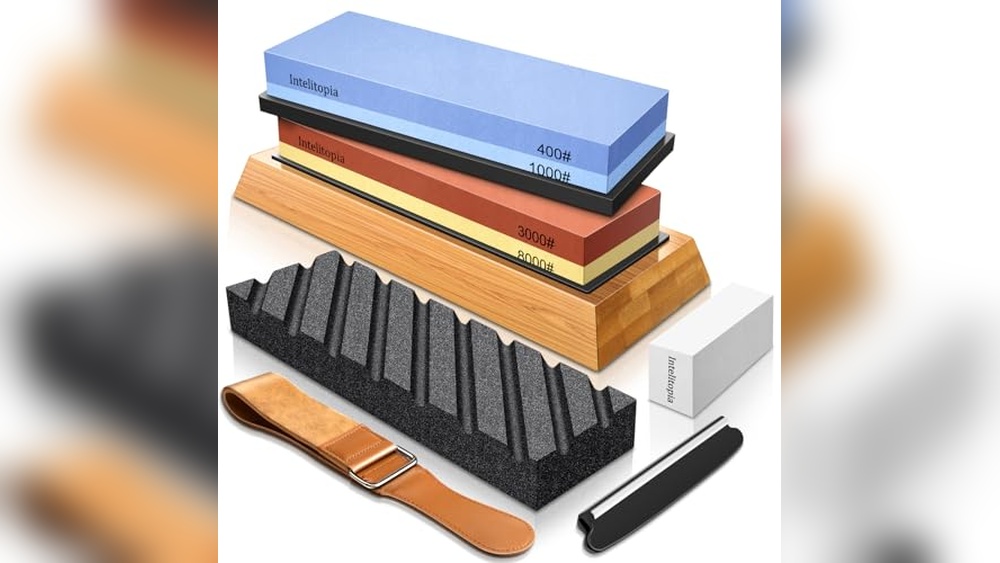
Serrated knives are harder to sharpen than smooth blades. Their teeth need special tools for proper sharpening. Not all sharpeners work well on serrated edges. Non-serrated knives sharpen easily with common sharpening stones. They require less skill and time to maintain sharpness. Poor sharpening can damage both types of blades.
Longevity Of Edges
Serrated edges stay sharp longer without frequent sharpening. Their teeth cut through tough meat efficiently. Non-serrated knives lose sharpness faster with regular use. They need more frequent sharpening to keep a clean cut. Proper storage and cleaning extend the life of both blades. Avoid cutting on hard surfaces to protect edges.
Comfort And Safety
Comfort and safety are key factors when choosing between serrated and non-serrated steak knives. A knife that feels good in your hand and reduces the chance of injury makes your meal more enjoyable. Both types have different designs that affect how you hold and use them.
Ergonomics And Grip
Serrated knives often have textured blades that can help keep food from slipping. Their handles are usually designed for a firm grip. This design helps reduce hand strain during cutting. Non-serrated knives tend to have smoother blades and handles. They require more pressure but offer precise cuts. Ergonomic handles on either type improve comfort. A good grip helps control the knife better while cutting steak.
Risk Of Injury
Serrated knives cut with a sawing motion, which might cause less slipping. This lowers the chance of accidental cuts. However, their sharp teeth can cause deep cuts if mishandled. Non-serrated knives need more force but can slip more easily. Slips may lead to cuts on fingers or hands. Always use knives carefully and store them safely. Proper use and grip reduce injury risk significantly.
Price And Value
Price and value play important roles when choosing steak knives. People want sharp knives that last long without spending too much. Understanding the cost and worth of serrated and non-serrated knives helps make a smart choice.
Cost Comparison
Serrated steak knives usually cost less than non-serrated ones. Their blades are easier to make, which lowers prices. Non-serrated knives often have higher-quality steel and sharper edges. This raises their price but can improve cutting performance. Budget buyers often pick serrated knives for good value. Those wanting precision may invest more in non-serrated types.
Long-term Investment
Non-serrated knives need regular sharpening to stay effective. This can mean extra costs for sharpening tools or services. Serrated knives keep their edges longer without sharpening. They may save money over time due to less maintenance. Both types can last many years if taken care of. Choosing the right knife depends on how much effort and money one wants to spend over time.

Credit: www.youtube.com
Best Uses For Each Type
Choosing between serrated and non-serrated steak knives depends on how and where you plan to use them. Each type offers unique benefits that suit different cutting tasks. Understanding the best uses helps you pick the right knife for your needs.
Home Dining
Serrated steak knives are great for home use. They cut through tough meat without much effort. The teeth on the blade grip the steak’s surface. This makes slicing easier, especially for cooked or grilled steaks.
Non-serrated knives work well with tender cuts. They provide smooth, clean cuts. These knives help keep the steak’s juices inside. They also work well for slicing other foods like vegetables.
Professional Kitchens
Chefs in professional kitchens prefer non-serrated knives. These knives offer precision and control. They help create uniform slices, important for presentation. The sharp, smooth edge cuts through meat without tearing.
Serrated knives see less use in professional kitchens. They are useful for tougher meats or when quick cutting is needed. However, chefs often sharpen non-serrated knives more often to maintain sharpness.
User Preferences And Trends
User preferences for steak knives show clear trends over time. People choose knives based on ease of use, cutting style, and maintenance. Some prefer serrated edges for their ability to cut through tough meat easily. Others favor non-serrated blades for smooth, clean cuts.
Trends also vary by region and dining habits. Home cooks often select knives that match their cooking style. Restaurants may pick knives for durability and sharpness. Understanding these preferences helps in choosing the right knife for different needs.
Popular Choices
Serrated steak knives are popular for their tough cutting power. Their saw-like edges grip meat, making slicing easier. Many users like them for cutting steaks with crispy crusts or grilled marks.
Non-serrated knives attract those who want clean, precise cuts. They work well on tender cuts of meat and allow more control. These knives often require regular sharpening but give a smooth finish.
Overall, serrated knives lead in casual dining, while non-serrated options appeal to chefs and serious cooks.
Consumer Feedback
Users often praise serrated knives for lasting sharpness without frequent sharpening. They mention less effort needed to cut thick steaks. Some find serrated edges harder to clean properly.
Non-serrated knife users enjoy the clean cuts and versatility. Many say these knives feel balanced and sharp. They note the need for proper sharpening tools and care.
Feedback shows that personal comfort and cutting style influence knife preference greatly.
Frequently Asked Questions
What Are The Main Differences Between Serrated And Non-serrated Steak Knives?
Serrated knives have saw-like edges that cut through tough meat easily. Non-serrated knives have smooth blades for cleaner, precise cuts. Serrated knives work well on crusty or fibrous meat, while non-serrated knives offer better control for tender cuts.
Which Steak Knife Type Is Better For Everyday Use?
Non-serrated steak knives are better for everyday use. They provide clean, smooth cuts and are easier to sharpen. Serrated knives are ideal for specific tasks like cutting tougher meats or crusty surfaces but require less frequent sharpening.
Can Serrated Knives Be Sharpened Like Non-serrated Knives?
Serrated knives need special sharpening tools and techniques. They cannot be sharpened like flat, non-serrated blades. Non-serrated knives are easier to maintain and sharpen regularly with standard sharpening stones or tools.
Do Serrated Knives Damage Steak Texture More Than Non-serrated?
Yes, serrated knives may cause more tearing in steak texture. Non-serrated knives slice cleanly, preserving the meat’s integrity. For tender steaks, non-serrated knives maintain juiciness and presentation better than serrated ones.
Conclusion
Choosing between serrated and non-serrated steak knives depends on your needs. Serrated knives cut through tough meat easily. Non-serrated knives give a cleaner cut and feel sharp. Both have their place in the kitchen. Think about the type of steak you eat most.
Also, consider how much effort you want to use while cutting. A good knife makes your meal more enjoyable. Try both types to see which suits you best. Keep your knives sharp for best results. Simple tools can make a big difference at the table.