Last Updated on July 22, 2026
When it comes to cutting meat, choosing the right tool can make all the difference. You might be wondering: should you reach for a meat cleaver or a butcher knife?
Each has its own strengths, and picking the wrong one can slow you down or even make your job harder. If you want to know which blade suits your needs best and how to use it like a pro, keep reading.
By the end, you’ll have a clear answer—and your next cooking session will be smoother and more efficient.
Design And Build
The design and build of meat cleavers and butcher knives differ significantly. Each tool suits a specific task in the kitchen. Understanding their design helps pick the right knife for your needs.
Blade Shape And Size
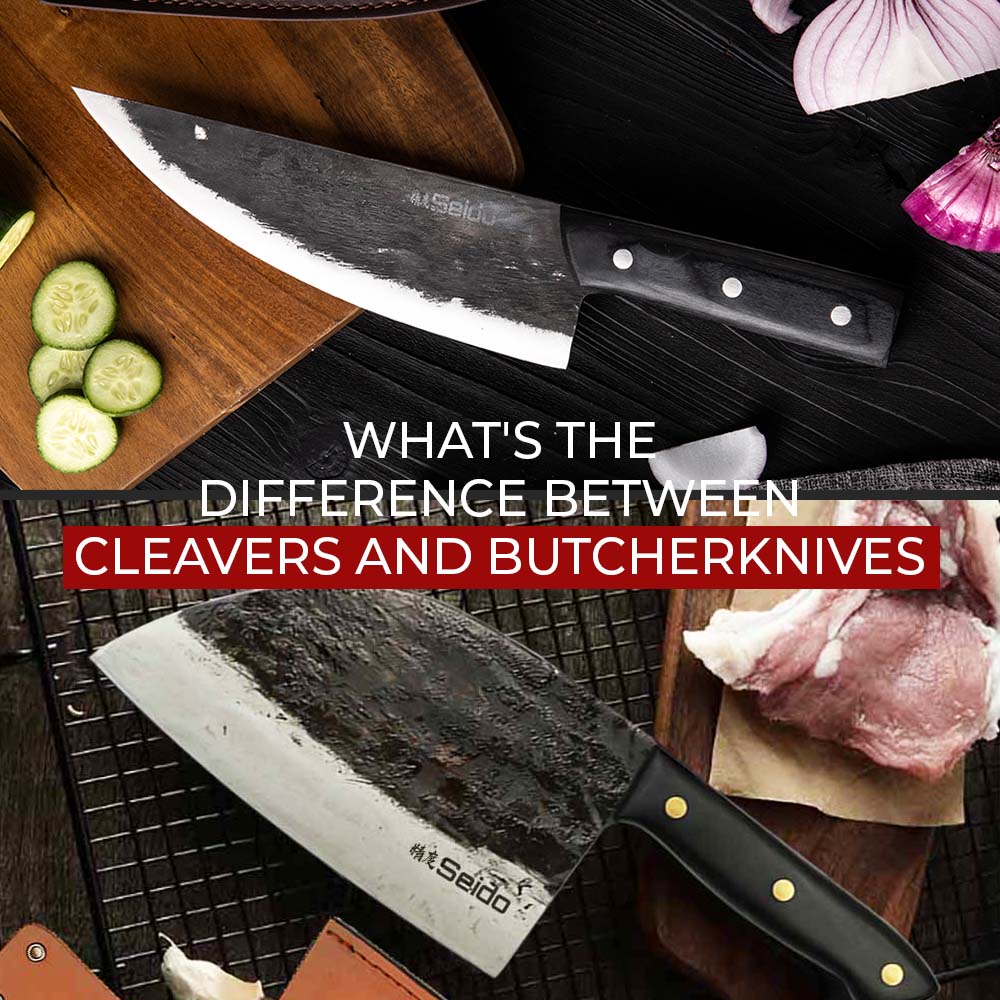
Meat cleavers have a wide, rectangular blade. This shape helps chop through bones and thick meat. Butcher knives have a thinner, curved blade. The curve aids in slicing and cutting meat smoothly. Cleaver blades are heavier and larger, adding power. Butcher knives are lighter and more precise.
Handle Comfort And Grip
Cleaver handles are sturdy and thick for a strong grip. They offer control when chopping hard items. Butcher knife handles are slimmer and shaped to fit the hand. This design helps with long, careful cuts. Both handles often have textured surfaces to prevent slipping.
Material And Durability
Cleaver blades use tough, thick steel for durability. They resist chipping and bending during heavy use. Butcher knives use high-quality stainless steel for sharpness and rust resistance. Handles can be made from wood, plastic, or composite materials. Both knives need materials that last through frequent use.
Cutting Performance
Cutting performance is the heart of any good kitchen tool. It defines how well a knife or cleaver handles food. Each tool has unique strengths that suit different tasks. Understanding these can help you pick the right one for your needs.
Precision And Control
Butcher knives excel in precision. Their thinner, sharper blades allow careful slicing. They give you better control over each cut. This makes them perfect for trimming meat and delicate work. Meat cleavers are less precise due to their heavy blades. They focus more on force than fine detail.
Chopping Power
Meat cleavers deliver strong chopping power. Their thick, heavy blades can cut through bones and tough meat. This power lets you break down large cuts quickly. Butcher knives lack this brute strength. They are better for slicing than chopping through hard materials.
Versatility In Tasks
Butcher knives handle a wide range of tasks. From trimming fat to slicing steaks, they do it all. Meat cleavers specialize in heavy-duty chopping. They are less suited for detailed work or delicate slicing. Choosing between them depends on the tasks you do most.
Common Uses
Meat cleavers and butcher knives serve different roles in the kitchen. Each tool suits specific tasks. Understanding their common uses helps choose the right knife for the job.
Meat Cleaver Applications
Meat cleavers are heavy and strong. They cut through bones and thick meat easily. Great for breaking down large cuts of meat. Useful for chopping tough vegetables too. The flat side can smash garlic or ginger.
Butcher Knife Applications
Butcher knives have a curved blade. They slice meat with precision. Ideal for trimming fat and skin. Good for portioning steaks and roasts. Easy to control for smooth, clean cuts.
Specialty Tasks
Each knife has unique tasks. Cleavers work well for splitting bones and joints. Butcher knives handle delicate slicing and trimming. Both tools improve kitchen efficiency. Choosing the right knife saves time and effort.

Credit: www.youtube.com
Maintenance And Care
Proper maintenance and care keep your meat cleaver and butcher knife sharp and safe. Regular attention prevents damage and extends their life. Both tools need special care due to their different uses and designs.
Sharpening Techniques
Use a whetstone or sharpening steel to keep edges sharp. For a meat cleaver, sharpen both sides evenly. Butcher knives need a sharper, finer edge for precise cuts. Always follow the blade angle to avoid damage. Sharpen slowly and carefully for best results.
Cleaning Tips
Clean knives immediately after use to stop rust and stains. Wash with warm, soapy water. Avoid soaking the blades for a long time. Dry thoroughly with a soft cloth to prevent moisture buildup. Do not use harsh chemicals or abrasive pads.
Storage Recommendations
Store knives in a dry place. Use a knife block or magnetic strip to keep blades safe. Avoid tossing knives into drawers. Proper storage prevents dulling and accidents. Keep the cleaver and butcher knife separate to protect edges.
Safety Considerations
Safety is the top priority when using a meat cleaver or butcher knife. Both tools are sharp and heavy. Careless use can cause serious injuries. Understanding safety helps protect you and others around you.
Proper handling and accident prevention are key. Knowing how to hold, cut, and store these knives reduces risks. Safety habits create a safer kitchen environment.
Handling Tips
Hold the knife firmly with your dominant hand. Keep fingers away from the blade’s path. Use a stable cutting board to avoid slips. Cut with controlled, steady motions. Do not rush or apply too much force. Keep your other hand clear of the cutting area. Always cut away from your body. Store knives safely in a block or sheath.
Preventing Accidents
Keep knives sharp to avoid slips. Dull blades need more force and can slip. Clean knives immediately after use to prevent sticky handles. Avoid distractions while cutting. Focus on the task to reduce mistakes. Wear cut-resistant gloves for added protection. Keep knives out of reach of children. Regularly inspect knives for damage or wear. Replace knives that are cracked or chipped.
:max_bytes(150000):strip_icc()/cleaverdifferencesillo-01-dc89fb098b2643bca47c4de1fcbfb607.jpg)
Credit: www.seriouseats.com
Price And Value
Price and value matter a lot when choosing between a meat cleaver and a butcher knife. Both tools serve different purposes and come with different costs. It is important to understand how much you pay and what you get in return. This helps you pick the right tool for your needs.
Cost Comparison
Meat cleavers usually cost less than butcher knives. The price depends on the brand, material, and size. A basic meat cleaver can cost $20 to $50. Butcher knives often range from $40 to $100 or more. This is because they are designed for precision cutting and durability.
Cheap cleavers may not last long or cut well. Butcher knives tend to have better steel and sharp edges. You pay more for higher quality and better performance.
Long-term Investment
Buying a good butcher knife can save money over time. It stays sharp longer and needs fewer repairs. A quality meat cleaver is also durable but may need more frequent sharpening. Both tools can last years if taken care of.
Consider how often you cook and what you cut. A butcher knife may be worth the higher price for regular use. A cleaver suits heavy chopping but might wear faster. Think about value beyond the initial cost.
Expert And User Opinions
Experts and everyday users share different views on meat cleavers and butcher knives. Their opinions help us understand which tool fits specific needs better. Both tools have strengths and limits. Knowing these helps choose the right knife for your kitchen tasks.
Professional Preferences
Chefs often prefer butcher knives for their precision. These knives cut meat smoothly and cleanly. Many find butcher knives easier to control during fine cuts. Meat cleavers, though heavy, are valued for chopping through bones. Professionals use cleavers mainly for tough tasks. They often keep both knives in their kitchen. Each serves a clear purpose in meat preparation.
Home Cook Experiences
Home cooks enjoy butcher knives for daily use. These knives handle most cutting jobs well. Users say butcher knives are lighter and safer for small tasks. Some find cleavers too bulky for regular use. Cleavers work best for breaking down large meat pieces. Many home cooks keep a cleaver for special occasions. Both knives offer value depending on cooking style.
Credit: seidoknives.com
Frequently Asked Questions
What Is The Main Difference Between A Meat Cleaver And A Butcher Knife?
A meat cleaver is heavy with a broad blade for chopping bones. A butcher knife is lighter with a curved blade for slicing meat precisely.
Which Knife Is Better For Cutting Through Bones?
The meat cleaver is designed for cutting through bones due to its weight and thick blade. Butcher knives are not suitable for bones.
Can A Butcher Knife Replace A Meat Cleaver?
No, a butcher knife cannot replace a meat cleaver. It lacks the weight and blade strength to chop bones effectively.
What Tasks Are Best Suited For A Butcher Knife?
Butcher knives are ideal for trimming, slicing, and deboning meat with precision. They offer better control for delicate cuts.
Conclusion
Choosing between a meat cleaver and a butcher knife depends on your needs. Cleavers work well for cutting through bones and thick meat. Butcher knives are better for slicing and trimming. Both tools have unique strengths in the kitchen. Think about what tasks you do most often.
Pick the knife that makes your work easier and safer. Using the right tool helps you cook with confidence. Keep your blades sharp and handle them carefully. This way, you get the best results every time.