Last Updated on July 22, 2026
Choosing the right knife can make a huge difference in your cooking experience. When it comes to carbon steel vs stainless steel knives, you might feel stuck wondering which one suits your needs best.
You want a blade that stays sharp, feels comfortable, and lasts long without too much hassle. This guide will help you understand the key differences, so you can pick the perfect knife that matches your style and kitchen demands. Keep reading to discover what works for you and why it matters every time you slice or chop.
Material Composition
Understanding the material composition of knives helps you choose the right one. The type of steel affects sharpness, durability, and care needs. Carbon steel and stainless steel differ mainly in their alloy makeup.
Each type offers unique benefits based on what metals are mixed in. These differences influence how the knife performs in the kitchen.
Carbon Steel Basics
Carbon steel mainly contains iron and carbon. The carbon content usually ranges from 0.5% to 1.5%. This mix makes the blade hard and easy to sharpen. Carbon steel knives hold a sharp edge longer. They can rust or stain without proper care.
Stainless Steel Basics
Stainless steel contains iron, carbon, and at least 10.5% chromium. Chromium helps resist rust and stains. This steel is less prone to corrosion than carbon steel. It is easier to maintain but can be harder to sharpen. Stainless steel knives often last longer without frequent upkeep.
Key Differences In Alloys
Carbon steel has higher carbon, less chromium. This gives it better sharpness but less rust resistance. Stainless steel has added chromium for protection. It contains less carbon than carbon steel. Other metals like nickel or molybdenum may be added to improve toughness. These alloy changes affect knife weight, sharpness, and care.

Credit: nobliecustomknives.com
Sharpness And Edge Retention
Sharpness and edge retention define a knife’s performance. These qualities affect how well a knife cuts and how long it stays effective. Choosing between carbon steel and stainless steel means understanding their sharpness traits.
Knives need to be sharp at the start and keep their edge through use. Some steels hold an edge longer but are harder to sharpen. Others sharpen easily but lose sharpness faster. This balance matters for daily kitchen tasks.
Initial Sharpness
Carbon steel knives often come sharper from the factory. The metal allows a very fine edge. This sharpness helps with precise cutting and slicing. Stainless steel knives can also be sharp but usually not as keen as carbon steel.
How Long Edges Stay Sharp
Carbon steel holds its edge well during use. It resists dulling on many cutting tasks. Stainless steel tends to dull faster but resists rust and stains better. The edge on stainless steel knives may need more frequent sharpening.
Ease Of Sharpening
Carbon steel knives sharpen easily with most tools. Their softer nature allows quick edge restoration. Stainless steel is harder and needs special sharpeners or more effort. This can be tough for beginners or casual cooks.
Durability And Maintenance
Durability and maintenance are key when choosing between carbon steel and stainless steel knives. Both types have strengths and weaknesses. Understanding how they hold up over time helps you pick the right knife for your kitchen. This section explains their resistance to rust, how to care for them, and how use affects their lifespan.
Resistance To Rust And Corrosion
Carbon steel knives are prone to rust if not dried properly after use. They need extra care to avoid stains and corrosion. Stainless steel knives resist rust better because they contain chromium. This layer protects the blade from moisture and air. Still, no knife is fully rust-proof. Proper drying and storage are important.
Care And Cleaning Tips
Clean carbon steel knives immediately after use with warm water. Avoid soaking or dishwasher cleaning. Dry them thoroughly with a soft cloth. Apply a light coat of oil to prevent rust. Stainless steel knives tolerate water and dishwashers better but hand washing is best. Avoid harsh scrubbers to keep the blade smooth. Store both knives in a dry place.
Impact Of Usage On Longevity
Carbon steel knives sharpen easily and hold a sharp edge longer. Frequent sharpening keeps them performing well. Stainless steel knives need less sharpening but may dull faster. Using a cutting board made of wood or plastic helps both types. Hard surfaces can damage the blade edge. Regular maintenance extends the life of your knife.
Appearance And Patina
The appearance and patina of knives affect their character and charm. Carbon steel and stainless steel knives differ in these areas. These differences help users choose based on looks and care habits.
Color And Finish
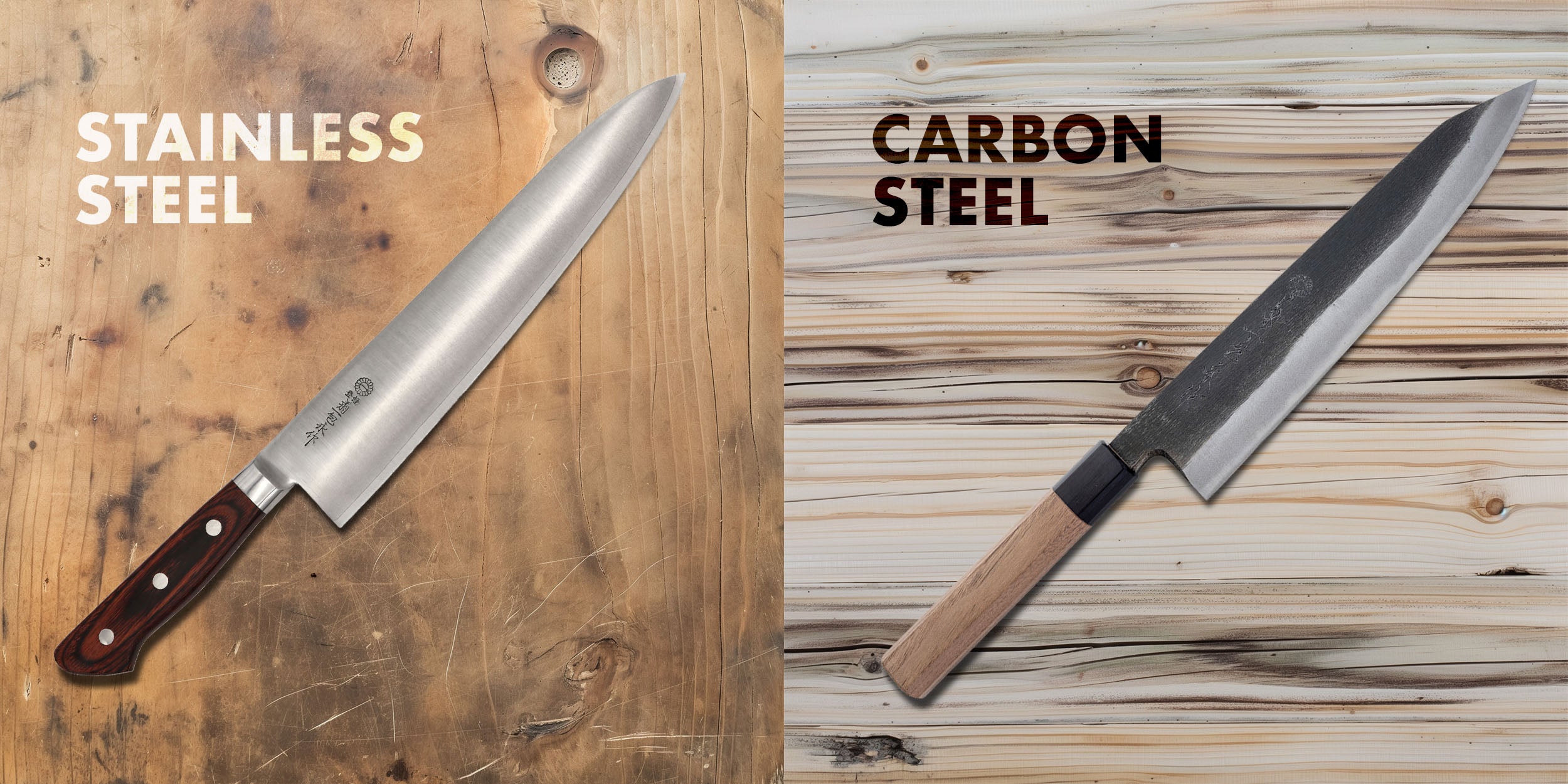
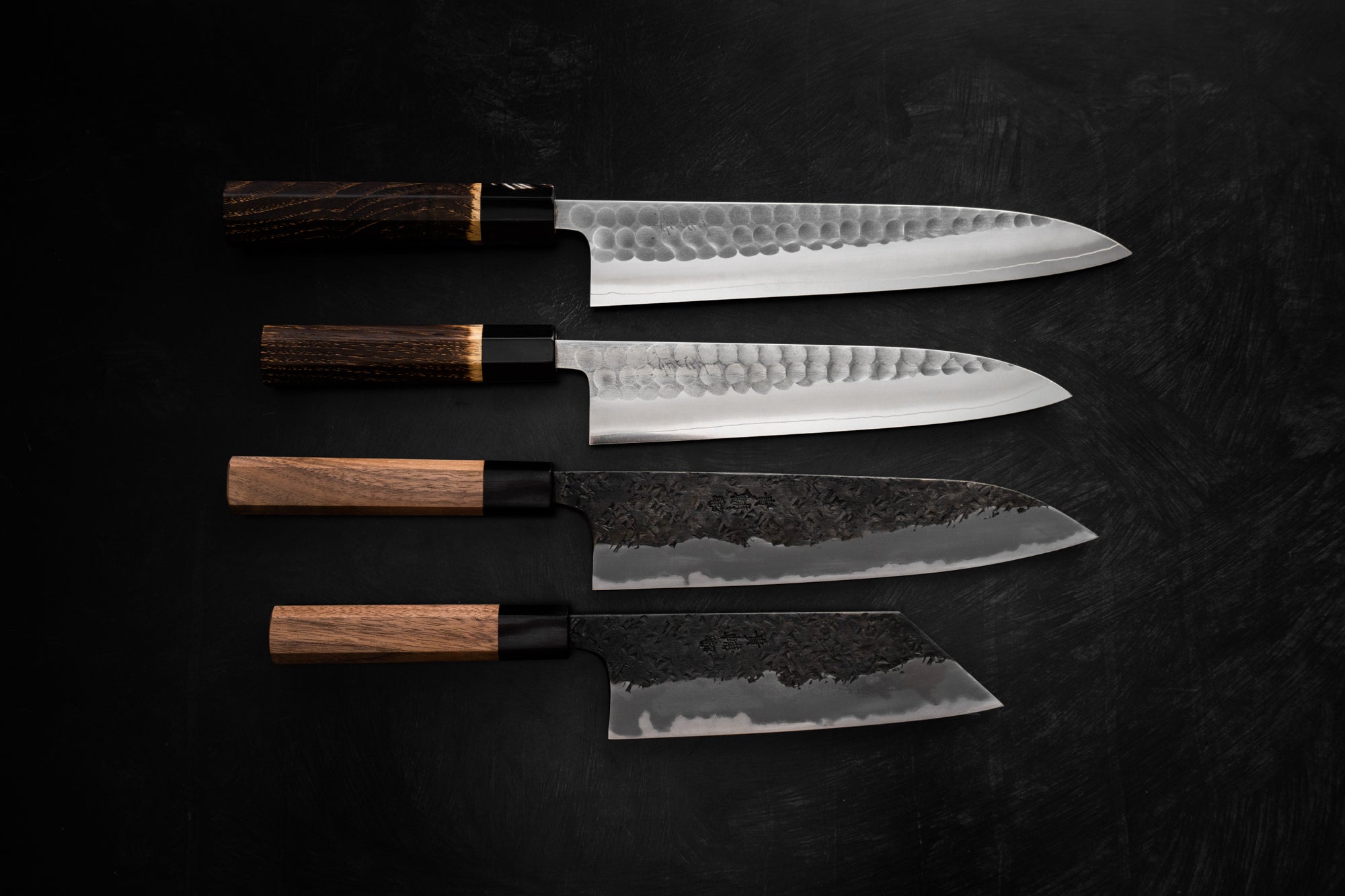
Carbon steel knives often have a darker, matte finish. They may look rustic or vintage. Stainless steel knives usually shine bright and have a smooth surface. They look sleek and modern. Each type shows its unique style right away.
Developing Patina Over Time
Carbon steel blades develop a patina as they age. This dark layer forms from use and exposure to food acids. It helps protect the blade from rust. The patina gives the knife a unique, personal look. Stainless steel blades rarely form patina. They keep their original shine longer but can still stain.
Aesthetic Preferences
Some people like the classic look of carbon steel with its evolving patina. It feels like a tool with a story. Others prefer the clean, bright look of stainless steel. It looks new and easy to maintain. The choice depends on taste and how much care the user wants to give.
Weight And Balance
Weight and balance play a key role in how a knife feels and works. These factors affect control, comfort, and precision. Both carbon steel and stainless steel knives differ in these areas. Understanding these differences helps choose the right knife for your needs.
Typical Weight Differences
Carbon steel knives often weigh less than stainless steel knives. Carbon steel is denser but usually made thinner. Stainless steel knives tend to be thicker and heavier. Weight can also vary by handle material and design.
Effect On Handling
Lighter knives offer faster, smoother cuts. They reduce hand fatigue during long use. Heavier knives provide more power and stability. Balance affects how well the knife feels in your hand. A well-balanced knife feels natural and steady.
Suitability For Different Tasks
Light, balanced knives suit delicate tasks like slicing fruits. Heavier knives work better for chopping tough vegetables or meat. Carbon steel knives often excel in precision tasks. Stainless steel knives are preferred for heavy-duty cutting.
Credit: elementknife.com
Cost And Value
Choosing between carbon steel and stainless steel knives depends a lot on cost and value. Both types serve different needs and budgets. Understanding their price and worth helps you pick the right knife for your kitchen or work.
Price Range Comparison
Carbon steel knives usually cost less than stainless steel ones. Basic carbon steel knives start at a low price. High-end carbon steel knives can be pricier due to craftsmanship. Stainless steel knives often have a wider price range. Entry-level stainless steel knives are affordable. Premium stainless steel knives can be quite expensive because of materials and brand.
Long-term Investment
Carbon steel knives need regular care to stay sharp and rust-free. This care can add to the cost over time. Stainless steel knives resist rust and need less maintenance. They stay sharp longer with less effort. Choosing a knife is about how much time and money you want to spend on upkeep. Investing in stainless steel might save money on sharpening and cleaning products.
Value For Specific Uses
Carbon steel knives offer sharper edges. Chefs often prefer them for precision work. They wear down faster but sharpen easily. Stainless steel knives last longer without dulling. They are great for everyday kitchen use. For heavy or wet work, stainless steel holds up better. Think about what you need the knife for before buying.
Best Uses For Each Knife
Choosing the right knife depends on the task and the type of steel. Carbon steel and stainless steel knives each have unique strengths. Knowing their best uses helps you cook more efficiently. It also keeps your knives in good shape for longer.
Ideal Tasks For Carbon Steel
Carbon steel knives excel at tasks needing sharpness and precision. They slice through meat and vegetables with ease. These knives hold a sharper edge longer than stainless steel. Great for fine cutting and delicate work like filleting fish. They also work well for chopping herbs and slicing fruits thinly. Carbon steel is perfect for chefs who want sharp, precise cuts.
Ideal Tasks For Stainless Steel
Stainless steel knives shine in wet or acidic environments. They resist rust and stains better than carbon steel. Ideal for cutting tomatoes, citrus fruits, and other juicy foods. These knives work well for everyday kitchen use. They need less maintenance and are easy to clean. Stainless steel is a good choice for busy cooks who want low upkeep knives.
Choosing Based On Cooking Style
Consider your cooking habits before choosing a knife. If you prepare meat often, carbon steel is a smart pick. For general kitchen work and quick cleanup, stainless steel fits best. Home cooks may prefer stainless steel for its durability. Professional chefs may lean toward carbon steel for sharper cuts. Your cooking style guides the best knife choice for your needs.
Credit: www.chefs-edge.com.au
User Experience And Preferences
User experience and preferences shape the choice between carbon steel and stainless steel knives. Each type offers unique benefits and challenges. The feel, maintenance, and performance differ. These differences affect chefs and home cooks in various ways.
Professional Chef Insights
Many professional chefs prefer carbon steel knives for their sharpness. These knives hold an edge longer and are easier to sharpen. Chefs also appreciate the weight and balance of carbon steel. It provides better control during precise cuts. Stainless steel knives, though less sharp initially, resist rust well. Some chefs choose stainless steel for busy kitchens with less time for upkeep.
Home Cook Perspectives
Home cooks often pick stainless steel knives for convenience. These knives require less care and resist stains. They stay looking new with minimal effort. Carbon steel knives may need more cleaning to prevent rust. Some home cooks enjoy the tradition and sharpness of carbon steel. Others find stainless steel easier to handle and maintain daily.
Allergy And Sensitivity Considerations
Some people have skin allergies to nickel in stainless steel. Carbon steel knives usually contain less nickel. This makes them a better choice for sensitive users. Stainless steel knives vary in alloy composition and may cause reactions. Washing hands after use can help reduce irritation. Choosing the right knife also means considering these health factors.
Frequently Asked Questions
What Are The Main Differences Between Carbon Steel And Stainless Steel Knives?
Carbon steel knives are sharper and easier to sharpen but can rust. Stainless steel knives resist corrosion and need less maintenance but may dull faster.
Which Knife Type Holds An Edge Longer, Carbon Or Stainless Steel?
Carbon steel knives generally hold a sharper edge longer than stainless steel. However, they require more care to prevent rust and corrosion.
Are Carbon Steel Knives Better For Professional Chefs?
Many professional chefs prefer carbon steel knives due to their sharpness and edge retention. Yet, they must maintain them properly to avoid rust.
How Does Maintenance Differ Between Carbon And Stainless Steel Knives?
Carbon steel knives need regular oiling and drying to prevent rust. Stainless steel knives require less maintenance but should be cleaned promptly to avoid stains.
Conclusion
Choosing between carbon steel and stainless steel knives depends on your needs. Carbon steel blades cut sharper but need more care. Stainless steel knives resist rust and require less maintenance. Both types have strong points for cooking tasks. Think about how often you use the knife and how much upkeep you want.
Pick the knife that fits your kitchen style and habits best. Either way, a good knife makes cooking easier and more enjoyable. The right choice helps you prepare meals with ease and confidence.