Last Updated on July 22, 2026
When you pick up a chef knife, its shape isn’t just about looks—it shapes how you cook, how comfortable you feel, and how precise your cuts are. If you’ve ever wondered why some knives feel right in your hand while others don’t, understanding chef knife shapes is the key.
Knowing which shape suits your style can transform your cooking experience, making every chop, slice, and dice easier and more enjoyable. Ready to discover the knife shapes that can elevate your kitchen skills? Let’s dive in and find the perfect fit for you.

Credit: chefequipment.com
Common Chef Knife Shapes
Chef knives come in many shapes. Each shape suits different cooking tasks. Knowing common shapes helps you pick the right knife. It also improves your kitchen skills. Below are three main chef knife shapes.
Western-style Blades
Western-style blades are thick and heavy. They have a curved edge for rocking cuts. These knives handle tough foods well. They often have a strong, wide blade. Perfect for chopping vegetables and meat.
Japanese-style Blades
Japanese-style blades are thinner and lighter. Their edge is very sharp and straight. This design allows precise and clean cuts. These knives excel at slicing fish and delicate foods. They need careful handling to avoid damage.
Hybrid Designs
Hybrid knives blend Western and Japanese styles. They balance sharpness and durability. These blades offer versatility in the kitchen. Good for cooks who want one knife for all tasks. They combine the best features of both types.
Blade Shapes And Their Uses
Blade shapes play a big role in how you prepare food. Each shape is made for certain tasks. Choosing the right blade can make cutting easier and safer. Below are common chef knife shapes and their uses.
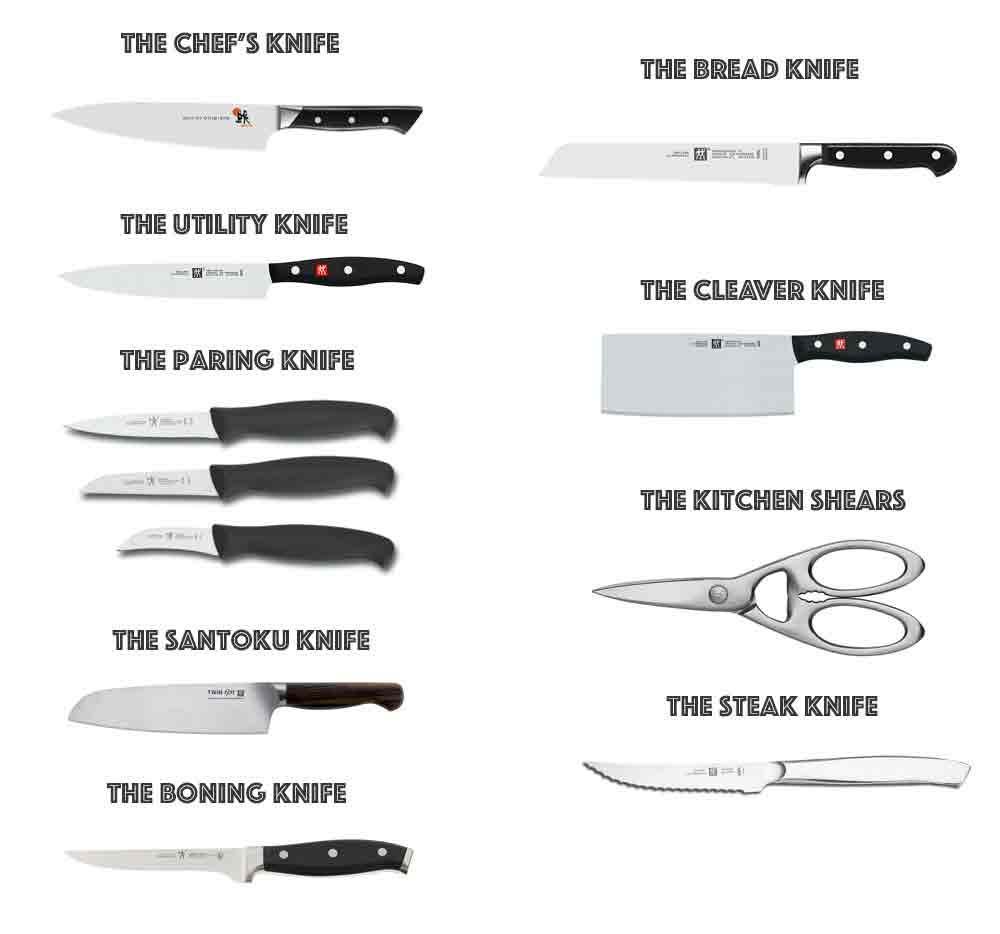
Chef’s Knife
The chef’s knife has a broad, curved blade. It is great for chopping, slicing, and dicing. Its curved edge helps in a rocking motion. This knife handles many kitchen tasks well.
Santoku Knife
The Santoku knife has a shorter, straighter blade than a chef’s knife. It excels at slicing, dicing, and mincing. The flat edge helps cut thin slices cleanly. It is popular in Asian cooking.
Nakiri Knife
Nakiri knives have a rectangular blade shape. They are perfect for chopping vegetables. The straight edge cuts all the way to the board. This knife gives clean, even cuts quickly.
Utility Knife
Utility knives have a narrow, pointed blade. They work well for small tasks like trimming and slicing fruit. This knife is a good middle ground between a chef’s knife and paring knife.
Paring Knife
Paring knives are small with a short, sharp blade. They are best for peeling, trimming, and detailed work. This knife gives control for delicate kitchen tasks.
Blade Edge Types
Blade edge types play a key role in how a chef knife performs. The edge affects cutting speed, smoothness, and the types of food it handles best. Understanding these edges helps you pick the right knife for your kitchen tasks.
Straight Edge
The straight edge is the most common blade type. It has a smooth, even cutting edge. This edge cuts cleanly through fruits, vegetables, and meats. It is easy to sharpen and maintain. Chefs prefer it for precise and controlled cuts.
Granton Edge
The Granton edge has small, oval-shaped indentations along the blade. These dimples create air pockets between the blade and food. They reduce sticking and help slices fall away easily. This edge works well with sticky or moist foods like cheese and fish.
Serrated Edge
The serrated edge has sharp teeth along the blade. It grips and tears through tough or crusty surfaces. This edge is perfect for bread, tomatoes, and citrus fruits. It stays sharp longer but can be harder to sharpen than straight edges.
Blade Material And Durability
The blade material plays a key role in a chef knife’s performance and lifespan. Different materials offer unique benefits and challenges. Durability depends on how well the material holds its edge and resists damage. Choosing the right blade material ensures your knife stays sharp and lasts longer. Let’s explore common materials used in chef knives and their durability.
Stainless Steel
Stainless steel blades resist rust and stains. They need less care than other materials. These blades are strong and tough. They stay sharp for a reasonable time. Ideal for busy kitchens or home use. Stainless steel knives are easy to maintain and clean. They balance durability with affordability.
High Carbon Steel
High carbon steel blades are very sharp. They hold their edge longer than stainless steel. These blades can be sharpened easily. They need more care to avoid rust. Many chefs prefer high carbon steel for precision. The metal is harder but can chip if misused. Proper maintenance keeps these blades in top shape.
Ceramic Blades
Ceramic blades are very hard and sharp. They resist wear and do not rust. These blades stay sharp for months without sharpening. They are lightweight and easy to handle. Ceramic knives can break if dropped or twisted. Best for slicing fruits and vegetables. Not suitable for heavy chopping or bones.
Choosing The Right Blade Size
Choosing the right blade size is key to a good cooking experience. The size affects how you handle the knife and the types of tasks you can do. Picking a blade that fits your needs helps you cook safely and efficiently.
Small Blades For Precision
Small blades usually range from 4 to 6 inches. They offer great control for detailed work. Perfect for peeling, trimming, and cutting small fruits or vegetables. Easy to handle and less tiring for delicate tasks.
Medium Blades For Versatility
Medium blades are typically 6 to 8 inches long. They balance control and power well. Great for most kitchen jobs like slicing, dicing, and chopping. The most common size for everyday cooking needs.
Large Blades For Heavy Duty
Large blades measure 8 inches or more. They handle tough jobs with ease. Ideal for cutting large vegetables, meat, and heavy-duty chopping. Requires more strength but speeds up big tasks.
Credit: shouldit.com
Handle Designs And Comfort
The handle design of a chef knife affects comfort and control. A well-made handle reduces hand fatigue. It also improves safety during cutting. Chefs often hold knives for long periods. Comfort becomes very important for them. The handle must fit the hand well. It should offer a firm, steady grip. The choice of handle design can change your kitchen experience.
Full Tang Vs Partial Tang
A full tang means the metal blade runs through the entire handle. It adds strength and balance to the knife. Full tang knives feel heavier but more stable in hand. Partial tang knives have a metal blade that goes partway into the handle. They are lighter but less durable. Full tang knives usually last longer and offer better control.
Handle Materials
Handle materials vary widely and affect grip and feel. Wood handles look classic and feel warm. They need care to avoid cracking or swelling. Plastic handles are light and easy to clean. They resist water and stains well. Composite materials combine wood and plastic benefits. Stainless steel handles look sleek but can be slippery. Choose a material that fits your kitchen style and comfort needs.
Ergonomics And Grip
Ergonomic handles fit the natural curve of your hand. They reduce stress on fingers and wrist. A good grip prevents slipping during cutting tasks. Some handles have textured surfaces or grooves for better hold. Rounded handles feel smooth but may be less secure. Square or oval handles offer more control. The right grip helps keep your hand steady and safe.
Maintaining Your Chef Knife
Maintaining your chef knife is key to keeping it sharp and safe. Proper care extends the knife’s life and helps it perform well every time. Simple habits can protect your blade and make cooking easier.
Sharpening Techniques
Sharpen your knife regularly to keep the edge strong. Use a whetstone or sharpening steel for best results. Hold the knife at a 20-degree angle and slide it across the stone. Repeat on both sides until the blade feels sharp. Avoid using electric sharpeners often, as they can wear down the blade quickly.
Proper Storage
Store your chef knife safely to avoid dulling the blade. Use a knife block, magnetic strip, or blade guard. Do not leave knives loose in a drawer. This prevents damage and protects your fingers. Keep knives dry before storing to stop rust and corrosion.
Cleaning Tips
Clean your chef knife right after use. Hand wash with warm water and mild soap. Dry immediately with a soft cloth to prevent rust. Avoid dishwasher use, as harsh detergents and heat can harm the blade. Regular cleaning keeps your knife looking and working like new.
Matching Knife Shape To Cooking Style
Choosing the right knife shape is key to cooking efficiently. Different cooking styles need different knives. The shape affects how you cut, chop, or slice. Using the right knife makes food prep easier and safer. It also helps get better results in the kitchen.
Home Cooking Needs
Home cooks often need versatile knives. A chef’s knife with a broad blade suits many tasks. It can chop vegetables, slice meat, and crush garlic. Smaller knives like paring knives help with peeling and trimming. Comfort and ease of use matter most at home. Choose shapes that fit your hand well and feel balanced.
Professional Kitchens
Chefs in professional kitchens use knives designed for speed and precision. The classic chef’s knife is essential for fast chopping and slicing. Santoku knives offer a lighter, sharper alternative for delicate work. Boning knives have narrow blades for separating meat from bones. Knife shapes in pro kitchens focus on efficiency and control.
Specialty Cuisine Knives
Some cuisines need special knife shapes. Japanese cooking often uses the Nakiri for cutting vegetables. The Yanagiba is ideal for slicing raw fish in sushi. Middle Eastern cooks may prefer curved knives for cutting herbs. Choosing a specialty knife can enhance traditional dishes. It brings authenticity and better technique to the kitchen.

Credit: www.magnets.com
Frequently Asked Questions
What Are The Common Chef Knife Shapes?
Common chef knife shapes include the classic Western chef knife, Japanese Santoku, and Gyuto knives. Each shape offers different cutting styles and precision, suited for various kitchen tasks such as chopping, slicing, and dicing.
How Do Chef Knife Shapes Affect Cutting Performance?
Knife shape influences control, cutting angle, and versatility. Curved blades enable rocking cuts, while straight edges suit push cuts. The right shape improves efficiency and safety in food preparation.
Which Chef Knife Shape Is Best For Beginners?
A classic Western chef knife with a curved blade is ideal for beginners. It offers versatility and ease of use, making it easier to learn basic chopping and slicing techniques.
Can Chef Knife Shapes Impact Food Presentation?
Yes, knife shape affects the precision of cuts. Thin, sharp blades like the Santoku create clean slices, enhancing food presentation and texture. Proper cuts improve both appearance and cooking consistency.
Conclusion
Choosing the right chef knife shape helps improve your cooking skills. Each shape fits different tasks in the kitchen. A good knife feels comfortable and cuts well. Knowing the shapes helps you pick the best one. Use the right knife to save time and effort.
Practice with different shapes to find your favorite. Cooking becomes easier and more enjoyable this way. Keep your knives sharp and clean for best results. A well-chosen knife supports you every step. Simple tools make a big difference.