Last Updated on July 22, 2026
When it comes to preparing meat or fish in your kitchen, the right knife can make all the difference. But how do you know if you need a boning knife or a fillet knife?
Choosing the wrong one can slow you down and make your task harder than it should be. You want a tool that feels just right in your hand and helps you work quickly and cleanly. You’ll discover the key differences between boning and fillet knives, so you can pick the perfect blade for your next cooking project.
Keep reading to sharpen your skills and make your kitchen work easier than ever.
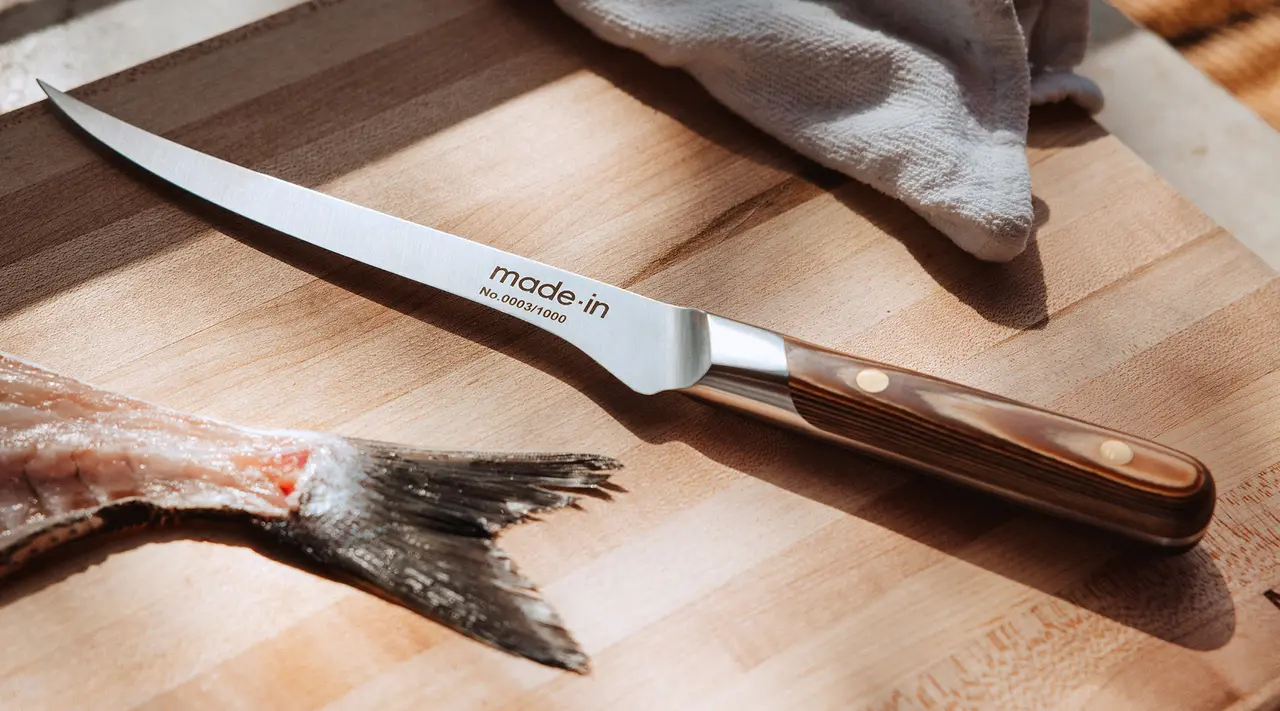
Credit: madeincookware.com
Differences Between Boning And Fillet Knives
The differences between boning and fillet knives affect how you use them. Both knives help with cutting meat and fish. Each has a unique design made for specific tasks. Knowing these differences helps choose the right knife for your needs.
Blade Shape And Flexibility
Boning knives have a narrow, curved blade. This shape helps cut close to the bone. The blade is usually stiff or slightly flexible. Fillet knives have a long, thin blade. The blade is very flexible to move around fish bones. This flexibility allows smooth, precise cuts.
Blade Length And Thickness
Boning knives are shorter, usually 5 to 6 inches. The blade is thicker for strength. This helps remove meat from bones easily. Fillet knives are longer, 6 to 9 inches. The blade is thinner to slice fish softly. This thin blade reduces damage to delicate flesh.
Handle Design
Boning knives have a sturdy handle for a strong grip. This helps apply pressure when cutting tough meat. Fillet knives have a lighter handle for easy control. The handle allows smooth, delicate movements. Both handles are designed for comfort and safety.

Credit: fnsharp.com
Ideal Uses For Boning Knives
Boning knives are essential tools in the kitchen for anyone who works with meat. They have a thin, sharp blade that makes tasks easier and more precise. Understanding their ideal uses helps in choosing the right knife for the job. Boning knives allow better control and cleaner cuts.
Removing Meat From Bone
Boning knives excel at separating meat from bones. Their narrow blades slide close to the bone. This helps remove meat without wasting any. The sharp tip reaches tight spots easily. It is perfect for fish, beef, or pork bones.
Trimming Fat And Sinew
These knives work well for trimming fat and sinew. The flexible blade bends with the meat’s shape. It cuts away unwanted parts smoothly. This results in cleaner, leaner pieces of meat. Chefs prefer boning knives for this delicate task.
Working With Poultry And Red Meat
Boning knives handle poultry and red meat tasks well. They help remove skin and carve joints. The blade’s design makes it easier to work with smaller cuts. It also helps avoid tearing meat. This keeps meat looking fresh and neat.
Best Tasks For Fillet Knives
Fillet knives serve specific purposes in the kitchen and beyond. Their design suits tasks that demand accuracy and care. These knives excel at handling soft and delicate foods. The thin, flexible blade allows smooth cutting without damaging the product.
Filleting Fish
Fillet knives are perfect for removing fish bones and skin. The blade easily glides along the fish’s backbone. This helps separate clean fillets without wasting meat. The flexibility allows bending around curves and contours. It makes the filleting process neat and efficient.
Precision Cutting And Skinning
The sharp, narrow blade cuts with great precision. It is ideal for skinning poultry or other meats. The knife moves close to the skin without cutting into flesh. This control helps keep meat intact and clean. The fine tip also allows delicate trimming tasks.
Handling Delicate Meat
Fillet knives work well with soft and tender meat. The blade’s flexibility prevents tearing or shredding. It slices through meat smoothly, preserving texture and appearance. This makes fillet knives a good choice for preparing game or fish dishes.
Choosing The Right Blade Material
Choosing the right blade material is important for both boning and fillet knives. The blade affects how the knife cuts and lasts over time. Different materials offer unique benefits and challenges. Understanding these can help you pick the best knife for your needs.
Stainless Steel Options
Stainless steel blades resist rust and stains well. They stay sharper longer during normal use. These blades need less care than other types. They work well in wet environments, such as kitchens.
Stainless steel knives are easy to clean. They keep their edge fairly well. They are a good choice for beginners or casual cooks.
High-carbon Steel Benefits
High-carbon steel blades hold a very sharp edge. They cut through meat and fish with ease. These blades are softer than stainless steel but sharper.
They need regular maintenance to avoid rust. Many chefs prefer high-carbon steel for its cutting power. It is ideal for precise tasks like filleting fish or trimming meat.
Maintenance And Sharpening
All knives need sharpening to stay effective. Stainless steel blades require less frequent sharpening. High-carbon steel blades need more care and regular sharpening.
Use a sharpening stone or professional service for best results. Clean and dry knives after each use. Proper maintenance extends the knife’s life and performance.
Ergonomics And Comfort Factors
Ergonomics and comfort play a big role in choosing between boning and fillet knives. These factors affect how easy and safe the knife feels in your hand. A good knife reduces hand fatigue and improves control. This helps you work faster and more precisely. Let’s explore key aspects of ergonomics and comfort.
Grip And Handle Materials
The handle must fit well in your hand. Soft, non-slip materials offer better grip. Rubber and textured plastic handles prevent slipping. Wood handles feel warm and natural but may get slippery when wet. A secure grip reduces accidents and makes cutting smoother. Choose a handle that feels right for you.
Balance And Weight
Balance affects how the knife moves. A well-balanced knife feels steady and easy to control. Boning knives tend to be lighter for quick, detailed cuts. Fillet knives often have flexible blades with moderate weight. A heavy knife can tire your hand fast. A light knife may lack power. Find a balance that suits your cutting style.
Safety Considerations
Comfort links closely to safety. Slippery handles cause slips and cuts. Some knives have finger guards for protection. Rounded edges on handles reduce pressure on your hand. Proper ergonomics help you keep a firm grip. This lowers the risk of injury during use. Safety should never be overlooked.
Price And Quality Comparison
Choosing between a boning knife and a fillet knife often depends on price and quality. Both knives serve different purposes in the kitchen. Understanding their cost and build helps make a smart choice. This section compares these knives based on price and quality factors.
Entry-level Vs Professional Knives
Entry-level boning and fillet knives cost less. They suit beginners or casual cooks. These knives have simpler designs and basic materials. Professional knives use high-quality steel and better craftsmanship. They offer sharper blades and better balance. Professionals prefer these knives for regular use and precision. The price difference can be significant between entry-level and pro models.
Durability And Warranty
Durability depends on blade material and handle build. Professional knives last longer with proper care. Entry-level knives may dull faster or chip easily. Many pro knives come with warranties covering defects. Warranties for budget knives are often limited or missing. A good warranty signals confidence from the maker. This adds peace of mind for buyers.
Value For Money
Entry-level knives offer good value for occasional use. They keep costs low and perform well enough. Professional knives cost more but deliver lasting quality. They save money over time by needing fewer replacements. The best value depends on your cooking needs. Choose based on how often and what you cut.
Tips For Maintaining Your Knives
Keeping your boning and fillet knives in good shape helps them last longer. Sharp knives make cutting easier and safer. Proper care saves money and keeps your kitchen efficient. Follow these simple tips for knife maintenance.
Proper Cleaning Techniques
Clean knives right after use. Use warm water and mild soap. Avoid soaking knives for long periods. Dry them immediately with a soft cloth. Never put knives in the dishwasher. Dishwasher heat and detergent can damage blades.
Sharpening And Honing
Hone knives regularly to keep the edge straight. Use a honing steel or ceramic rod. Sharpen knives with a whetstone or sharpener when they become dull. Do not use a dull knife; it is more dangerous. Keep the blade angle steady during sharpening for best results.
Storage Solutions
Store knives in a block or on a magnetic strip. Avoid tossing knives in a drawer. Blades can get nicked or damaged. Use blade guards if you store knives in drawers. Proper storage keeps knives safe and ready to use.

Credit: fnsharp.com
Frequently Asked Questions
What Is The Main Difference Between Boning And Fillet Knives?
Boning knives have a stiff, narrow blade for removing bones. Fillet knives are flexible and thin, designed for delicate filleting of fish. Both serve distinct purposes in meat and fish preparation.
Which Knife Is Better For Fish, Boning Or Fillet?
Fillet knives are better for fish due to their flexibility. They allow precise cuts close to the bone, preserving flesh. Boning knives are too stiff for delicate fish filleting.
Can A Boning Knife Replace A Fillet Knife?
A boning knife can replace a fillet knife but with limitations. It’s less flexible, making fine fish filleting harder. For best results, use each knife for its intended purpose.
What Blade Features Distinguish Boning Knives From Fillet Knives?
Boning knives have a firm, curved blade for cutting around bones. Fillet knives have a thin, flexible blade for smooth, delicate slicing. Blade flexibility and thickness are key distinguishing features.
Conclusion
Choosing between a boning knife and a fillet knife depends on your task. Boning knives are strong and good for removing bones from meat. Fillet knives are thin and flexible, perfect for delicate fish filleting. Both knives have their place in the kitchen.
Using the right knife makes cutting easier and safer. Keep your knives sharp and clean for best results. Try both types to see which fits your cooking style best. Simple tools can make a big difference in your food prep.