Last Updated on July 24, 2026
If you want your knives to cut like new again, knowing how to use a Lansky Knife Sharpener is key. You might think sharpening knives is tricky or time-consuming, but with the right tool and a simple method, you can bring your blades back to life in minutes.
Imagine slicing through anything effortlessly and safely—your food prep becomes faster, and your tasks more enjoyable. Keep reading, and you’ll discover easy steps to sharpen your knives perfectly every time, even if you’ve never done it before. Your knives—and your hands—will thank you.
Credit: www.youtube.com
Choosing The Right Lansky Sharpener
Choosing the right Lansky sharpener is key to keeping your knives sharp and safe. Each model fits different needs and skill levels. Picking the right one helps you sharpen easily and get the best results. Consider what you want to sharpen and how often you will use the sharpener.
Different Models And Their Uses
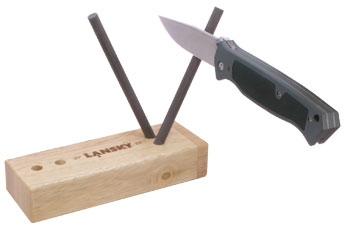
Lansky offers several sharpener models. The most common is the standard system with guide rods. It works well for most knives and beginners. The compact sharpener is small and good for travel or quick touch-ups. The diamond rod sharpener is best for very dull or damaged blades. Choose a model that suits your knife type and sharpening style.
Selecting The Correct Grit
Sharpeners come with different grit stones. Coarse grit removes a lot of metal and fixes chips. Medium grit sharpens and refines the edge. Fine grit polishes the blade for a smooth finish. Start with coarse grit if your knife is very dull. For regular maintenance, use medium or fine grit stones. Using the right grit keeps your knife sharp longer.
Essential Accessories
Some Lansky sharpeners include extra tools. Honing oil helps stones work better and last longer. Clamp holders keep the knife steady and safe while sharpening. Carrying cases protect the sharpener during travel. These accessories improve ease and safety. They make sharpening simpler and keep tools in good condition.
Setting Up Your Sharpener
Setting up your Lansky Knife Sharpener is the first step to a sharp blade. Proper setup makes sharpening easier and safer. It helps you get the best edge on your knife. Follow these simple steps to prepare your sharpener for use.
Assembling The Components
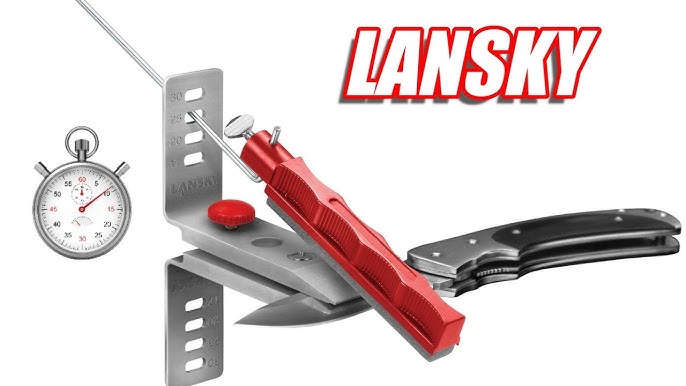
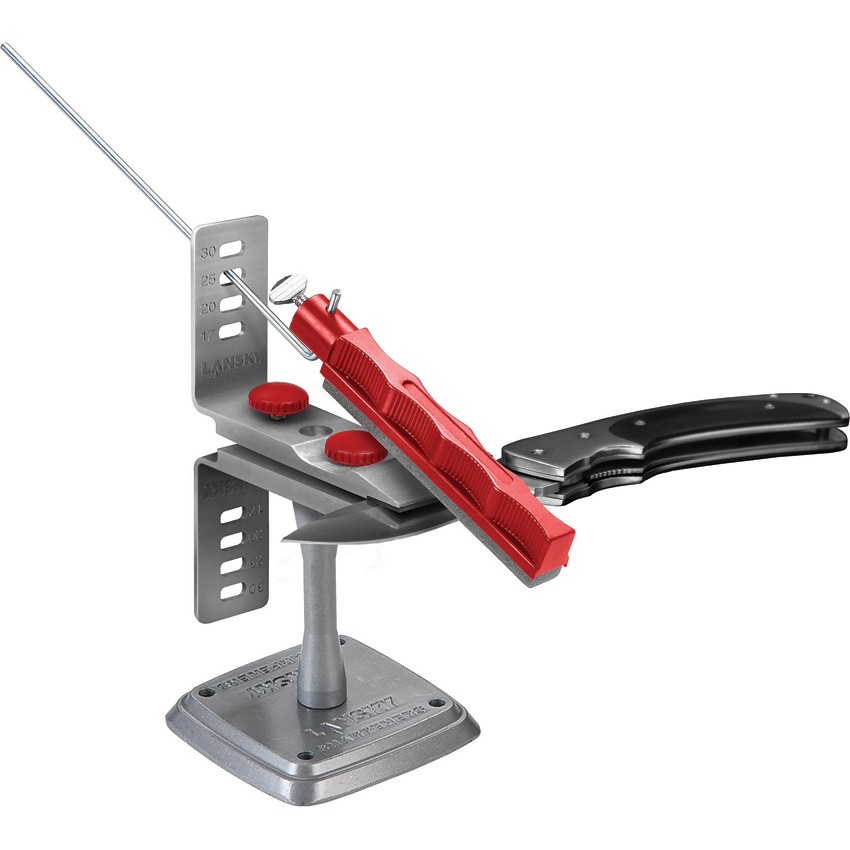
Start by unpacking all parts from the box. The sharpener usually includes a base, clamp, guide rods, and sharpening stones. Attach the guide rods to the base firmly. Insert the sharpening stones onto the rods. Make sure each stone clicks into place. Check that all parts move smoothly without wobbling.
Securing The Knife Properly
Place the knife blade in the clamp. The clamp holds the knife steady during sharpening. Tighten the clamp screws until the knife does not move. The blade edge should face outward, away from you. Double-check the knife is secure before sharpening. Loose knives can cause accidents or poor sharpening results.
Adjusting The Angle Guide
The angle guide controls the sharpening angle. This angle affects how sharp the blade becomes. Select the angle based on your knife type. Common angles are between 17 and 20 degrees. Loosen the angle guide knob to move it. Set the guide to the desired angle. Tighten the knob to lock the angle in place. Accurate angle adjustment ensures consistent sharpening.
Sharpening Techniques
Sharpening a knife with a Lansky sharpener needs simple, clear steps. The right technique helps keep your blade sharp and safe to use. Start with rough grit stones, then move to finer ones. Keep the strokes even and steady. This method brings the best edge to your knife.
Starting With Coarse Grit
Begin with the coarse grit stone. This stone removes old dullness and chips. Hold the knife at the angle set by the Lansky guide. Stroke the blade from heel to tip. Use light but firm pressure. Repeat this step several times on each side.
Maintaining Consistent Strokes
Keep the same angle during every stroke. Consistency makes the edge sharp and even. Move the blade in smooth, even strokes. Avoid pressing too hard or changing angles. Count your strokes to keep balance on both sides. This helps avoid a blade that is sharp only on one side.
Progressing To Fine Grit For Polishing
Switch to the fine grit stone after coarse sharpening. This stone polishes the edge to a smooth finish. Use the same angle and stroke style as before. Light pressure works best here. Stroke the blade evenly until it feels sharp and smooth. This step protects your knife edge for longer use.
Credit: www.lansky.com
Troubleshooting Common Issues
Troubleshooting common issues with the Lansky Knife Sharpener helps keep your blade perfect. Small problems can affect sharpening results. Fixing these quickly saves time and effort. This section covers easy ways to solve typical issues.
Dealing With Uneven Edges
Uneven edges appear when angles are inconsistent. Check your blade clamp tightness first. A loose clamp causes the blade to shift. Keep the sharpening rods steady during each stroke. Use the guide to maintain the same angle. Sharpen both sides evenly for balance.
Handling Blade Nicks
Blade nicks need careful attention. Start with coarse stones to smooth rough spots. Apply gentle pressure and focus on the damaged area. Move to finer stones to restore sharpness. Repeat until the nick disappears. Avoid skipping coarse sharpening for deep nicks.
Avoiding Over-sharpening
Over-sharpening wears down the blade too fast. Limit the number of strokes on each side. Stop sharpening once the edge feels sharp. Test the blade on paper or a soft material. Overuse of coarse stones can damage the edge. Use fine stones for touch-ups.
Maintenance And Care Tips
Proper maintenance keeps your Lansky knife sharpener working well. It extends the sharpener’s life and keeps your knives sharp. Simple care steps prevent damage and save money.
Cleaning The Sharpener
After each use, wipe the stones with a dry cloth. Remove metal dust and debris carefully. Avoid water unless the manual says it is safe. Use a soft brush to clean hard-to-reach spots. Keep the sharpener free from dirt and grime.
Storing Your Equipment Safely
Store your sharpener in a dry place. Avoid humid areas to stop rust. Use the original case if available. Keep stones away from heavy objects to avoid cracks. Safe storage keeps your sharpener ready to use anytime.
When To Replace Stones
Replace stones when they become smooth or cracked. Worn stones do not sharpen well. Check stones regularly for damage or wear. Using old stones can harm your knives. Fresh stones keep sharpening precise and effective.
Credit: www.lansky.com
Advanced Tips For Experts
Advanced users of the Lansky knife sharpener can enhance their sharpening skills with special techniques. These tips help sharpen knives with different blade types and combine tools for better results. Small changes can make a big difference in how sharp and durable your blades become.
Customizing Angles For Different Blades
Each knife blade has a unique angle for sharpening. Adjust the Lansky guide to match the blade’s angle. This keeps the edge sharp and prevents damage. Use a lower angle for thinner blades and a higher angle for thick, tough blades. Check the knife’s manufacturer recommendations if unsure.
Using The Sharpener For Serrated Knives
Serrated knives need a different approach. Use the Lansky sharpener’s fine rods to sharpen each serration. Move the rod carefully along the curve of the serrations. Avoid using the flat stones on serrated edges, as this can dull the teeth. Take your time for the best edge.
Combining Lansky With Other Sharpening Tools
Use the Lansky sharpener with other tools for a sharper edge. Start with a coarser stone for damaged blades. Then, switch to the Lansky system for precise angle control. Finish with a leather strop to polish the edge. This method improves sharpness and blade life.
Frequently Asked Questions
How Do I Set Up A Lansky Knife Sharpener?
To set up, clamp the knife securely in the guide. Attach the sharpening stone to the rod. Adjust the angle guide to your knife’s bevel angle for precise sharpening.
What Angle Should I Use For Sharpening Knives?
Use an angle between 17 to 20 degrees for most kitchen knives. For hunting or pocket knives, 20 to 25 degrees works best. Adjust the Lansky guide accordingly for a sharp edge.
How Many Strokes Are Needed To Sharpen A Knife?
Typically, 5 to 10 strokes per side are enough. Use consistent pressure and angle. Check the blade sharpness frequently to avoid over-sharpening and damaging the edge.
Can Lansky Sharpen Serrated Knives?
Yes, Lansky sharpeners can sharpen serrated blades. Use the tapered ceramic rod included in the kit. Sharpen each serration individually for best results.
Conclusion
Using a Lansky knife sharpener keeps your blade sharp and safe. It works well with a few simple steps. Regular sharpening helps your knife cut better and last longer. Always follow the instructions carefully for the best results. Take your time and be patient while sharpening.
This tool fits easily in your kit and is easy to carry. Keep your knife sharp, and it will serve you well every day. Practice a little, and you will feel more confident using the sharpener.