Last Updated on July 24, 2026
If your knives feel dull and struggle to cut through even the simplest ingredients, it’s time to change that. Sharpening knives with a diamond stone is one of the fastest and most effective ways to bring back that sharp edge you need.
Imagine slicing through tomatoes or meat with ease, without any frustration or wasted effort. You’ll discover exactly how to use a diamond stone to sharpen your knives, so you can enjoy smooth, precise cuts every time. Keep reading, and you’ll never have to deal with a dull knife again.
Why Choose A Diamond Stone
Choosing the right tool to sharpen your knives makes a big difference. Diamond stones offer a precise and effective way to sharpen blades. They are known for their strength and ability to sharpen quickly. Many people prefer diamond stones over other tools for good reasons.
Benefits Over Other Sharpening Tools
Diamond stones cut faster than most sharpening stones. They work well on very dull or damaged blades. The fine diamond particles remove metal evenly without scratching the knife. They also require less water or oil, making cleanup easy. Diamond stones stay flat and do not wear down quickly. This keeps your sharpening consistent every time.
Durability And Longevity
Diamond stones last much longer than traditional stones. The diamond coating does not break or fade with use. They resist chips and cracks even with heavy sharpening. You do not need to flatten diamond stones often. Their strong surface holds up to regular use. A good diamond stone can serve you for years.
Ideal Knife Types For Diamond Stones
Diamond stones work well on almost all knife types. They are excellent for hard steel knives that other stones struggle with. Ceramic knives also sharpen well with diamond stones. They can sharpen both kitchen and outdoor knives. Diamond stones handle serrated edges gently too. They suit anyone who wants sharp, reliable knives quickly.
Credit: agrussell.com
Types Of Diamond Stones
Diamond stones come in different types. Choosing the right one helps sharpen knives better. Each type has its own use and benefits. Understanding these types guides you to the best choice for your needs.
Bench Stones Vs. Pocket Stones
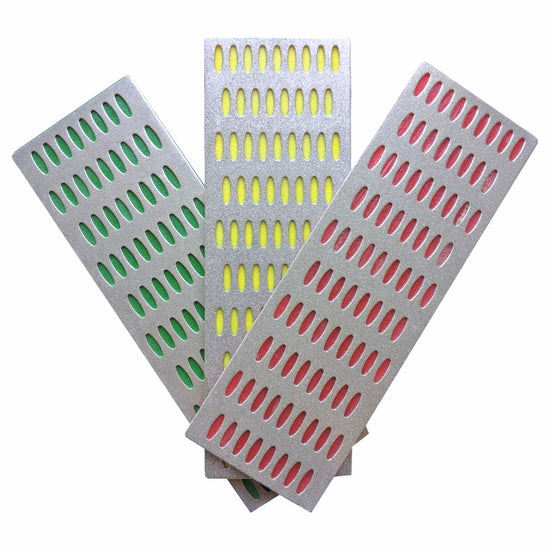
Bench stones are larger and stay on a table while sharpening. They provide a stable surface for steady sharpening. Pocket stones are smaller and easy to carry. They fit in your pocket and work well on the go. Both types use diamond for fast, effective sharpening.
Different Grit Levels Explained
Diamond stones come in different grit levels. Low grit, like 200-400, removes chips and repairs edges fast. Medium grit, around 600-1000, sharpens dull blades smoothly. High grit, 3000 and above, polishes and finishes the edge. Choose grit based on how dull or damaged your knife is.
Coated Vs. Solid Diamond Plates
Coated diamond plates have tiny diamond particles on a metal base. They are usually cheaper and lighter. Solid diamond plates are made entirely of diamond particles. These last longer and cut faster. Both types sharpen well but differ in price and durability.
Preparing Your Knife And Stone
Preparing your knife and diamond stone is the first step to a sharp, clean edge. This process ensures safety and better results. Take time to get everything ready before you start sharpening.
Cleaning And Inspection
Clean your knife to remove dirt and grease. Use warm water and mild soap. Dry the knife with a soft cloth.
Check the blade for any chips or cracks. Look closely at the edge. A damaged blade may need professional repair.
Also, clean the diamond stone. Rinse it under water to remove metal particles. This keeps the stone effective and smooth.
Setting Up A Stable Workspace
Choose a flat, sturdy surface for sharpening. A kitchen counter or workbench works well.
Place a damp cloth or non-slip mat under the stone. This stops slipping during sharpening.
Good lighting helps you see the blade clearly. Bright light reduces mistakes and improves accuracy.
Safety Precautions To Follow
Hold the knife firmly but not too tight. Keep your fingers away from the blade’s edge.
Wear cut-resistant gloves if possible. They add protection against slips.
Keep children and pets away from the workspace. Distractions can cause accidents.
Work slowly and carefully. Rushing may lead to injury or damage to the blade.
Sharpening Techniques
Sharpening knives with a diamond stone needs the right techniques. These techniques help keep the blade sharp and last longer. Using the correct methods makes the process easier and safer. Focus on key details to get the best edge every time.
Correct Angle For Sharpening
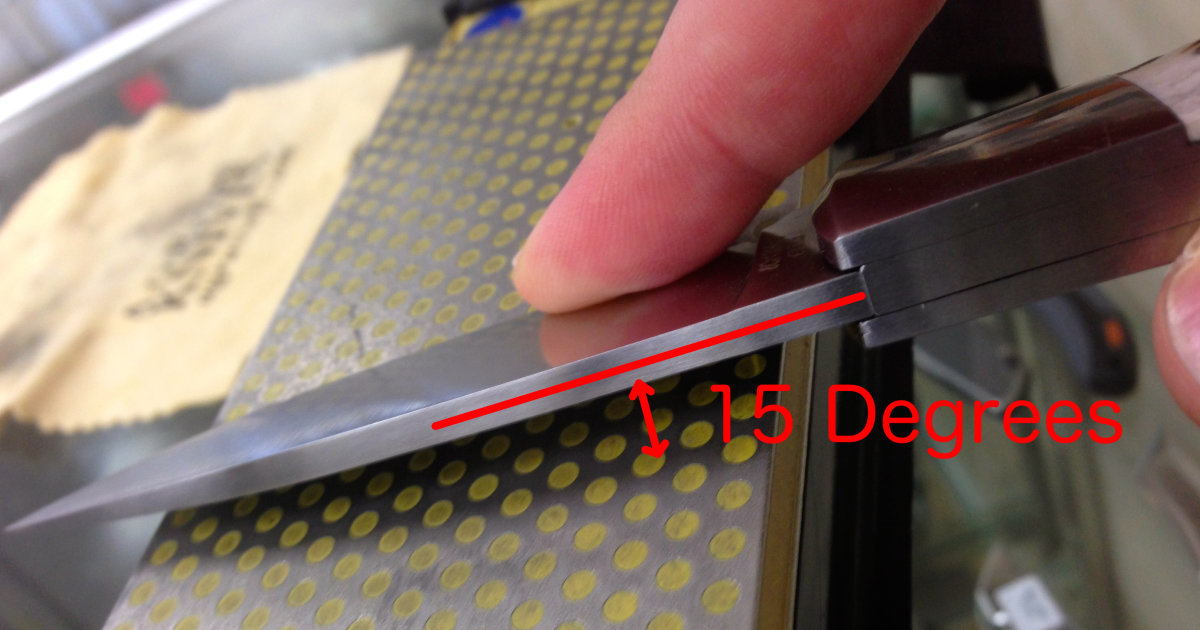
Hold the knife at the right angle to the diamond stone. Usually, 15 to 20 degrees works well for most knives. Too steep or too flat angles can damage the blade. Keep the angle steady to create a sharp, even edge. Use a guide if you find it hard to keep the angle.
Using Consistent Pressure
Apply even pressure while moving the blade on the stone. Pressing too hard can wear the stone and ruin the blade. Too little pressure will not sharpen the knife well. Find a balance that feels firm but gentle. Consistent pressure ensures a smooth sharpening process.
Stroke Patterns For Best Results
Move the knife in smooth, controlled strokes. Start from the base of the blade and go to the tip. Use long strokes to cover the entire edge. Repeat the same pattern on both sides of the blade. This keeps the edge balanced and sharp.
Maintaining Your Diamond Stone
Maintaining your diamond stone keeps it sharp and effective for a long time. Proper care prevents damage and ensures smooth sharpening every use. Simple steps help your stone stay in top shape.
Cleaning After Use
Rinse the diamond stone with water after sharpening. Use a soft brush to remove leftover metal particles. Avoid harsh soaps or chemicals that can harm the surface. Dry the stone completely before storing it.
Removing Metal Build-up
Metal can clog the stone’s surface and reduce its effectiveness. Use a cleaning block or a special diamond stone cleaner to remove build-up. Gently rub the cleaner on the stone’s surface to clear trapped metal bits.
Proper Storage Tips
Store the diamond stone in a dry, cool place. Keep it away from direct sunlight and moisture. Use a protective case or cover to avoid scratches and dust. Proper storage keeps your stone ready for use anytime.
Troubleshooting Common Issues
Troubleshooting common issues during knife sharpening with a diamond stone helps keep your blade sharp and safe. Small problems can affect the sharpening process and your knife’s performance. Fixing these issues early improves results and extends the life of your tools.
Uneven Sharpening
Uneven sharpening happens when pressure is not the same across the blade. This creates spots that are sharper than others. To fix this, hold the knife at a steady angle. Move it slowly and evenly over the stone. Check the blade often to ensure smooth, consistent sharpening.
Stone Wearing Out
Diamond stones wear out from frequent use or heavy pressure. A worn stone loses effectiveness and sharpens poorly. Look for smooth patches or grooves on the stone’s surface. Clean the stone regularly and store it dry. Replace the stone if it becomes too smooth or damaged.
Blade Damage Prevention
Avoid blade damage by using gentle pressure on the stone. Pressing too hard can chip or scratch the knife edge. Use light, even strokes to protect the blade’s shape. Always sharpen in one direction, not back and forth. This keeps the edge strong and prevents accidents.
Enhancing Knife Performance
Keeping your knives sharp improves their cutting power. Sharp knives make cooking safer and easier. A diamond stone is a strong tool to sharpen blades fast and well.
Regular sharpening keeps your knives working like new. It helps reduce the effort needed to cut food. You get clean slices and better control.
Honing Vs. Sharpening
Honing realigns the blade edge without removing metal. It smooths out small bends and keeps the edge straight. Sharpening removes metal to form a new edge. Diamond stones are used for sharpening to restore blade sharpness.
Honing is done often to maintain sharpness. Sharpening is less frequent but more thorough. Both keep knives performing well when used correctly.
When To Resharpen
Resharpen knives when cutting feels hard or uneven. If the blade drags instead of slicing, it needs work. Regular use dulls edges slowly and needs touch-ups.
Check knives every few weeks or after heavy use. Sharpen before the blade becomes too dull. This saves metal and keeps knives lasting longer.
Signs Of A Sharp Knife
A sharp knife cuts smoothly without extra force. It slices cleanly through food without crushing it. Sharp knives glide easily and feel balanced in hand.
Test by slicing paper or tomatoes. A sharp blade cuts quickly and cleanly. If it tears or slips, it needs sharpening.
Credit: www.crookandstaple.com

Credit: www.sharpeningsupplies.com
Frequently Asked Questions
How Do Diamond Stones Sharpen Knives Effectively?
Diamond stones use tiny diamond particles to grind and hone knife edges. They remove metal quickly, providing a sharp, precise edge suitable for all blade types. Their durability ensures consistent performance without wearing down like traditional stones.
Can I Use Water Or Oil With A Diamond Stone?
Diamond stones work best with water as a lubricant. Water prevents metal dust buildup and keeps the surface clean. Avoid oil because it can clog the diamond surface and reduce sharpening efficiency.
How Often Should I Sharpen Knives With A Diamond Stone?
Sharpen knives with a diamond stone when they feel dull or cut poorly. For regular use, sharpening every 3-6 months keeps edges sharp. Frequent use or professional settings may require more frequent maintenance.
Are Diamond Stones Suitable For All Knife Materials?
Yes, diamond stones are ideal for all blade materials including stainless steel, carbon steel, and ceramic. Their abrasive surface handles hard and soft metals efficiently without damaging the blade.
Conclusion
Sharpening knives with a diamond stone keeps blades sharp and safe. The stone removes dull edges quickly and smoothly. Using it often helps knives last longer. It also saves money by reducing the need for replacements. Practice a little to get the best results every time.
Keep the stone clean and dry for good performance. Sharp knives make cooking easier and more enjoyable. Try this simple method to keep your kitchen tools ready. A sharp knife is always a helpful friend.