Last Updated on July 24, 2026
Is your knife feeling dull and frustrating to use? You don’t need expensive tools or a professional to bring back its sharp edge.
Sharpening a knife with sandpaper is a simple, effective way to restore its cutting power right at home. You’ll discover easy steps to make your knife sharp again, saving you time and money. Keep reading, and you’ll soon handle every cutting task with confidence and ease.

Credit: www.wikihow.com
Choosing The Right Sandpaper
Choosing the right sandpaper is key to sharpening a knife effectively. The sandpaper grit affects the sharpness and smoothness of the blade. Using the wrong type can damage the knife or waste time. Understanding grit levels and materials helps select the best sandpaper for your blade.
Grit Levels Explained
Sandpaper grit measures how coarse or fine it is. Lower numbers mean coarse grit. Coarse grit removes more metal fast but leaves rough edges. Higher numbers mean fine grit. Fine grit smooths and polishes the blade. Start with coarse grit to fix dull edges. Finish with fine grit for a sharp, smooth blade.
Materials To Avoid
Avoid sandpaper with soft backing like paper only. It tears easily during sharpening. Also, do not use sandpaper with grit too coarse for knives. It can scratch and ruin the blade. Stay away from sandpaper made for wood or paint. These may contain fillers harmful to metal.
Best Sandpaper Types For Blades
Silicon carbide and aluminum oxide sandpapers work best for knives. They are tough and cut metal well. Choose waterproof sandpaper to use with water or oil. This reduces heat and dust. Pick grit levels between 400 and 1000 for general knife sharpening. Use 1500 grit or higher for polishing the edge.
Preparing Your Workspace
Preparing your workspace is the first step to sharpening a knife with sandpaper. A clean and organized area helps you work safely and efficiently. Proper setup reduces accidents and makes the process smooth. Take time to get ready before you start.
Cleaning And Securing The Knife
Wash the knife with warm water and soap. Remove any dirt or food residue. Dry the blade completely to avoid slipping. Hold the knife firmly or clamp it to keep it steady. A secure knife prevents accidents and gives better control.
Setting Up A Stable Surface
Choose a flat, solid surface for your work. A table or countertop works best. Cover the area with a towel or rubber mat to stop slipping. Make sure the surface does not move during sharpening. Stability helps you sharpen the knife evenly and safely.
Sharpening Techniques
Sharpening a knife with sandpaper is simple and effective. The right techniques make the blade sharp and safe to use. Focus on the angle, grit type, and stroke consistency for best results.
Correct Angle For Sharpening
Hold the knife at a steady angle. Usually, 20 degrees works well for most knives. Too steep or flat can dull the blade faster. Keep this angle constant during the whole process.
Using Coarse To Fine Grits
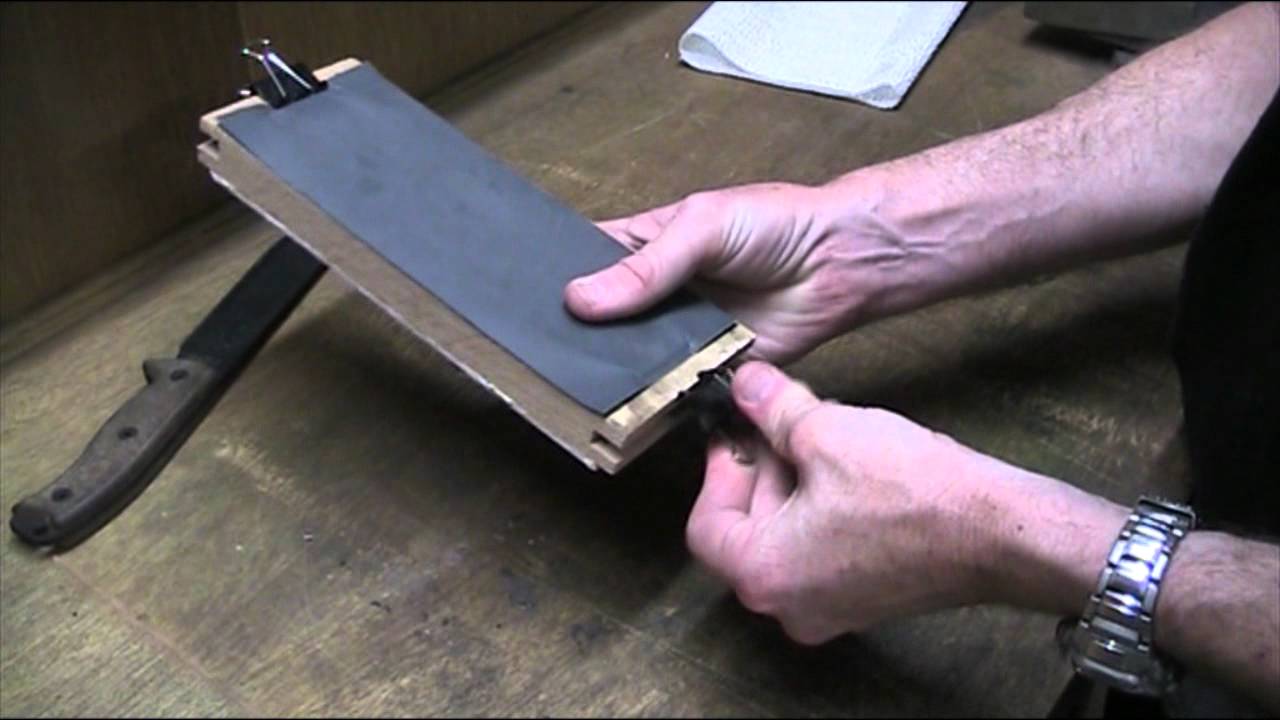
Start with coarse sandpaper to remove nicks and dull edges. Then switch to medium grit to smooth out roughness. Finish with fine grit for a sharp and polished edge. Each step refines the blade further.
Consistent Stroking Method
Move the blade evenly across the sandpaper. Use long, smooth strokes from base to tip. Apply gentle pressure to avoid damage. Repeat the strokes the same number of times on each side for balance.
Credit: www.youtube.com
Testing Sharpness
Testing sharpness is a key step after sharpening a knife with sandpaper. It shows if the blade is ready for use or needs more work. Simple tests help you check the edge quickly and safely. These tests do not need special tools and work well at home.
Paper Slice Test
Take a clean sheet of paper. Hold it firmly in one hand. Use the knife to slice the paper with a gentle cut. A sharp knife slices smoothly without tearing. If the paper rips or the knife struggles, the blade needs more sharpening. Try cutting from different angles for a full check.
Visual Inspection Tips
Look closely at the knife edge under good light. A sharp edge looks thin and even. No shiny or rounded spots should appear. Check for any chips or dents on the blade. These flaws reduce sharpness and can be fixed with more sanding. Use a magnifying glass for a better view.
Maintaining Your Knife After Sharpening
Keeping your knife in top shape after sharpening is very important. It helps the blade stay sharp longer and keeps it safe to use. Proper care can prevent rust and damage. A well-maintained knife works better and lasts more years.
Cleaning And Oiling The Blade
After sharpening, clean the blade with warm water and mild soap. Dry it completely with a soft cloth. Any water left on the blade can cause rust. Apply a thin layer of oil to protect the metal. Use food-safe oil for kitchen knives. This stops moisture from harming the blade. Wipe off any extra oil before storing.
Safe Storage Practices
Store your knife in a dry place away from moisture. Use a knife block, magnetic strip, or sheath to keep the blade safe. Avoid tossing knives in a drawer. This can dull or damage the edge. Keep blades separate to prevent scratches and accidents. Proper storage keeps your knife sharp and ready for use.
Common Mistakes To Avoid
Sharpening a knife with sandpaper is simple but requires care. Avoiding common mistakes helps keep your knife sharp and safe. Many beginners make errors that can damage the blade or cause injury. Understanding these mistakes improves your sharpening experience and extends the knife’s life.
Over-sharpening Risks
Sharpening too much removes excess metal from the blade. This weakens the knife and shortens its lifespan. Over-sharpening also changes the blade shape, making it less effective. Stop sharpening as soon as the edge feels smooth and sharp. Use light pressure and check the blade often.
Ignoring Safety Precautions
Skipping safety steps can cause serious injuries. Always hold the knife firmly and sharpen away from your body. Keep your fingers clear of the blade during the process. Use a stable surface to prevent slips. Wear gloves if you feel unsure about handling the knife.

Credit: www.wikihow.com
Frequently Asked Questions
How Do I Sharpen A Knife With Sandpaper?
Start with coarse sandpaper and move to finer grits. Rub the blade at a consistent angle. Use smooth, even strokes for best results. Finish by honing to refine the edge and remove burrs.
What Grit Sandpaper Is Best For Knife Sharpening?
Begin with 400-600 grit for dull blades. Progress to 1000-2000 grit for refining the edge. Higher grit sandpapers create a smoother, sharper finish. Adjust grit based on blade condition.
Can Sandpaper Damage My Knife Blade?
Proper technique avoids damage. Use moderate pressure and consistent angles. Avoid aggressive or uneven sanding. Using too coarse grit or excessive force may harm the blade.
How Long Does It Take To Sharpen A Knife With Sandpaper?
Sharpening usually takes 10 to 20 minutes. Time depends on blade dullness and sandpaper grit. Consistent, patient strokes ensure optimal sharpness. Avoid rushing to prevent blade damage.
Conclusion
Sharpening a knife with sandpaper takes patience and care. Start with coarse grit, then move to finer grits for a smooth edge. Keep the angle steady as you work. Regular sharpening keeps knives safe and effective. This simple method saves money and extends blade life.
Practice a few times to get comfortable. Soon, your knife will cut cleanly and easily. Give it a try and enjoy sharper tools at home.