Last Updated on July 24, 2026
Are you tired of struggling with dull knives that slow you down in the kitchen? Your Wusthof knife sharpener is the secret tool you need to bring your blades back to life quickly and easily.
Imagine slicing through ingredients with the same precision and ease as the day you bought your knife. In this guide, you’ll discover simple steps to sharpen your knives like a pro, making your cooking safer and more enjoyable. Keep reading to unlock the full potential of your Wusthof knife sharpener and transform your kitchen experience.
Credit: www.williams-sonoma.com
Choosing The Right Wusthof Sharpener
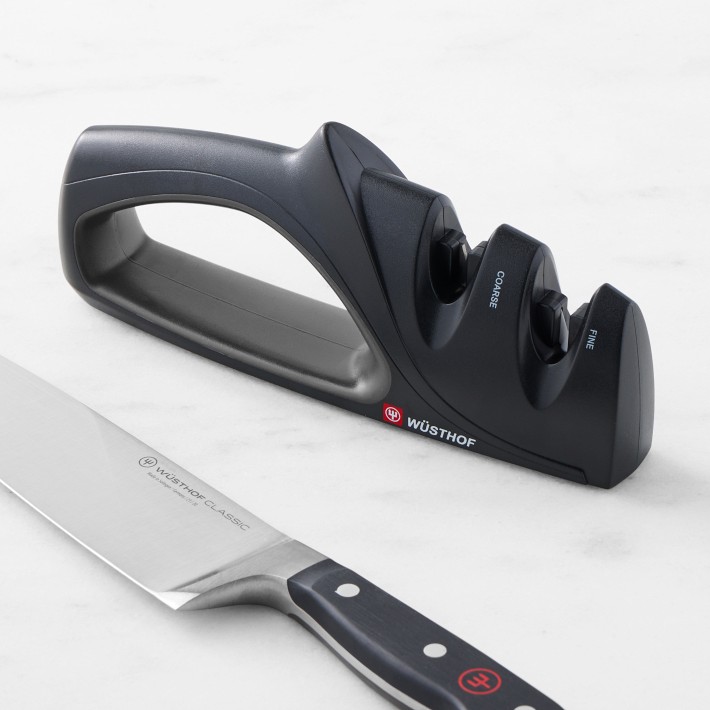
Choosing the right Wusthof sharpener helps keep your knives sharp and safe. Each sharpener suits different knives and skills. Picking the right one saves time and improves cutting performance. This guide explains types of Wusthof sharpeners and matching them to your knives.
Types Of Wusthof Sharpeners
Wusthof offers several sharpener types. Manual sharpeners need hand control for sharpening. Electric sharpeners work fast and are easy to use. Pull-through sharpeners guide your knife with preset angles. Each type has its own benefits and fits different users.
Manual sharpeners let you control pressure and speed. Electric sharpeners provide consistent sharpening. Pull-through sharpeners offer simple and quick touch-ups. Choose a type that fits your comfort and knife style.
Matching Sharpener To Knife Type
Different knives need different sharpening methods. Wusthof chef knives work well with pull-through or electric sharpeners. Paring knives benefit from manual sharpeners for precision. Serrated knives need special sharpeners or professional care.
Check your knife’s blade type before choosing a sharpener. Using the wrong sharpener can damage the blade. Match sharpener type to knife shape and edge for best results.
Credit: www.williams-sonoma.com
Preparing Your Knife For Sharpening
Preparing your knife for sharpening is an important step to ensure the best results. Proper preparation protects your blade and helps the sharpener work effectively. Taking time to prepare your knife makes the sharpening process smoother and safer.
Cleaning And Inspecting The Blade
Start by washing the knife with warm, soapy water. Remove all food particles and grease. Dry the blade completely with a clean cloth. Check the blade for any chips or damage. Small nicks can affect sharpening. If the blade is heavily damaged, consider professional repair before sharpening.
Safety Precautions
Always handle the knife carefully. Hold it firmly to avoid slips. Keep your fingers away from the blade edge. Use a stable surface to sharpen. Avoid distractions during sharpening. Wearing cut-resistant gloves adds extra protection. A safe setup helps prevent accidents and injuries.
Step-by-step Sharpening Process
The step-by-step sharpening process with the Wusthof knife sharpener is simple and effective. It helps keep your knives sharp and ready for any kitchen task. Follow each step carefully for the best results.
Setting The Correct Angle
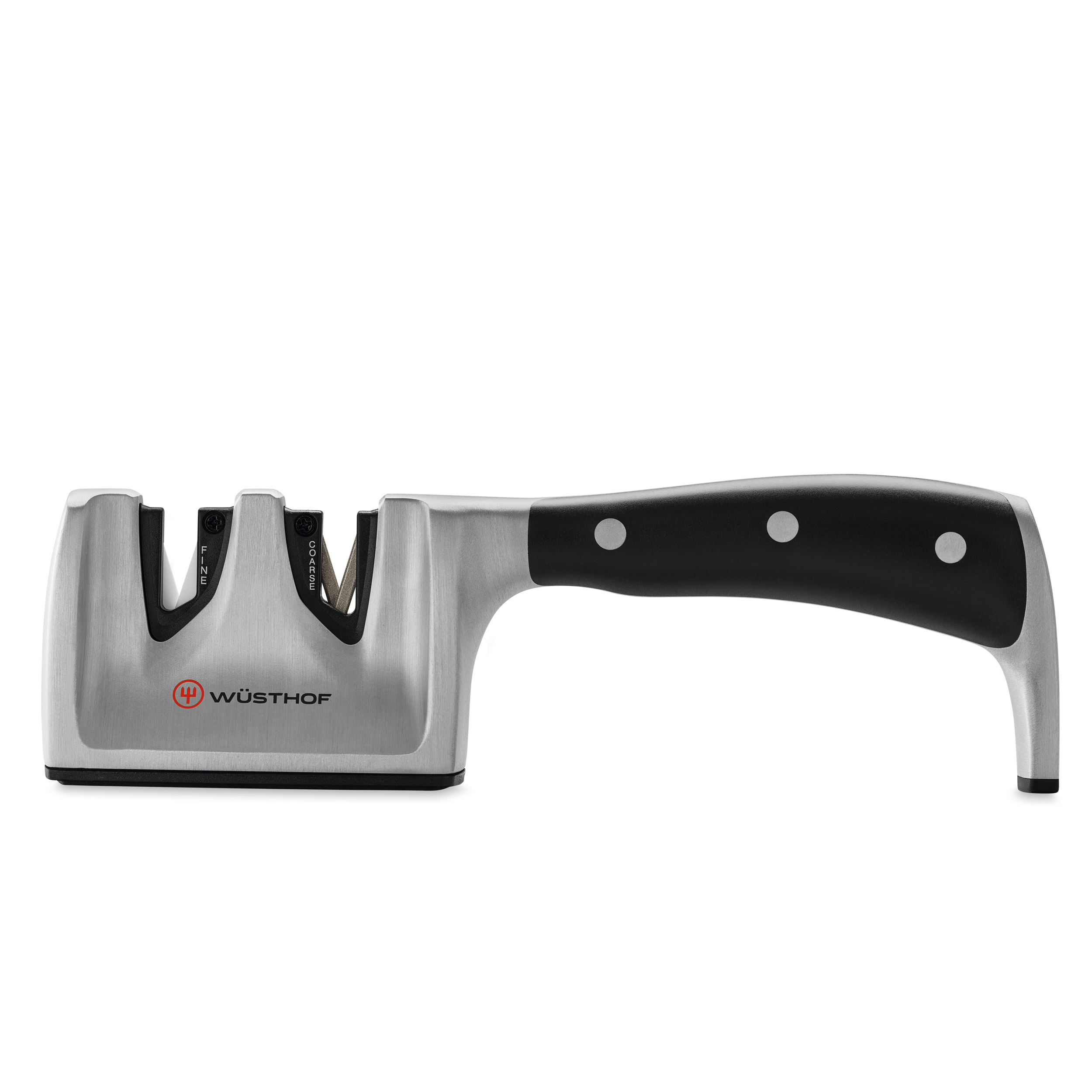
Place the knife in the sharpener slot. Hold it straight and steady. The Wusthof sharpener is designed to set the perfect angle automatically. No need to guess or adjust. This angle keeps your blade sharp and safe.
Using The Coarse Slot
Start with the coarse slot to reshape dull blades. Pull the knife slowly through the slot. Use smooth, even strokes from heel to tip. Repeat this step three to five times. This step removes nicks and sharpens the edge.
Using The Fine Slot
Move to the fine slot for polishing. Pull the knife gently through this slot. Use five to ten smooth strokes. This step refines the blade edge. It makes your knife sharper and smoother.
Maintaining Consistent Pressure
Apply light, even pressure while sharpening. Do not press too hard. Consistent pressure protects the blade and sharpener. It helps create a clean, sharp edge every time.
Testing Sharpness After Sharpening
Testing sharpness after sharpening your Wusthof knife is a key step. It shows if the blade is ready for cutting tasks. A sharp knife cuts cleanly and safely. Dull blades slip and cause accidents. Use simple tests to check sharpness easily at home.
Paper Slice Test
Take a plain sheet of paper. Hold it firmly in one hand. Use your knife to slice the paper from the top. A sharp knife will cut through smoothly. It should not tear or snag the paper. If the blade struggles, it needs more sharpening.
Tomato Test
Pick a ripe tomato for this test. Try slicing it without pressing hard. A sharp knife will cut the skin easily. The slice will be thin and even. If the knife squashes the tomato, it is still dull. Keep sharpening until the blade passes this test.
Caring For Your Wusthof Sharpener
Caring for your Wusthof sharpener helps keep it working well. Proper care extends its life and keeps your knives sharp. Simple steps can make a big difference in performance.
Cleaning And Storage Tips
Clean the sharpener after each use. Use a dry cloth to wipe away metal dust. Avoid water or soap as it may damage the sharpener. Store it in a dry place, away from moisture. Keep it in its box or a drawer to prevent dust buildup. Proper storage keeps the sharpener safe and ready for use.
When To Replace The Sharpener
Replace the sharpener if it stops sharpening well. Look for worn or damaged sharpening surfaces. If the sharpener feels loose or unstable, it may be time for a new one. Using a worn sharpener can damage your knives. Check your sharpener regularly to ensure it works properly.
Common Mistakes To Avoid
Using the Wusthof knife sharpener is simple, but some mistakes can harm your knives. Avoiding common errors helps keep blades sharp and safe. These tips guide you on what not to do for best results.
Over-sharpening
Sharpening too often wears down the blade quickly. It makes knives dull faster and shortens their life. Sharpen only when the knife feels blunt or struggles to cut.
Incorrect Angling
Holding the knife at the wrong angle reduces sharpening quality. The blade edge must match the sharpener’s angle. Keep the knife steady and follow the sharpener’s guide carefully.
Applying Excessive Force
Pushing hard does not make sharpening better. Too much force can damage the blade or sharpener. Use gentle, steady pressure for smooth and even sharpening.
Enhancing Blade Longevity
Keeping your Wusthof knife sharp is key to its long life. A sharp knife works better and is safer to use. Using the Wusthof knife sharpener helps keep the blade in top condition. Beyond sharpening, there are other steps to protect your knife’s edge and strength.
Regular Honing
Honing straightens the blade’s edge between sharpenings. It does not remove metal but keeps the edge aligned. Use a honing steel or the Wusthof sharpener’s honing slot. Hold the knife at a 15-degree angle. Pull the blade gently through the sharpener, five times each side. This small care keeps the edge strong and ready to cut.
Proper Knife Storage
Storing knives correctly stops damage and dulling. Avoid keeping knives loose in a drawer. Use a knife block, magnetic strip, or blade guards. These protect the blade from bumps and scratches. Proper storage keeps the edge sharp longer. It also prevents accidents in the kitchen.
Credit: wusthof.com
Frequently Asked Questions
How Do I Safely Use The Wusthof Knife Sharpener?
Hold the sharpener firmly on a flat surface. Pull the knife blade through the sharpening slot slowly. Apply light pressure for even sharpening. Always keep fingers clear of the blade path to avoid injury.
How Often Should I Sharpen My Wusthof Knives?
Sharpen your Wusthof knives every 2-3 months for regular use. Frequent sharpening maintains a sharp edge. If you use knives daily, sharpen more often. Honing between sharpenings helps keep the edge aligned.
Can The Wusthof Sharpener Fix Dull Or Damaged Blades?
Yes, the Wusthof sharpener restores dull edges effectively. However, it’s best for minor to moderate dullness. Severely damaged or chipped blades need professional sharpening or replacement. Use the sharpener regularly to prevent major damage.
Is The Wusthof Sharpener Suitable For All Knife Types?
The sharpener works best with straight-edged Wusthof knives. It is not recommended for serrated or ceramic blades. Using it on unsupported knives can cause damage. Always check compatibility before sharpening any knife.
Conclusion
Using the Wusthof knife sharpener keeps your blades sharp and safe. It only takes a few minutes to improve your knives. Regular sharpening helps you cut food easily and cleanly. Always follow the steps carefully for the best results. Sharpening your knives often saves money on replacements.
A sharp knife makes cooking faster and more enjoyable. Keep your kitchen tools ready for any recipe. Try sharpening today and feel the difference in your cutting.