Last Updated on July 24, 2026
Your Cutco knives are more than just kitchen tools—they’re an investment in quality and precision. But even the best knives lose their edge over time.
If you want to keep your Cutco knives performing like new, sharpening them correctly is key. You’ll discover simple, effective ways to sharpen your Cutco knives at home. By the end, you’ll feel confident tackling any cutting task with ease and safety.
Ready to bring back that razor-sharp edge? Let’s get started.
Credit: cutco.com
Choosing The Right Sharpening Tools
Choosing the right sharpening tools is key to keeping Cutco knives sharp and safe. Using the wrong tools can damage the blade and reduce its life. Proper sharpening tools keep the edge sharp and help you cut with ease. Picking the best tool depends on your skill, budget, and how often you sharpen.
Types Of Sharpeners For Cutco Knives
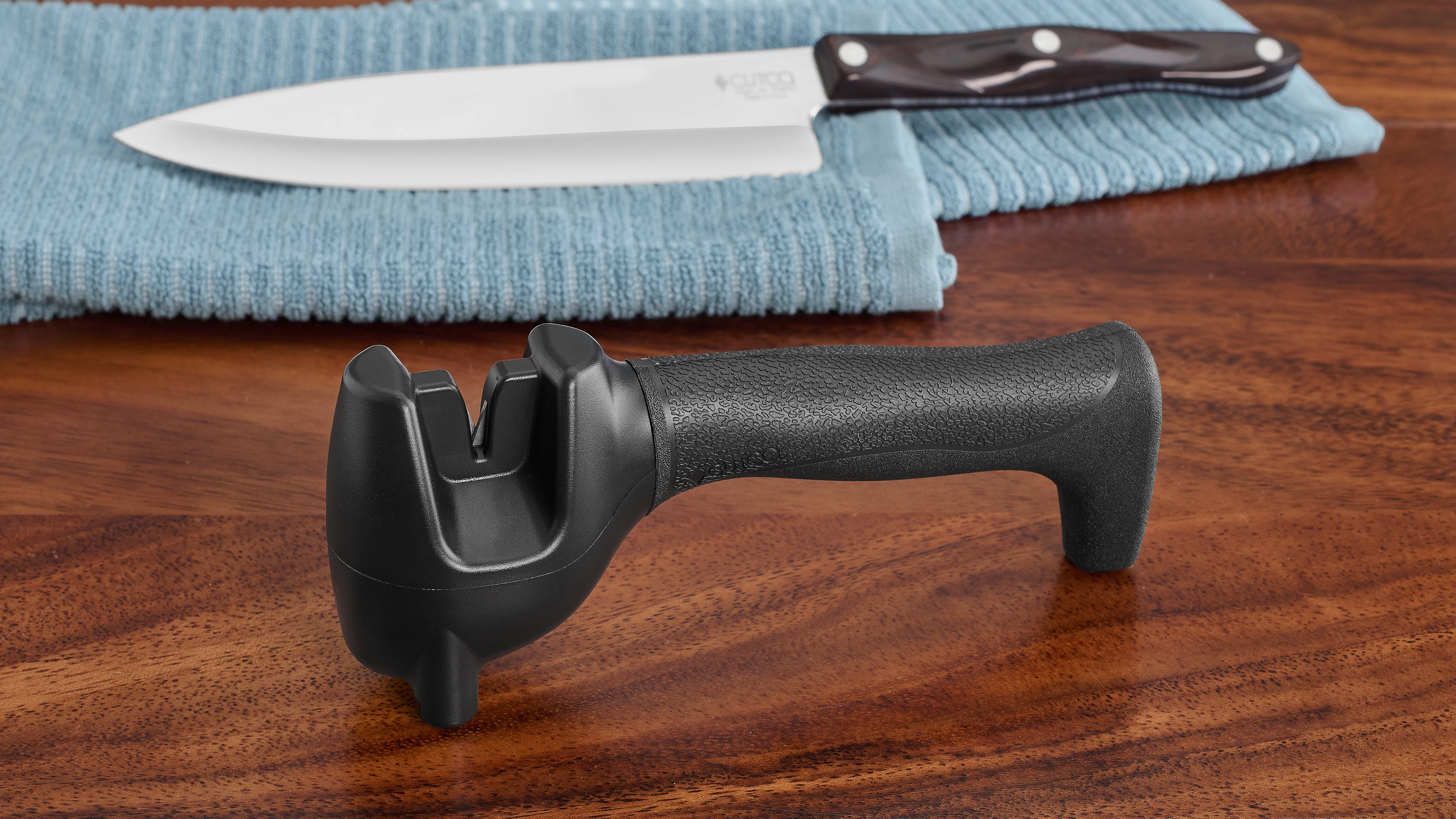
There are many sharpening tools for Cutco knives. Manual sharpeners are simple and easy to use. They have slots with abrasive materials to sharpen the blade. Electric sharpeners speed up the process but need care to avoid damage.
Sharpening stones offer control and a fine edge. They require practice and patience. Honing rods keep the blade aligned between sharpenings. They do not remove metal but maintain sharpness. Choose a tool that fits your comfort and needs.
Benefits Of Professional Sharpening Services
Professional sharpening services offer expert care for Cutco knives. Experts use special equipment to restore the blade’s edge. This service saves time and effort. It ensures even sharpening without damage.
Professionals check the knife for chips or wear. They fix problems that home methods might miss. Using a professional service keeps your knife in top shape longer. Consider this option for best results and safety.
Credit: www.youtube.com
Preparing Your Knives For Sharpening
Preparing your Cutco knives before sharpening is a crucial step. Proper preparation helps you sharpen the blades evenly and safely. Taking the time to get your knives ready protects them and improves the sharpening results.
Cleaning And Inspecting Blades
Start by cleaning your knives thoroughly. Use warm water and mild soap to remove dirt and grease. Dry the blades completely with a soft cloth. Clean blades prevent slipping and ensure better sharpening.
Next, inspect the blades for damage. Look for chips, rust, or bent edges. Small chips can be smoothed out during sharpening. Large damage may need professional repair. Checking the blade condition helps you choose the right sharpening method.
Setting Up A Safe Sharpening Workspace
Choose a flat, stable surface to work on. A sturdy table or countertop works well. Clear the area of clutter to avoid accidents. Good lighting is important to see the blade clearly.
Place a non-slip mat or towel under your sharpening tool. This keeps it steady during use. Keep your fingers away from the blade edge. Safety should always come first during sharpening.
Sharpening Techniques For Cutco Knives
Keeping Cutco knives sharp is important for safe and easy cutting. Different sharpening methods suit different needs. Some ways require skill, while others are quick and simple. Choose a technique that fits your comfort and tools available.
Using A Whetstone
A whetstone is a classic tool for sharpening knives. Soak the stone in water for 10-15 minutes before use. Hold the knife at a 20-degree angle to the stone. Slide the blade across the stone evenly from heel to tip. Repeat on both sides until sharp. Finish with a finer grit stone for smooth edges.
Employing Honing Rods
Honing rods keep knives aligned and sharp between major sharpenings. Hold the rod vertically with its tip on a stable surface. Draw the knife blade down the rod at a 20-degree angle. Alternate sides with each stroke. Honing does not remove metal but fixes blade edges for better cuts.
Utilizing Electric Sharpeners
Electric sharpeners offer quick and easy blade sharpening. Insert the knife into the slot and pull it through slowly. The machine uses abrasive wheels to sharpen the blade. Most have different stages for coarse and fine sharpening. Use light pressure and follow the manufacturer’s instructions for best results.

Credit: www.youtube.com
Maintaining Blade Sharpness
Maintaining blade sharpness is essential for Cutco knives to perform well. Sharp knives cut easily and safely. Keeping the blade sharp also saves time during food preparation. Small daily efforts help keep the knife in top condition.
Proper Storage Tips
Store knives in a knife block or on a magnetic strip. Avoid tossing knives in a drawer with other utensils. Contact with hard objects can dull the blade quickly. Use blade guards if you must store knives in a drawer. Proper storage protects the edge and prevents accidents.
Regular Honing Practices
Honing realigns the blade edge and keeps it sharp longer. Use a honing steel before or after each use. Hold the steel vertically and draw the knife down at a 20-degree angle. Repeat on both sides of the blade. Regular honing reduces the need for frequent sharpening.
Avoiding Common Mistakes
Do not use knives on hard surfaces like glass or stone. Use cutting boards made of wood or plastic instead. Avoid washing knives in the dishwasher. Hand wash and dry knives immediately after use. Do not use excessive force while cutting. These habits protect the blade and extend its sharpness.
Testing Sharpness Effectively
Testing the sharpness of your Cutco knives is key after sharpening. It shows if the blade is ready for kitchen tasks. Sharp knives cut smoothly and safely. Dull blades can slip and cause accidents. Simple tests help you check how sharp your knife is without special tools.
Paper Slice Test
Hold a piece of plain paper in one hand. Use your Cutco knife to slice through the paper. The blade should cut cleanly without snagging or tearing. A sharp knife will make thin, smooth slices with little effort. If the paper tears or the knife struggles, it needs more sharpening. This test is quick and shows edge sharpness clearly.
Tomato Cutting Test
Pick a ripe tomato for this test. Try slicing the tomato with your knife. A sharp Cutco knife cuts through the skin gently and smoothly. The tomato should not squish or tear. If the knife presses hard or slips, the blade is dull. This test checks both sharpness and blade control on soft foods.
Frequently Asked Questions
How Often Should I Sharpen Cutco Knives?
Sharpen Cutco knives every 6 to 12 months for optimal performance. Frequent sharpening keeps the blade sharp and safe. If you notice dullness, sharpen sooner. Regular maintenance extends the knife’s life and ensures smooth cutting.
What Tools Are Best For Sharpening Cutco Knives?
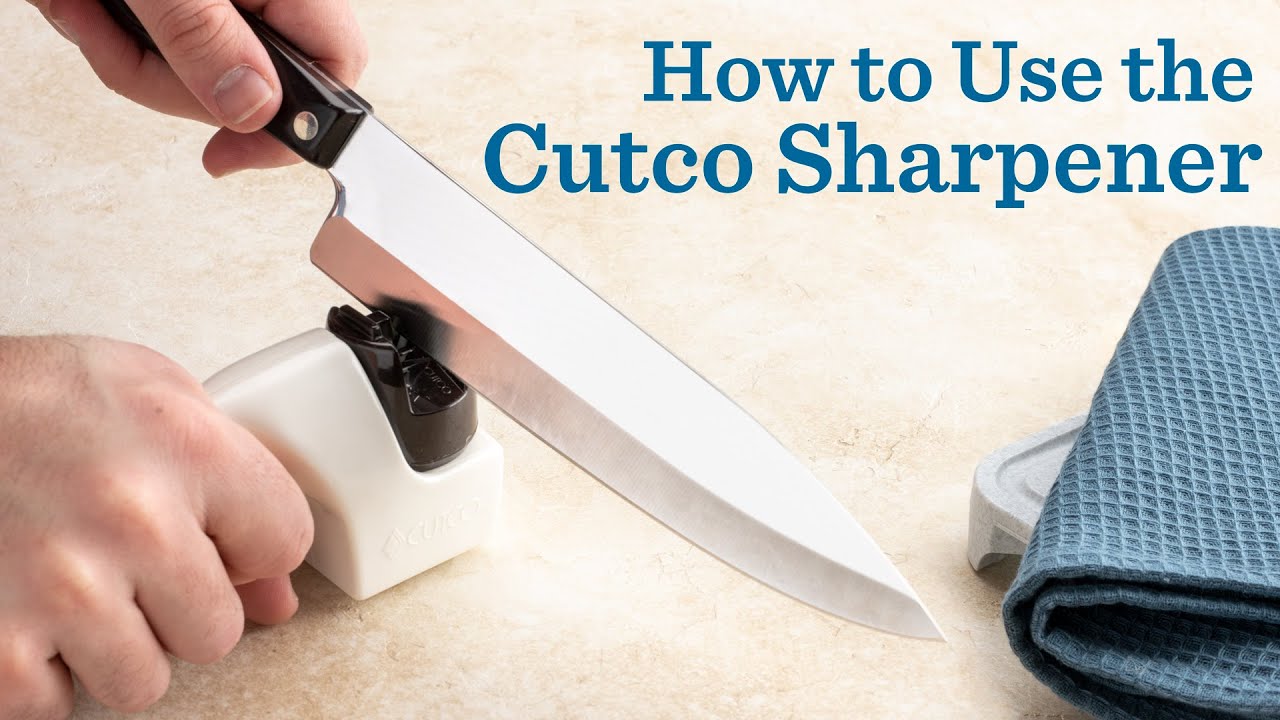
Use a Cutco Sharpener or a fine diamond sharpening stone. These tools maintain the blade’s edge without damaging it. Avoid coarse or electric sharpeners that may harm the knife. Proper tools ensure precise, safe sharpening.
Can I Sharpen Cutco Knives At Home?
Yes, you can sharpen Cutco knives at home using the Cutco Sharpener. Follow the manufacturer’s instructions carefully for best results. Home sharpening saves time and keeps your knives ready for use.
What Is The Correct Sharpening Angle For Cutco Knives?
Sharpen Cutco knives at a 20-degree angle for a sharp edge. Maintaining this angle ensures effective cutting and blade longevity. Using the right angle prevents blade damage and preserves sharpness.
Conclusion
Sharpening Cutco knives keeps them working well and safe. Use the right tools and follow simple steps carefully. Regular sharpening protects your knife’s edge and helps with cutting tasks. Small efforts bring big results in knife performance. Keep your knives sharp for longer use and better cooking.
Taking care of your Cutco knives saves money and time. Practice often, and you will see the difference clearly. Sharp knives make cooking easier and more enjoyable every day.