Last Updated on July 24, 2026
Your knife is one of the most important tools in your kitchen, but over time, it can lose its sharp edge. Dull knives make cutting harder, slower, and even dangerous.
You might think sharpening a knife is difficult or requires expensive tools, but that’s not true. With just a simple sharpening stone and a little know-how, you can bring your knife back to life. You’ll learn step-by-step how to sharpen a knife with a stone easily and safely.
By the end, your knife will slice through food like new—and you’ll feel confident doing it yourself. Keep reading to unlock the secret to sharper knives and better cooking.
Choosing The Right Sharpening Stone
Choosing the right sharpening stone is key to keeping your knife sharp and safe. The stone you pick affects how well your knife cuts and how long the edge lasts. Different stones suit different knives and tasks. Knowing the types, grit levels, and care tips helps you pick the best stone for your needs.
Types Of Stones
There are several types of sharpening stones. Natural stones come from the earth and have unique textures. Synthetic stones are made in factories and offer consistent sharpening. Water stones need water to work well. Oil stones use oil for lubrication. Diamond stones have a tough surface that sharpens fast. Each type fits different knives and sharpening styles.
Grit Levels Explained
Grit level shows how rough or smooth the stone surface is. Low grit stones (200-600) fix very dull or damaged blades. Medium grit stones (800-2000) sharpen and shape the blade edge. High grit stones (3000 and above) polish the edge for a smooth finish. Using the right grit helps keep your knife sharp and strong.
Stone Maintenance Tips
Keep your sharpening stone clean and flat for best results. Wash the stone after each use with water or oil. Remove metal particles that build up on the surface. Flatten the stone regularly using a lapping plate or sandpaper. Store the stone in a dry place to avoid damage. Proper care extends the life of your sharpening stone.
:max_bytes(150000):strip_icc()/how-to-sharpen-knife-with-whetstone-995817_FINAL-5c3facdec9e77c00019976bf.png)
Credit: www.thespruceeats.com
Preparing Your Knife And Stone
Preparing your knife and stone is the first step in sharpening a knife effectively. This preparation ensures the sharpening process is smooth and safe. Taking time to clean and soak the stone helps achieve a sharper edge. Setting up your workspace properly keeps everything organized and comfortable. Follow these simple steps before you start sharpening.
Cleaning The Knife
Remove any dirt or food from the knife blade. Use warm water and mild soap to clean it well. Dry the knife completely with a soft cloth. A clean blade sharpens more evenly and safely.
Soaking The Stone
Submerge the sharpening stone in water for about 10 to 15 minutes. This softens the stone surface and prevents dust during sharpening. Keep the stone wet while sharpening for better results.
Setting Up Your Workspace
Find a flat, stable surface to work on. Place a towel or rubber mat under the stone to stop slipping. Make sure you have enough light and space to move your arm freely. A good setup helps avoid accidents and improves sharpening quality.
Basic Sharpening Techniques
Sharpening a knife with a stone requires some basic skills. These skills help keep the blade sharp and safe. Understanding the right techniques makes sharpening easier and more effective. This section explains three key techniques to sharpen your knife well.
Finding The Correct Angle
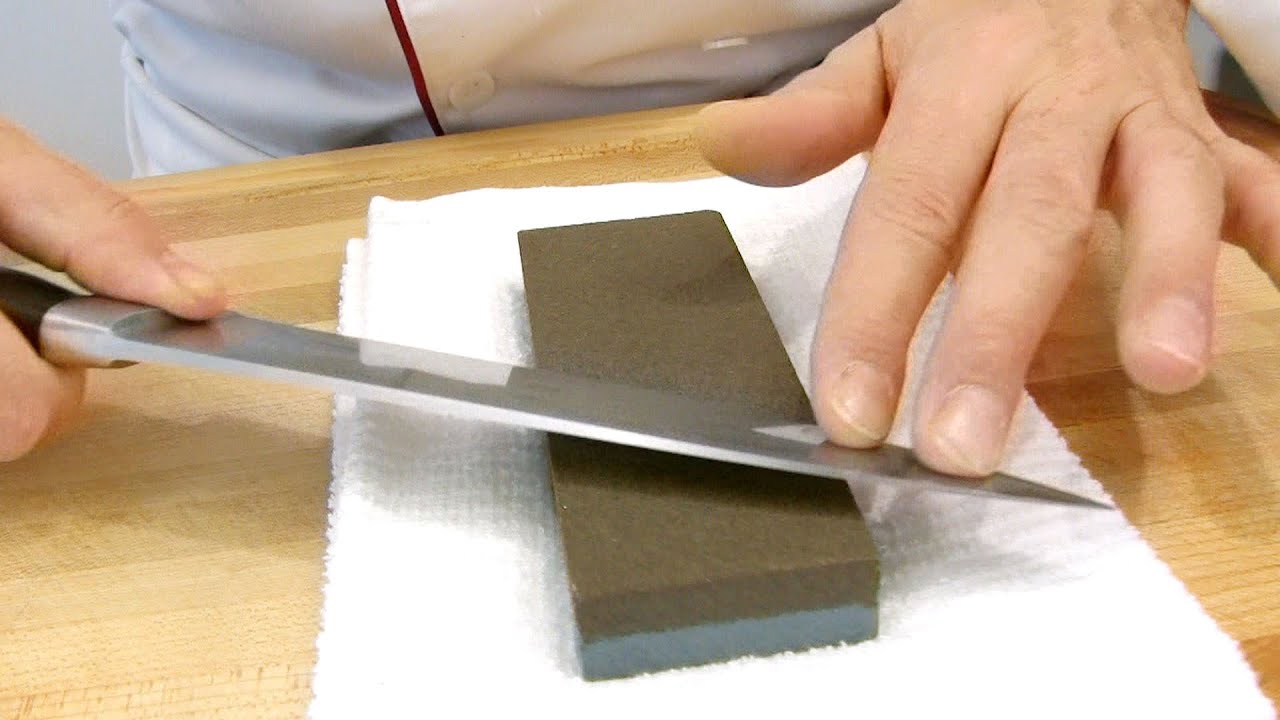
Hold the knife at the right angle against the stone. Usually, this angle is between 15 and 20 degrees. Too steep or too flat angles can damage the blade. Keep the angle steady as you sharpen to get a sharp edge. A small guide or angle holder can help maintain this angle consistently.
Proper Stroke Movements
Move the knife smoothly across the stone. Use long, even strokes, not short or jerky ones. Start at the base of the blade and move to the tip. Sharpen both sides of the blade evenly. This method helps create a balanced and sharp edge.
Consistent Pressure Application
Apply steady, light pressure while sharpening. Pressing too hard can wear the blade unevenly. Too little pressure will not sharpen the knife well. Find a balance and keep it consistent for each stroke. This ensures the stone removes metal evenly along the edge.
Credit: www.youtube.com
Step-by-step Sharpening Process
Sharpening a knife with a stone takes practice and care. The process involves three main steps. Each step uses a different grit stone. Start with a coarse grit to shape the blade. Then, move to medium grit to smooth the edge. Finally, finish with fine grit for a sharp, clean cut.
Starting With Coarse Grit
Use a coarse grit stone to fix dull or damaged edges. Hold the knife at a 20-degree angle against the stone. Push the blade forward across the stone. Apply gentle, even pressure. Repeat this motion about 10 times on one side. Flip the knife and repeat on the other side. This step reshapes the blade quickly.
Refining With Medium Grit
Next, use a medium grit stone to smooth the edge. Keep the same 20-degree angle. Slide the blade over the stone with light pressure. Do 15 strokes on each side. This step removes scratches from the coarse grit. It makes the edge more even and sharp.
Finishing With Fine Grit
Use a fine grit stone for the final polish. Hold the knife at the same angle. Stroke gently across the stone. Make about 20 passes on each side. This step sharpens the blade to a clean, precise edge. It helps the knife cut smoothly and safely.
Testing Sharpness
Testing sharpness is an important step after sharpening a knife with a stone. It helps you check if the blade is ready for use. Sharp knives work better and safer. You can try simple tests to see how sharp your knife is. These tests do not need special tools and are easy to do.
Paper Slice Test
Take a thin sheet of paper. Hold it firmly in one hand. Use the knife to slice through the paper. A sharp knife cuts smoothly and easily. If the knife tears or struggles, it needs more sharpening.
Thumb Nail Test
Gently place the knife edge on your thumbnail. Try to feel if it catches slightly. A sharp knife will grip your nail lightly. Avoid pressing hard to prevent injury. If the blade slides without grip, it is dull.
Visual Edge Inspection
Look closely at the knife edge under good light. A sharp edge looks smooth and even. Dull edges may show tiny chips or rough spots. Shiny or rounded edges indicate dullness. Use a magnifying glass for better view.
Maintaining Your Sharp Edge
Keeping your knife sharp after using a sharpening stone is important. A sharp knife works better and is safer to use. The sharp edge needs care to stay effective. Small habits make a big difference in how long your knife stays sharp.
Here are some easy ways to maintain your knife’s sharp edge every day.
Regular Honing
Honing realigns the knife’s edge without removing much metal. Use a honing rod often, even before cutting food. It keeps the blade straight and sharp. Honing is quick and helps avoid frequent sharpening stones. A well-honed knife cuts clean and precise.
Proper Knife Storage
Store knives where blades do not touch hard surfaces. Use a knife block, magnetic strip, or blade guards. Avoid tossing knives in drawers with other utensils. Proper storage stops dulling and prevents damage. Safe storage also protects your fingers from cuts.
Avoiding Common Mistakes
Do not cut on hard surfaces like glass or stone. Use cutting boards made of wood or plastic. Avoid washing knives in the dishwasher; hand wash and dry immediately. Do not use knives for tasks like opening cans or prying. These habits keep the edge sharp and lasting longer.

Credit: www.dalstrong.co.uk
Frequently Asked Questions
How Do I Choose The Right Sharpening Stone?
Select a stone based on grit size: coarse for dull knives, medium for regular sharpening, and fine for polishing. Consider stone material like whetstone or ceramic for durability and effectiveness. Match the stone to your knife type for best results.
How Long Does It Take To Sharpen A Knife With A Stone?
Sharpening typically takes 10-15 minutes depending on blade dullness and skill level. Consistent, even strokes speed the process. Avoid rushing to ensure a sharp, durable edge without damaging the blade.
Can I Use Water Or Oil With A Sharpening Stone?
Yes, use water or oil depending on stone type. Whetstones usually require soaking in water before use. Oil stones need light oil application to reduce friction and remove metal particles. This enhances sharpening efficiency and stone longevity.
What Angle Should I Hold The Knife On The Stone?
Hold the knife at a 15-20 degree angle for most kitchen knives. This angle balances sharpness and edge durability. Maintain a consistent angle during sharpening to achieve a smooth, sharp edge.
Conclusion
Sharpening a knife with a stone takes practice and patience. Use steady, even strokes to keep the edge sharp. Check the blade often to avoid over-sharpening. A sharp knife makes cutting safer and easier. Keep your stone clean and dry after use.
Regular sharpening helps your knife last longer. Try this simple skill to improve your kitchen work. With time, you will notice better results and smoother cuts. Give it a go, and enjoy using your sharp knife every day.