Last Updated on July 24, 2026
Are you tired of struggling with dull knives every time you cook? Choosing the right tool to sharpen your blades can make all the difference.
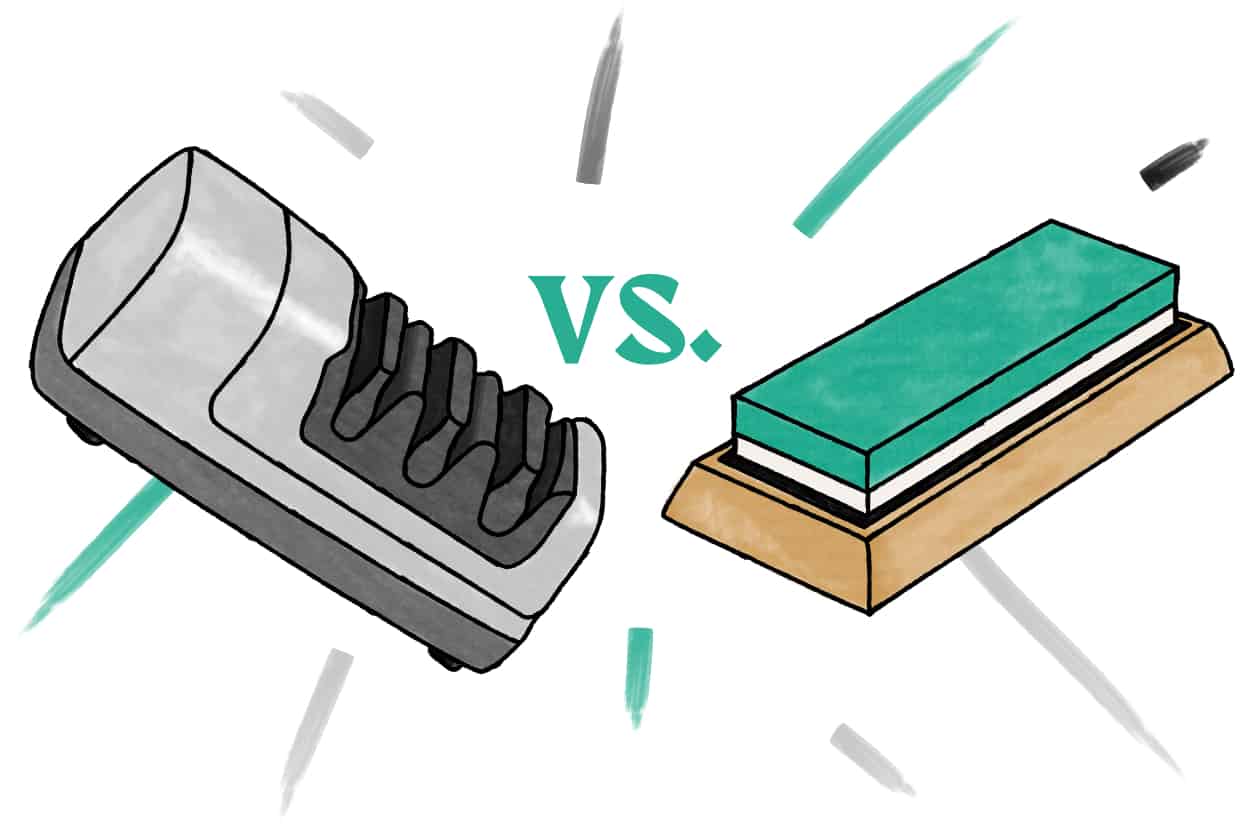
But should you go for a knife sharpener or a whetstone? Both have their fans, but which one will truly bring your knives back to life and keep them sharp longer? You’ll discover the key differences, pros, and cons of each option.
By the end, you’ll know exactly which sharpening method suits your needs—and your kitchen. Keep reading to make your knives as sharp as they deserve to be.
Types Of Knife Sharpeners
Choosing the right knife sharpener can improve your kitchen work. Different types of sharpeners offer various benefits. Understanding these types helps pick the best tool for your knives.
Manual Sharpeners
Manual sharpeners are easy to use and affordable. They usually have slots with abrasive surfaces. Pull the knife through these slots to sharpen the blade. They work fast and require little skill. Great for quick touch-ups in the kitchen.
Electric Sharpeners
Electric sharpeners use motorized wheels to sharpen knives. They save time and effort by doing most work automatically. Some models have different stages for sharpening and polishing. They suit those who want fast, consistent results. These sharpeners need power and careful handling.
Whetstones
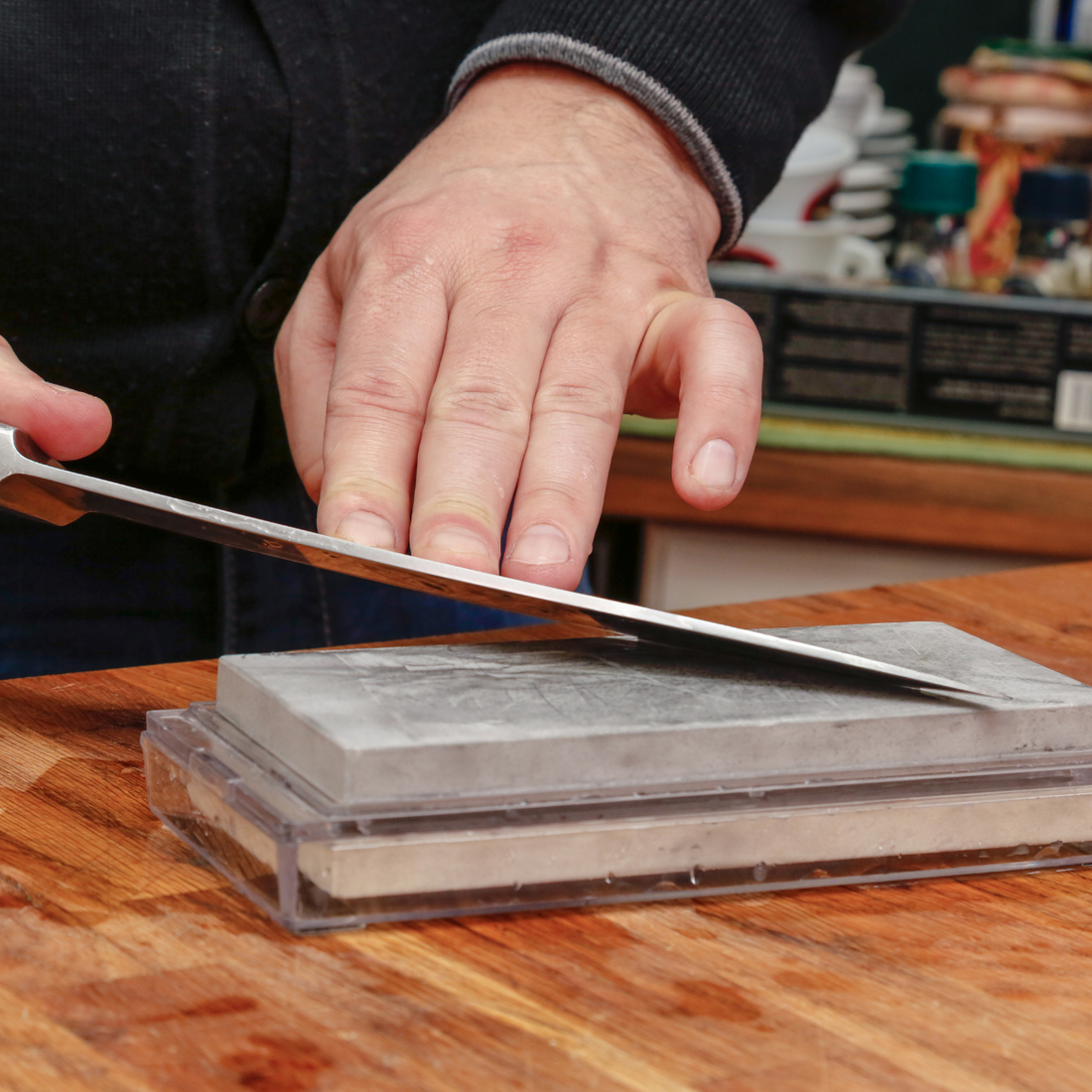
Whetstones are traditional tools made from natural or synthetic stone. They require more skill and patience but give excellent results. Wet the stone before use to reduce friction and protect the blade. Move the knife at a steady angle across the stone. Whetstones work well for all blade types and sizes.
Credit: virginiaboyskitchens.com
How Knife Sharpeners Work
Knife sharpeners work by restoring the blade’s edge. They remove small amounts of metal to make the blade sharp again. This process improves cutting performance and safety. Different sharpeners use different methods to do this job.
Sharpening Mechanism
Most knife sharpeners use abrasive surfaces to grind the blade. This can be a rotating wheel or fixed slots with abrasive material. The blade is pulled through or pushed against these surfaces. The friction sharpens the blade by shaping its edge.
Electric sharpeners usually have motorized wheels that spin fast. Manual sharpeners rely on user control to maintain pressure and angle. Both work by rubbing the blade on abrasive parts to sharpen it.
Material And Grit Differences
Abrasive materials vary from diamond to ceramic or tungsten carbide. Diamond is very hard and removes metal quickly. Ceramic is gentler and used for fine sharpening. Grit size matters too. Coarse grit removes more metal fast. Fine grit polishes the blade for a sharper edge.
Choosing the right material and grit depends on blade condition. Dull or damaged blades need coarse grit first. Light touch-ups use fine grit for a smooth finish.
Angle Control
Angle control is key for effective sharpening. The blade must meet the abrasive at the correct angle. Most sharpeners have guides or slots to keep this angle steady. This helps create a uniform edge along the blade.
Maintaining a consistent angle prevents uneven sharpening. It also protects the blade from damage. Good angle control means sharper knives and longer blade life.
Benefits Of Using Knife Sharpeners
Knife sharpeners offer many benefits for keeping your knives sharp. They save time and effort. Many people find them easier to use than traditional whetstones. Sharpeners are also compact and easy to carry. These advantages make them popular for home cooks and professionals.
Speed And Convenience
Knife sharpeners work quickly. You can sharpen a knife in minutes. They require less skill to get good results. This saves time in busy kitchens. No need to spend extra time learning a new skill.
Ease Of Use
Knife sharpeners are simple to operate. Most have guides to hold the knife at the right angle. This reduces mistakes that can damage blades. Beginners can sharpen knives safely and easily. No special training is needed to use them well.
Portability
Knife sharpeners are small and lightweight. You can take them anywhere. Perfect for camping trips or travel. They fit in kitchen drawers without taking much space. Easy to store and carry for on-the-go sharpening.
Benefits Of Using Whetstones
Whetstones help keep knives sharp with great control. They allow you to sharpen blades smoothly without damage. Using whetstones takes some practice but gives excellent results. They are a traditional tool trusted by many cooks and chefs.
Whetstones work by grinding the blade edge gently. This helps keep the knife sharper for longer. They also allow you to sharpen many types of knives safely. The process feels natural and lets you adjust how sharp you want the blade.
Precision Sharpening
Whetstones give very precise sharpening. You can control the angle and pressure easily. This helps create a sharp, clean edge on the blade. It works well for both small and large knives. Precise sharpening keeps your knife cutting smoothly and safely.
Customizable Grit Options
Whetstones come in different grits for various tasks. Coarse grits fix dull or damaged edges quickly. Medium grits sharpen blades for daily use. Fine grits polish the blade for a razor-sharp finish. This variety lets you choose the best stone for your knife’s needs.
Long-term Blade Care
Using whetstones helps protect the blade over time. They remove less metal than electric sharpeners. This keeps the blade strong and durable. Regular whetstone use maintains the knife’s shape and sharpness. It extends the life of your knives significantly.
Drawbacks Of Knife Sharpeners
Knife sharpeners offer quick and easy blade maintenance. Many people prefer them for their speed and convenience. Yet, these tools come with some drawbacks. Understanding these limits helps in choosing the right sharpening method.
Potential Blade Damage
Knife sharpeners can harm blades if used wrongly. They may remove too much metal quickly. This shortens the blade’s life span. Some sharpeners use harsh abrasives that create uneven edges. Over time, this weakens the knife and reduces sharpness.
Limited Sharpening Angles
Most knife sharpeners have fixed sharpening angles. This limits the blade’s edge shape. Different knives need different angles for best results. A fixed angle may not suit all knife types. This can make blades less sharp or dull faster.
Cost Considerations
Knife sharpeners vary in price from cheap to expensive. High-quality sharpeners cost more but last longer. Low-cost options may wear out or break quickly. Replacing damaged knives can be costly too. Budgeting for a sharpener and blade care is important.
Credit: homeexplained.com
Drawbacks Of Whetstones
Whetstones have been a popular tool for sharpening knives for centuries. They offer precision and control, but they come with some downsides. Understanding these drawbacks helps you decide if a whetstone fits your needs.
Learning Curve
Using a whetstone requires skill. You must hold the blade at the right angle. Too steep or too flat damages the edge. Beginners often struggle to keep a steady hand. It takes practice to sharpen evenly and effectively.
Time-consuming Process
Sharpening with a whetstone is slow. It needs patience and attention. Rushing can ruin the knife’s edge. Each side must be worked on carefully. This process is not ideal for quick fixes.
Maintenance Requirements
Whetstones need regular care. They must be soaked before use. After sharpening, cleaning and flattening are necessary. Neglecting maintenance reduces their lifespan. Proper upkeep means extra time and effort.
Choosing The Right Sharpening Tool
Choosing the right sharpening tool can make a big difference in how well your knives work. Both knife sharpeners and whetstones have their strengths. Picking the best one depends on several important factors. This guide will help you decide which tool fits your needs and skills best.
Blade Type Compatibility
Different blades need different sharpening methods. Some knives have very hard steel. These need a whetstone for the best edge. Softer blades may work well with a knife sharpener. Serrated knives need special tools. Check your knife’s blade type before choosing a sharpener. This protects the blade and keeps it sharp longer.
Skill Level
Using a whetstone takes practice and patience. It requires steady hands and some knowledge. A knife sharpener is easier for beginners. It has guides and fixed angles that help you sharpen quickly. Choose a tool that matches your skill to avoid damaging your knives.
Frequency Of Use
How often you sharpen matters. Frequent use needs a tool that is fast and simple. A knife sharpener fits this need well. If you sharpen knives rarely, a whetstone is a good choice. It gives a very fine edge but takes more time. Pick a tool that suits how often you sharpen.
Sharpening Techniques For Best Results
Sharpening knives correctly improves their performance and life. Choosing the right technique depends on the tool and your comfort level. Both knife sharpeners and whetstones offer effective ways to sharpen blades. Each method needs care and the right steps to get the best results.
Using A Knife Sharpener Safely
Hold the sharpener firmly on a flat surface. Place the knife blade in the sharpening slot. Pull the blade gently through the sharpener from heel to tip. Repeat this motion a few times for a sharp edge. Avoid pressing too hard to prevent blade damage. Always keep fingers away from the blade path. Clean the knife and sharpener after use to remove metal shavings.
Whetstone Sharpening Steps
Soak the whetstone in water for 10 to 15 minutes. Place it on a stable surface with the coarse side up. Hold the knife at a 15 to 20-degree angle. Move the blade across the stone in a sweeping motion. Sharpen both sides evenly to keep the edge balanced. Flip the stone to the fine side to polish the blade. Rinse the knife and stone after sharpening to remove residue.
Maintaining The Edge
Use a honing rod regularly to keep the edge aligned. Store knives in a block or on a magnetic strip. Avoid cutting on hard surfaces like glass or stone. Dry knives immediately after washing to prevent rust. Sharpen knives before they become too dull for easier maintenance. Consistent care extends the sharpness and life of your knives.
Care And Maintenance Tips
Proper care and maintenance keep your knives sharp and safe to use. Both knife sharpeners and whetstones need attention to work well. Cleaning, storing, and sharpening on time help your blades last longer.
Cleaning Sharpening Tools
Clean your knife sharpener or whetstone after every use. Remove metal particles and debris with a soft brush or cloth. Avoid using harsh chemicals that can damage the surface. Dry tools completely to stop rust or mold growth.
Storing Blades Properly
Store knives in a dry place away from moisture. Use knife blocks, magnetic strips, or blade guards to protect edges. Avoid tossing knives in drawers with other utensils. Proper storage keeps blades sharp and prevents accidents.
Regular Sharpening Schedule
Sharpen knives regularly based on use frequency. Dull knives need more frequent sharpening to stay effective. Use the right tool for your blade type. Consistent sharpening improves cutting performance and safety.
Credit: www.reddit.com
Frequently Asked Questions
What Is The Main Difference Between A Knife Sharpener And Whetstone?
A knife sharpener uses mechanical or electric tools to sharpen blades quickly. A whetstone requires manual sharpening by grinding the blade on stone. Whetstones offer more control and precision, while sharpeners are faster and easier for beginners.
Which Is Better For Beginners: Knife Sharpener Or Whetstone?
Knife sharpeners are better for beginners due to their ease of use and quick results. Whetstones need skill and practice to use effectively. Beginners can achieve a sharp edge faster with sharpeners but may miss the precision whetstones provide.
Can A Whetstone Sharpen All Types Of Knives?
Yes, a whetstone can sharpen almost all knife types, including kitchen, hunting, and pocket knives. It allows for customized sharpening angles and finer edges. Some very hard or serrated blades may require special stones or techniques.
How Often Should I Sharpen Knives With A Whetstone?
Sharpen knives with a whetstone every 3 to 6 months, depending on usage. Frequent cooks may need sharpening monthly. Regular honing can extend sharpness between sharpening sessions to maintain blade performance.
Conclusion
Choosing between a knife sharpener and a whetstone depends on your needs. Sharpeners are quick and easy to use. Whetstones take more time but give a finer edge. Both can keep your knives sharp and ready. Think about your skill level and how often you sharpen.
Simple tools or more control? Either way, a sharp knife makes cooking safer and easier. Keep your blades in good shape for better results. Your choice, your kitchen style.