Last Updated on July 25, 2026
When you’re choosing dinnerware or collectibles, the terms “Bone China” and “Porcelain” often come up. But what exactly sets them apart?
You might wonder which one is more durable, elegant, or worth your investment. Understanding the differences can help you make smarter choices for your home or collection. You’ll discover the key features, benefits, and uses of Bone China and Porcelain—so you can confidently pick what suits your style and needs best.
Keep reading to uncover the secrets behind these beautiful materials.

Credit: kaitlinmadden.com
Materials And Composition
Understanding the materials and composition helps to see the real difference between bone china and porcelain. Both are types of fine ceramics but have unique ingredients. These ingredients affect their look, feel, and strength.
Knowing what goes into each type gives insight into their uses and care needs. The materials shape how delicate or durable the product is. Let’s break down the main components of each.
Ingredients In Bone China
Bone china contains bone ash, which is its key ingredient. This ash comes from animal bones, usually cows. It makes the china strong and slightly translucent. The mix also includes kaolin clay and feldspar. These add to its smooth texture and durability. Bone china fires at lower temperatures than porcelain. This process keeps its delicate look but adds toughness.
Components Of Porcelain
Porcelain mainly uses kaolin clay, feldspar, and quartz. It does not include bone ash. Kaolin clay gives porcelain its white color and hardness. Feldspar acts as a flux, helping the materials fuse during firing. Quartz adds strength and prevents shrinkage. Porcelain is fired at higher temperatures than bone china. This makes it very hard and less porous.
Manufacturing Process
The manufacturing process of Bone China and Porcelain shapes their unique qualities. Each type has a special way of turning raw materials into beautiful, durable dishes. Understanding these steps reveals why Bone China is known for its delicate look and why Porcelain is so strong and classic.
Crafting Bone China
Bone China starts with mixing fine clay, bone ash, and other minerals. The bone ash comes from animal bones, giving the china its strength and whiteness. The mix is ground into a smooth paste and shaped by hand or mold. After shaping, it dries slowly to avoid cracks.
Next, the items are fired at a low temperature to harden them slightly. Then, they get a glaze coating for smoothness and shine. Finally, a second firing at a higher temperature makes the china strong but still thin and translucent.
Porcelain Production Steps
Porcelain uses kaolin clay, feldspar, and quartz. These materials create a hard, glass-like surface after firing. The ingredients are mixed into a fine powder and combined with water to form a workable paste.
The paste is shaped on a wheel or in molds. After shaping, it dries completely. The first firing, called bisque firing, removes moisture and hardens the piece.
Then, a glaze is applied to give a shiny, waterproof finish. The final firing happens at a very high temperature. This makes porcelain strong, dense, and slightly translucent.
Appearance And Texture
Appearance and texture play a big role in choosing between bone china and porcelain. Both look delicate but have clear differences. These differences affect how they fit in your home or table setting.
Visual Differences
Bone china often has a warm, creamy color. Its surface looks smooth and slightly translucent. Light can pass through its thin edges, giving it a soft glow.
Porcelain usually has a whiter and cooler tone. It looks more solid and less transparent. The finish is shiny but feels harder compared to bone china.
Feel And Weight Comparison
Bone china feels lighter and thinner in hand. It has a delicate touch but remains strong. This makes it comfortable to hold and use daily.
Porcelain is thicker and heavier. It feels firmer and more rigid. This weight can make it feel more durable but less delicate.
Durability And Strength
Durability and strength are key factors when choosing between bone china and porcelain. Both materials are known for their beauty and delicate appearance. Yet, they differ in how they handle daily wear and tear. Understanding these differences helps pick the right choice for your needs.
Resistance To Chipping
Bone china is famous for its toughness. It contains bone ash, which adds strength to the material. This makes it less likely to chip or crack during use. Porcelain is also strong but can be more fragile. It chips easier, especially around edges and rims. For families with children, bone china offers better durability.
Heat And Stain Resistance
Porcelain holds up well against heat. It can go from oven to table without damage. Bone china handles heat but not as well as porcelain. Both resist stains from coffee and tea. Porcelain’s dense surface makes cleaning easier. Bone china may need gentle care to avoid marks.
Cost And Value
Cost and value are key factors when choosing between bone china and porcelain. Both materials offer beauty and quality, but their prices and worth differ. Knowing these differences helps you make a smart choice for your budget and needs.
Price Range Comparison
Bone china tends to be more expensive than porcelain. This is due to its higher quality and the materials used. Porcelain can be found at various prices, from budget-friendly to high-end. Bone china usually starts at a higher price point and goes up.
Porcelain offers more options for different budgets. Bone china is often seen as a luxury choice. The price reflects its thin, delicate look and strong feel.
Longevity And Investment
Both bone china and porcelain last a long time with care. Bone china is slightly more durable and chip-resistant. This makes it a better investment for daily use. Porcelain can be fragile but holds its beauty well.
Buying quality bone china means you get value over many years. Porcelain may need more careful handling but can still be a good investment. Your choice depends on how you plan to use and care for the pieces.
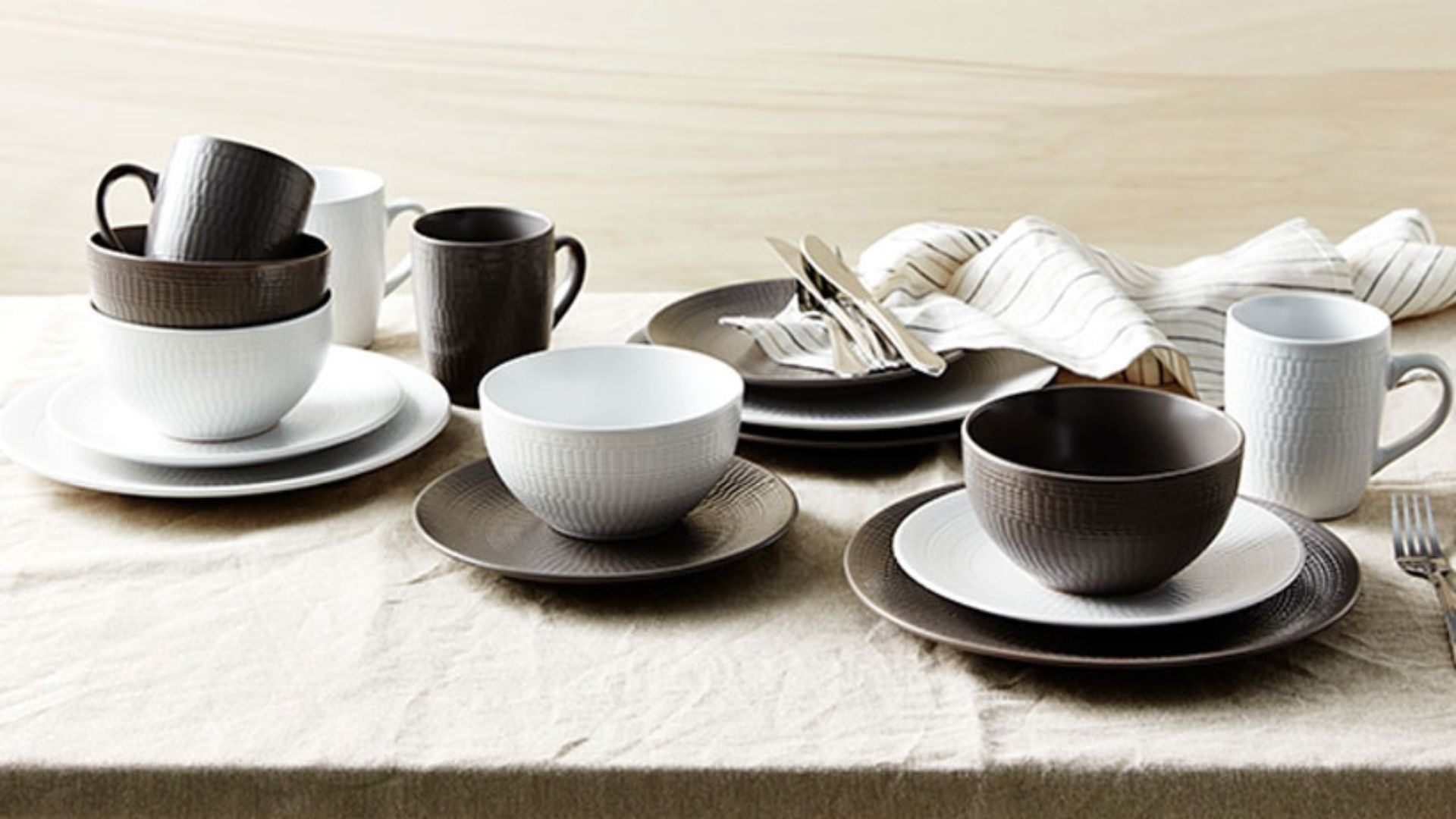
Credit: www.harrisscarfe.com.au
Care And Maintenance
Bone china and porcelain are delicate materials. Proper care keeps them beautiful and lasts longer. Both need gentle handling and cleaning to avoid damage.
Cleaning and storing these items the right way preserves their shine and strength. Care methods differ slightly between bone china and porcelain.
Cleaning Tips For Bone China
Use warm water and mild dish soap for washing bone china. Avoid harsh chemicals or abrasive scrubbers that can scratch the surface.
Hand wash gently with a soft sponge or cloth. Do not soak bone china for long periods.
Dry pieces carefully with a soft towel. Avoid stacking wet items to prevent scratches.
For stubborn stains, use a paste of baking soda and water. Rub gently and rinse well.
Maintaining Porcelain Dinnerware
Porcelain is strong but can chip if handled roughly. Avoid sudden temperature changes to prevent cracks.
Hand wash with mild detergent and warm water. Use a soft cloth or sponge to clean.
Porcelain can be dishwasher safe, but place items carefully to avoid bumping.
Store plates and cups with soft padding between to avoid scratches and chips.
Best Uses And Settings
Choosing between bone china and porcelain depends on the occasion and setting. Each type of dinnerware has unique qualities that suit different events. Understanding their best uses helps you select the right one for your needs.
Occasions For Bone China
Bone china shines in formal and special events. Its delicate appearance and smooth texture make it perfect for weddings and fine dining. It impresses guests with its elegant look and light feel. Bone china also works well for holiday dinners and celebrations. Use it when you want to add a touch of luxury to the table.
Ideal Situations For Porcelain
Porcelain suits everyday use and casual meals. It is strong and resists chips better than bone china. Porcelain works well in busy households and restaurants. It handles microwave and dishwasher safely. This makes it a practical choice for daily dining. Porcelain also fits well in rustic or modern kitchen settings. It offers style without needing extra care.

Credit: shokkidecor.com
Environmental Impact
The environmental impact of tableware matters to many buyers today. Both bone china and porcelain have unique effects on the planet. Understanding these effects helps make smarter choices. Production, materials, and lifespan all play roles in their eco footprint.
Energy use and raw material sourcing affect how green each option is. Waste and recyclability are important too. Let’s explore these aspects in detail.
Sustainability Of Bone China
Bone china uses bone ash, clay, and feldspar. Bone ash comes from animal bones, a natural but limited resource. This raises concerns about animal welfare and resource renewal.
The firing process needs high heat, consuming much energy. This adds to its carbon footprint. Bone china is strong and lasts long, reducing the need for replacements.
Its durability helps lower waste over time. Yet, the use of animal products may not suit all eco-friendly standards.
Eco-friendliness Of Porcelain
Porcelain mainly uses kaolin clay, quartz, and feldspar. These minerals are natural and abundant. Mining impacts the land but is less controversial than using bones.
Porcelain also requires high firing temperatures, which consumes energy. Some manufacturers use cleaner energy sources to reduce impact.
Porcelain is highly durable and often recyclable. It breaks less easily, which means fewer replacements and less waste.
Its simple natural ingredients and recyclability make porcelain a greener choice for many.
Frequently Asked Questions
What Is The Main Difference Between Bone China And Porcelain?
Bone china contains bone ash, making it stronger and more translucent. Porcelain is made from kaolin clay, offering a denser, less translucent finish.
Which Is More Durable, Bone China Or Porcelain?
Bone china is more durable due to added bone ash, making it chip-resistant. Porcelain is strong but more prone to chipping.
How To Identify Bone China Vs Porcelain At Home?
Bone china is thinner and more translucent when held to light. Porcelain is thicker and less translucent with a more opaque appearance.
Is Bone China More Expensive Than Porcelain?
Yes, bone china is generally more expensive due to its complex production and premium materials. Porcelain is more affordable and widely available.
Conclusion
Bone china and porcelain each have unique qualities. Bone china is lighter and more translucent. Porcelain is stronger and less expensive. Both materials suit different needs and styles. Choose based on durability, appearance, and budget. Either way, you get elegant and timeless dishware.
Understanding their differences helps make a smart choice. Enjoy your beautiful tableware every day.