Last Updated on July 26, 2026
Have you ever found yourself confused about the difference between flatware and silverware? You’re not alone.
Many people use these words interchangeably, but they actually mean different things. Understanding the difference can help you choose the right utensils for your meals, impress your guests, and even make smarter buying decisions. You’ll discover exactly what sets flatware apart from silverware and why it matters to you.
Keep reading—you might be surprised by what you learn.
Flatware Basics
Flatware is a common term used to describe the utensils we use every day for eating. It includes forks, knives, spoons, and other tools found on the dining table. Flatware is different from silverware, which specifically means utensils made of silver or silver-plated material.
Understanding flatware helps you choose the right set for your home or special occasions. The style, material, and type can change the dining experience. Let’s explore the basics of flatware to know what makes it special and useful.
Common Flatware Items
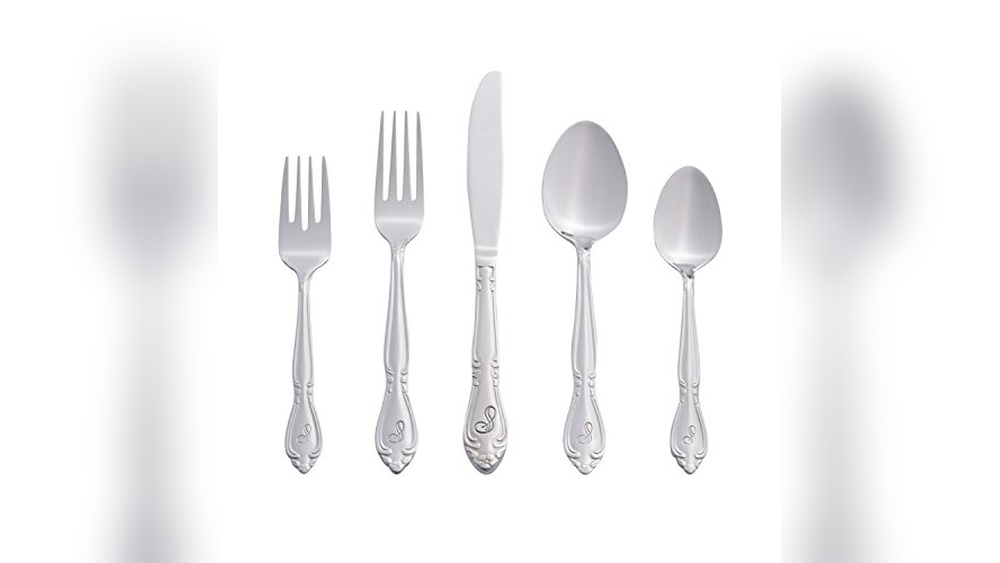
Flatware sets usually include these basic items:
- Forks – used for picking up food
- Knives – used for cutting food
- Spoons – used for eating soups or stirring drinks
- Teaspoons – smaller spoons for tea or desserts
Some flatware sets also have special pieces like salad forks or butter knives. Each piece has a specific purpose on the dining table.
Materials Used In Flatware
Flatware comes in many materials. The choice affects the look and feel of your utensils. Common materials include:
- Stainless Steel – strong, easy to clean, and rust-resistant
- Silver – shiny and elegant but requires care to avoid tarnish
- Plastic – cheap and disposable, mostly for casual use
- Bamboo or Wood – natural and eco-friendly, used for special occasions
Each material suits different needs. Stainless steel is the most popular for everyday use. Silver adds a touch of luxury but needs more care.
Silverware Essentials
Silverware adds elegance to your dining experience. It includes various utensils used for eating and serving food. Knowing what silverware is helps you choose the right pieces for your table.
Silverware is more than just forks and spoons. It carries history, style, and function. Understanding its types and materials makes buying easier and smarter.
What Qualifies As Silverware
Silverware means utensils made from silver or silver-like materials. Common items include forks, spoons, knives, and serving tools. The name comes from the use of silver in crafting these items.
Silverware often includes pieces for special occasions. These can be more decorative and heavier than regular flatware. The use of silver gives these items a unique shine and value.
Sterling Silver Vs Silver-plated
Sterling silver is 92.5% pure silver mixed with other metals. It is durable and holds value over time. Sterling silver often has a stamp, such as “925,” to show purity.
Silver-plated items have a thin layer of silver over a base metal. They are less expensive but can wear out faster. Silver plating may fade or tarnish more easily than sterling silver.
Choosing between sterling and silver-plated depends on budget and use. Sterling silver suits collectors and formal dining. Silver-plated works well for casual meals or decoration.
Material Differences
The choice between flatware and silverware often comes down to the materials used. These materials affect appearance, feel, and care requirements. Understanding the main differences helps in picking the right option for your needs.
Stainless Steel Vs Silver
Flatware is mostly made from stainless steel. This metal resists rust and stains well. It looks shiny and modern.
Silverware is made from silver or silver-plated metals. Silver has a classic, elegant look. It can tarnish over time and needs polishing.
Durability And Maintenance
Stainless steel flatware is strong and easy to clean. It resists dents and scratches. You can wash it in a dishwasher safely.
Silverware is softer and can scratch easily. It requires gentle hand washing. Regular polishing keeps its shine and stops tarnish.

Credit: www.impruvellc.com
Cost Comparisons
Cost plays a big role in choosing between flatware and silverware. Understanding the price differences helps make the right choice for your budget. Both options vary in price based on material, design, and brand.
Price Ranges For Flatware
Flatware usually costs less than silverware. Basic sets made of stainless steel start around $20 to $50. Mid-range sets with better quality steel or unique designs can go up to $100 or more. Some designer flatware sets may cost even higher but remain affordable for most households.
Flatware is widely available and suits everyday use. Its price fits well for families and casual dining.
Investment In Silverware
Silverware tends to be more expensive than flatware. Sterling silver sets often start at $200 and can reach thousands of dollars. The price depends on silver purity, craftsmanship, and brand reputation.
Many consider silverware an investment. It may increase in value over time. Silverware is often passed down through generations as heirlooms.
While costly, silverware offers elegance and durability. It suits special occasions and formal dining settings.
Usage And Occasions
Understanding when to use flatware or silverware helps set the right tone for meals. Both have distinct roles depending on the occasion. Choosing the right type makes dining more enjoyable and appropriate.
Everyday Use
Flatware is perfect for daily meals. It is usually made from stainless steel. This makes it durable and easy to clean. Families often prefer flatware for breakfast, lunch, and dinner. It suits casual settings and quick meals. Flatware handles rough use and frequent washing well. It is also cost-effective for everyday needs.
Special Events And Formal Dining
Silverware often appears at formal dinners and special events. It may be made from sterling silver or silver-plated materials. Silverware adds elegance to the table setting. It shows care and respect for guests. People use silverware for weddings, holiday dinners, and important celebrations. It requires gentle handling and regular polishing. Silverware creates a luxurious dining atmosphere.
:max_bytes(150000):strip_icc()/flatware-vs-silverware-GettyImages-1163969129-3x2-1-b25ada7504834e098ce10088a57618c2.jpg)
Credit: www.allrecipes.com
Care And Cleaning Tips
Caring for flatware and silverware keeps them looking good and lasting longer. Proper cleaning stops stains and damage. It helps maintain their shine and finish. Good care means your utensils stay safe to use. Follow simple steps to clean and keep them bright.
Cleaning Flatware
Wash flatware soon after use to avoid stains. Use warm water and mild dish soap. Clean with a soft sponge or cloth. Avoid abrasive scrubbers that can scratch the surface. Rinse well to remove all soap. Dry flatware with a clean towel to prevent water spots. Store in a dry place to keep flatware fresh.
Maintaining Silverware Shine
Silverware needs special care to keep its shine. Use a silver polish or a gentle cleaner made for silver. Rub polish gently with a soft cloth. Do not use harsh chemicals or steel wool. Rinse and dry silverware thoroughly after polishing. Store silverware in anti-tarnish bags or cloth. Keep silverware away from air and moisture to stop tarnish.
Choosing The Right Set
Choosing the right set of flatware or silverware shapes your dining experience. It affects how your table looks and how comfortable you feel using the utensils. This choice is more than picking something pretty. It is about finding a set that fits your daily needs and style.
Matching Style And Function
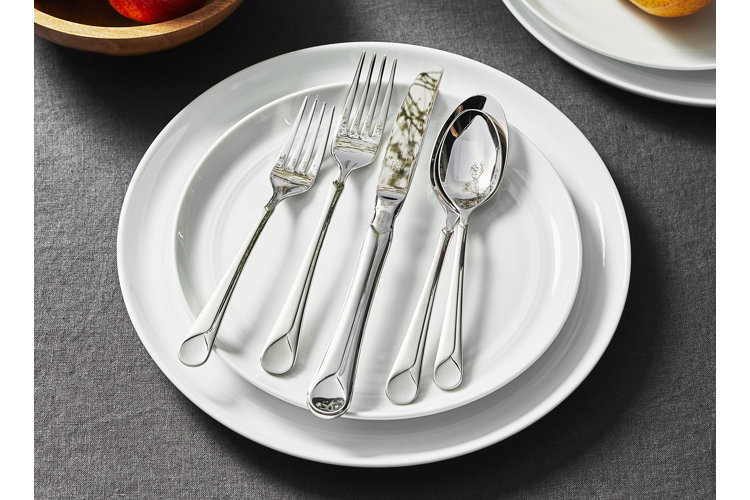
Think about the design that fits your home and meals. Flatware often has simple, modern looks. Silverware tends to be more elegant and classic. Choose a style that matches your dishes and table setting. Consider how you will use the set. Heavy pieces may feel nice but can be hard to use for children. Light sets work well for everyday meals. Make sure the utensils are easy to hold and clean.
Budget Considerations
Set a clear budget before buying. Flatware usually costs less than silverware. Silverware often contains real silver or higher-quality metals. This makes it more expensive but also more durable. Think about how often you will use the set. For daily use, a budget-friendly flatware set works well. For special occasions, you might want to invest in silverware. Balancing cost and quality is key. Don’t spend too much or too little. Choose what fits your wallet and needs.
Credit: www.wayfair.com
Frequently Asked Questions
What Is The Difference Between Flatware And Silverware?
Flatware refers to eating utensils made from various materials like stainless steel. Silverware specifically means utensils made from silver or silver-plated metal. Flatware is a broader category, while silverware is a type of flatware with precious metal content.
Is Silverware Better Than Flatware For Daily Use?
Silverware is elegant but requires more care and polishing. Flatware, often stainless steel, is durable, affordable, and dishwasher-safe. For daily use, flatware is more practical and convenient than silverware.
Can Flatware Include Non-metal Utensils?
Typically, flatware includes metal eating utensils like forks, knives, and spoons. Non-metal utensils like plastic or wooden ones are generally not considered flatware. Flatware mainly refers to metal table utensils used for dining.
How To Care For Silverware Properly?
Silverware needs gentle cleaning to avoid tarnish. Use mild soap, avoid harsh detergents, and dry immediately. Regular polishing keeps silverware shiny and extends its lifespan.
Conclusion
Choosing between flatware and silverware depends on your needs and style. Flatware is everyday-friendly and affordable. Silverware adds a touch of class and lasts longer. Both serve the same basic purpose at your table. Think about how often you use them.
Consider your budget and care routine. Either choice can make meals more enjoyable. Simple, practical, or elegant—your table, your rules.