Last Updated on August 26, 2026
How long to cook pasta may vary on many factors. Cook pasta for 8-12 minutes until al dente. Proper cooking time ensures perfect pasta texture.
Pasta is a versatile dish that can be enjoyed in various ways, from simple spaghetti with marinara sauce to elaborate lasagna with multiple layers of cheese and meat. Whether you prefer classic spaghetti, creamy fettuccine Alfredo, or spicy penne arrabbiata, there is a pasta dish to suit every palate.
Cooking pasta to perfection is a skill that can elevate any meal, turning a simple dinner into a culinary delight. Following a few key steps and techniques, you can ensure that your pasta is cooked to just the right consistency and flavor, ready to be enjoyed with your favorite sauce or toppings.
Table of Contents
The Art Of Perfect Pasta
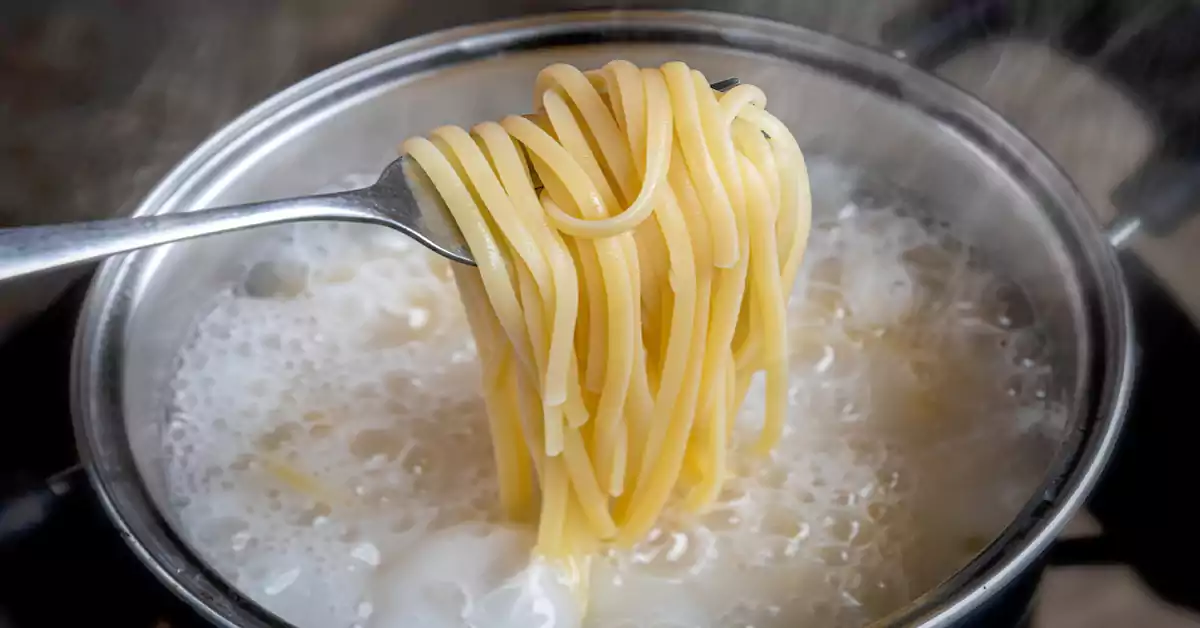
Pasta, a staple in many kitchens, is a versatile and delicious dish that can be enjoyed in many ways. However, achieving the perfect texture and taste requires precision in cooking. In this guide, we delve into the art of perfect pasta, covering everything from selecting the right pasta to the importance of water quantity.
Choosing The Right Pasta
When selecting pasta, consider the sauce you plan to pair it with. Thin, delicate sauces work best with long, thin pasta like spaghetti or angel hair, while thicker sauces pair well with short, sturdy pasta such as penne or rigatoni. The shape and texture of the pasta should complement the overall dish, enhancing the dining experience.
Importance Of Water Quantity
Using an adequate amount of water is crucial for cooking pasta perfectly. For every pound of pasta, use at least four quarts of water. This ensures that the pasta has enough space to cook evenly and prevents it from sticking together. Additionally, adding salt to the water enhances the pasta’s flavor and helps in cooking it to perfection.
Timing Is Everything
Reading The Package Instructions
Always refer to the package instructions for the recommended cooking time when cooking pasta. Different types of pasta may require varying cooking times, so it’s crucial to follow the instructions provided by the manufacturer.
Adjustments For Altitude
Adjusting the cooking time is essential for individuals residing in high-altitude areas. Water boils at a lower temperature at higher altitudes, which can affect the cooking process. Generally, it may be necessary to increase the cooking time when preparing pasta in high-altitude regions.
Salt: The Pasta Enhancer
When cooking pasta, salt plays a crucial role in enhancing its flavor. Adding the right amount of salt at the right time can significantly affect the taste and texture of your pasta dish. In this section, we will explore the importance of salt in cooking pasta and provide guidelines on how much salt to add and when to add it.
How Much Salt To Add
To ensure that your pasta is appropriately seasoned, add 1-2 tablespoons of salt for every pound (450 grams) of pasta. This may seem like a lot, but remember that the pasta will not fully absorb the salt. Instead, it will enhance the flavor of the boiling water, which the pasta will absorb as it cooks.
Timing Of Salt Addition
The timing of when you add salt to the pasta water is also crucial. It is best to add the salt right after the water comes to a boil but before adding the pasta. This allows the salt to dissolve and distribute evenly throughout the water, ensuring that every strand of pasta is properly seasoned as it cooks. Adding salt too early can cause the water to take longer to reach a boil, while adding it too late may result in uneven seasoning.
In conclusion, salt is a vital ingredient when cooking pasta as it enhances the flavor and ensures a well-seasoned dish. By following the guidelines of how much salt to add and when to add it, you can elevate the taste of your pasta and create a delicious meal that will satisfy your taste buds.
To Oil Or Not To Oil
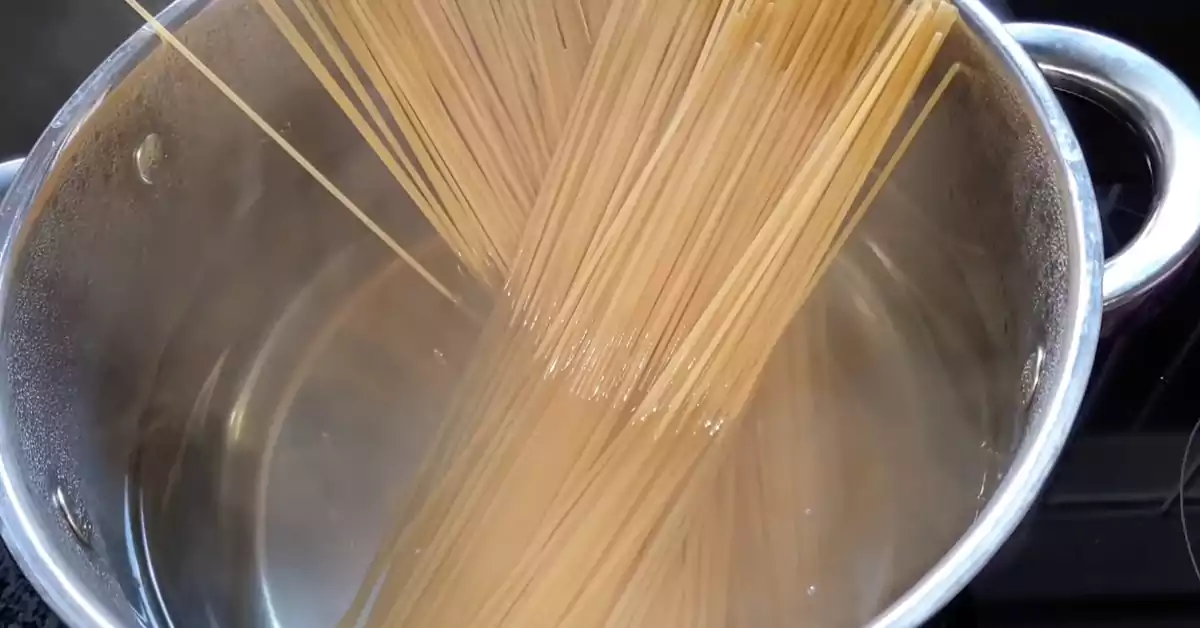
When cooking pasta, one question often arises about whether or not to add oil to the cooking water. While some swear by this method, others believe it’s unnecessary. This section will explore the myths about oil and when it may be worth considering.
Myths About Oil
There are a few common myths surrounding the use of oil when cooking pasta. Let’s debunk them one by one:
- Myth 1: Adding oil prevents pasta from sticking together.
- Myth 2: Oil enhances the flavor of pasta.
- Myth 3: Oil prevents the water from boiling over.
Now that we have cleared up these misconceptions let’s discuss when adding oil to pasta cooking water may be appropriate.
When To Consider Oil
While it’s true that oil doesn’t prevent pasta from sticking together, there are a few scenarios where adding a small amount of oil can be beneficial:
- When using fresh pasta sheets, remember that Fresh pasta has a higher moisture content, and a touch of oil can help prevent it from clumping together.
- When cooking stuffed pasta: Stuffed pasta, like ravioli or tortellini, is delicate and prone to breaking. Adding a little oil can help keep them intact during the cooking process.
- When cooking pasta in advance: If you plan on cooking pasta ahead of time, adding oil can help prevent it from sticking together as it cools.
It’s important to note that adding oil to your pasta cooking water won’t drastically change the taste or texture of the pasta. So, if none of the above scenarios apply, skip the oil altogether.
Stirring: A Crucial Step
When To Stir
Stirring pasta is a crucial step that should be initiated immediately after adding the pasta to the boiling water. This prevents the pasta from sticking together and to the bottom of the pot. Stirring also ensures even cooking, resulting in perfectly al dente pasta.
Techniques For Preventing Sticking
Preventing pasta from sticking requires a few simple techniques. Firstly, use an ample amount of water to cook the pasta. Approximately 4-6 quarts of water per pound of pasta is recommended. Secondly, add a generous amount of salt to the boiling water before adding the pasta. This not only enhances the flavor but also helps prevent sticking. Additionally, stirring the pasta frequently during the first few minutes of cooking is essential to prevent clumping. Lastly, adding a small amount of oil to the water can also help to prevent sticking, although this is optional and not always necessary.
The Al Dente Mystery
What Is Al Dente?
Al dente means “to the tooth” in Italian.
Pasta is cooked until firm but not mushy.
Testing For Al Dente
- Check the pasta package for cooking time.
- Test a strand for slight resistance when bitten.
- Drain immediately to prevent overcooking.
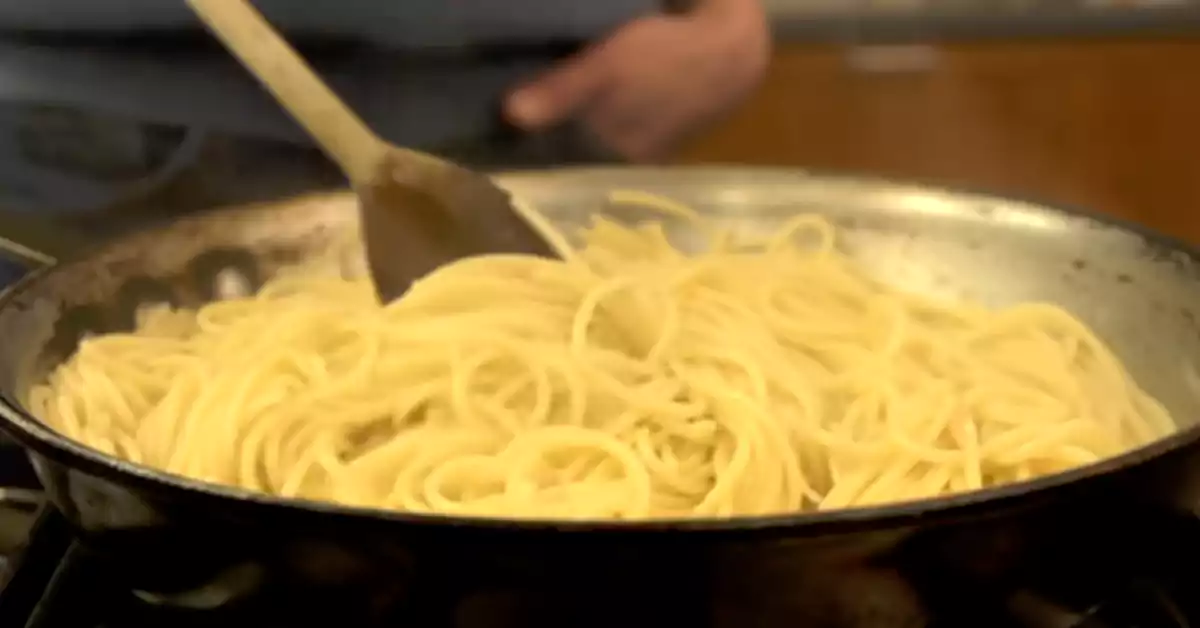
Saving Some Pasta Water
Saving some pasta water is an intelligent cooking hack that can enhance the flavor and texture of your pasta dishes. This simple technique involves reserving a portion of the water to cook the pasta before draining it.
Why Save Pasta Water
Saving pasta water helps to create a more cohesive and flavorful sauce for your pasta dishes. The starchy water can help thicken sauces and bind ingredients together.
How To Use Pasta Water
To use pasta water, reserve a cup before draining the pasta. Gradually add it to your sauce while cooking to achieve the desired consistency and enhance flavors.
Beyond Boiling: Other Methods
Explore innovative ways to cook pasta beyond traditional boiling methods.
Baking Pasta
Bake pasta in the oven for a unique twist on a classic dish.
Using A Slow Cooker
Simmer pasta in a crockpot for a convenient and flavorful meal.
Troubleshooting Common Issues
Are you having trouble figuring out how long to cook pasta? Follow the instructions on the package and taste the pasta for doneness. Generally, it takes about 8-12 minutes to cook pasta until it’s al dente or slightly firm to the bite.
Adjust the timing based on your preference.
Pasta Sticking Together
To prevent pasta from sticking, stir occasionally while cooking.
Overcooked Pasta Solutions
Rinse overcooked pasta with cold water to stop the cooking process.
Frequently Asked Questions
How Long to Cook Pasta?
The cooking time of pasta varies depending on the type of pasta and the desired texture. Generally, it takes 8-12 minutes to cook pasta until it’s al dente, which means it’s cooked through but still firm to the bite.
How Do I Know When Pasta Is Cooked?
To check if the pasta is cooked, taste a piece. It should be firm to the bite but not crunchy. If it’s too hard, cook for a few more minutes; if it’s too soft, it’s overcooked. Alternatively, you can throw a piece of pasta against the wall.
If it sticks, it’s ready.
Can I Cook Pasta In The Microwave?
Yes, you can cook pasta in the microwave. Use a microwave-safe dish, add pasta, water, and a pinch of salt, and microwave for 10-12 minutes, stirring occasionally. Keep an eye on it, as it can boil over. However, stovetop cooking is preferred for better texture.
Should I Add Oil To Pasta When Cooking?
No, you don’t need to add oil to pasta when cooking. It won’t prevent the pasta from sticking together and can make the sauce slide off the pasta. Instead, use enough water and salt and stir occasionally to prevent sticking.
Conclusion
Cooking pasta requires attention to detail and patience. The perfect cooking time depends on the type of pasta and personal preference. Overcooking can produce a mushy texture, while undercooking leaves the pasta chewy and tough. By following the recommended cooking time on the package and testing the pasta for doneness, you can achieve the perfect al dente texture.
Remember to salt the water generously and stir the pasta frequently to prevent sticking. With these tips, you can cook pasta like a pro every time.