Last Updated on July 27, 2026
When it comes to choosing the right glassware, size matters more than you might think. Whether you’re pouring a refreshing drink or setting the perfect table, knowing your glassware sizes can make a big difference.
You might wonder why some glasses look taller, while others seem wider—each shape and size is designed for a specific purpose. By understanding these details, you can enhance your drinking experience and impress your guests effortlessly. Ready to discover the key to selecting the perfect glass every time?
Keep reading, and you’ll never guess how simple it can be.
Common Glassware Types
Glassware comes in many shapes and sizes. Each type serves a special purpose. Using the right glass can enhance the drink’s taste and look. Knowing common glassware types helps you choose well for any occasion.
Wine Glass Sizes
Wine glasses vary by type of wine. Red wine glasses are bigger to allow air inside. This helps the wine’s flavor develop. White wine glasses are smaller to keep the wine cool. Sparkling wine glasses are tall and narrow to keep bubbles fresh.
Beer Glass Sizes
Beer glasses come in many styles. Pint glasses are popular for many beers. They hold about 16 ounces. Mugs have thick walls and a handle. Tulip glasses have a bulb shape to hold aroma. Each style fits a beer type and serving size.
Cocktail Glass Sizes
Cocktail glasses differ by drink type. Martini glasses have a wide rim and hold 4 to 8 ounces. Highball glasses are tall and hold 8 to 12 ounces. Old-fashioned glasses are short and wide, perfect for drinks on the rocks. Size affects the drink’s balance and presentation.
Water And Juice Glasses
Water and juice glasses are simple and practical. They usually hold 8 to 12 ounces. Tumblers are common for everyday use. They have straight sides and a sturdy base. These glasses fit well on any table and are easy to clean.
Factors Influencing Glass Size
Choosing the right glass size depends on several important factors. These factors help in selecting a glass that fits the drink and the occasion perfectly. Understanding these elements improves your drinking experience and adds style to your table setting.
Beverage Type And Volume
Different drinks need different glass sizes. Wine glasses are larger to allow the wine to breathe. Whiskey glasses are smaller to keep the aroma strong. Beer glasses vary by style, from small pilsner glasses to large steins. The volume of the drink affects the glass size to avoid spills and enhance taste.
Occasion And Setting
The event or place also influences glass size choice. Formal dinners often use smaller, elegant glasses. Parties may call for larger, casual glasses to hold more drink. Outdoor settings might need sturdy, medium-sized glasses for convenience. Matching glass size to the occasion adds to the mood.
Personal Preference
Individual taste plays a big role in glass size selection. Some prefer big glasses to enjoy more drink at once. Others like smaller glasses to savor slowly. Comfort in holding the glass matters too. Personal style and habits guide the final choice.
Choosing Glasses For Different Drinks
Choosing the right glass for each drink can improve your drinking experience. Different drinks need different glass shapes and sizes. The glass affects the taste, aroma, and presentation. Using the right glass helps you enjoy every sip fully.
Red And White Wine Glasses
Red wine glasses have a larger bowl. This shape lets air reach the wine. It opens up the flavors and smells. White wine glasses are smaller and narrower. They keep the wine cooler and preserve the fresh taste. Picking the right glass enhances the wine’s character.
Beer Mugs And Pints
Beer mugs have thick glass and a handle. They keep beer cold longer. The handle stops your hand from warming the beer. Pint glasses are taller and slimmer. They show the beer’s color and help keep the foam. Choose a glass that fits the beer style.
Cocktail And Martini Glasses
Cocktail glasses come in many shapes. Martini glasses have a wide, cone-shaped bowl. This shape shows off the drink’s clarity. It also keeps the ingredients mixed. Some cocktails use a shorter, round glass. The right glass makes cocktails look and taste better.
Champagne Flutes And Coupes
Champagne flutes are tall and thin. They keep bubbles longer and show them well. Coupe glasses are shallow and wide. They give a vintage feel and let aromas spread. Each glass suits different moods and occasions.

Credit: www.glassblowerben.com
Measuring Glassware Capacity
Measuring glassware capacity helps you choose the right glass for your drink. It ensures you serve the correct amount every time. Knowing the size helps avoid spills and waste. It also makes recipes more accurate and enjoyable.
Ounces Vs Milliliters
Glassware capacity is shown in ounces or milliliters. Ounces are common in the United States. Milliliters are used in most other countries. One ounce equals about 30 milliliters. Knowing this helps you switch between units easily.
Standard Serving Sizes
Each drink has a standard serving size. For example, a wine glass usually holds 5 ounces. A beer glass often holds 12 ounces. Cocktail glasses vary but often hold 4 to 8 ounces. Using the right size glass keeps servings consistent.
Adjusting For Overflow
Glass capacity is not always the amount you pour. Leave space to avoid spills and bubbles. For carbonated drinks, fill less to prevent overflow. For hot drinks, leave room for foam or cream. Adjusting the fill level keeps drinks neat and safe.
Glassware Shape And Function
Glassware shape plays a big role in how we enjoy drinks. The shape affects taste, smell, and temperature. Different drinks need different glass shapes to bring out their best. The right glass can make your drink more enjoyable and fun to sip.
Impact On Aroma And Flavor
Glass shape changes how aromas reach your nose. A wide bowl lets smells gather and flow easily. A narrow opening traps aromas, making each sip intense. The shape guides the liquid to different parts of your tongue. This changes how you taste sweet, sour, or bitter notes.
Temperature Control
Glass thickness and shape affect temperature. Thin glasses cool fast and keep drinks fresh. Thick glasses hold warmth longer, good for hot drinks. Stemmed glasses stop your hand from warming the drink. This keeps the drink at the right temperature for longer.
Aesthetic Considerations
Glass shape adds beauty to the drink experience. Elegant glasses make drinks look special and inviting. The right glass matches the style of the drink and the setting. Clear glass shows the color and bubbles, adding to the appeal. Good glassware improves both look and feel.
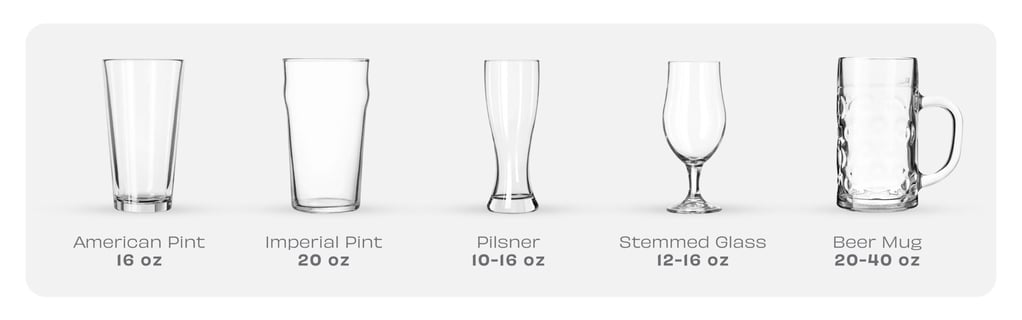
Credit: www.katom.com
Tips For Buying Glassware
Choosing the right glassware can improve your dining and drinking experience. It is important to consider several factors before buying glassware. This helps to find pieces that suit your needs and style.
Material Choices
Glassware comes in various materials like crystal, tempered glass, and plastic. Crystal offers clear, elegant looks but is fragile. Tempered glass is stronger and resists breakage. Plastic is lightweight and good for outdoor use. Pick a material that fits your use and taste.
Durability And Care
Think about how often you will use the glassware. Durable glassware lasts longer and handles daily use well. Some materials need gentle washing by hand. Others can go in the dishwasher. Choose glassware that matches your care routine.
Budget And Quantity
Set a budget before buying glassware. High-quality sets cost more but last longer. Smaller sets are good for few people. Large sets suit families or parties. Decide how many pieces you need to avoid overspending.
Matching Glasses To Table Settings
Choosing the right glassware enhances any table setting. Glass size and style affect both look and function. Matching glasses to your table setting creates harmony. It helps guests enjoy their drinks more. This guide explains how to pick glasses for different dining styles.
Casual Vs Formal Dining
Casual dining uses simple, sturdy glasses. Sizes often vary but stay practical. Formal dining calls for elegant, delicate glassware. Each glass has a specific purpose. Wine glasses, water goblets, and champagne flutes differ in shape and size. Using correct glasses adds a touch of sophistication.
Coordinating Styles
Match glassware styles to your plates and cutlery. Consistent design creates a balanced table look. Mixing modern and vintage glasses can work if colors match. Clear glass fits almost any style. Avoid too many different shapes to keep the table neat.
Space And Storage
Consider your storage space before buying glassware. Large glasses take more room and need careful stacking. Smaller glasses fit better in cabinets and shelves. Choose sizes that fit your daily needs and special occasions. Proper storage keeps glasses safe and ready to use.

Credit: bacto.com.au
Frequently Asked Questions
What Are The Common Glassware Sizes Used In Bars?
Common glassware sizes include 8 oz for rocks glasses, 12-16 oz for pint glasses, and 4-6 oz for wine glasses. Each size suits specific drinks, enhancing the drinking experience and presentation.
How Does Glassware Size Affect Drink Servings?
Glassware size controls the volume and portion of drinks served. Correct sizes ensure proper mixing, balance, and aesthetic appeal, improving taste and customer satisfaction.
Why Choose Specific Glassware Sizes For Cocktails?
Specific sizes match cocktail recipes for ideal dilution and garnish space. Proper glassware size maintains cocktail integrity and enhances flavor and aroma.
What Size Glass Is Best For Wine Servings?
Wine glasses typically range from 8 to 16 oz. Larger glasses allow wine to breathe, improving flavor and aroma, while smaller glasses suit fortified wines.
Conclusion
Choosing the right glassware size makes a big difference. It helps serve drinks properly and enjoy them fully. Knowing common sizes guides your choices for any occasion. Small or large, every glass fits a purpose. Keep these sizes in mind when shopping or hosting.
This way, you always have the perfect glass at hand. Simple tips like these make life easier and more fun.