Last Updated on July 29, 2026
Are you looking to add a personal touch to your dining table? Making your own table runner is easier than you think, and it’s a great way to showcase your style.
Imagine a beautiful, custom piece that brightens up every meal and impresses your guests. In this guide, you’ll discover simple steps to create a stunning table runner with materials you can find at home. Ready to transform your table and make every gathering feel special?
Keep reading—you’re just moments away from crafting something truly unique.
Choosing Fabric
Choosing the right fabric is key to making a beautiful table runner. It affects how the runner looks and feels. The fabric should match your style and the table setting. Think about durability, texture, and ease of cleaning. These factors help you pick a fabric that lasts and looks great.
Best Materials For Table Runners
Cotton is soft, easy to clean, and affordable. It works well for everyday use and special occasions. Linen offers a natural, elegant look. It feels smooth but may wrinkle easily. Polyester is strong and resists stains. It holds color well and dries fast. For a fancy touch, silk adds shine but needs gentle care. Choose fabric based on use and maintenance needs.
Picking Colors And Patterns
Choose colors that match your room or table decor. Neutral tones like beige, gray, or white fit most styles. Bright colors add energy and fun. Patterns bring personality to the runner. Stripes, florals, and geometric shapes are popular choices. Select patterns that do not clash with your dishes or centerpiece. Balance is important for a pleasing look.

Credit: happiestcamper.com
Measuring And Cutting
Measuring and cutting are the first big steps in making a table runner. These steps set the stage for your entire project. Getting the size right and cutting cleanly will help your runner look neat and fit perfectly.
Take your time with measuring and cutting. Use the right tools and double-check your work. This will save you from mistakes later and make sewing easier.
Determining The Right Size
Start by measuring your table’s length and width. Decide how far you want the runner to hang over the edges. A common drop is 6 to 12 inches on each side. Add extra length for hems or seams. Write down your final measurements before cutting.
Remember, the runner should not be too long or too short. It needs to fit well and look balanced on the table. Use a tape measure and mark the fabric carefully.
Cutting Fabric Accurately
Lay your fabric flat on a clean, hard surface. Smooth out any wrinkles or folds. Use sharp fabric scissors or a rotary cutter for clean edges. Cut along the marks you made for the size. Take your time and cut slowly to avoid mistakes.
Check your cut fabric against your measurements again. Make sure all sides are straight and even. Accurate cutting makes sewing easier and your runner look better.
Sewing Basics
Sewing a table runner is easier than it seems. Basic sewing skills help create a clean, neat look. Understanding simple stitches and finishing edges is key. This section explains essential sewing basics for your project. Follow these steps for a smooth sewing experience.
Simple Stitch Techniques
Start with straight stitches. They hold fabric pieces together firmly. Use a sewing machine or sew by hand. Keep stitches even and close. Backstitch at the start and end to secure seams. For hand sewing, use a running stitch or a backstitch. These stitches are strong and easy to learn. Practice on scrap fabric before working on your runner.
Adding Hems And Edges
Hems stop fabric from fraying. Fold the fabric edge twice, about half an inch each fold. Pin the folds in place to keep them steady. Sew along the inner fold using straight stitches. Edges can also have decorative trims or ribbons. This adds style and protects the fabric edges. Press the hems flat with an iron for a sharp finish. Clean edges make your table runner look professional.
Adding Decorative Touches
Adding decorative touches to your table runner makes it special and unique. Small details bring personality and style to your project. These touches can be simple but create a big impact. Choose decorations that match your theme and colors. This part is fun and lets you be creative.
Using Lace And Trims
Lace adds a soft, delicate look to your table runner. Sew lace along the edges for a classic finish. Choose wide or narrow lace depending on your style. Trims like ribbons or pom-poms create a playful border. Attach trims carefully to avoid loose threads. These details make your runner look elegant and neat.
Incorporating Embroidery Or Appliqué
Embroidery adds patterns or words with thread. You can use simple stitches for flowers or shapes. Embroidery gives a handmade, personal touch to your runner. Appliqué means sewing fabric shapes onto your runner. Cut shapes like leaves or hearts and stitch them in place. Both techniques add texture and color to plain fabric. They make your table runner stand out beautifully.
Finishing Tips
Finishing your table runner with care makes a big difference. It helps your project look neat and last longer. Small details in finishing show your effort and skill. Follow these simple tips to give your table runner a polished look.
Pressing And Ironing
Press your table runner during sewing. Iron seams flat before stitching next steps. Use a dry iron for best results. Avoid pressing too hard to keep fabric smooth. Iron the final product on a low heat. This removes wrinkles and sets the shape. Always press on the wrong side of fabric.
Washing And Care Instructions
Wash your table runner gently to keep colors bright. Use cold water and mild detergent only. Avoid bleach and strong chemicals that damage fabric. Hand wash or use a gentle machine cycle. Dry flat or hang to avoid wrinkles. Iron again after washing to restore crispness. Proper care helps your table runner stay beautiful.

Credit: www.youtube.com
Styling Your Table Runner
Styling your table runner can transform the entire dining space. It adds color, texture, and a personal touch. Simple changes in decoration can make your table feel fresh and inviting. A well-styled runner highlights your table setting beautifully. It helps create a mood for meals and gatherings.
Seasonal And Holiday Ideas
Choose runners that match the season or holiday theme. For spring, use light colors and floral patterns. Summer calls for bright and bold designs. Fall suits warm tones like orange, brown, and red. Winter runners with snowflakes or pine trees fit holiday vibes. Change runners to reflect the mood and time of year. This keeps your table looking lively and fresh all year.
Pairing With Table Settings
Match your table runner with plates, glasses, and napkins. Pick colors that complement each other for a balanced look. Use simple patterns if your runner is busy. For plain runners, add patterned dishes or cloth napkins. Layer textures like wood, glass, and fabric for depth. Keep the style consistent to avoid clashing. Proper pairing makes your table look thoughtful and neat.
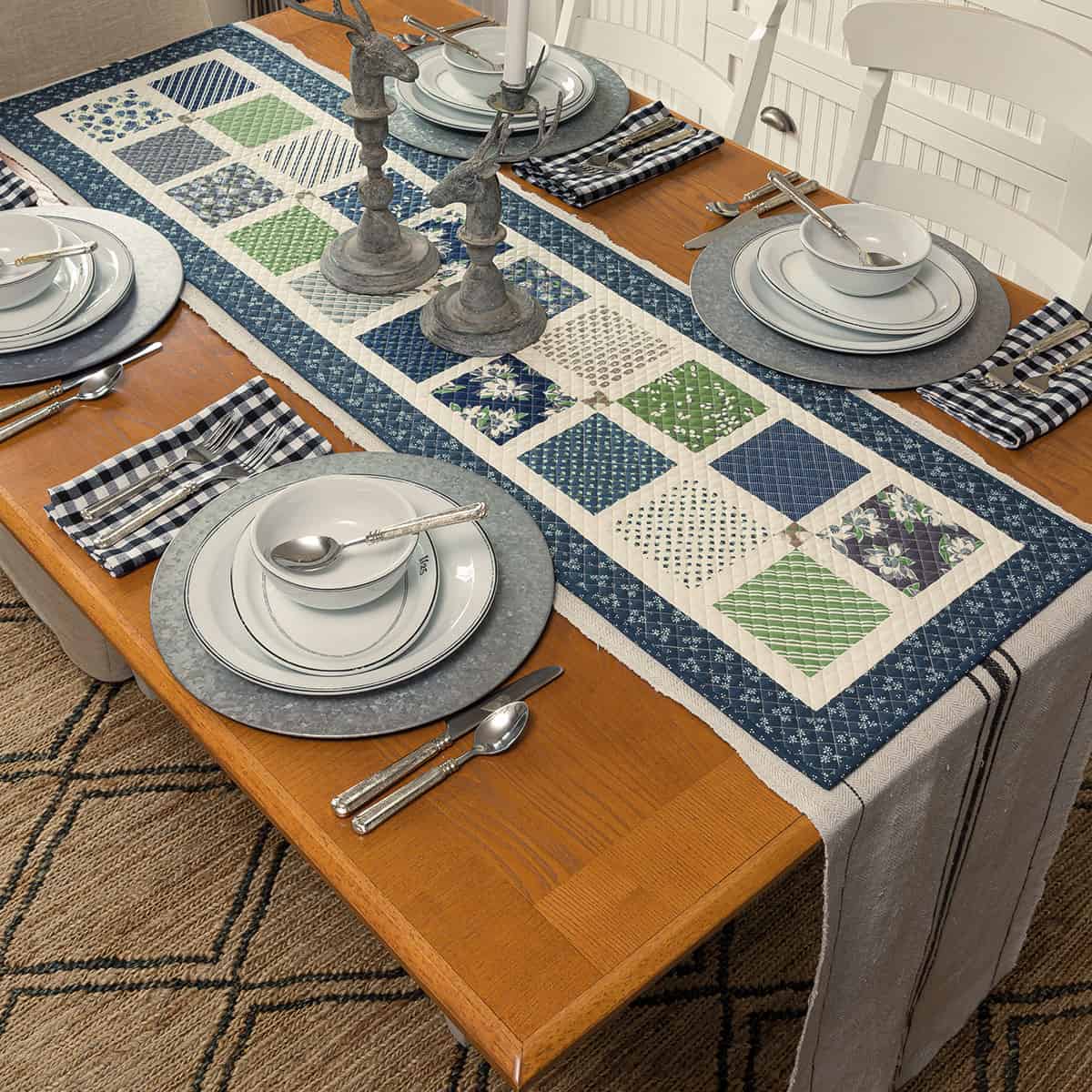
Credit: www.aquiltinglife.com
Frequently Asked Questions
What Materials Are Needed To Make A Table Runner?
To make a table runner, you need fabric, scissors, measuring tape, pins, thread, and a sewing machine. Choose fabric that matches your decor and is easy to work with. Basic sewing skills help create a neat finish for a polished look.
How Long Should A Table Runner Be?
A table runner should be 6 to 12 inches shorter than your table length. It typically hangs 6 to 10 inches over each end. This length allows the runner to enhance your table’s appearance without overwhelming the space.
Can I Make A Table Runner Without Sewing?
Yes, you can make a no-sew table runner using fabric glue or iron-on adhesive. Cut fabric to size and secure edges with glue or tape. This method is quick and ideal for beginners or temporary decor.
How Do I Choose Fabric For A Table Runner?
Choose fabric based on your table’s style and occasion. Cotton and linen are durable and easy to clean. For formal events, silk or satin adds elegance. Consider patterns and colors that complement your room decor.
Conclusion
Making a table runner is fun and simple. It adds style to any table easily. You can choose colors and patterns you like. This project does not need many tools or skills. It also saves money compared to buying one.
Try making one for your next dinner or party. Enjoy the process and show off your work. A homemade table runner makes your space feel warm and personal. Start today and see how creative you can be!