Last Updated on July 30, 2026
Are you tired of cluttered kitchen counters and endless searching for ingredients? A built-in pantry could be the perfect solution to transform your kitchen into an organized, stress-free space.
Imagine having everything you need right at your fingertips, neatly stored and easy to find. You’ll discover smart and stylish built-in pantry ideas that fit your space and lifestyle. Get ready to unlock your kitchen’s full potential and enjoy cooking like never before.
Keep reading to find the inspiration that will change how you use your kitchen every day.
Benefits Of Built-in Pantries
Built-in pantries offer many benefits for any kitchen. They provide more than just storage space. These pantries help keep kitchens tidy and efficient. They also add value to your home. Here are some key benefits of built-in pantries.
Maximizing Kitchen Space
Built-in pantries use space that might be wasted. They fit seamlessly into walls or corners. This saves room on counters and cabinets. You get extra storage without cluttering the kitchen. It makes even small kitchens feel bigger.
Enhancing Organization
With a built-in pantry, every item has a place. Shelves and compartments keep food and supplies neat. You can easily see and reach what you need. This reduces the time spent searching for things. It helps maintain a clean and orderly kitchen.
Increasing Home Value
Many buyers like kitchens with built-in pantries. They show thoughtful design and good use of space. A well-organized pantry can make your home more appealing. This feature may increase your home’s market value. It is a smart investment for the future.
Design Styles For Built-in Pantries
Built-in pantries add great value and style to any kitchen space. Choosing the right design style ensures your pantry matches the rest of your home. Each style creates a unique look and feel. Let’s explore popular design styles for built-in pantries.
Modern Minimalist
Modern minimalist pantries focus on clean lines and simple forms. They use neutral colors like white, gray, or black. Shelves and doors often have smooth, flat surfaces without handles. This style keeps the pantry clutter-free and easy to organize. Glass doors may be used to show off neatly arranged items.
Rustic Charm
Rustic pantries feel warm and inviting. They use natural wood with visible grain and knots. Open shelving or barn-style doors fit well here. Earth tones and vintage hardware add to the cozy look. This style suits farmhouse kitchens or country homes.
Traditional Elegance
Traditional pantries feature detailed woodwork and classic shapes. Crown molding and raised panel doors bring sophistication. Soft, muted colors like cream or beige work best. Glass-front cabinets with mullions can display fine china. This style fits formal, timeless kitchen designs.
Industrial Look
Industrial pantries mix metal and wood for a bold look. Exposed hardware and pipes add to the style. Darker colors like charcoal or deep brown create contrast. Open metal shelves or wire baskets provide practical storage. This design suits urban lofts or modern rustic homes.
Creative Storage Solutions
Creative storage solutions make your built-in pantry more useful. They help keep items tidy and easy to find. Smart designs save space and make your kitchen look neat. Use these ideas to organize your pantry better.
Small changes can make a big difference. Choose storage options that fit your needs. This way, your pantry stays clean and items stay fresh.
Adjustable Shelving
Adjustable shelving lets you change the height of shelves easily. You can store tall jars or small boxes without wasting space. This flexibility helps keep your pantry organized as your needs change. It also makes cleaning easier.
Pull-out Drawers
Pull-out drawers bring items to you without reaching deep inside. They prevent clutter by keeping things visible and accessible. Use them for cans, spices, or snacks. These drawers save time and reduce mess.
Corner Storage Ideas
Corners often become wasted space in pantries. Use lazy Susans or rotating shelves to use corners fully. These tools make it easy to reach items in tight spots. Corner storage keeps your pantry efficient and clutter-free.
Built-in Baskets And Bins
Built-in baskets and bins hold loose items like fruits or packets. They keep things grouped and easy to grab. Choose baskets that slide out for quick access. Bins also help separate different food types for better order.

Credit: www.lilyanncabinets.com
Materials And Finishes
Choosing the right materials and finishes shapes the look and feel of your built-in pantry. It affects durability, style, and maintenance. Simple materials can create a modern pantry. Rich textures bring warmth and charm. Each option offers unique benefits for your home.
Wood Choices
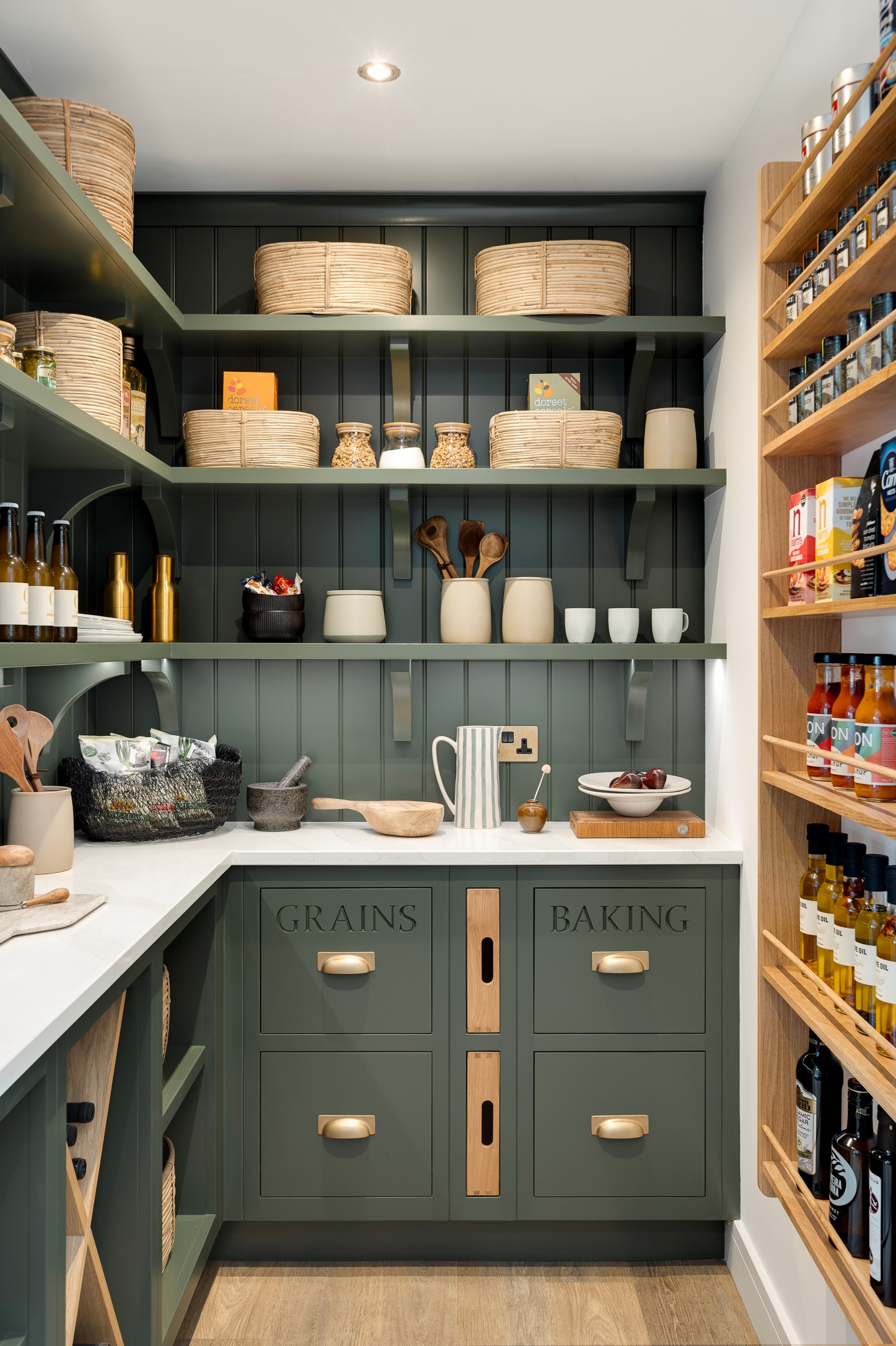
Wood is a popular choice for built-in pantries. Oak and maple provide strong, long-lasting surfaces. Pine offers a softer, rustic look. Cherry wood adds a rich, deep color. Wood can be carved or smooth, matching many styles.
Glass Doors
Glass doors add light and openness to the pantry. Clear glass shows your items neatly arranged. Frosted glass hides clutter but still looks stylish. Glass doors make the space feel larger and brighter.
Metal Accents
Metal accents bring modern or industrial touches. Brass handles offer a classic, warm shine. Black iron gives a bold, strong look. Stainless steel works well with contemporary designs. Metal adds detail and strength to pantry doors.
Paint And Stain Options
Paint brightens or softens the pantry’s appearance. White paint creates a clean, fresh look. Soft pastels add subtle color without overwhelming. Stains highlight wood grain and add depth. Dark stains give a rich, elegant finish.
Lighting Tips For Pantries
Good lighting is key for any pantry. It helps you find items fast. It also makes the space look neat and fresh. Bright, clear light shows the true color of food and labels. This makes shopping from your pantry easier. Here are simple lighting tips that suit built-in pantries well.
Led Strip Lighting
LED strip lights fit well under shelves. They give soft, even light across all pantry layers. These lights use little energy and last long. You can choose warm or cool light tones. LED strips keep your pantry bright without glare. They help spot small jars and cans easily.
Motion Sensors
Motion sensor lights switch on when you open the pantry door. No need to find a switch in the dark. This saves energy because lights turn off automatically. Sensors add convenience, especially when your hands are full. They make sure the pantry is lit only when needed.
Natural Light Integration
Natural light freshens up any pantry space. If your pantry has a window, keep it clear. Use sheer curtains to let sunlight in without glare. Natural light reduces the need for artificial lights during the day. It also helps keep the pantry dry and fresh.
Small Pantry Solutions
Small pantries need smart ideas to use space well. Many homes do not have large areas for storage. Small pantry solutions help keep kitchens neat and items easy to find.
These ideas focus on making the most of every inch. Narrow spaces, vertical storage, and multi-functional designs offer great ways to organize. They help keep everything within reach without clutter.
Narrow Spaces
Use narrow spaces for slim shelves or pull-out racks. These fit tight corners or between appliances. They store spices, cans, and small jars neatly. Narrow spaces save room and keep items visible.
Vertical Storage
Stack shelves up to the ceiling. Use tall cabinets with adjustable shelves. Hooks and hanging baskets add more space. Vertical storage uses height, freeing up floor area. It keeps the pantry open and easy to clean.
Multi-functional Designs
Choose shelves that fold or slide to save room. Combine storage with a countertop or cutting board. Drawers with divided sections keep small items tidy. Multi-functional designs offer more than one use. They make small pantries practical and flexible.
Diy Vs Professional Installation
Deciding between DIY and professional installation for your built-in pantry is important. This choice affects your budget, time, and the final look. Both options have pros and cons. Understanding these helps make the best decision for your home.
Cost Considerations
DIY installation usually costs less. You only pay for materials and tools. There are no labor fees. Professional installation includes service charges. These can be high depending on the project size. Mistakes in DIY can add extra costs. Fixing errors may require buying more materials or hiring help.
Skill Requirements
DIY needs basic carpentry skills. Measuring, cutting, and assembling are common tasks. Mistakes happen without experience. Professionals have training and tools. They handle complex tasks easily. Their work often looks neater and fits better. DIY may take practice to reach similar quality.
Time Investment
DIY takes more time. Learning, preparing, and working can stretch days or weeks. Professional installers finish faster. They work with a team and know the process. Time saved can reduce stress. DIY suits those who enjoy hands-on projects. Professionals are better for fast, smooth installation.
:strip_icc()/bhg-pantry-storage-organization-01fdcf3237af4eccbb32820c600ecf49.jpg)
Credit: www.bhg.com
Maintenance And Upkeep
Maintaining a built-in pantry keeps it functional and attractive for years. Regular care helps avoid mess and damage. It also saves time when you need items quickly.
Cleaning Tips
Wipe shelves with a damp cloth weekly. Use mild soap for sticky spots. Remove crumbs and dust to stop pests. Clean containers before placing them back. Avoid harsh chemicals to protect surfaces.
Organizing Strategies
Group similar items together. Store heavy items on lower shelves. Use clear bins for small packets. Label shelves or containers for easy finding. Rotate food to use older items first.
Preventing Clutter
Set a limit on how much you store. Toss expired or unused items regularly. Keep only essentials within easy reach. Avoid buying duplicates by checking your pantry first. Make a habit of putting things back after use.
Credit: temperville.com.br
Frequently Asked Questions
What Are The Best Materials For Built-in Pantry Shelves?
The best materials for built-in pantry shelves are solid wood, plywood, and MDF. Solid wood is durable and looks elegant. Plywood offers strength and resistance to warping. MDF is budget-friendly and smooth, ideal for painted finishes. Choose materials based on budget, style, and durability needs.
How Can I Maximize Space In A Built-in Pantry?
Maximize space by using adjustable shelves, pull-out baskets, and door organizers. Vertical dividers help store trays and cutting boards. Clear containers improve visibility and organization. Labeling shelves and containers keeps items easy to find. Efficient design ensures every inch of the pantry is used wisely.
What Lighting Options Work Best In Built-in Pantries?
LED strip lights and puck lights are excellent for built-in pantries. They provide bright, energy-efficient illumination. Motion-activated lights add convenience and save energy. Warm white lights create a cozy ambiance. Good lighting helps you quickly locate pantry items, enhancing usability.
How Much Does A Built-in Pantry Cost On Average?
A built-in pantry typically costs between $1,000 and $5,000. Prices vary based on size, materials, and customization. Simple designs with MDF are more affordable. Custom wood pantries with lighting and accessories cost more. Budget accordingly for installation and finishing touches.
Conclusion
Built-in pantries bring order and style to your kitchen space. They save room and keep items easy to find. Choose shelves, drawers, or cabinets that fit your needs. Organize by grouping similar foods and tools together. A well-planned pantry makes cooking faster and less stressful.
Small or large, a pantry adds value to your home. Start simple and build your pantry over time. Enjoy a neat, clean kitchen with smart storage solutions.