Last Updated on July 31, 2026
Choosing the right kitchen trash can size might seem simple, but it can make a huge difference in your daily routine. You want a trash can that fits perfectly in your space, handles your waste without constant emptying, and keeps your kitchen clean and fresh.
If you pick one that’s too small, you’ll find yourself running to the bin multiple times a day. Too big, and it could take up valuable space or look out of place. You’ll discover how to find the ideal kitchen trash can size that matches your needs and lifestyle effortlessly.
Keep reading—you’re about to make your kitchen cleaner and your life easier.
Trash Can Sizes
Choosing the right trash can size is important for a tidy kitchen. It affects how often you empty the bin and how much space it takes. Different kitchens need different sizes based on family size and waste habits.
Understanding trash can sizes helps you pick the best fit for your kitchen. Size depends on height, width, and depth, plus how much waste it can hold. Shape and design also play a role in usability.
Common Dimensions
Kitchen trash cans usually range from 10 to 20 inches wide. Heights vary between 20 and 30 inches. Depth often matches width or is slightly less. These dimensions fit under counters or in corners easily.
Capacity Measurements
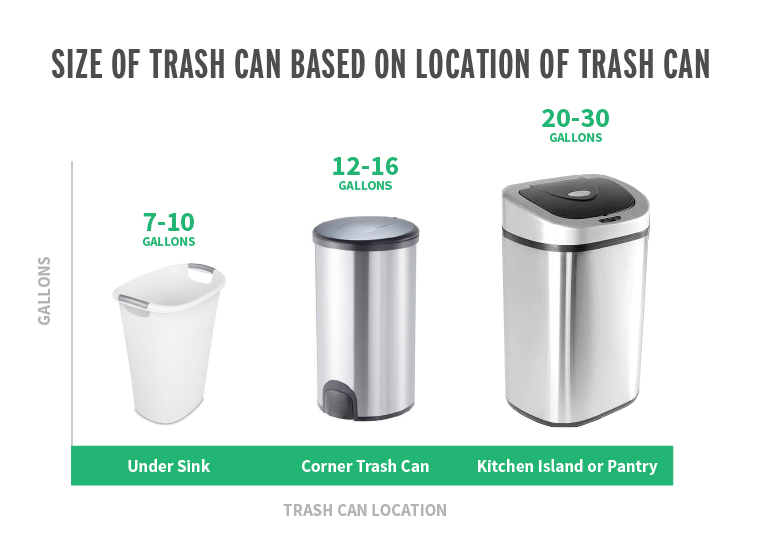
Trash can capacity is measured in gallons or liters. Small cans hold about 4 to 8 gallons. Medium sizes are 10 to 13 gallons. Large cans can store 20 gallons or more. Choose capacity based on how much trash your kitchen creates daily.
Shape And Design Impact
Shape affects where the trash can fits and how you use it. Round cans save space in corners. Rectangular ones fit well against flat walls. Slim designs work well in tight spots. Some have lids or pedals for easy use.
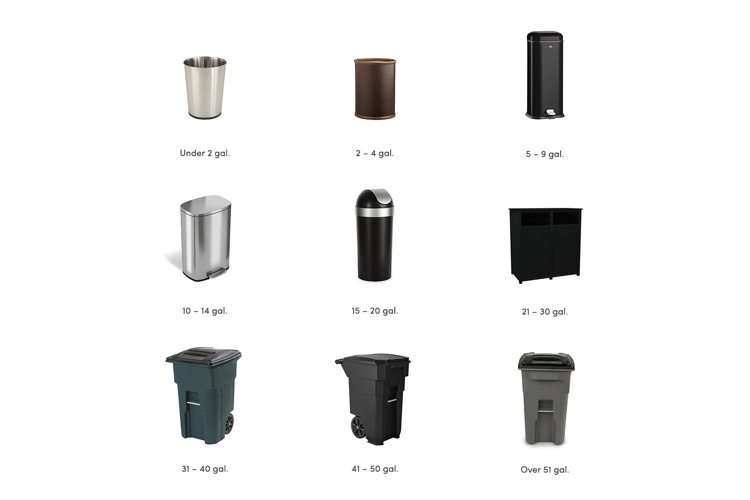
Credit: www.wayfair.com
Choosing Based On Kitchen Size
Choosing the right kitchen trash can size depends largely on your kitchen space. The size of your kitchen affects how much trash you produce and how much space the can can take. Picking the right size keeps your kitchen neat and makes trash disposal easy.
Small Kitchens
Small kitchens have limited space. A compact trash can fits well without crowding. Look for cans between 4 to 6 gallons. These are easy to place under the sink or in a corner. Small cans keep your kitchen tidy and avoid clutter.
Medium Kitchens
Medium kitchens allow more flexibility. A trash can between 7 to 13 gallons works best. It holds enough waste for daily cooking without needing frequent emptying. Medium-sized cans fit well near prep areas or inside cabinets.
Large Kitchens
Large kitchens generate more waste. Choose a trash can of 14 gallons or more. Bigger cans reduce trips to empty the trash. Place the can near the main cooking zone for easy access. Large cans help keep the kitchen clean and organized.
Usage Frequency And Household Size
Choosing the right kitchen trash can size depends on how often you use it and how many people live in your home. These two factors help decide the best fit for your kitchen. A trash can that is too small fills up quickly. One that is too big takes up extra space and feels bulky. Finding the right balance makes kitchen chores easier.
Single Users
Single users produce less kitchen waste daily. A small trash can, around 4 to 6 gallons, works well. It fits in tight spaces and does not need frequent emptying. This size keeps the kitchen tidy without taking much room.
Families
Families create more trash each day. A larger trash can, about 10 to 13 gallons, is better. It holds more waste and reduces trips to the bin outside. This size suits busy kitchens with several people.
Entertaining Guests
Hosting guests adds extra trash quickly. A bigger trash can, 15 gallons or more, handles the increased waste. It prevents overflow during parties or dinners. Having enough space keeps your kitchen clean and welcoming.
Types Of Kitchen Trash Cans
Choosing the right kitchen trash can size depends on the type you prefer. Different trash cans offer unique features that fit various kitchen styles and needs. Understanding these types helps you pick the perfect match for your home.
Step-on Cans
Step-on cans open with a foot pedal. This keeps your hands free and clean. They come in many sizes, from small to large. Step-on cans work well in busy kitchens. They are simple and reliable to use every day.
Touchless Models
Touchless trash cans open automatically using sensors. These cans reduce germs and keep the kitchen hygienic. Battery-powered, they close on their own after you throw trash. They suit homes where cleanliness is a priority. These models usually have moderate to large sizes.
Pull-out Bins
Pull-out bins hide inside kitchen cabinets. You pull them out to throw trash, then slide them back in. This keeps the kitchen tidy and odor-free. They save floor space and look neat. Sizes vary, often designed to fit standard cabinet dimensions.
Material Considerations
Choosing the right material for your kitchen trash can affects its look and durability. The material also changes how easy it is to clean and how long it lasts. Understanding different materials helps pick the best one for your kitchen size and style.
Plastic Options
Plastic trash cans are light and easy to move. They come in many colors and shapes. Plastic is less expensive than other materials. It resists rust and stains well. Some plastics may crack over time, especially in cold places. Plastic cans work well in small kitchens with limited space.
Stainless Steel
Stainless steel trash cans look modern and sleek. They resist rust and stains better than many materials. Steel is strong and lasts a long time. It is easy to clean with just a cloth. These cans often have fingerprint-resistant coatings. Stainless steel suits kitchens with a modern or professional style.
Recycled Materials
Trash cans made from recycled materials help reduce waste. They use plastics or metals that were reused from other products. These cans often have a unique look. They are good for eco-friendly kitchens. Recycled materials can be durable but vary by product. Choosing them supports a greener lifestyle.
Placement And Space Planning
Choosing the right spot for your kitchen trash can helps keep the space clean and organized. Good placement saves time and avoids clutter. Space planning ensures the trash can fits without blocking movement or other kitchen tasks.
Consider how much room you have and how often you use the trash can. Think about ease of access and keeping it out of sight. Here are some common placement ideas to fit different kitchen layouts.
Under-sink Solutions
Placing the trash can under the sink keeps it hidden and saves floor space. This spot works well for small kitchens. Pull-out bins with sliding tracks make trash disposal easy. Choose a size that fits under your cabinet but is still easy to reach. Keep cleaning supplies separate to avoid messes.
Freestanding Options
Freestanding trash cans offer flexibility in placement. They come in many sizes and styles to match your kitchen. Place them near prep areas or entrances for quick access. Small cans fit well in tight corners. Large cans work better in open spaces. Look for models with lids to control odors.
Built-in Cabinets
Built-in cabinets hide trash cans inside custom spaces. This keeps the kitchen looking tidy and stylish. Cabinets with pull-out drawers make taking out trash easy. Plan for enough space to remove and replace the bin comfortably. Built-in options often include recycling bins too, helping with waste sorting.
Maintenance And Cleaning Tips
Keeping your kitchen trash can clean is important for a fresh and healthy home. Dirt and smells build up fast. Regular care helps stop germs and bad odors. Small habits make a big difference in maintenance. Below are easy tips to keep your trash can neat.
Odor Control
Bad smells come from food waste and spills. Sprinkle baking soda at the bottom to absorb odors. Use trash cans with tight lids to keep smells in. Empty the trash regularly to avoid stinky buildup. Avoid letting wet waste sit for too long inside.
Liner Selection
Choose trash can liners that fit snugly. A good liner prevents leaks and stains. Thicker liners resist tears and hold more waste. Clear liners help see when to change bags. Replace liners every time you empty the trash.
Regular Cleaning Routines
Clean your trash can at least once a week. Use warm water and mild soap to scrub inside. Rinse well and dry completely before adding a new liner. Wipe the outside too, especially handles and lids. This routine keeps bacteria and grime away.
Credit: trashcansunlimited.com
Eco-friendly Choices
Choosing the right kitchen trash can size is important for eco-friendly homes. It helps manage waste better and supports sustainable living. Small habits in the kitchen can lead to big changes for the planet. Using the right bins encourages recycling and composting. These choices reduce the amount of trash sent to landfills.
Composting Bins
Composting bins turn food scraps into useful soil. They are smaller than regular trash cans. These bins help reduce kitchen waste volume. Using a composting bin keeps food scraps separate from other trash. It supports natural decay and reduces harmful gases.
Recycling Stations
Recycling stations keep recyclable items organized. They usually include bins for paper, plastic, and glass. Proper sorting helps recycling centers process materials better. A well-sized recycling station fits easily in the kitchen. It makes recycling simple and quick every day.
Reducing Waste Volume
Choosing the right trash can size helps reduce waste volume. Smaller bins encourage less trash production. They remind users to think about what goes in the trash. This can lead to better recycling and composting habits. Less waste means a cleaner kitchen and a healthier planet.
Credit: trashcansunlimited.com
Frequently Asked Questions
What Is The Ideal Kitchen Trash Can Size?
The ideal kitchen trash can size is typically 10 to 13 gallons. This size fits most household needs and kitchen spaces efficiently. It balances capacity and convenience, minimizing frequent emptying while avoiding bulky placement.
How To Choose The Right Trash Can Size?
Choose a trash can size based on your household size and kitchen space. Larger families benefit from 13-gallon cans, while smaller kitchens work well with 5 to 10 gallons. Consider frequency of trash disposal and storage space.
Does Kitchen Size Affect Trash Can Capacity?
Yes, kitchen size directly affects trash can capacity choice. Smaller kitchens require compact bins to save space. Larger kitchens can accommodate bigger bins, reducing trash disposal frequency and improving convenience.
Are Larger Trash Cans Better For Busy Kitchens?
Larger trash cans are ideal for busy kitchens with high waste output. They reduce the need for frequent emptying. However, ensure the size fits your kitchen layout and doesn’t cause clutter.
Conclusion
Choosing the right kitchen trash can size keeps your space clean and neat. Small cans fit tight spots but need emptying often. Larger cans hold more waste and suit busy kitchens. Think about how much trash you create daily. Match the can size to your kitchen and habits.
This helps avoid overflow and keeps your kitchen tidy. A well-sized trash can makes waste management easy and stress-free. Keep your kitchen fresh and organized with the right trash can size. Simple choices make a big difference.