Last Updated on August 2, 2026
Is your kitchen often a mess, no matter how hard you try to keep it clean? You’re not alone.
Keeping your kitchen spotless can feel overwhelming, but it doesn’t have to be that way. Imagine having simple, quick tricks that make cleaning easier and even a bit enjoyable. You’ll discover kitchen cleaning hacks that save you time and effort, so you can spend less time scrubbing and more time enjoying your space.
Ready to transform your kitchen routine? Let’s dive in!
Essential Tools For Kitchen Cleaning
Keeping the kitchen clean is easier with the right tools. A few essential items can save time and effort. These tools help remove dirt, grease, and stains quickly. You can make cleaning less tiring and more effective.
Must-have Cleaning Supplies
Start with basic supplies like sponges and scrub brushes. Microfiber cloths work well for wiping surfaces without scratching. A good dish soap removes grease from dishes and counters. Baking soda and vinegar help with tough stains. Gloves protect your hands from harsh chemicals.
Keep a spray bottle filled with all-purpose cleaner handy. A mop or floor cloth is useful for kitchen floors. Trash bags and bins keep the space tidy. A small brush helps clean grout and tight corners. These supplies cover most kitchen cleaning tasks.
Natural Cleaning Alternatives
Natural cleaners are safe and gentle on the environment. Lemon juice is great for cutting grease and freshening smells. White vinegar kills germs and removes hard water spots. Baking soda acts as a mild abrasive to scrub surfaces. Olive oil can polish wooden cabinets and cutting boards.
Mix water with lemon or vinegar for a simple spray cleaner. Use baking soda with water to form a paste for scrubbing. Natural products reduce harsh chemical use. They are budget-friendly and easy to find in most homes.
Speedy Surface Cleaning
Speedy surface cleaning saves time and keeps your kitchen fresh. Quick cleaning routines make daily chores easier. Focus on key areas like countertops and sinks for best results. Simple methods help maintain hygiene without much effort.
Countertop Wiping Techniques
Clear the countertop of all items first. Use a damp cloth with mild soap. Wipe in small circles to remove stains and crumbs. Change cloth sides often to avoid spreading dirt. Dry the surface with a clean towel to prevent streaks. For sticky spots, apply a bit of baking soda. Let it sit briefly, then wipe clean. Avoid harsh chemicals that can damage surfaces.
Efficient Sink Cleaning
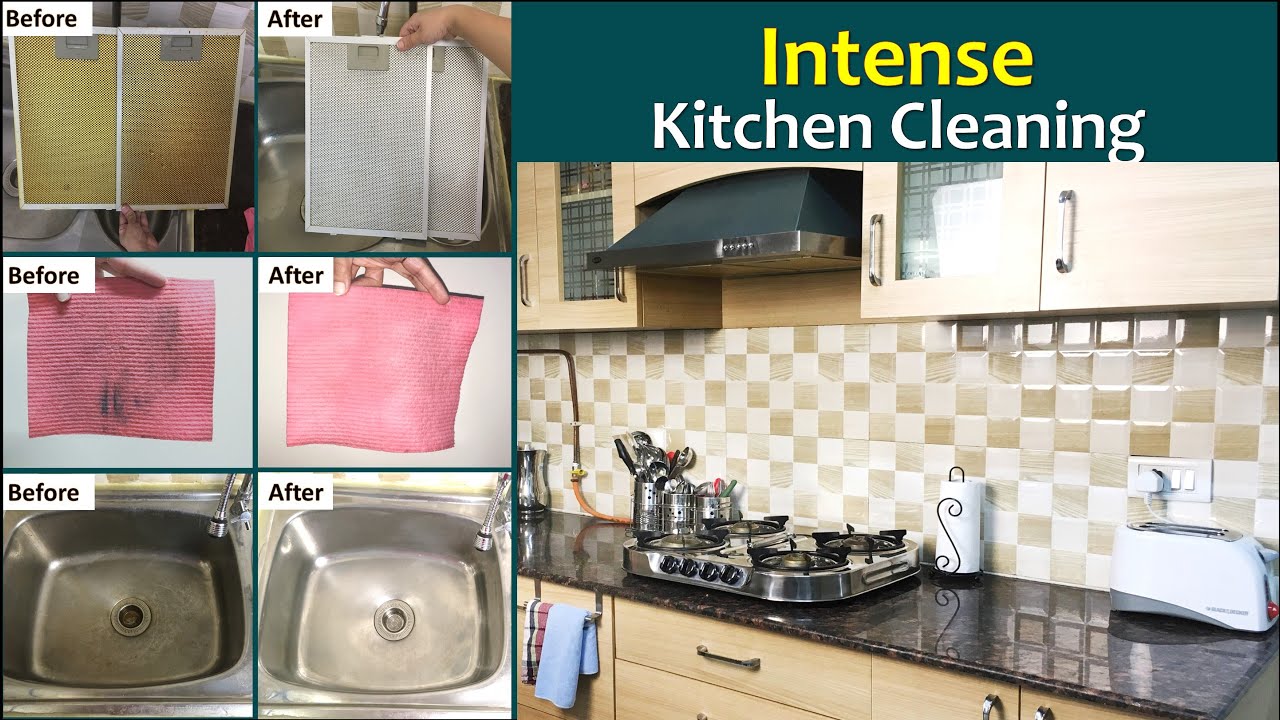
Remove any dishes or debris from the sink. Rinse with warm water to loosen grime. Sprinkle baking soda all over the sink basin. Scrub gently using a sponge or soft brush. Use vinegar to spray and create fizz for extra cleaning. Let it sit for a few minutes, then rinse well. Wipe edges and faucet handles with a cloth. This keeps the sink shiny and free from germs.
Appliance Maintenance Tips
Keeping kitchen appliances clean helps them work better and last longer. Regular maintenance saves time and money on repairs. Small daily habits make a big difference in appliance care. Clean appliances also keep your kitchen hygienic and fresh.
Microwave Cleaning Tricks
Microwaves get dirty fast from food splatters. Place a bowl with water and lemon slices inside. Heat it for 3 minutes to loosen grime. Wipe the inside with a soft cloth after steam builds up. This method removes odors and kills bacteria easily.
Keeping The Refrigerator Fresh
Refrigerators store food but can develop bad smells. Place an open box of baking soda on a shelf. It absorbs odors and keeps air fresh. Clean shelves and drawers with warm soapy water weekly. Check for expired food to avoid spills and smells.
Oven And Stove Quick Clean
Ovens and stoves collect grease and food bits quickly. Use a damp cloth with baking soda paste to scrub stains. For stove grates, soak them in hot water and soap. Wipe knobs and surfaces daily to stop buildup. Quick cleaning stops hard stains from forming.

Credit: www.onegoodthingbyjillee.com
Cabinet And Drawer Care
Kitchen cabinets and drawers store many essential items. Keeping them clean and organized helps maintain a neat kitchen. It also makes cooking and cleaning easier. Regular care prevents dirt buildup and damage. Simple steps can improve cabinet and drawer condition quickly.
Decluttering Strategies
Start by emptying all cabinets and drawers. Sort items into groups: keep, toss, or donate. Only keep things used often or needed. Store similar items together for easy access. Use small containers to separate utensils or tools. Clear clutter improves space and reduces stress.
Spot Cleaning Methods
Use a damp cloth with mild soap for cleaning surfaces. Wipe cabinet doors, handles, and drawer fronts carefully. For greasy spots, add a little vinegar to water. Avoid soaking wood to prevent damage. Dry surfaces immediately with a clean cloth. Regular spot cleaning keeps cabinets fresh and shiny.
Floor Cleaning Shortcuts
Keeping kitchen floors clean can take less time with smart shortcuts. A tidy floor keeps the whole kitchen fresh and safe. Using easy tricks helps finish the job fast and well. These tips make floor cleaning less of a chore and more of a quick task.
Sweeping And Mopping Hacks
Start with a dry broom to catch loose dirt and crumbs. Sweep in one direction to gather dust into a small pile. Use a dustpan with a rubber edge for easy debris pickup. For mopping, choose warm water and mild soap to avoid damage. Change mop water often to prevent spreading dirt around. Try a microfiber mop for better dirt capture and quicker drying. Mop in a figure-eight motion for full coverage and fewer streaks.
Dealing With Tough Stains
For sticky spots, sprinkle baking soda and spray with vinegar. Let it sit for a few minutes to break down grime. Scrub gently with a soft brush or sponge to avoid floor damage. Use lemon juice on stains for a natural brightening effect. Avoid harsh chemicals that can harm your floor’s finish. Rinse the area well and dry with a clean cloth to prevent water marks.
Odor Elimination Tips
Kitchen odors can be tough to remove. Cooking smells, food residues, and trash can leave your kitchen smelling bad. Using the right odor elimination tips can keep your kitchen fresh and inviting. Small, regular efforts help maintain a clean, pleasant space.
Removing Food Smells
Start by cleaning food spills quickly. Wipe counters and stove tops with warm, soapy water. Use baking soda to scrub cutting boards and sinks. It absorbs strong smells like garlic or fish. Lemon juice also helps neutralize odors. Rub lemon on surfaces or boil lemon slices in water to freshen the air.
Air Freshening Ideas
Place bowls of vinegar or coffee grounds in your kitchen. They soak up unwanted smells naturally. Simmer cinnamon sticks or cloves in water on the stove. This adds a warm, pleasant scent. Use houseplants like spider plants or aloe vera to improve air quality. Open windows when possible to let fresh air in.
Daily Habits For A Clean Kitchen
Keeping your kitchen clean every day makes cooking and cleaning easier. Small habits can stop dirt and mess from building up. Daily care saves time and keeps your kitchen fresh and neat. This section shares simple daily habits to keep your kitchen tidy without much effort.
Quick Cleaning Routines
Wipe down counters after cooking or eating. Use a damp cloth to remove crumbs and spills. Clean the sink every night to avoid stains and smells. Sweep the floor daily to keep dirt away. Empty trash regularly to prevent bad odors. These small steps take just minutes but keep your kitchen clean and ready.
Preventing Mess Build-up
Put dishes in the dishwasher or wash them immediately. Store food properly to avoid spills and pests. Clean spills on the floor or counters right away. Organize your kitchen tools and ingredients after use. Avoid piling dirty dishes in the sink. These habits stop mess from growing and make deep cleaning easier.
Credit: www.youtube.com

Credit: www.youtube.com
Frequently Asked Questions
What Are The Best Natural Kitchen Cleaning Hacks?
Use vinegar and baking soda for tough stains. Lemon juice disinfects and removes odors. These natural ingredients are safe and effective.
How Often Should I Deep Clean My Kitchen?
Deep clean your kitchen once a week. Focus on appliances, countertops, and sinks. Regular cleaning prevents germs and maintains hygiene.
Can I Clean Kitchen Appliances Without Harsh Chemicals?
Yes, use mild soap and water. For ovens, baking soda paste works well. Avoid abrasive cleaners to protect appliance surfaces.
What’s The Easiest Way To Clean Greasy Kitchen Cabinets?
Mix warm water with dish soap. Wipe cabinets with a soft cloth. For tough grease, add vinegar to the solution.
Conclusion
Keeping your kitchen clean does not have to be hard. Small daily efforts make a big difference. Use these hacks to save time and effort. Clean spaces help you cook better and feel good. Try these tips one by one and find what fits you best.
A tidy kitchen makes home life easier and more pleasant. Start today, and enjoy a fresher, healthier kitchen tomorrow. Simple steps lead to lasting results. Why wait?