Last Updated on August 2, 2026
Are your white cupboards looking dull or stained? You want them to shine and brighten your space, but cleaning them can feel tricky.
Don’t worry—cleaning white cupboards doesn’t have to be a hassle. With the right steps, you can restore their crisp, fresh look quickly and easily. Keep reading, and you’ll discover simple, effective tips that will make your cupboards look brand new again.
Your kitchen deserves that sparkle, and you’re just a few minutes away from learning how to get it!
Choosing The Right Cleaning Supplies
Choosing the right cleaning supplies is key to keep white cupboards bright and fresh. The wrong products can cause stains or damage the surface. It is important to pick cleaners that are gentle yet effective. Also, using the right tools can save time and effort. This guide helps select safe cleaners and useful tools for white cupboards.
Safe Cleaners For White Surfaces
Use mild soap or dish detergent mixed with warm water. These cleaners remove dirt without harming paint or finish. Avoid bleach or harsh chemicals that may yellow or peel the surface. Vinegar diluted with water works well to cut grease and grime. Always test a small hidden area first. Gentle cleaning protects cupboards and keeps them white longer.
Tools That Make Cleaning Easier
Soft microfiber cloths help wipe surfaces without scratching. Sponges with soft sides remove stains gently. A soft-bristle brush cleans corners and edges where dirt hides. Spray bottles allow even and controlled cleaner application. Use a step stool for hard-to-reach areas. Right tools reduce effort and improve cleaning results.

Credit: www.loveandrenovations.com
Preparing The Cupboards For Cleaning
Preparing your white cupboards for cleaning makes the process easier and more effective. It helps remove dirt and dust from hard-to-reach places. Also, it prevents damage during cleaning. Taking time to prepare saves effort later.
Removing Contents And Dusting
Start by emptying all items from the cupboards. This gives full access to surfaces and corners. Use a soft cloth or duster to remove loose dust. Dusting first stops dirt from mixing with cleaning solutions. Clean shelves, doors, and edges carefully.
Checking For Stains And Damage
Look closely for stains on cupboard surfaces. Spot any marks like grease, ink, or food stains. Identify areas with scratches or peeling paint. Knowing this helps choose the right cleaning method. Handle damaged spots gently to avoid worsening them.
Step-by-step Cleaning Process
Cleaning white cupboards keeps your kitchen bright and fresh. A clear step-by-step process makes the task easy. Follow these simple steps to restore your cupboards’ shine without damage.
Wiping Down With Mild Soap
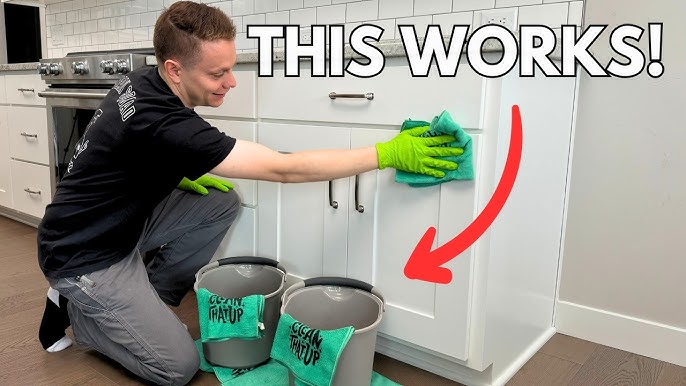
Start by mixing mild soap with warm water. Use a soft cloth or sponge to wipe the surface gently. Clean all cupboard doors, handles, and edges. Avoid soaking the wood or letting water sit. This step removes dirt and light grease effectively.
Tackling Tough Stains
For stubborn stains, apply a paste of baking soda and water. Rub gently with a soft cloth in circular motions. Avoid harsh scrubbing to protect the paint or finish. Let the paste sit for a few minutes before wiping it off. Repeat if needed, but do not overdo it.
Rinsing And Drying Properly
Use a clean, damp cloth to remove soap or baking soda residue. Make sure no moisture stays on the surface to avoid damage. Finally, dry the cupboards with a soft towel. This step prevents water spots and keeps cupboards looking new.
Maintaining The Brightness
Keeping white cupboards bright makes your kitchen look fresh and clean. White surfaces can dull or stain over time. Small daily habits protect the bright look. Careful maintenance stops dirt and yellowing. This section explains how to keep white cupboards shining longer.
Regular Cleaning Schedule
Set a weekly time to clean your cupboards. Wipe surfaces with a soft cloth and mild soap. Avoid harsh chemicals that can damage paint or finish. Dry cupboards after cleaning to prevent water marks. Regular cleaning stops buildup of dust and grease. This simple habit keeps cupboards looking new.
Preventing Yellowing And Discoloration
Yellowing happens from heat, smoke, and sunlight exposure. Use curtains or blinds to block direct sunlight on cupboards. Avoid storing heat sources close to white surfaces. Clean spills quickly to stop stains from setting. Use gentle cleaning products designed for white surfaces. These steps help keep cupboards bright and white longer.
Quick Fixes For Common Issues
White cupboards often face common problems like sticky spots and mold. Quick fixes help keep them clean without much effort. These easy steps save time and protect your cupboards from damage. Follow simple methods to restore your cupboards’ bright, fresh look.
Removing Sticky Residue
Sticky residue can come from tape, labels, or spilled food. Use warm, soapy water to soften the sticky area. Gently rub with a soft cloth or sponge. For tougher residue, try a small amount of white vinegar on a cloth. Avoid harsh scrubbing to protect the cupboard paint. Wipe the area clean with a damp cloth. Dry with a soft towel to finish.
Dealing With Mold And Mildew
Mold and mildew appear in damp, dark cupboard corners. Mix equal parts water and white vinegar in a spray bottle. Spray the affected area lightly and let it sit for 10 minutes. Wipe the surface with a clean cloth. For stubborn mold, use a baking soda paste. Apply, wait 15 minutes, then scrub gently. Always dry the cupboard thoroughly to stop mold returning.

Credit: www.abbottsathome.com
Protecting Your Cupboards Long-term
Protecting your white cupboards over time keeps them looking fresh and clean. Dirt and stains can build up, causing damage if not managed well. Taking steps to shield your cupboards helps maintain their bright, new look for years.
Applying Protective Coatings
Use a clear varnish or sealant to guard the cupboard surface. These coatings stop moisture and dirt from soaking in. Choose a product made for wood or laminate cupboards. Apply it evenly with a soft cloth or brush. Let it dry fully before using the cupboards again. Reapply the coating every year or as needed. This simple step adds a strong layer of protection.
Avoiding Harsh Chemicals
Harsh cleaners can strip paint and damage the cupboard finish. Skip bleach, ammonia, and strong solvents. Use mild soap and water for regular cleaning. Test new cleaners on a small hidden spot first. This prevents unexpected damage to your cupboards. Gentle cleaning keeps the surface intact and bright. Protect your cupboards by choosing safe, gentle products.
Credit: www.youtube.com
Frequently Asked Questions
How Often Should I Clean White Cupboards?
Clean white cupboards every two weeks to maintain brightness. Frequent cleaning prevents dirt buildup and stains. Wipe surfaces with a mild detergent and soft cloth for best results.
What Is The Best Cleaner For White Cupboards?
Use a gentle, non-abrasive cleaner like diluted dish soap. Avoid harsh chemicals that can damage paint or finish. A mixture of vinegar and water also works well for natural cleaning.
How Do I Remove Stains From White Cupboards?
Apply a paste of baking soda and water on stains. Gently scrub with a soft cloth and rinse with clean water. For tough stains, use a magic eraser carefully to avoid damage.
Can I Use Bleach To Clean White Cupboards?
Avoid using bleach as it can discolor or damage surfaces. Opt for mild cleaners or natural solutions instead. Bleach is too harsh and may cause yellowing over time.
Conclusion
Keeping white cupboards clean takes simple, regular care. Use gentle cleaners and soft cloths to avoid damage. Wipe spills quickly to stop stains from setting. Clean both inside and outside for best results. A little effort keeps cupboards looking fresh and bright.
Clean cupboards make your kitchen feel tidy and welcoming. Try these tips and enjoy spotless, white cupboards every day.