Last Updated on August 2, 2026
Are you wondering if bleach can make your dishwasher cleaner and your dishes spotless? You’re not alone.
Many people ask whether adding bleach to their dishwasher is safe or effective. What if there was a simple way to kill germs and get rid of stubborn stains without damaging your machine or dishes? You’ll discover exactly how bleach works in your dishwasher, the right way to use it, and important safety tips.
Keep reading to learn how to get the best results and keep your dishwasher running smoothly.
Credit: inthewash.co.uk
Bleach And Dishwasher Basics
Bleach is a strong chemical often used to clean and disinfect. People wonder if bleach works well in dishwashers. Knowing the basics helps keep dishes safe and machines healthy.
Dishwashers use water, detergent, and heat to clean dishes. Adding bleach changes how the dishwasher works. It can kill germs but may damage some parts or dishes.
How Bleach Works
Bleach kills bacteria and viruses by breaking their cells. It removes stains and whitens surfaces. Bleach works best in cool water but can still act in warm water.
It is strong and must be used carefully. Too much bleach can harm dishware or the dishwasher’s parts. Always follow directions for safe use.
Common Dishwasher Cleaners
Dishwasher cleaners come in many forms: powders, gels, and tablets. Most cleaners do not contain bleach. They use enzymes and chemicals to break down food and grease.
Special dishwasher cleaners remove limescale and buildup inside the machine. These keep the dishwasher running well. Using the right cleaner prevents damage and keeps dishes clean.
Using Bleach Safely In Dishwashers
Bleach helps keep your dishwasher clean and free from germs. Using it safely prevents damage to your appliance and your dishes. Follow clear steps for the best results.
Understanding the right type and amount of bleach keeps your dishwasher working well. Timing also matters to avoid harm and get the best cleaning effect.
Recommended Bleach Types
Choose regular liquid chlorine bleach for dishwashers. Avoid scented or splashless bleach. These can leave residue or harm the dishwasher parts.
Check the label to ensure it contains sodium hypochlorite. This is the active ingredient for cleaning and disinfecting.
Proper Dilution And Dosage
Use bleach carefully. Too much can damage your dishwasher and dishes. Too little will not clean properly.
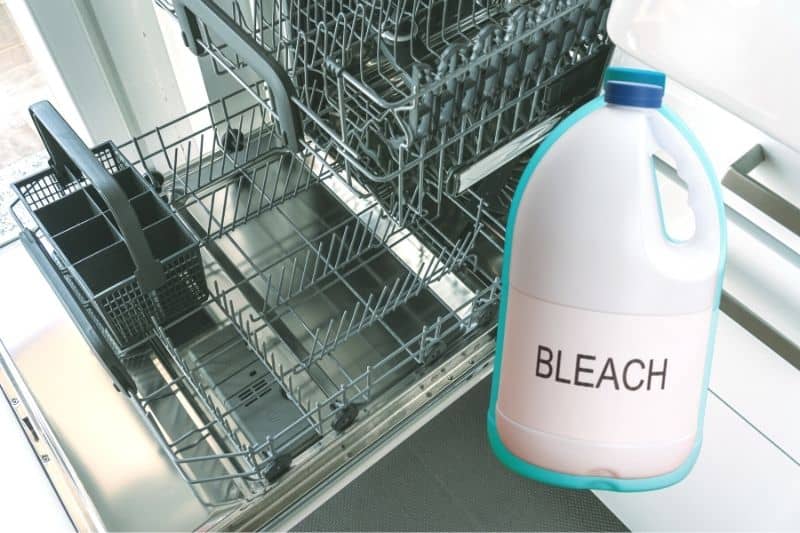
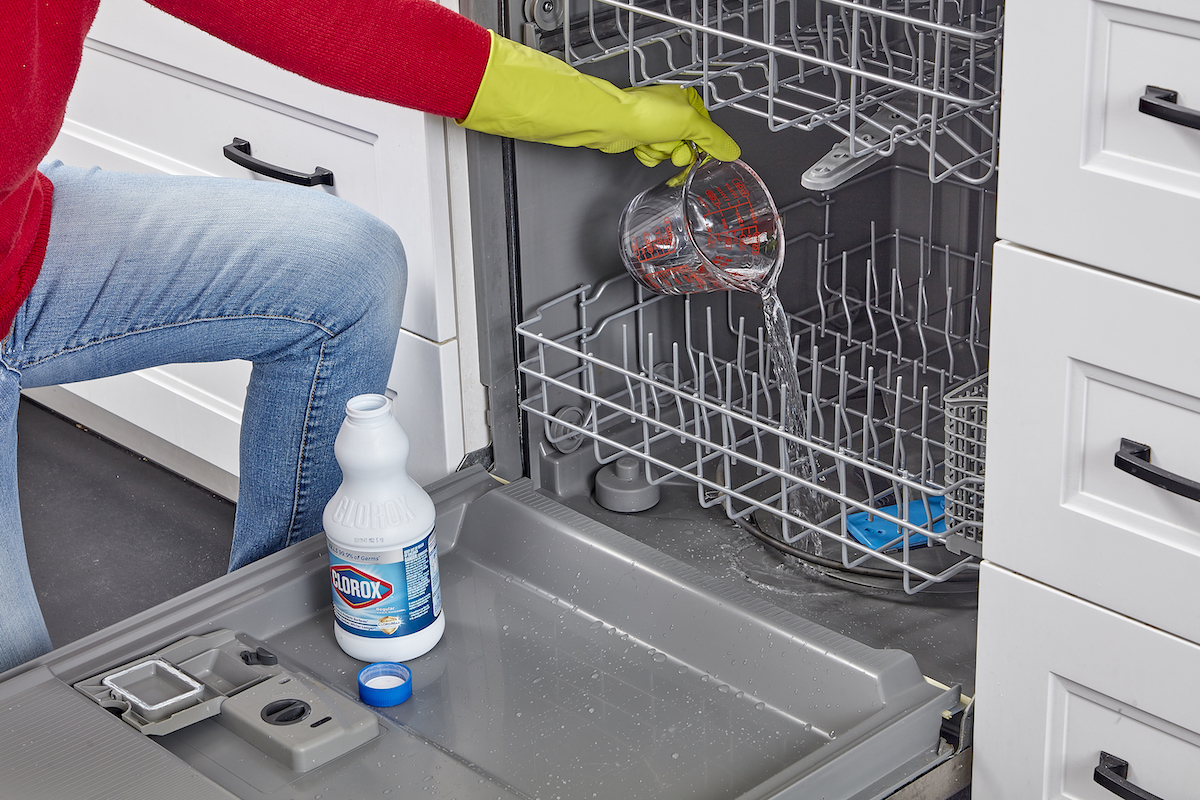
Mix one tablespoon of bleach with one cup of water. This dilution is safe and effective for most dishwashers.
Never pour bleach directly into the dishwasher without diluting it first.
When To Add Bleach
Add bleach only during the final rinse cycle. This avoids bleach reacting with detergents and causing damage.
Check your dishwasher manual for specific instructions. Some models do not recommend using bleach at all.
Do not use bleach with aluminum or silver items. It can cause discoloration or corrosion.
Potential Risks Of Bleach
Bleach is a strong chemical often used for cleaning and disinfecting. Using bleach in a dishwasher might seem like a good idea to kill germs. But bleach can cause several problems that harm the machine, dishes, and your health. Understanding these risks helps avoid damage and keep your dishwasher safe.
Damage To Dishwasher Components
Bleach can corrode metal parts inside the dishwasher. It may wear down rubber seals and hoses. This damage can cause leaks and reduce the machine’s life. The dishwasher’s finish may also fade or discolor. Using bleach often leads to costly repairs or early replacement.
Impact On Dishes And Utensils
Bleach can harm the surface of dishes and utensils. It may cause fading or rough spots on plastics. Silverware may tarnish or lose its shine. Porcelain and glass can develop tiny cracks or cloudiness. These effects reduce the look and usefulness of your items.
Health And Safety Concerns
Bleach fumes irritate the eyes, throat, and lungs. Mixing bleach with other cleaners can create toxic gases. Residue from bleach can remain on dishes and cause stomach upset. Children and pets face higher risks from bleach exposure. Using bleach safely around the kitchen is very important.
Alternatives To Bleach For Dishwasher Cleaning
Bleach is a common choice for cleaning dishwashers. It kills germs and removes stains well. Still, bleach can be harsh on your machine and the environment. It may cause damage to rubber seals and metal parts over time. Many people want safer and gentler options to clean their dishwashers. Several alternatives work effectively without the risks of bleach. These options keep your dishwasher fresh and clean without harsh chemicals.
Natural Cleaning Agents
Natural agents like vinegar and baking soda clean dishwashers safely. White vinegar removes hard water stains and kills bacteria. Baking soda helps to deodorize and scrub away grime. Use a cup of vinegar on the top rack and run a hot cycle. Then sprinkle baking soda on the bottom and run a short cycle. Lemon juice also fights odors and adds a fresh scent. These ingredients are affordable, easy to find, and eco-friendly.
Commercial Dishwasher Cleaners
Many brands make cleaners designed specifically for dishwashers. These products remove grease, limescale, and odors effectively. They are safe for dishwasher parts and seals. Look for cleaners that are phosphate-free and biodegradable. Some use enzymes to break down food residues gently. Follow the instructions on the label for best results. Using a commercial cleaner monthly helps maintain your dishwasher’s performance and hygiene.
Tips To Maintain Dishwasher Hygiene
Keeping your dishwasher clean is key to good hygiene. Dirt and food bits can build up quickly. This may cause bad smells and reduce cleaning power. Follow simple tips to keep your dishwasher fresh and working well.
Regular Cleaning Schedule
Set a cleaning routine for your dishwasher. Run an empty cycle with vinegar once a month. This helps remove grease and deposits. Clean the filter every two weeks to avoid clogs. Wipe the door seals with a damp cloth often. These steps keep your dishwasher running smoothly.
Preventing Mold And Odors
Leave the dishwasher door slightly open after use. This lets moisture escape and stops mold growth. Check for trapped food in corners and remove it. Use baking soda occasionally to neutralize odors. Clean spray arms and racks to avoid bacteria buildup. These habits keep your dishwasher smelling fresh.

Credit: www.reddit.com
Credit: www.bobvila.com
Frequently Asked Questions
Can I Use Bleach In My Dishwasher Safely?
Using bleach in a dishwasher is generally not recommended. Bleach can damage rubber seals and metal parts. It may also react with other cleaning agents, causing harmful fumes. Instead, use dishwasher-safe cleaners for effective and safe cleaning.
What Happens If I Put Bleach In Dishwasher Detergent?
Mixing bleach with dishwasher detergent can create toxic fumes. Dishwasher detergents often contain ammonia or other chemicals that react dangerously with bleach. This can harm your health and damage your dishwasher. Avoid combining bleach with dishwasher detergent.
How To Disinfect Dishwasher Without Bleach?
To disinfect a dishwasher without bleach, use white vinegar or baking soda. Run an empty cycle with a cup of vinegar on the top rack. Follow with a baking soda rinse cycle for freshening and cleaning without harsh chemicals.
Does Bleach Remove Dishwasher Odors Effectively?
Bleach can kill bacteria causing odors, but it may harm dishwasher parts. Using vinegar or baking soda is safer and effective for odor removal. These natural cleaners clean and deodorize without damaging your appliance.
Conclusion
Bleach is not safe for dishwashers or dishes. It can damage the machine and leave harmful residue. Use dishwasher detergents made for cleaning dishes. Regular cleaning with the right products keeps your dishwasher fresh and working well. Always follow the instructions on cleaning products.
Safe cleaning protects your appliances and your health. Choose gentle, approved cleaners to avoid problems. Keep your dishwasher clean without risking damage or health issues. Simple care goes a long way for lasting results.