Last Updated on August 2, 2026
Grease on your stove can be stubborn and frustrating. It builds up quickly and makes your kitchen look messy.
But don’t worry—you don’t need harsh chemicals or hours of scrubbing to get it clean. You’ll discover simple, effective ways to remove grease from your stove using easy steps and common household items. By the end, your stove will look spotless, and you’ll feel proud of your sparkling kitchen.
Ready to make your stove shine again? Let’s get started!
Common Causes Of Stove Grease
Stove grease builds up from everyday cooking activities. It sticks to surfaces and grows harder to clean over time. Understanding what causes grease helps prevent tough stains.
Grease mostly comes from oils and food particles released during cooking. These bits settle on the stove and form a sticky layer. Regular cleaning stops grease from piling up.
Cooking Residue
Cooking residue includes tiny bits of food and burnt particles. These remain on the stove after cooking. Heat causes them to stick and mix with oil, creating grease.
Oil Splatter
Hot oil often splashes out of pans during frying or sautéing. These droplets land on the stove surface. Over time, oil splatters become thick, sticky grease patches.
Food Spills
Boiling pots and pans can spill food onto the stove. Sugary sauces and soups leave sticky spots behind. If not wiped quickly, these spills turn greasy and hard to remove.

Credit: home.howstuffworks.com
Essential Cleaning Supplies
Cleaning grease from your stove needs the right supplies. Using proper cleaners and tools makes the job easier and faster. It also protects your stove from damage. Here are essential items to have for effective grease removal.
Natural Cleaners
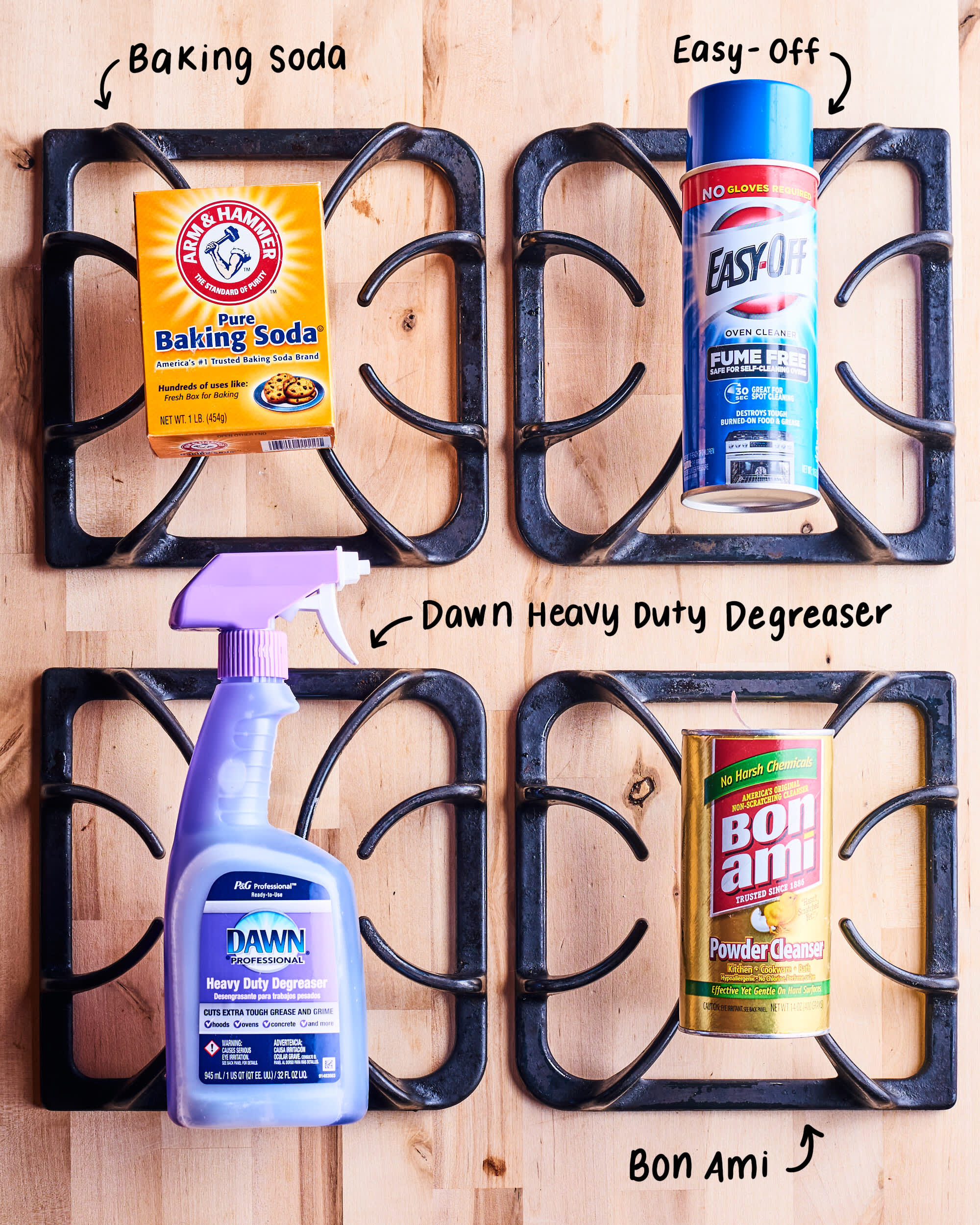
Natural cleaners use simple ingredients like vinegar and baking soda. They break down grease without harsh chemicals. Mix equal parts of vinegar and water in a spray bottle. Sprinkle baking soda on tough spots before spraying the vinegar solution. Let it sit, then wipe clean. These cleaners are safe and eco-friendly.
Commercial Degreasers
Commercial degreasers are strong and made for kitchen grease. They dissolve thick grease quickly. Choose ones labeled safe for stove surfaces. Spray the degreaser on greasy areas and wait a few minutes. Wipe away the grime with a cloth. Use gloves to protect your skin from chemicals.
Tools And Brushes
Having the right tools helps reach all stove parts. Soft sponges clean surfaces without scratching. Stiff brushes remove stubborn grease in corners. Microfiber cloths absorb grease and polish the stove. Use a scraper carefully for burnt-on residue. Change cleaning tools often to avoid spreading grease.
Preparation Before Cleaning
Cleaning grease from your stove is easier with the right preparation. Taking a few simple steps before you start helps protect you and your kitchen. It also makes the cleaning process faster and safer. Preparing well can save effort and avoid accidents.
Turning Off And Cooling Stove
Always turn off the stove before cleaning. Make sure all burners and ovens are off. Wait for the stove to cool down completely. Cleaning a hot stove can cause burns. Cool surfaces allow cleaning products to work better.
Removing Stove Parts
Take off removable parts like grates, burners, and knobs. These parts collect a lot of grease. Removing them makes cleaning easier and more thorough. Soak them in warm, soapy water to loosen grease. This step prevents grease from spreading during cleaning.
Ventilating The Area
Open windows or switch on the kitchen fan. Good airflow removes strong smells from cleaning products. It also helps dry wet surfaces faster. Proper ventilation keeps your kitchen fresh and safe. It makes the cleaning process more comfortable.
Step-by-step Cleaning Methods
Cleaning grease from your stove can feel tough. Following clear steps makes the job easier and faster. This guide breaks down the process into simple actions you can follow. Each step targets a different part of the stove for the best results.
Soaking Removable Parts
Start by removing the stove grates and burner caps. Place them in a sink filled with hot, soapy water. Let them soak for at least 20 minutes. Soaking loosens grease and grime stuck on these parts. After soaking, scrub gently with a soft brush to remove residue. Rinse with clean water and dry before placing them back.
Wiping Surface Grease
Use a damp cloth or sponge with mild dish soap. Wipe the stove’s surface in circular motions. This removes fresh grease and light dirt easily. For best results, rinse the cloth often and change the water if it gets dirty. Avoid using too much water to protect stove controls and electronics.
Scrubbing Tough Stains
For stubborn grease spots, apply a paste of baking soda and water. Let it sit for 10 minutes. Use a soft brush or non-abrasive scrubber to scrub the stain gently. Avoid harsh scrubbing that can damage the stove surface. Wipe clean with a damp cloth and dry thoroughly to finish.
Natural Solutions For Grease Removal
Natural solutions offer safe and effective ways to clean grease from your stove. These methods use common kitchen ingredients. They remove tough grease without harsh chemicals. Your kitchen stays fresh and healthy. Here are three easy natural cleaners you can try.
Baking Soda Paste
Baking soda is a gentle abrasive that lifts grease. Mix baking soda with a little water to form a paste. Spread the paste on greasy spots. Let it sit for 15 minutes. Then, scrub with a soft cloth or sponge. Rinse with warm water. This paste breaks down grease and removes stains well.
Vinegar Spray
White vinegar cuts through grease with its acidity. Pour vinegar into a spray bottle. Spray it directly onto greasy areas. Let it sit for 10 minutes. Wipe away with a clean cloth. Vinegar also helps kill bacteria. It leaves your stove clean and shiny without residue.
Lemon Juice Application
Lemon juice is natural and smells fresh. It contains citric acid that dissolves grease easily. Squeeze fresh lemon juice on greasy spots. Rub gently with a cloth or sponge. Let it sit for a few minutes. Wipe clean with a damp cloth. Lemon juice brightens your stove and removes grease effectively.
Using Commercial Cleaners Safely
Using commercial cleaners can make removing grease from your stove easier. These products are strong and designed to cut through tough grease quickly. Safety is important while using them. Proper use helps protect your stove and keeps your home safe.
Choosing The Right Product
Pick a cleaner that fits your stove type. Some products work best on gas stoves. Others are for electric or glass tops. Read the label to check if it is safe for your stove surface. Avoid harsh chemicals if your stove has a sensitive finish.
Following Instructions
Always read and follow the cleaner’s instructions. Use the amount suggested on the label. Let the cleaner sit for the recommended time. Rinse or wipe the surface as directed. This prevents leftover residue and keeps your stove clean.
Avoiding Damage To Stove
Do not use steel wool or rough scrubbers with commercial cleaners. These can scratch the stove’s surface. Test the cleaner on a small spot first. Watch for any discoloration or damage. Use soft cloths or sponges to protect your stove.
Tips For Maintaining A Clean Stove
Keeping your stove clean is easier with simple habits. Small actions every day stop grease and dirt from building up. These tips help your stove look fresh and work well longer.
Follow these easy steps to keep your stove neat and grease-free.
Regular Wiping
Wipe your stove surface every day with a damp cloth. This removes light grease and crumbs before they harden. Use mild soap for better cleaning. Regular wiping keeps the stove shiny and ready for cooking.
Immediate Spill Cleanup
Clean spills as soon as they happen. Hot grease can burn and stain if left too long. Use a soft sponge and warm water to wipe spills quickly. Fast cleanup makes deep cleaning less needed later.
Protective Covers
Use stove burner covers to catch spills and splatters. These covers are easy to remove and wash. They protect the stove surface from tough grease stains. Covers save time and keep your stove looking new.
Credit: www.thekitchn.com
Common Mistakes To Avoid
Cleaning grease from your stove seems simple, but many make mistakes that cause damage or extra work. Avoiding these errors saves time and keeps your stove in good shape. Focus on safe methods and follow clear steps to get the best results.
Using Abrasive Materials
Abrasive tools like steel wool or rough scrubbers can scratch your stove’s surface. These scratches make cleaning harder later and can ruin the finish. Use soft cloths or sponges instead. Gentle cleaning products protect your stove while removing grease effectively.
Ignoring Manufacturer Guidelines
Every stove brand has specific cleaning advice. Ignoring these instructions can void warranties or damage parts. Check the manual before cleaning. Use recommended products and methods to keep your stove safe and working well.
Skipping Ventilation
Grease cleaning often involves strong cleaners. Without proper airflow, fumes build up and harm your health. Open windows or turn on exhaust fans during cleaning. Fresh air helps you stay safe and makes the process more comfortable.
Credit: www.thekitchn.com
Frequently Asked Questions
How Do I Remove Grease From A Stove Quickly?
Use a mixture of warm water and dish soap. Apply it to the stove with a soft cloth. Scrub gently to avoid damage. Rinse with clean water and dry. This method is effective for daily grease cleaning.
What Household Items Clean Stove Grease Effectively?
Baking soda, vinegar, and lemon juice work well. Sprinkle baking soda on grease, spray vinegar, and scrub. Lemon juice helps cut through stubborn grease. These natural cleaners are safe and eco-friendly for stoves.
Can I Use Commercial Cleaners On My Stove?
Yes, but choose stove-specific products. Avoid harsh chemicals that damage surfaces. Follow label instructions carefully. Test on a small area first. Commercial cleaners can remove tough grease efficiently.
How Often Should I Clean Grease From My Stove?
Clean your stove after every use if possible. Regular cleaning prevents grease buildup and odors. Deep clean weekly for better hygiene. Consistency keeps your stove looking new and functioning well.
Conclusion
Cleaning grease from your stove keeps it safe and fresh. Regular care stops grime from building up. Use simple tools and natural cleaners for best results. Quick action makes cleaning easier and saves time. A clean stove helps your kitchen look neat and smells better.
Keep these tips in mind for a spotless cooking space. Your stove will thank you with better performance. Small efforts bring big changes in kitchen cleanliness.