Last Updated on August 2, 2026
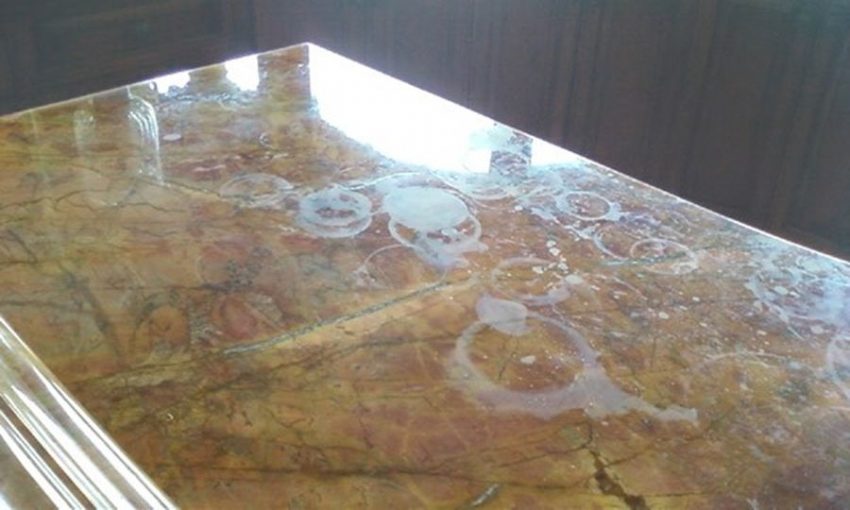
Your granite countertops add beauty and value to your kitchen, but over time, they can lose their shine and protection. If you’ve noticed dull spots, water stains, or that your counters just don’t look as vibrant as they once did, it’s time to take action.
Stripping and resealing your granite is easier than you might think—and doing it right will bring back that rich, polished look while protecting your surfaces for years to come. In this guide, you’ll learn simple, step-by-step methods to restore your granite countertops like a pro.
Keep reading to discover how to make your kitchen shine again and keep your granite looking flawless.
Credit: prohousekeepers.com
Preparing The Workspace
Preparing the workspace is the first step to strip and reseal granite countertops. It sets the stage for a smooth and safe process. A clean, organized area helps you work faster and avoid accidents. Take time to get everything ready before starting the job.
Gathering Necessary Tools
Collect all tools and materials needed for the job. You will need a granite stripper, sealer, scrub brush, microfiber cloths, gloves, and a bucket. Having all items at hand saves time and reduces interruptions. Check each product’s instructions for special requirements.
Clearing And Cleaning The Area
Remove all items from the countertop and nearby surfaces. This prevents damage and gives you full access to the granite. Wipe the countertop with a mild cleaner to remove dust and debris. A clean surface helps the stripper work better. Open windows or use a fan for ventilation during the process.
Stripping Old Sealant
Stripping old sealant from granite countertops is a key step before resealing. It removes layers that protect the stone but wear out over time. Proper removal helps the new sealant stick well. This keeps your granite looking fresh and protected.
Choosing The Right Stripper
Select a stripper made for granite surfaces. Avoid harsh chemicals that can damage the stone. Look for a pH-neutral or granite-safe product. Read product labels and customer reviews to ensure safety and effectiveness. Using the right stripper protects your countertop from harm.
Applying The Stripper Safely
Wear gloves and work in a well-ventilated area. Follow the instructions on the product label carefully. Apply the stripper evenly with a soft cloth or brush. Let it sit for the recommended time. Avoid letting the stripper dry on the surface to prevent damage.
Removing Residue Thoroughly
After the stripper loosens the old sealant, wipe it away gently. Use a clean, damp cloth to remove all residue. Rinse the area with water and dry it completely. Any leftover residue can stop the new sealant from bonding. Make sure the surface feels clean and smooth before resealing.
Cleaning Granite Surface
Cleaning the granite surface is the first important step to strip and reseal your countertops. Dirt, oils, and old sealant layers can stop the new sealer from working well. A clean surface helps the sealer stick better and last longer.
Use the right cleaning method to avoid damage. Granite is a natural stone and needs gentle care. Harsh cleaners can dull or harm the surface. Follow these simple steps to prepare your granite for resealing.
Using Ph-neutral Cleaners
Choose a pH-neutral cleaner made for stone surfaces. These cleaners do not contain acids or harsh chemicals. They clean dirt and grease without harming granite.
Dilute the cleaner with water as the label suggests. Apply it with a soft cloth or sponge. Avoid scrubbing hard to protect the stone’s surface. Rinse with clean water to remove any cleaner residue.
Drying The Surface Completely
After cleaning, dry the granite fully. Use a soft, clean towel or microfiber cloth. Moisture left on the surface can stop the sealer from bonding.
Check all corners and edges for water. Let the surface air dry for about an hour. Make sure no damp spots remain before sealing your countertop.
Credit: www.reddit.com
Selecting A Sealant
Selecting the right sealant is important for granite countertops. It protects the stone from stains and damage. Choosing the correct sealant keeps your countertop looking new. The right product also makes cleaning easier. Understanding the types of sealers helps make a smart choice. Think about your needs before buying one.
Types Of Granite Sealers
There are two main types of granite sealers. Penetrating sealers soak into the stone. They protect from inside without changing the surface. Topical sealers sit on the surface. They create a protective layer that shines. Penetrating sealers are more common for granite. Topical sealers may make the stone slippery. Choose the type that fits your kitchen use.
Factors To Consider When Choosing
Check how long the seal lasts. Some need reapplication every year. Others protect for several years. Think about the finish you want. Matte or glossy? Consider how easy it is to apply. Some sealers need more tools or steps. Look for products safe for food areas. Avoid harsh chemicals that can harm your family. The best sealant matches your lifestyle and granite type.
Applying The New Sealant
Applying the new sealant is a key step in protecting your granite countertops. It helps keep the stone safe from stains and damage. Doing this carefully ensures your countertops look good for years. Follow these clear steps to apply the sealant correctly.
Step-by-step Application Process
Start by cleaning the granite surface. Make sure it is dry before sealing. Use a clean cloth or sponge to apply the sealant. Spread it evenly in small sections. Work in circular motions to cover every part. Avoid pouring sealant directly on the countertop. Let the sealant sit for 10 to 15 minutes. This allows it to soak into the stone. Wipe off any extra sealant with a clean cloth. Let the surface dry before moving to the next step.
Ensuring Even Coverage
Check for missed spots or thin areas. Use extra sealant on those sections. Do not leave puddles or thick layers. These can leave marks or sticky spots. Use soft, gentle strokes to blend sealant. Make sure every inch of the granite is covered. A uniform layer helps protect the stone better.
Timing Between Coats
Wait at least two hours before applying a second coat. This gives the first coat time to dry and absorb. Some sealants may require more drying time. Check the product instructions for exact timing. Applying coats too soon can reduce effectiveness. For best results, apply two coats. This ensures strong protection for your granite.
Curing And Maintenance
After stripping and resealing granite countertops, proper curing and maintenance are essential. These steps help protect the stone and keep it looking fresh. Without correct care, the seal can wear off quickly, making the granite vulnerable to stains and damage. Follow these tips to extend the life of your granite seal.
Allowing Proper Curing Time
Once you apply the sealant, the granite needs time to cure. Avoid using the countertop for at least 24 to 48 hours. This resting time lets the sealant soak deeply into the stone. Touching or placing items on the surface too soon can weaken the seal. Keep the area dry and free from dust during curing.
Tips For Long-lasting Seal
Use a high-quality granite sealant for the best protection. Apply the sealant evenly in thin layers. Avoid over-application as it can create a sticky surface. Reapply the seal every one to two years, depending on the countertop use. Test the seal by sprinkling water; if it beads up, the seal is good.
Routine Cleaning Practices
Clean granite countertops regularly with a gentle cleaner. Use mild soap and warm water or a cleaner made for stone. Avoid harsh chemicals and abrasive scrubbers that can damage the seal. Wipe spills immediately to prevent staining. Dry the surface with a soft cloth to keep it shiny and sealed.
Troubleshooting Common Issues
Stripping and resealing granite countertops can sometimes bring unexpected problems. These issues can affect the look and durability of your granite. Knowing how to fix common problems helps you keep your countertop in great shape. This section covers easy ways to solve typical troubles during the process.
Dealing With Uneven Sealing
Uneven sealing happens when some areas absorb more sealer than others. This causes blotchy spots or shiny patches. To fix this, apply the sealer in thin, even coats. Use a clean cloth or brush to spread it slowly. Wipe off extra sealer quickly before it dries. Avoid sealing under direct sunlight or on a hot surface. These conditions dry the sealer too fast and cause uneven finish.
Removing Stubborn Stains
Stains on granite can be hard to remove after stripping. Use a poultice made from baking soda and water for oil stains. Spread it thick on the stain and cover with plastic wrap. Let it sit for 24 hours to draw out the stain. For water or rust stains, try a gentle granite cleaner or hydrogen peroxide. Never use harsh acids or bleach, as they damage granite.
When To Seek Professional Help
Some problems need expert care. Deep scratches, cracks, or large stains may not go away with home methods. Professionals have special tools and products to restore granite safely. Call a granite specialist if you feel unsure or the damage is severe. Early professional help can save your countertop and avoid costly repairs later.

Credit: www.caesarstoneus.com
Frequently Asked Questions
How Do I Safely Strip Granite Countertops?
Use a pH-neutral granite cleaner and a soft cloth. Avoid harsh chemicals or abrasive tools. Work in small sections to prevent damage. Always test the cleaner on a small area first to ensure it won’t harm the surface.
What Sealant Is Best For Granite Countertops?
Choose a penetrating granite sealer for durability and protection. These sealers soak into the stone, preventing stains and moisture damage. Always select a product labeled safe for granite and food preparation areas.
How Often Should I Reseal Granite Countertops?
Reseal granite countertops every 1 to 3 years depending on usage. High-traffic kitchens may need more frequent sealing. Test by sprinkling water; if it absorbs quickly, it’s time to reseal.
Can I Strip Old Sealer From Granite Myself?
Yes, you can use a granite sealer remover or a poultice. Follow product instructions carefully. Avoid abrasive methods that can scratch or dull the stone’s surface.
Conclusion
Stripping and resealing granite countertops keeps them looking fresh and strong. Clean the surface well before you start. Use the right products to avoid damage. Take your time and work carefully. Sealing protects granite from stains and scratches. Regular care helps your countertops last longer.
Enjoy the beauty of your granite every day. This simple process saves money on repairs. Give your kitchen a clean, polished look easily. Keep your granite countertops shining bright with little effort.