Last Updated on August 2, 2026
Your kitchen sink gets used every day, and over time, it can start to look dull and even harbor germs. But cleaning it doesn’t have to be a chore you dread.
Imagine a sink that shines like new and feels fresh every time you use it. You’ll discover simple, effective ways to clean your kitchen sink quickly and thoroughly. Ready to make your sink sparkle and keep your kitchen healthy? Keep reading—you’ll be amazed at how easy it is!
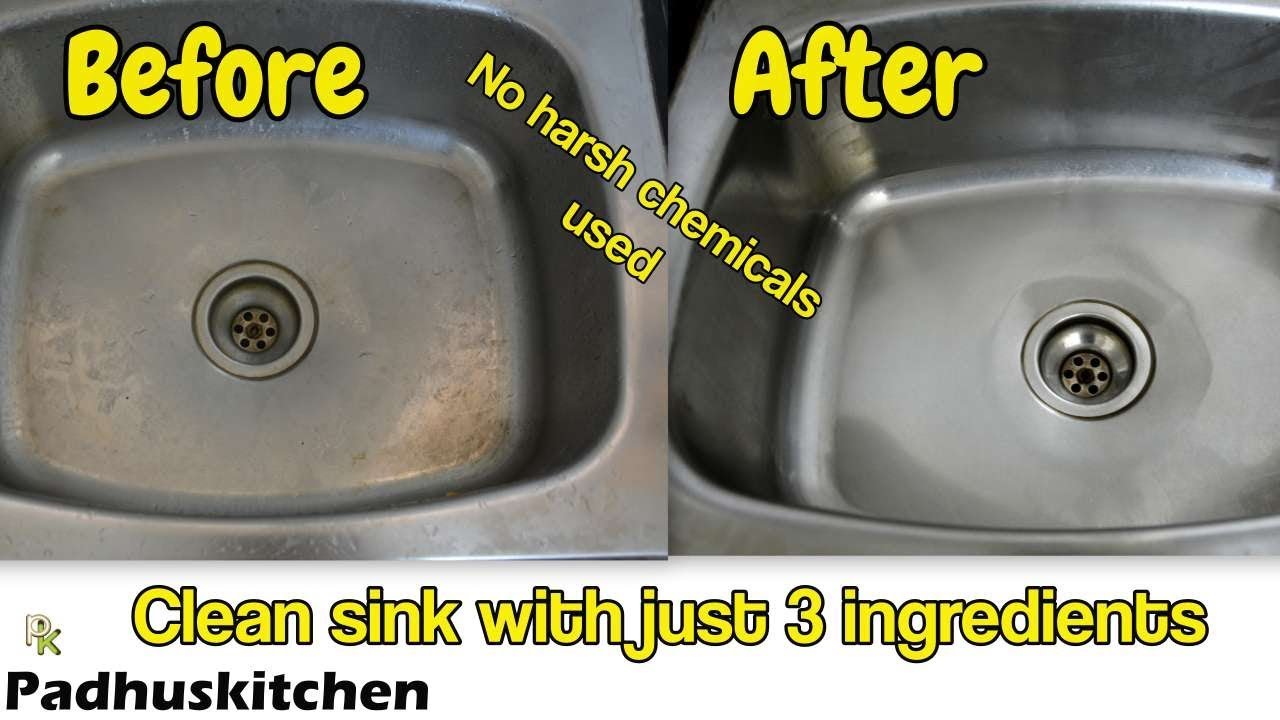
Credit: www.youtube.com
Gather Cleaning Supplies
Gathering the right cleaning supplies is the first step to a sparkling kitchen sink. Having everything ready saves time and makes cleaning easier. Here is a simple list of what you need.
Soap Or Dishwashing Liquid
Use mild soap or dishwashing liquid to remove grease and grime. It works well for everyday cleaning and keeps your sink fresh.
Baking Soda
Baking soda is a gentle scrubber that removes stains without scratching. Sprinkle it on the sink surface before scrubbing for better results.
White Vinegar
White vinegar helps dissolve mineral deposits and disinfects the sink. Use it after baking soda for a deep clean and shine.
Soft Scrub Brush Or Sponge
Choose a soft scrub brush or sponge to clean without damaging the sink surface. Avoid harsh steel wool or rough pads.
Microfiber Cloth
A microfiber cloth dries and polishes the sink after cleaning. It helps prevent water spots and leaves a smooth finish.
:max_bytes(150000):strip_icc()/GettyImages-486370362-3eaf92fa99f747009ed7ad78ba044a76.jpg)
Credit: www.southernliving.com
Clear The Sink Area
Clearing the sink area is the first step to a clean kitchen sink. A tidy space makes cleaning easier and more effective. Removing clutter helps reach every corner of the sink. It also prevents dirt from spreading to other areas.
Start by taking out dishes, soap bottles, and sponges. Put them away or set them aside for cleaning. Clear any food scraps or trash around the sink. Wipe the countertop to remove spills and crumbs. A clean surface supports better sink hygiene.
Remove All Dishes And Utensils
Empty the sink completely. Dirty dishes block access and trap bacteria. Place them in the dishwasher or wash by hand later. This step clears the whole sink for deep cleaning.
Clear Soap Dispensers And Cleaning Tools
Take out soap bottles, scrub brushes, and sponges. These items can hold germs and grime. Clean them separately to avoid spreading dirt back to the sink.
Wipe Down Surrounding Countertops
Use a damp cloth to clean the counter edges near the sink. Food particles and water splashes collect there. A quick wipe removes buildup and keeps the area fresh.
Rinse And Remove Debris
Rinsing and removing debris is the first step to a clean kitchen sink. It clears out loose dirt and food scraps. This makes the next cleaning steps easier and more effective.
Clear The Drain Area
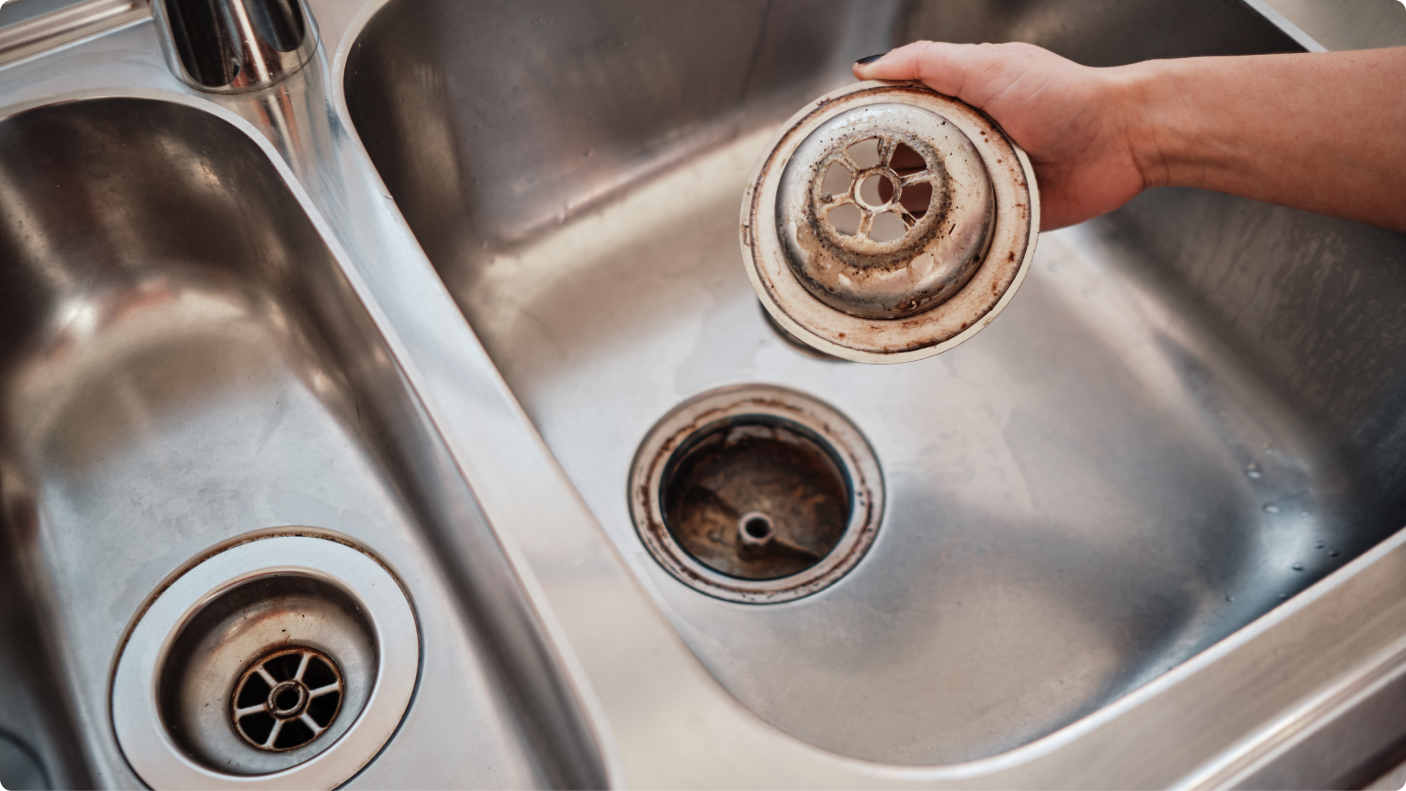
Start by checking the drain for visible debris. Use your fingers or a small tool to pull out food bits. Removing these stops clogs and bad smells. Always wear gloves for hygiene.
Use Warm Water To Rinse
Run warm water over the sink surface and drain. Warm water helps loosen stuck particles. It also washes away grease and soap residue. Keep the water flow steady for best results.
Scrub Away Stuck-on Debris
Use a soft sponge or brush to scrub the sink. Focus on areas with stuck food or stains. Gentle scrubbing lifts grime without scratching the sink. Rinse again to wash off loosened debris.
Apply Cleaning Solution
Applying the right cleaning solution is key to a spotless kitchen sink. It helps break down grease, grime, and stains. Choosing a suitable cleaner depends on your preference for natural or commercial products.
Natural Cleaners
Natural cleaners use simple ingredients found at home. Baking soda is a gentle abrasive that removes tough stains. Sprinkle it all over the sink surface. Then, pour white vinegar to create fizz. This reaction lifts dirt and kills bacteria.
Lemon juice works well to fight odors and brighten metal. Rub a lemon half on the sink and let it sit for a few minutes. Rinse with warm water to wash away residue. These options are safe and eco-friendly.
Commercial Cleaners
Commercial cleaners offer strong formulas for heavy-duty cleaning. Look for products labeled safe for your sink type, such as stainless steel or porcelain. Spray the cleaner evenly across the sink.
Let it sit for the time recommended on the label. This allows the solution to dissolve grease and stains. Use a soft sponge or cloth to scrub gently. Rinse thoroughly to remove any cleaner traces.
Scrub The Sink Surface
Scrubbing the sink surface is the key step to a clean kitchen sink. It removes food particles, grease, and dirt that build up over time. A good scrub refreshes the sink and keeps it hygienic. Choose the right tools and methods for the best results.
Use Of Brushes And Sponges
Use a soft sponge for daily cleaning. It prevents scratches on the sink surface. For corners and edges, a small brush works well. Nylon brushes clean without damaging the sink. Avoid steel wool as it can leave marks. Clean the brush or sponge after use to stop bacteria growth.
Tackling Stubborn Stains
Stains need extra effort. Sprinkle baking soda on the stain. Let it sit for a few minutes. Then scrub gently with a damp sponge or brush. For tough stains, use a paste made from baking soda and water. Rub the paste on the stain and wait 10 minutes. Rinse well with warm water to finish. Repeat if needed.
Credit: www.liquidplumr.com
Clean The Drain And Faucet
Cleaning the drain and faucet keeps your kitchen sink fresh and working well. Dirt and grime build up over time. This can cause bad smells and slow water flow. Regular cleaning stops these problems and makes your kitchen nicer.
Unclogging The Drain
Start by removing any visible debris from the drain. Use a plunger to clear minor clogs. Pour boiling water down the drain to dissolve grease. Baking soda and vinegar also help break down blockages. Avoid harsh chemicals that can damage pipes. Repeat the process if water drains slowly.
Polishing The Faucet
Wipe the faucet with a soft cloth and warm soapy water. Use a toothbrush to scrub around tight spots. Lemon juice or vinegar removes hard water stains. Dry the faucet with a clean cloth to prevent water marks. Polishing keeps the metal shiny and extends its life.
Rinse Thoroughly
Rinsing thoroughly is an important step in cleaning your kitchen sink. It helps remove all soap, dirt, and cleaning agents. This step ensures no residue is left behind that could cause stains or odors.
Proper rinsing also keeps your sink shiny and fresh. It prevents buildup that can lead to bacteria growth. Using enough water is key to a good rinse.
Use Warm Water
Warm water helps dissolve grease and soap better. It rinses away grime faster than cold water. Make sure the water flows gently but covers the entire sink.
Rinse All Surfaces
Rinse the basin, sides, and faucet area. Pay attention to corners and edges. These spots often trap dirt and soap scum.
Flush The Drain
Let water run down the drain for a few seconds. This clears any debris or soap near the drain opening. It helps prevent clogs and odors.
Check For Remaining Residue
Look closely for any leftover spots or foam. Wipe with a clean cloth if needed. Rinse again if you see any residue.
Dry And Shine
Drying and shining your kitchen sink is the final step to keep it looking fresh. It stops water spots and rust from forming. A dry sink also stays cleaner longer. Brightening the surface brings back its sparkle and makes your kitchen look neat.
Using Microfiber Cloths
Microfiber cloths are soft and absorb water well. They dry your sink without scratching the surface. Wipe the sink gently in small circles. This removes leftover water and cleans smudges. Use a dry cloth each time to prevent streaks.
Adding A Protective Layer
Applying a protective layer helps keep the shine longer. Use a small amount of olive oil or baby oil. Rub it in with a clean cloth on the sink surface. This creates a thin barrier against water and dirt. It also enhances the sink’s natural shine and color.
Maintain Regular Cleaning
Maintaining regular cleaning keeps your kitchen sink fresh and germ-free. Dirt and grime build up fast in sinks. Regular care stops stains and bad smells. It also makes deep cleaning easier. Small daily efforts protect your sink’s shine. A weekly clean removes hidden dirt and bacteria.
Daily Habits
Rinse the sink after each use. Use warm water to wash away food bits. Wipe the sink with a soft cloth. This stops stains and water spots. Avoid leaving dirty dishes in the sink. Keep a small brush to clean the drain area. Use mild soap to remove grease. Dry the sink after cleaning to prevent water marks.
Weekly Deep Clean
Use baking soda and vinegar for a natural scrub. Sprinkle baking soda all over the sink. Pour vinegar slowly to create fizz. Let it sit for 10 minutes. Scrub gently with a sponge or brush. Rinse well with warm water. Clean the faucet and handles with soap. Check the drain for clogs and clear them. Polish the sink with a soft cloth for shine.
Frequently Asked Questions
How Often Should I Clean My Kitchen Sink?
You should clean your kitchen sink daily to prevent bacteria buildup. A weekly deep clean keeps it fresh and stain-free. Regular cleaning ensures hygiene and maintains the sink’s appearance.
What Natural Cleaners Work Best For Kitchen Sinks?
Baking soda and vinegar are effective natural cleaners. Lemon juice removes odors and stains. These ingredients are safe, eco-friendly, and help maintain a sparkling sink.
How Do I Remove Stubborn Stains From My Sink?
Use a paste of baking soda and water to scrub stains gently. For tougher spots, apply vinegar, let it sit, then rinse. This method is safe and effective for most sink materials.
Can I Use Bleach To Clean My Kitchen Sink?
Bleach can disinfect but should be used sparingly. Dilute it properly and avoid mixing with other cleaners. Frequent bleach use may damage some sink finishes.
Conclusion
Cleaning your kitchen sink regularly keeps it fresh and safe. Use simple ingredients like baking soda and vinegar. Scrub gently to avoid scratches and stains. Rinse well to remove all dirt and soap. A clean sink helps prevent germs and bad smells.
Try to clean your sink at least once a week. Small efforts make your kitchen look neat and inviting. Keep this routine and enjoy a sparkling kitchen sink every day.