Last Updated on August 2, 2026
Your food disposal works hard every day, breaking down scraps and keeping your kitchen clean. But when was the last time you gave it some attention?
A dirty food disposal can cause bad smells, clogs, and even damage your plumbing. If you want to keep your kitchen fresh and avoid costly repairs, learning how to clean your food disposal the right way is a must. Keep reading, and you’ll discover simple, effective tips that anyone can follow to make your disposal run smoothly and smell great.
Credit: www.benjaminfranklinplumbing.com
Why Clean Your Food Disposal
Cleaning your food disposal is important for keeping your kitchen fresh and safe. Food disposals break down scraps, but bits can stick and cause problems. Dirt and leftover food build up inside. This can lead to bad smells and blockages. Regular cleaning helps avoid these issues. It also keeps your disposal working well for a long time.
Common Causes Of Odors
Food scraps get trapped in the disposal blades and pipes. These scraps rot and create bad smells. Grease and oils can also coat the inside, trapping bacteria and odors. Over time, this buildup causes your kitchen to smell unpleasant. Cleaning removes these smelly residues and stops odors from spreading.
Health And Hygiene Benefits
Bacteria and mold grow inside dirty disposals. These germs can spread to your sink and kitchen surfaces. This creates an unhealthy environment for your family. Cleaning your disposal helps kill germs and stops mold growth. It keeps your kitchen cleaner and safer for food preparation.

Credit: www.youtube.com
Tools And Materials Needed
Cleaning a food disposal is simple with the right tools. Gather all needed items before starting. This saves time and makes the process smooth. Use common household items and some special products. Both types help remove grime and bad smells effectively.
Household Items To Gather
Start with these easy-to-find items. A pair of rubber gloves protects your hands. A small brush or old toothbrush helps scrub tight spots. Use a sponge or cloth to wipe down surfaces. Ice cubes work well to sharpen blades and clean hard areas. Baking soda is perfect for deodorizing and gentle scrubbing. Lemon or lime halves add fresh scent and help break down grease.
Specialized Cleaning Products
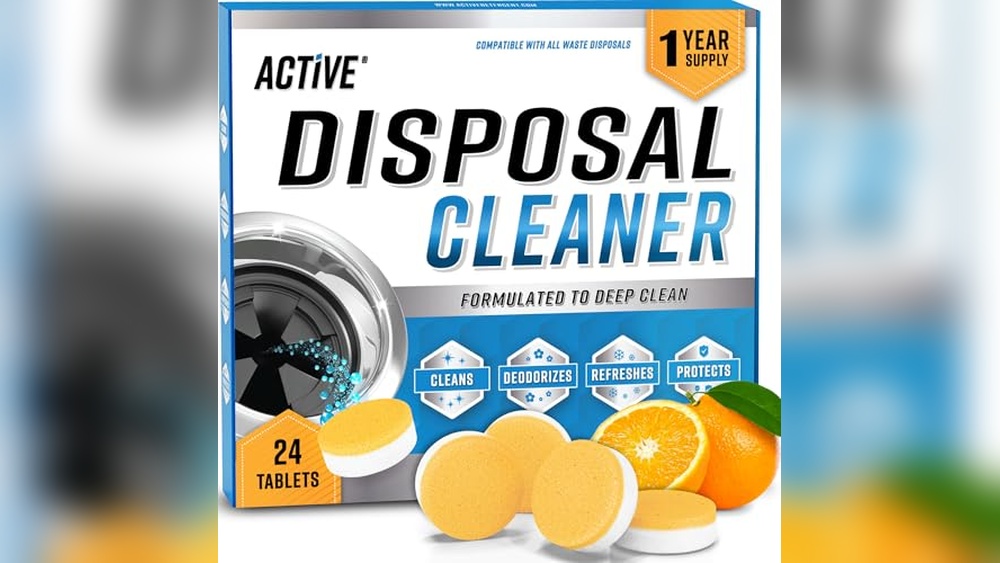
Some tasks need stronger products. Choose a food disposal cleaner made for this job. These cleaners break down tough residues inside the unit. Enzyme-based cleaners are safe and eco-friendly. Avoid harsh chemicals that could damage the disposal or pipes. A mild dish soap can also help cut grease. Use these products as directed for best results.
Step-by-step Cleaning Process
Cleaning a food disposal keeps it fresh and working well. Follow these simple steps to clean it safely. Each step helps remove grime and bad smells. This process is quick and uses common household items. Let’s start with the first step to clean your food disposal.
Initial Rinsing And Clearing Debris
Run cold water into the disposal for 30 seconds. Turn on the disposal and let it grind any leftover food. Use tongs or pliers to remove large debris if needed. Avoid putting hands inside the disposal. This clears big pieces that block the blades.
Using Baking Soda And Vinegar
Pour half a cup of baking soda into the disposal. Slowly add one cup of white vinegar. Let the fizzing mixture sit for 10 minutes. This breaks down grease and kills bacteria. The fizz helps clean hard-to-reach areas inside the unit.
Scrubbing With A Brush
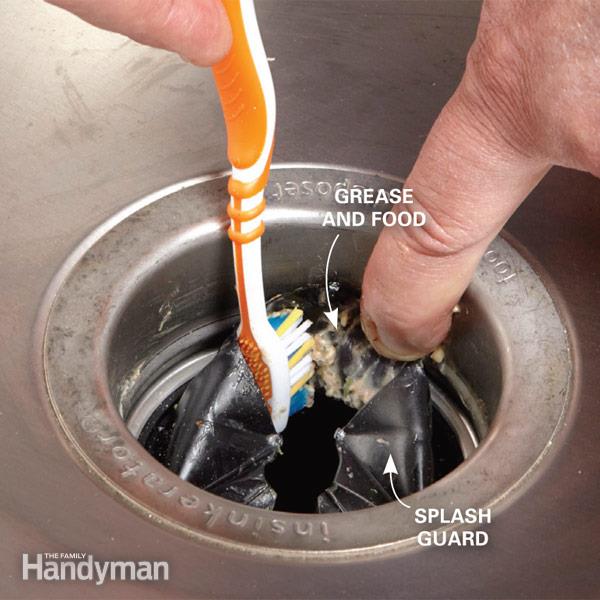
Use a small brush or old toothbrush for scrubbing. Gently scrub the inside walls of the disposal. Focus on areas near the opening and rubber parts. This removes stuck food and slime. Avoid metal brushes to prevent damage.
Flushing With Hot Water
Turn on hot water and flush the disposal for one minute. Hot water melts grease and washes away loosened dirt. Keep the disposal running during this step. This leaves your disposal clean and fresh-smelling.
Credit: happyhiller.com
Natural Odor-removal Techniques
Natural odor-removal techniques keep your food disposal fresh without harsh chemicals. These methods use simple household items to clean and refresh. They are safe, eco-friendly, and easy to follow. Regular use helps stop bad smells and keeps your kitchen smelling clean.
Citrus Peels For Freshness
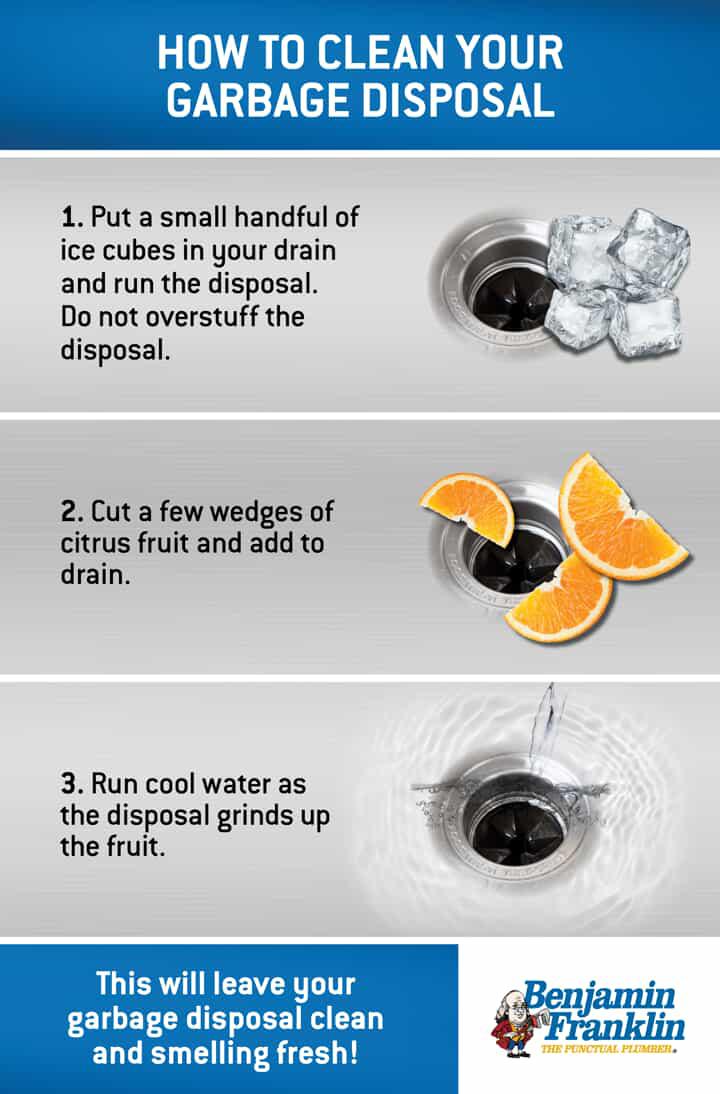
Using citrus peels is a great way to freshen your disposal. Orange, lemon, or lime peels add a bright, clean scent. Cut the peels into small pieces. Run cold water and turn on the disposal. Drop the peels in and let it grind. The oils from the peels clean and deodorize naturally. This method also helps remove stuck-on food bits. Your kitchen will smell like fresh citrus after this simple step.
Ice Cubes And Salt For Grinding Clean
Ice cubes and salt help clean and sharpen your disposal blades. Fill the disposal with a handful of ice cubes. Add about half a cup of coarse salt, like rock salt or sea salt. Turn on the cold water and run the disposal. The ice scrapes off grime while the salt acts as an abrasive cleaner. This process removes buildup and reduces odors. It is a quick and effective way to keep your disposal working well.
Preventive Maintenance Tips
Keeping your food disposal in good shape is easier with simple preventive tips. These small steps stop bad smells and clogs. They also make your disposal last longer. Follow these easy ideas to keep your kitchen clean and your disposal working well.
Regular Cleaning Schedule
Clean your food disposal once a week. Use cold water and dish soap. Run the disposal for about a minute. This clears leftover food and grease. Try grinding small ice cubes to remove debris. Lemon slices freshen the smell. Regular cleaning stops buildup and keeps parts sharp.
Proper Use To Avoid Clogs
Run cold water before, during, and after use. Cold water solidifies fats and oils. This stops them from sticking inside pipes. Feed food slowly, not all at once. Avoid overloading the disposal. Small bits grind better and clear faster. Use the disposal only for soft food scraps.
Avoiding Harmful Items
Do not put fibrous foods like celery or corn husks. These wrap around blades and cause jams. Avoid bones, coffee grounds, and grease. These can clog pipes and damage the motor. No hard shells or fruit pits. Use the trash for these items instead. Protect your disposal by using it wisely.
When To Call A Professional
Knowing when to call a professional for your food disposal is important. Some problems need expert help to avoid damage and extra costs. Quick action can save your sink and keep your kitchen clean and safe.
Signs Of Persistent Problems
Foul smells that don’t go away signal a deeper issue. Constant clogs or slow draining show the disposal is not working right. Strange noises like grinding or humming mean parts may be broken. Water leaks under the sink need immediate attention. If simple cleaning does not fix these, call a professional.
Choosing The Right Service
Pick a licensed plumber or appliance expert with good reviews. Ask about their experience with food disposals. Choose someone who offers clear pricing and fast service. A professional who uses proper tools will fix problems safely. Good communication helps you understand the repair process. Don’t hesitate to ask questions before hiring.
Frequently Asked Questions
How Often Should I Clean My Food Disposal?
Clean your food disposal once a week to prevent odors and buildup. Regular cleaning keeps it efficient and hygienic.
What Household Items Clean Food Disposals Effectively?
Use baking soda, vinegar, and lemon to clean disposals naturally. These ingredients remove grime and neutralize odors safely.
Can I Use Bleach To Clean My Food Disposal?
Avoid bleach, as it can damage disposal parts and pipes. Opt for natural cleaners like baking soda and vinegar instead.
How Do I Remove Bad Odors From My Food Disposal?
Grind lemon slices or use baking soda followed by vinegar. This combination kills bacteria and freshens the disposal quickly.
Conclusion
Cleaning your food disposal keeps it fresh and working well. Use simple steps often to avoid bad smells and clogs. Regular care saves money and prevents damage. Remember to run cold water while using it. A clean disposal means a healthier kitchen and less hassle.
Try these tips today for easy maintenance. Your sink will thank you.