Last Updated on August 2, 2026
Imagine stepping into your kitchen and instantly feeling calm and in control. A clean kitchen does more than just look good—it boosts your mood, saves you time, and makes cooking a joy instead of a chore.
If you’ve ever felt overwhelmed by clutter or struggled to keep your kitchen spotless, this article is for you. You’re about to discover simple, effective tips that will transform your kitchen into a clean, inviting space you’ll love spending time in.
Ready to make your kitchen shine every day? Let’s get started!
Daily Cleaning Habits
Keeping a clean kitchen daily helps maintain a healthy home. Small habits make a big difference. These daily steps keep your kitchen fresh and safe. Follow simple routines to avoid mess buildup. Cleanliness also makes cooking more pleasant.
Wiping Surfaces After Use
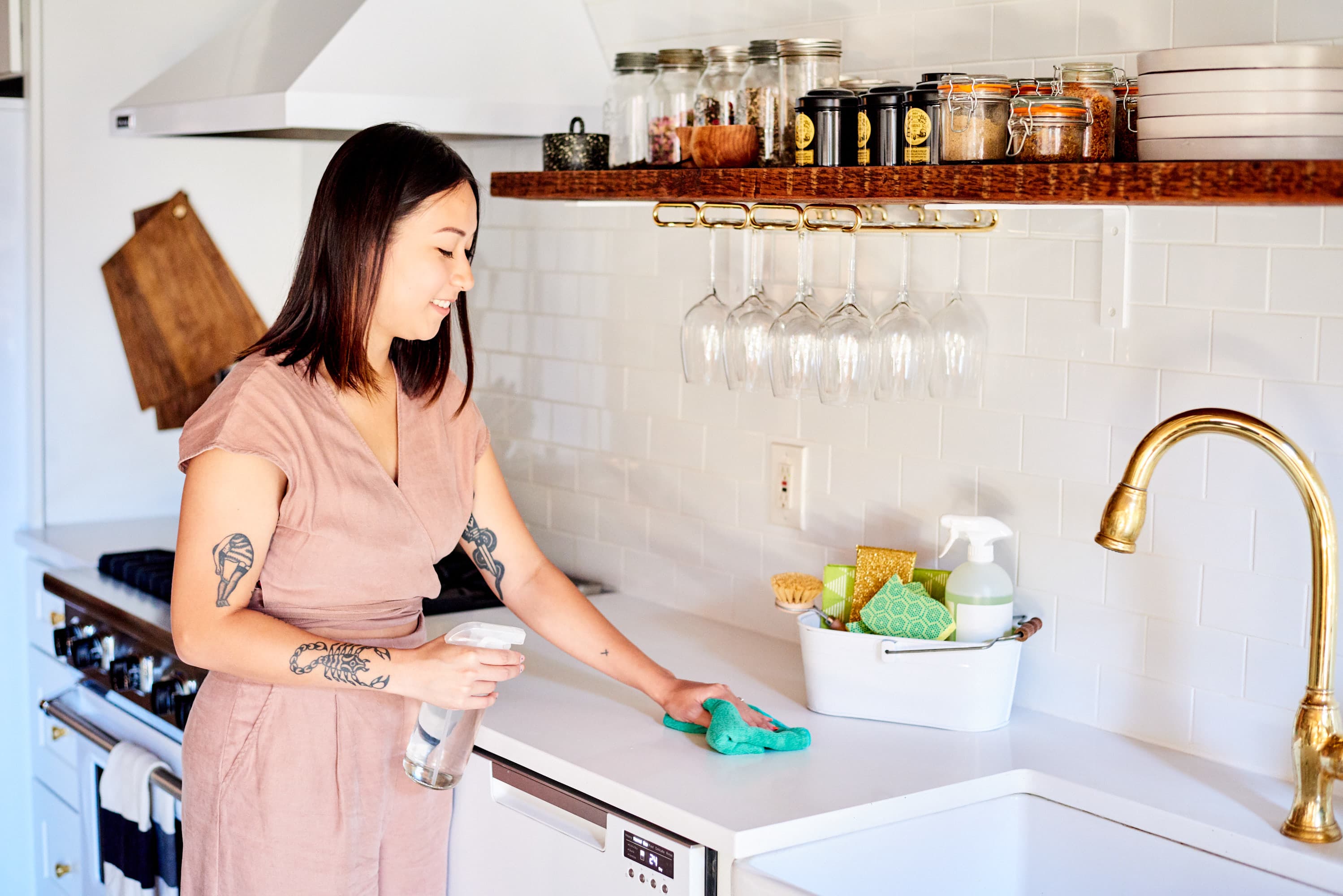
Wipe kitchen surfaces after each use. Use a damp cloth or disinfectant wipe. Focus on counters, stove, and sink areas. This removes spills and stops germs from spreading. Clean surfaces prevent stains and sticky spots.
Proper Dishwashing Techniques
Wash dishes right after meals. Use warm water and soap to remove grease. Scrub pots and pans thoroughly. Rinse well to avoid soap residue. Dry dishes completely before storing them. Clean dishes keep your kitchen hygienic.
Managing Kitchen Trash
Empty trash bins daily to avoid odors and pests. Use liners to keep bins clean. Separate recyclables from food waste. Clean the trash bin regularly with soap and water. Proper trash management keeps your kitchen fresh and tidy.
Credit: www.thekitchn.com
Deep Cleaning Essentials
Deep cleaning the kitchen is more than just wiping surfaces. It requires a detailed approach to remove hidden dirt and germs. Focusing on key areas helps keep your kitchen fresh and safe. This section covers essential steps for a thorough kitchen clean.
Cleaning Appliances Inside And Out
Start with unplugging all kitchen appliances for safety. Remove crumbs and stains from the outside surfaces. Use a damp cloth and mild cleaner for the exterior. For the inside, take out shelves and trays if possible. Clean these parts with warm, soapy water. Check the appliance manual for specific cleaning tips. Don’t forget to clean small parts like knobs and handles. Regular appliance cleaning prevents buildup and improves performance.
Scrubbing Cabinets And Drawers
Empty cabinets and drawers completely before cleaning. Use a soft cloth and a gentle cleaner to wipe all surfaces. Pay attention to corners and edges where dust collects. For sticky spots, a mix of baking soda and water works well. Dry all surfaces thoroughly to prevent moisture damage. Organize items before placing them back inside. Clean cabinets and drawers keep the kitchen neat and inviting.
Refreshing The Sink And Drain
Clear the sink of dishes and debris. Scrub the sink basin with a non-abrasive cleaner. Use a toothbrush to clean around the faucet and drain area. Pour baking soda followed by vinegar down the drain to freshen it. Let the mixture sit for a few minutes. Rinse the drain with hot water to clear blockages. A clean sink and drain reduce odors and keep your kitchen hygienic.
Germ Prevention Strategies
Keeping your kitchen clean is important for health. Germs spread easily in kitchens. Germ prevention stops illness and keeps food safe. Simple steps can reduce germs a lot. These strategies help maintain a clean, safe kitchen environment.
Sanitizing High-touch Areas
High-touch areas have many germs. These include door handles, faucet knobs, and light switches. Clean these surfaces daily with a disinfectant. Use wipes or sprays made for kitchens. Focus on spots you touch often. This reduces the chance of spreading germs.
Using Natural Disinfectants
Natural disinfectants are safe and effective. Vinegar and lemon juice kill many germs. Mix vinegar with water for a simple spray. Lemon juice adds a fresh scent and extra power. Avoid harsh chemicals that can harm health. Natural options keep your kitchen clean and safe.
Proper Hand Hygiene In The Kitchen
Hand washing stops germs from spreading. Wash hands with soap and warm water for 20 seconds. Do this before cooking or eating. Also wash hands after touching raw food. Dry hands with a clean towel. Clean hands protect your family and food.

Credit: www.euro-maids.com
Organizing For Cleanliness
Keeping a clean kitchen starts with smart organizing. A tidy kitchen feels fresh and easy to use. Proper organization helps prevent mess and clutter. It makes cleaning faster and keeps your space neat every day.
Decluttering Countertops
Clear countertops create a sense of order. Remove items not used daily. Store appliances and utensils inside cabinets. Keep only essentials like a coffee maker or fruit bowl. This frees space and reduces dust buildup.
Smart Storage Solutions
Use containers and baskets to group similar items. Label jars and boxes for quick access. Choose stackable or clear storage to save space. Pull-out drawers and shelf risers help use every inch well. This keeps items organized and easy to find.
Maintaining Pantry Order
Sort pantry items by type and expiration date. Place frequently used goods at eye level. Use airtight containers to keep food fresh longer. Regularly check for expired or old products. A clean pantry reduces waste and saves money.
Maintaining Clean Kitchen Tools
Keeping kitchen tools clean is key for a safe and tidy kitchen. Dirty tools can spread germs and make food unsafe. Regular cleaning and care help tools last longer and work better. Small habits make a big difference in kitchen hygiene.
Cleaning Cutting Boards And Utensils
Wash cutting boards right after use. Use hot, soapy water to remove food bits. Scrub well to get rid of bacteria. Plastic boards can be cleaned in the dishwasher. Wooden boards need gentle washing and drying. Avoid soaking wooden boards to prevent cracks.
Care For Knives And Appliances
Clean knives with warm water and mild soap. Dry them immediately to stop rust. Sharpen knives regularly for safe cutting. Wipe appliances after each use to remove spills. Clean appliance parts like blender blades often. Follow the manual for proper cleaning tips.
Replacing Sponges And Cloths Regularly
Sponges and cloths hold lots of germs. Change them every week or sooner if they smell bad. Use different cloths for dishes and counters. Wash cloths in hot water to kill bacteria. Keep sponges dry between uses to slow germ growth.
Preventing Mold And Mildew
Mold and mildew can harm your kitchen’s cleanliness and health. These fungi grow fast in damp, warm spots. Stopping them early keeps your kitchen safe and fresh. Small habits help a lot in preventing mold and mildew.
Controlling Kitchen Humidity
Keep kitchen air dry to stop mold growth. Use a fan or open windows when cooking. Fix leaks in sinks and pipes quickly. Use a dehumidifier if your kitchen feels wet. Dry wet surfaces and spills right away.
Spotting Early Signs
Look for small black or white spots on walls or ceilings. Check corners and behind appliances carefully. Musty smells also warn about mold presence. Watch for peeling paint or wallpaper. Early detection helps stop mold from spreading.
Effective Removal Techniques
Clean mold spots with a mix of water and vinegar. Use baking soda paste for stubborn areas. Wear gloves and a mask to protect yourself. Scrub gently to avoid damage to surfaces. Dispose of cleaning cloths to avoid spreading spores.
Eco-friendly Cleaning Tips
Keeping a kitchen clean is important for health and comfort. Using eco-friendly methods protects the environment. These tips help you clean your kitchen in a green way. They save resources and reduce harmful chemicals.
Using Sustainable Cleaning Products
Choose cleaning products made from natural ingredients. They break down easily and do not harm water or soil. Look for labels saying biodegradable or plant-based. Avoid products with harsh chemicals and synthetic fragrances. These can cause allergies and pollute the air.
Reducing Waste In Cleaning Routines
Use cloth towels instead of paper towels. Wash and reuse them many times. Buy cleaning supplies in bulk to reduce plastic waste. Refill spray bottles rather than buying new ones. Control how much product you use to avoid waste. Small amounts often clean just as well.
Repurposing Household Items
Old t-shirts make great cleaning rags. Use lemon peels to freshen drains and remove stains. Baking soda is useful for scrubbing and deodorizing. Vinegar works well as a natural disinfectant. These items cost little and reduce the need for new products.
:max_bytes(150000):strip_icc()/2V9A0229-Edit-937faa5ce0c6490a91d1f0dc3422a40f.jpg)
Credit: www.marthastewart.com
Frequently Asked Questions
How Often Should I Clean My Kitchen Thoroughly?
You should deep clean your kitchen at least once a week. This includes wiping surfaces, cleaning appliances, and mopping floors. Regular cleaning prevents bacteria buildup and keeps your kitchen hygienic. Daily quick cleanups also help maintain a tidy space and reduce clutter efficiently.
What Are The Best Natural Cleaners For A Clean Kitchen?
Vinegar, baking soda, and lemon are excellent natural kitchen cleaners. They remove grease, disinfect surfaces, and eliminate odors safely. These eco-friendly options are effective, non-toxic, and affordable. Using natural cleaners protects your health and the environment while ensuring a spotless kitchen.
How Can I Prevent Kitchen Clutter Effectively?
Organize kitchen items by category and designate storage spaces. Use clear containers and labels to keep things accessible. Regularly discard expired or unused items. Maintaining a clean kitchen is easier when everything has a place, reducing mess and saving time during cooking.
Why Is A Clean Kitchen Important For Health?
A clean kitchen prevents foodborne illnesses by reducing bacteria and mold. It ensures safe food preparation and storage. Regular cleaning also controls pests like ants and rodents. Maintaining hygiene in your kitchen protects your family’s health and promotes overall wellbeing.
Conclusion
A clean kitchen makes cooking more enjoyable and safe. It helps keep germs away and food fresh. Regular cleaning saves time and stress later. Simple habits, like wiping counters and washing dishes, make a big difference. A tidy kitchen also creates a calm space for your family.
Start small and stay consistent. Your kitchen will feel fresh and inviting every day. Clean spaces bring peace of mind. Keep your kitchen neat and enjoy the benefits.