Last Updated on August 3, 2026
You probably have a microfiber cloth lying around your home, but are you really using it to its full potential? This simple tool can make a huge difference in cleaning, polishing, and protecting your belongings without harsh chemicals.
Imagine getting streak-free windows, spotless screens, and shiny surfaces with just one cloth. You’ll discover easy, practical ways to use a microfiber cloth that save you time and effort. Keep reading, and you’ll learn tips that turn this everyday item into your cleaning secret weapon.

Credit: www.microfiberwholesale.com
Why Choose Microfiber Cloths
Microfiber cloths have become popular for cleaning and polishing tasks. They offer a better way to clean surfaces without harsh chemicals. These cloths are soft, durable, and easy to use. Many people choose microfiber for its unique qualities and effectiveness.
Benefits Over Traditional Cloths
Microfiber cloths clean better than cotton or paper towels. They trap dust and dirt instead of spreading it around. These cloths dry surfaces quickly and leave no streaks. They also absorb more water, making cleaning faster. Microfiber is gentle on delicate surfaces like glass and screens. It reduces the need for cleaning products, saving money and the environment. These cloths last longer and resist wear and tear.
Types Of Microfiber Cloths
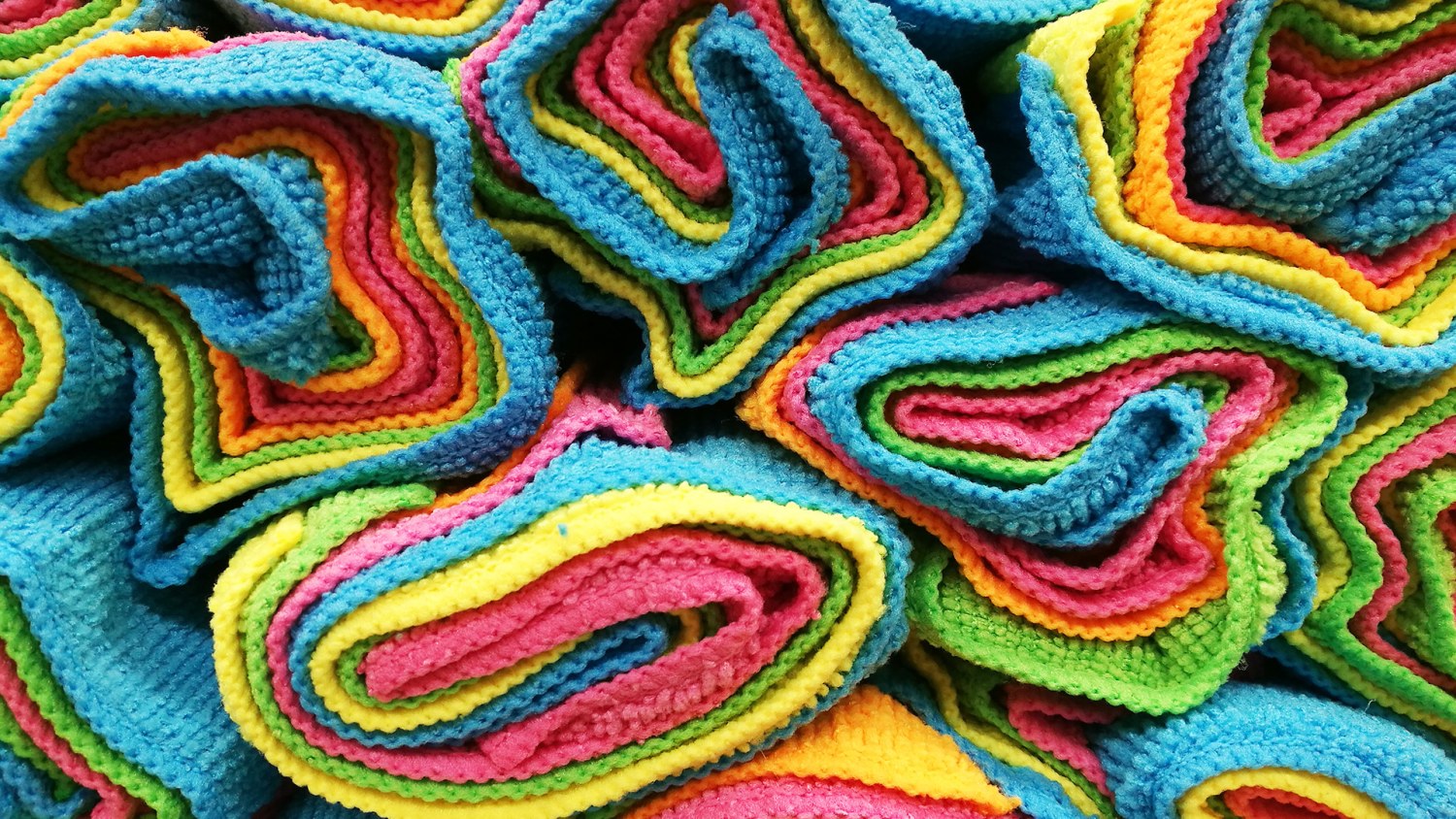
Microfiber cloths come in different types for various tasks. Some have a smooth texture, perfect for polishing glass and mirrors. Others have a looped or waffle pattern to scrub dirt gently. There are also cloths designed for dusting, trapping tiny particles easily. Choose the type based on the surface and cleaning need. Each type helps achieve the best cleaning results.
Preparing Your Microfiber Cloth
Preparing your microfiber cloth correctly helps it work better and last longer. It removes any factory residues and dirt. Proper preparation also keeps the cloth soft and absorbent. Follow these simple steps before you start using your microfiber cloth.
Washing Before First Use
Wash the microfiber cloth before using it for the first time. Use warm water and a mild detergent. Avoid fabric softeners and bleach. These can damage the fibers and reduce cleaning power. Rinse the cloth thoroughly to remove all detergent. Let it air dry or tumble dry on low heat. This step removes any chemicals or dust from production.
Proper Storage Tips
Store your microfiber cloth in a clean, dry place. Keep it away from dust and dirt. Fold it neatly or hang it to avoid wrinkles. Avoid storing near lint-producing fabrics like cotton towels. This prevents the cloth from picking up dirt or fibers. Proper storage keeps the cloth ready for use and extends its life.
Techniques For Spotless Cleaning
Using a microfiber cloth correctly makes cleaning easy and effective. The right techniques help remove dust, dirt, and smudges without scratching surfaces. This section explains simple ways to use microfiber cloths for spotless results.
Dry Cleaning Methods
Dry cleaning with microfiber cloths removes dust and loose dirt quickly. Use a clean, dry cloth and wipe surfaces gently in one direction. This picks up particles without spreading them around.
For screens and glass, use light pressure to avoid streaks. Dust corners and tight spaces by folding the cloth to reach small areas. Shake the cloth outside after use to keep it fresh.
Wet Cleaning Strategies
Damp microfiber cloths work well for sticky or oily dirt. Lightly wet the cloth with water or a mild cleaner. Wring out excess liquid to prevent drips.
Wipe the surface in circular motions for better cleaning. Rinse the cloth often to avoid spreading dirt. Dry the surface with a dry microfiber cloth for a streak-free shine.
Credit: www.today.com
Cleaning Different Surfaces
Microfiber cloths are very useful for cleaning many surfaces. They pick up dust, dirt, and grime without scratching. Use them dry or slightly damp. Different surfaces need different care to avoid damage. Below are tips for using microfiber cloths on common household and automotive surfaces.
Glass And Mirrors
Use a dry microfiber cloth to remove dust from glass and mirrors. For smudges or fingerprints, dampen the cloth with water. Wipe in circular motions to avoid streaks. Avoid using paper towels or rough cloths that can scratch surfaces.
Electronics And Screens
Turn off devices before cleaning screens. Use a dry microfiber cloth to wipe dust gently. For stubborn marks, lightly dampen the cloth with water or a screen-safe cleaner. Do not spray liquids directly on screens. Use soft, gentle strokes to protect the screen coating.
Kitchen And Bathroom Surfaces
Microfiber cloths work well on counters, sinks, and faucets. Dampen the cloth for better cleaning of sticky spots. Avoid using bleach or harsh chemicals with microfiber. Rinse the cloth often during cleaning to remove germs and dirt. Replace cloths frequently for hygiene.
Automotive Use
Use microfiber cloths to clean car interiors and exteriors. Dry cloths remove dust without scratching paint. Slightly damp cloths work well on dashboards and windows. Avoid using fabric softener on microfiber cloths after washing. Use separate cloths for wheels and body to prevent scratches.
Maintaining Microfiber Cloths
Maintaining microfiber cloths is important to keep them effective and long-lasting. Proper care helps the cloth stay clean and ready for use. Dirt, oils, and residues can reduce their cleaning power. Following simple steps can preserve their quality.
Washing And Drying Guidelines
Wash microfiber cloths separately from other fabrics. Use warm water, not hot, to protect fibers. Avoid bleach and fabric softeners. They can damage the cloth and reduce absorbency.
Use a mild detergent that does not contain additives. Rinse thoroughly to remove all soap. Dry microfiber cloths on low heat or air dry. High heat can melt fibers and ruin the cloth.
Avoiding Damage And Contamination
Keep microfiber cloths away from rough surfaces. Sharp objects can tear or pull fibers. Do not use the same cloth for oily and dusty tasks. This prevents spreading dirt and grease.
Store cloths in a clean, dry place. Avoid contact with pet hair or lint. Replace cloths that are worn or stained beyond cleaning. Proper care ensures microfiber cloths work well every time.
Common Mistakes To Avoid
Using a microfiber cloth correctly can improve cleaning results and extend the cloth’s life. Some common mistakes reduce its effectiveness. Avoiding these errors helps you get the best performance from your cloth. Read on to learn what to watch out for.
Using Fabric Softeners
Fabric softeners coat microfiber fibers. This blocks their ability to pick up dirt and dust. The cloth loses its absorbency and cleaning power. Avoid using fabric softeners when washing microfiber cloths. Use a gentle detergent instead. This keeps the cloth fresh and effective.
Mixing With Other Fabrics
Mixing microfiber with other fabrics during washing can cause damage. Rough materials create lint and reduce microfiber’s softness. It can also cause pilling or tearing. Wash microfiber cloths separately or with similar soft fabrics. This protects their texture and ensures longer use.
Enhancing Cleaning With Microfiber
Microfiber cloths are excellent for cleaning. They trap dust, dirt, and germs better than regular cloths. Using them correctly improves cleaning results and saves time.
The cloth’s tiny fibers reach into small spaces and hold particles tightly. This makes surfaces cleaner and reduces the need for harsh chemicals.
Using With Cleaning Solutions
Microfiber cloths work well with many cleaning liquids. Spray the solution lightly on the cloth, not directly on the surface. This prevents streaks and damage.
Choose mild cleaners for delicate surfaces. The cloth helps spread the solution evenly. It lifts dirt without scratching or leaving residue behind.
Combining With Other Tools
Pair microfiber cloths with brushes or sponges for tough messes. Use the cloth for wiping and the brush for scrubbing.
This combination cleans better and faster. It reaches corners and removes stubborn stains. Use microfiber last to pick up loosened dirt and leave surfaces spotless.

Credit: koparoclean.com
Frequently Asked Questions
What Is The Best Way To Use A Microfiber Cloth?
Use a microfiber cloth with gentle pressure to clean surfaces. Avoid harsh chemicals; water or mild soap works well. Move in circular motions for best results and rinse the cloth regularly to prevent dirt buildup.
How Often Should I Wash Microfiber Cloths?
Wash microfiber cloths after every few uses or when visibly dirty. Use warm water and mild detergent without fabric softeners. Avoid bleach to maintain cloth fibers and effectiveness.
Can Microfiber Cloths Be Used On All Surfaces?
Microfiber cloths are safe for most surfaces, including glass, wood, and electronics. Always test on a small area first to avoid damage, especially on delicate or coated surfaces.
How Do Microfiber Cloths Clean Without Chemicals?
Microfiber cloths trap dirt and dust with tiny fibers. The fibers lift particles from surfaces without needing harsh chemicals. This makes them eco-friendly and ideal for sensitive skin or environments.
Conclusion
Microfiber cloths clean many surfaces quickly and gently. They remove dirt and dust without scratching. Use them wet or dry for best results. Wash them often to keep them fresh and effective. Small care steps help these cloths last longer.
Save money and reduce waste by reusing them. A simple cloth can make cleaning easy and fast. Try using microfiber cloths for your daily cleaning tasks. You will notice a big difference in cleanliness and ease.