Last Updated on August 3, 2026
Your dish brush works hard every day to keep your dishes clean, but when was the last time you cleaned it? If you don’t clean your dish brush regularly, it can become a hotspot for germs and bacteria.
This not only affects how well it cleans but can also put your health at risk. You’ll discover simple and effective ways to clean your dish brush so it stays fresh and ready to tackle any mess. Keep reading to learn how to protect your kitchen and make your cleaning routine safer and easier.
Why Clean Your Dish Brush
Cleaning your dish brush is important for keeping your kitchen safe and fresh. A dirty dish brush can hold germs and bacteria that spread to your dishes and hands. Regular cleaning keeps your brush working well and stops bad smells.
Health Risks Of Dirty Brushes
Dirty dish brushes can grow harmful bacteria and mold. These germs can cause stomach problems and infections. Using a dirty brush can spread germs to your food and kitchen surfaces. This makes your kitchen less safe and increases the risk of illness.
Signs Your Brush Needs Cleaning
Look for bad smells coming from the brush. If it feels slimy or sticky, it needs cleaning. Stiff or broken bristles show the brush is old or dirty. Food bits stuck in the bristles also mean it is time to clean.
Best Cleaning Methods
Keeping your dish brush clean is important for hygiene and kitchen safety. Regular cleaning removes food particles and bacteria. Several effective methods work well to clean and sanitize your brush. Choose the method that fits your time and materials.
Using Hot Soapy Water
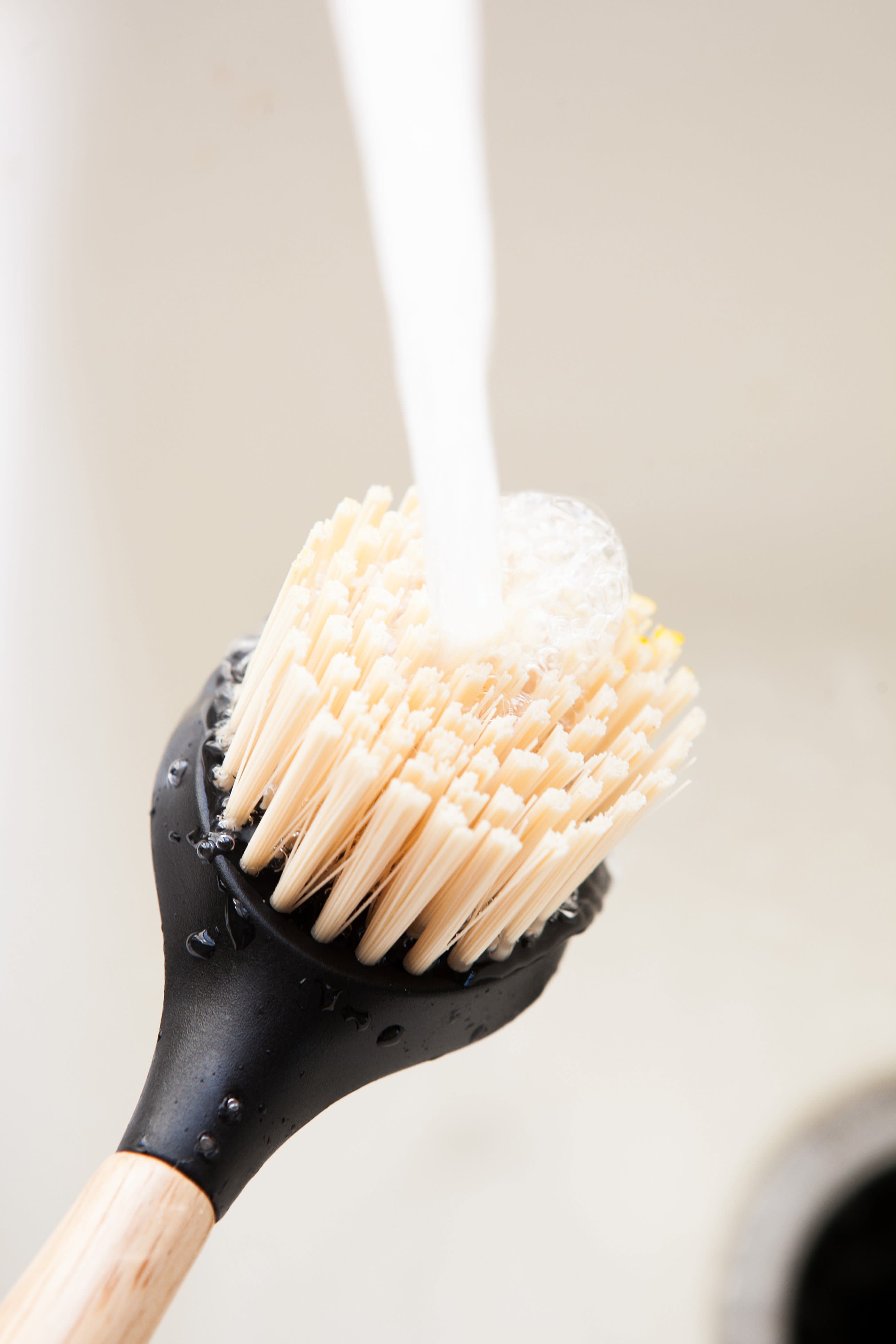
Fill a bowl with hot water and dish soap. Swirl the brush in the water for a few minutes. Use your hands or another brush to scrub the bristles. Rinse thoroughly with clean water. This method removes grease and dirt easily.
Soaking In Vinegar Solution
Mix equal parts white vinegar and water in a container. Submerge the brush completely and let it soak for 30 minutes. Vinegar kills many germs and breaks down grime. Rinse the brush well after soaking. Vinegar also helps remove bad odors.
Disinfecting With Bleach
Prepare a solution with 1 tablespoon of bleach per 1 quart of water. Soak the brush for 5 minutes only. Bleach kills most bacteria and viruses quickly. Rinse the brush very well to remove bleach residue. Use this method once a week for deep cleaning.
Microwave Sterilization
Wet the dish brush completely with water. Place it in the microwave for 1 to 2 minutes on high. The heat kills bacteria and dries the brush. Be careful removing the brush, it will be hot. Do not use this method on brushes with metal parts.
Step-by-step Cleaning Guide
Keeping your dish brush clean is important for a healthy kitchen. Dirt and germs can build up on the bristles. Follow this simple step-by-step guide to clean your dish brush properly. It helps keep your brush fresh and your dishes safe.
Gather Necessary Supplies
Start by collecting what you need. Get warm water, dish soap, white vinegar, and a clean cup or bowl. You may also want an old toothbrush for scrubbing. Having everything ready makes the cleaning process quick and easy.
Remove Food Particles
Check the brush for stuck food bits. Pull them out with your fingers or rinse under running water. Use the old toothbrush to remove dirt from the bristles. Clean the handle and base too. This step clears away visible grime before washing.
Apply Cleaning Solution
Mix warm water and dish soap in the bowl. Soak the brush head for 10 to 15 minutes. For extra cleaning power, add a splash of white vinegar. Vinegar kills germs and removes odors. Scrub the bristles gently with the toothbrush after soaking.
Rinse And Dry Properly
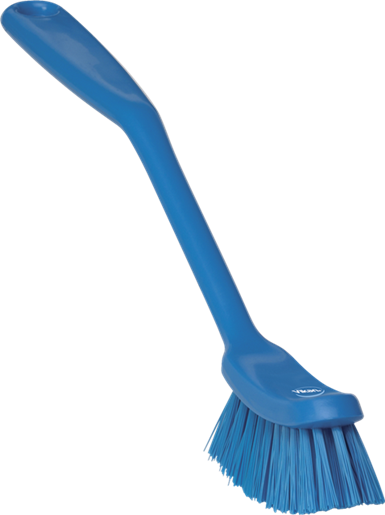
Rinse the brush under warm running water. Make sure all soap and vinegar wash away. Shake off excess water and place the brush where air flows. Avoid putting it in a closed container. Let the brush dry completely to stop mold and bacteria.
Credit: www.vikan.com
Maintaining A Clean Dish Brush
Keeping your dish brush clean is important for kitchen hygiene. A dirty brush can spread germs and make washing dishes less effective. Regular care helps the brush last longer and stay fresh. Follow easy steps to maintain your dish brush properly.
Regular Cleaning Schedule
Clean your dish brush after each use. Rinse it well with hot water to remove food particles. Once a week, soak the brush in a mixture of warm water and vinegar for 15 minutes. This kills bacteria and removes odors. Let it dry completely before the next use.
Proper Storage Tips
Store your dish brush where it can air dry. Avoid leaving it in a wet sink or closed container. Use a holder that keeps the bristles up and away from surfaces. Dry brushes prevent mold and bacteria from growing.
When To Replace Your Brush
Check your dish brush regularly for wear and tear. Replace it if bristles are bent, broken, or falling out. A worn brush cleans poorly and may harbor germs. Change your brush every few months for best results.
Alternative Tools For Dish Cleaning
Cleaning dishes is a daily task. Choosing the right tool can make it easier and more effective. Many tools exist besides the classic dish brush. These alternatives vary in material and design. Each has its own benefits and care needs. Explore some common options below to find what suits your kitchen best.
Silicone Brushes
Silicone brushes have soft, flexible bristles. They clean without scratching pots or pans. They dry quickly, which helps stop bacteria growth. These brushes resist odors and stains well. Easy to clean, they can go in the dishwasher. Silicone brushes last longer than traditional ones.
Sponges Vs Brushes
Sponges absorb water and soap easily. They reach into corners and crevices better. Brushes offer better scrubbing power for tough stains. Sponges may hold bacteria if not cleaned often. Brushes dry faster, reducing germs. Choose sponges for gentle cleaning and brushes for heavy scrubbing.
Eco-friendly Options
Eco-friendly tools use natural or recycled materials. Bamboo brushes are strong and biodegradable. Coconut fiber scrubbers clean well and break down naturally. These tools reduce plastic waste in the kitchen. They often last longer and clean effectively. Perfect for those who want to protect the planet.

Credit: www.youtube.com
Credit: www.thekitchn.com
Frequently Asked Questions
How Often Should I Clean My Dish Brush?
You should clean your dish brush at least once a week. Regular cleaning prevents bacteria buildup and keeps it effective for scrubbing dishes.
What Is The Best Way To Sanitize A Dish Brush?
Soak the dish brush in hot, soapy water for 10 minutes. Then, rinse and air dry to kill germs and remove residue.
Can I Clean A Dish Brush In The Dishwasher?
Yes, most dish brushes are dishwasher safe. Place the brush on the top rack and run a hot cycle for deep cleaning.
How Do I Remove Odors From A Dish Brush?
Soak the brush in a mixture of vinegar and water for 15 minutes. Rinse thoroughly and let it dry to eliminate odors.
Conclusion
Cleaning your dish brush keeps it fresh and safe to use. Regular washing stops germs and bad smells. Use warm water, soap, or vinegar for best results. Let the brush dry fully after cleaning. A clean brush helps you wash dishes better and faster.
Take a few minutes each week to care for your brush. Small habits make a big difference in your kitchen. Keep your brush clean for healthier dishes every day.