Last Updated on August 5, 2026
Are you wondering if you can clean your granite surfaces with vinegar? It’s a common question because vinegar is a popular and affordable cleaning option.
But before you grab that bottle, it’s important to know how vinegar interacts with granite. Using the wrong cleaner could damage your beautiful stone and cost you more in the long run. You’ll discover the truth about cleaning granite with vinegar and learn the best ways to keep your countertops shining without risk.
Keep reading to protect your investment and make your cleaning routine easier.
Granite Basics
Granite is a popular natural stone used in many homes and buildings. It offers strength and beauty that few materials can match. Understanding granite helps in caring for it properly.
This section explains what makes granite unique and its common uses.
What Makes Granite Unique
Granite is an igneous rock formed from cooled magma deep inside the Earth. It has a grainy texture with visible crystals. This makes each slab look different and special.
Granite is very hard and durable. It resists scratches and heat well. These qualities make it ideal for surfaces that see heavy use.
Common Uses Of Granite
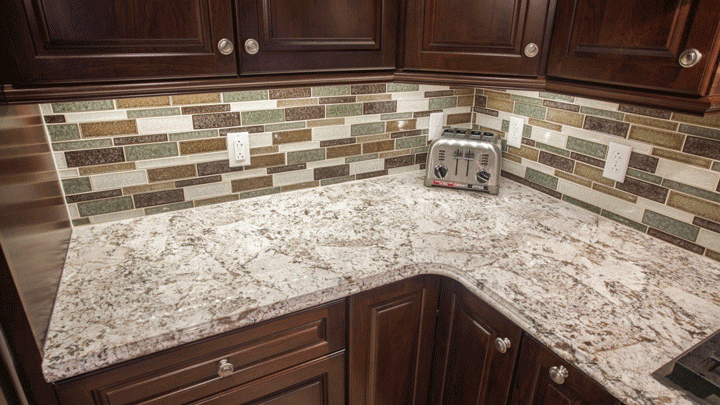
Granite is often used for kitchen countertops. It can handle hot pots and sharp knives without damage. Many bathrooms also feature granite sinks and tiles.
Buildings use granite for floors, walls, and decorative elements. Outdoor spaces benefit from granite’s resistance to weather and wear. It adds elegance and strength wherever it is placed.

Credit: www.leshermarble.com
Vinegar As A Cleaner
Vinegar is a common cleaner found in many homes. It is known for its ability to tackle dirt and grime effectively. Many people use vinegar for different cleaning tasks. But is it safe for granite surfaces? Understanding vinegar as a cleaner helps answer this question.
Properties Of Vinegar
Vinegar is acidic, usually containing 5% acetic acid. This acidity helps break down grease and mineral deposits. It also kills some bacteria and mold. Vinegar is natural and does not contain harsh chemicals. These properties make it a popular choice for cleaning.
Popular Household Uses
People use vinegar for cleaning windows, floors, and bathrooms. It removes soap scum and hard water stains well. Vinegar also freshens the air and removes odors. Many use it to clean kitchen surfaces and appliances. Its versatility makes it a trusted home cleaner.
Vinegar And Granite Interaction
Granite is a popular choice for kitchen counters and floors. People want to keep it clean and shiny. Vinegar is a common household cleaner. Many wonder if vinegar can safely clean granite. Understanding how vinegar and granite interact helps make a smart choice.
Chemical Reaction Explained
Vinegar contains acetic acid, which is a mild acid. Granite is mostly made of quartz and feldspar. These minerals react with acids. The acid can slowly eat away the minerals on granite. This process is called etching. Etching makes tiny holes and dull spots.
Effects On Granite Surface
Using vinegar on granite can damage its surface. The acid breaks down the protective seal on granite. Once the seal is gone, granite absorbs stains more easily. The surface may lose its shine and become rough. Over time, repeated vinegar use weakens granite’s durability.
Risks Of Using Vinegar On Granite
Granite is a natural stone that needs gentle care. Vinegar is a strong acid and can harm granite surfaces. Knowing the risks helps protect your counters and floors. Avoid damage by understanding how vinegar affects granite.
Potential Damage
Vinegar can etch and dull granite’s glossy finish. Its acid reacts with the stone’s minerals. This reaction leaves marks and tiny pits on the surface. The damage may not show immediately. But it worsens with repeated use.
Using vinegar can also weaken the stone’s sealant. The protective layer breaks down faster. This allows stains and liquids to soak in. Cleaning with vinegar often leads to more stains and spots.
Long-term Consequences
Over time, vinegar can cause permanent damage to granite. The stone may lose its shine and smoothness. Cracks and discoloration can appear. Repairing this damage is costly and time-consuming.
Vinegar exposure reduces granite’s durability. The stone becomes more fragile and prone to chips. This shortens the lifespan of your granite surfaces. Choosing safer cleaners helps keep granite beautiful longer.
Safe Cleaning Alternatives
Granite is a beautiful and durable stone. It needs special care to keep its shine. Vinegar is acidic and can damage granite surfaces. Choosing safe cleaning alternatives protects your countertop. These options clean well without causing harm. You can maintain granite’s natural beauty with gentle products.
Using the right cleaner helps avoid dull spots or etching. Some store-bought cleaners are made for granite. Others you can make at home with simple ingredients. Both types work well and are safe to use daily.
Recommended Cleaners
Granite-specific cleaners are the safest choice. They have a balanced pH that won’t harm the stone. Many brands offer sprays and wipes made for granite. These products remove dirt and grease gently. Always check the label to confirm it is safe for granite. Avoid harsh chemicals, bleach, or ammonia. These can dull or damage your countertop.
Using a microfiber cloth with these cleaners helps prevent scratches. Spray the cleaner, wipe softly, and dry the surface. This simple routine keeps granite looking fresh and new.
Diy Natural Solutions
Natural solutions provide a gentle cleaning option. Mix a few drops of mild dish soap with warm water. Use a soft cloth or sponge to clean the surface. Rinse with clean water and dry with a towel.
Baking soda can help remove tough stains safely. Make a paste with water and gently rub it on the stain. Let it sit for a few minutes, then wipe away. Avoid scrubbing hard to protect the stone.
These homemade cleaners avoid harsh chemicals and keep granite safe. They are easy, cheap, and effective for regular cleaning.
Credit: marble.com
Maintenance Tips For Granite
Granite is a strong and beautiful stone for kitchens and bathrooms. It needs simple care to stay shiny and last long. Knowing how to clean and protect granite helps keep its natural look. Avoid harsh cleaners like vinegar, which can damage the stone.
Here are some easy maintenance tips to care for granite surfaces every day and keep them safe from stains and scratches.
Daily Care Practices
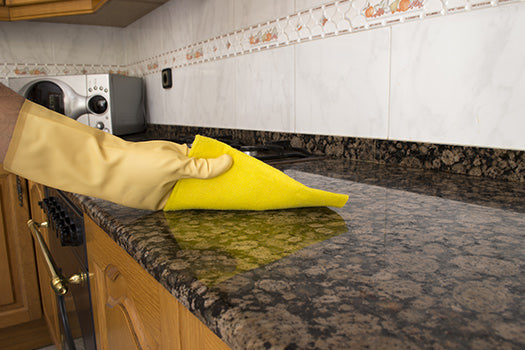
Use a soft cloth or sponge with warm water to clean granite daily. Mild dish soap can help remove grease and dirt. Avoid acidic or abrasive cleaners, such as vinegar or lemon juice. Wipe spills quickly to prevent stains. Dry the surface with a clean towel to stop water marks. Use coasters under drinks to protect from rings. Clean crumbs and debris often to avoid scratches.
Sealing And Protection
Granite should be sealed to keep it safe from stains and moisture. Check if water beads on the surface; if it soaks in, reseal the granite. Use a high-quality granite sealer and follow the instructions carefully. Resealing every 1 to 2 years is ideal for most granite types. Avoid placing hot pots directly on granite; use trivets or mats. Use cutting boards to stop scratches and dulling from knives.
Credit: granitegold.com
Frequently Asked Questions
Can Vinegar Damage Granite Countertops?
Yes, vinegar can damage granite. Its acidity breaks down granite’s sealant, causing dullness and etching over time. Avoid using vinegar on granite to keep surfaces smooth and shiny.
What Is The Safest Cleaner For Granite?
A pH-neutral cleaner or mild dish soap mixed with water is safest. These cleaners protect granite’s sealant and maintain its natural shine without damage.
How Often Should Granite Be Cleaned?
Clean granite daily or after spills. Regular wiping with a soft cloth and safe cleaner prevents stains and buildup, keeping granite looking new.
Can Vinegar Be Used For Granite Stain Removal?
No, vinegar is not recommended for stain removal on granite. Use specialized granite stain removers or baking soda poultices for effective and safe results.
Conclusion
Vinegar can damage granite surfaces over time. It is acidic and may dull the stone’s shine. Choose a cleaner made for natural stone instead. Use warm water and mild soap for daily cleaning. Always dry granite with a soft cloth to avoid spots.
Taking care of granite keeps it beautiful and strong. Simple steps make your granite last longer. Keep your countertops safe with gentle cleaning methods. Granite deserves careful attention for a lasting finish.