Last Updated on August 28, 2026
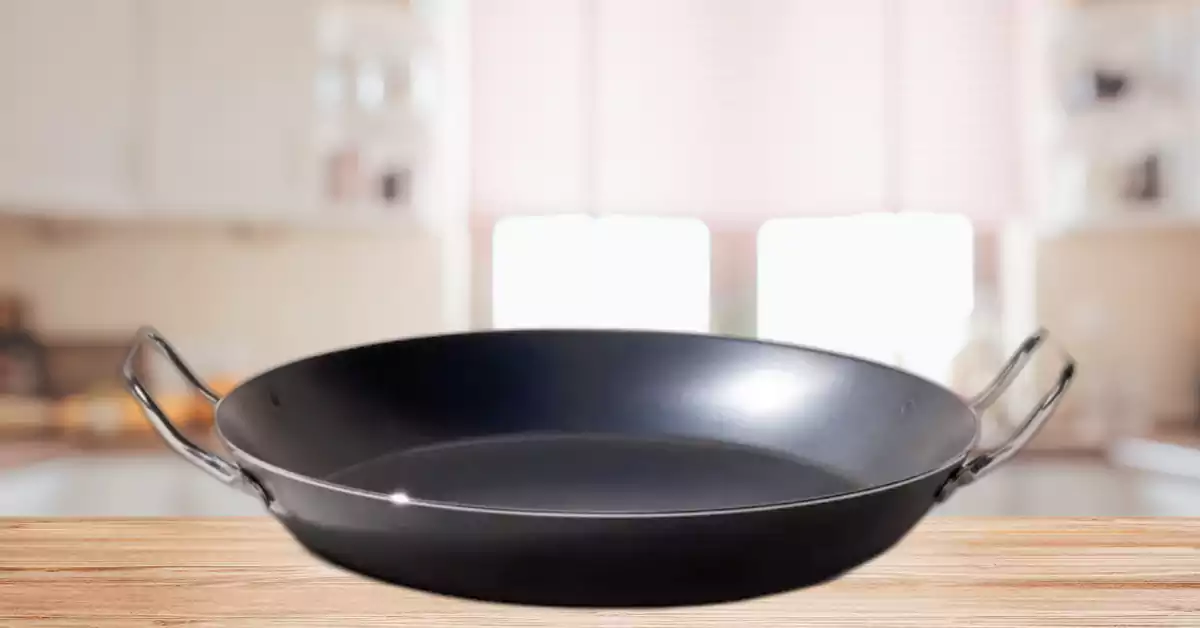
What are Paella Pans made of? Paella pans are usually carbon steel, stainless steel, or enameled steel. Carbon steel is the most traditional material.
Paella pans, known as “paelleras” in Spanish, are essential for cooking authentic paella. They come in various sizes and are suitable for home and professional use. Carbon steel pans are famous for their excellent heat conductivity and traditional appeal.
Stainless steel pans are durable and rust-resistant, making them easy to maintain. Enameled steel pans combine durability with easy cleaning, as their non-stick surface simplifies cooking and cleanup. Each type of pan offers unique benefits, so choosing the right one depends on your cooking needs and preferences. Investing in a quality paella pan ensures delicious, evenly-cooked paella every time.
Table of Contents
The Essence Of Paella Pans
The heart of a great paella lies in its pan. Paella pans are unique. They have a wide, shallow shape. This helps cook the dish evenly. But what are they made of? The material of the pan is crucial. It affects the taste and texture of the paella.
Traditional Materials In Crafting Paella Pans
Traditionally, paella pans are made from carbon steel. This material heats quickly and evenly and develops a non-stick surface over time. Another common material is cast iron. Cast iron pans retain heat well, which is great for slow cooking.
| Material | Key Features |
|---|---|
| Carbon Steel | Heats quickly, develops a non-stick surface, lightweight |
| Cast Iron | Retains heat, ideal for slow cooking, heavy |
Both materials are durable and can withstand high temperatures, which makes them perfect for making paella over an open flame.
Modern Innovations In Paella Pan Design
Modern paella pans often use stainless steel. Stainless steel pans are easy to clean and resist rust. Some pans have non-stick coatings, which make cooking and cleaning easier.
- Stainless Steel: Rust-resistant, easy to clean.
- Non-stick Coatings: Simplify cooking and cleaning.
- Aluminum: Lightweight, heats evenly.
Modern pans sometimes combine materials, offering the best of both worlds. For example, a pan might have a stainless steel exterior and an aluminum core. This design heats evenly and resists rust.
The choice of pan affects your paella. Traditional pans offer authenticity, while modern pans offer convenience. Choose the right pan for your cooking style.
Carbon Steel Classics
Carbon steel paella pans are classic choices for making paella. They are known for their durability and versatility, and many chefs prefer them for their ability to handle high heat.
Benefits Of High Heat Conduction
Carbon steel conducts heat quickly and evenly, ensuring the rice cooks perfectly. The high heat also helps to create a crispy bottom layer, known as socarrat, a sought-after feature in traditional paella.
Here are some key benefits of high heat conduction:
- Fast and even cooking
- Enhanced flavor development
- Perfect socarrat formation
Maintaining And Seasoning Carbon Steel
Maintaining your carbon steel pan is essential for its longevity. Proper seasoning helps to create a natural, non-stick surface.
Follow these simple steps to season your pan:
- Wash the pan with warm water and soap.
- Dry it thoroughly with a towel.
- Apply a thin layer of vegetable oil.
- Heat the pan on the stove until it smokes.
- Let it cool, then wipe off excess oil.
Repeat this process after each use to maintain the seasoning.
Regular maintenance includes:
- Avoiding acidic foods
- Cleaning with a soft sponge
- Drying immediately after washing
Stainless Steel Variants
Stainless steel paella pans are gaining popularity among home cooks and chefs. They offer a modern take on traditional paella-making, and their sleek design and durable build make them an excellent kitchen asset.
Durability And Ease Of Cleaning
Stainless steel pans are known for their durability. They can withstand high heat and frequent use and do not warp or bend easily, making them a long-lasting choice for cooking paella.
Cleaning stainless steel pans is also simple. They are resistant to rust and stains. You can use regular dish soap and water to clean. A soft sponge works best to avoid scratches.
| Feature | Benefit |
|---|---|
| High Heat Resistance | It prevents warping and ensures that even cooking |
| Rust Resistance | Prevents warping and ensures that even cooking |
| Stain Resistance | Keeps the pan looking new for longer |
Impact On Paella’s Flavor Profile
Stainless steel pans do not react with acidic ingredients, ensuring a pure flavor profile for your paella. The metal does not impart any taste to the food, so your dish will taste as intended.
These pans also heat evenly, helping to achieve the perfect socarrat, the crispy layer at the bottom. An even heat distribution ensures all ingredients cook uniformly, enhancing the overall flavor of the paella.
- The non-reactive surface keeps flavors pure.
- Even heat distribution for perfect socarrat
- No metallic taste in the food
Cast Iron Options
Cast iron paella pans offer a unique cooking experience. They are known for their durability and heat retention, which makes them perfect for creating traditional paella dishes. Let’s explore some key aspects of cast iron paella pans.
Heat Retention Qualities
Cast iron pans have excellent heat retention and maintain a consistent temperature, vital for cooking paella evenly. The even heat distribution ensures that all ingredients cook perfectly, and the rice absorbs flavors better in a cast iron pan.
Weight And Handling Considerations
Cast iron pans are heavy, which can be a challenge to handle. The weight helps in stable cooking but can be difficult to move. Always use both hands when lifting the pan. Consider using oven mitts for a better grip.
Here’s a quick overview of the pros and cons:
| Pros | Cons |
|---|---|
| Excellent heat retention | Heavy to handle |
| Durable and long-lasting | Requires careful maintenance |
Ensure you season your cast iron pan regularly. This prevents rust and improves cooking.
Enameled Steel Solutions
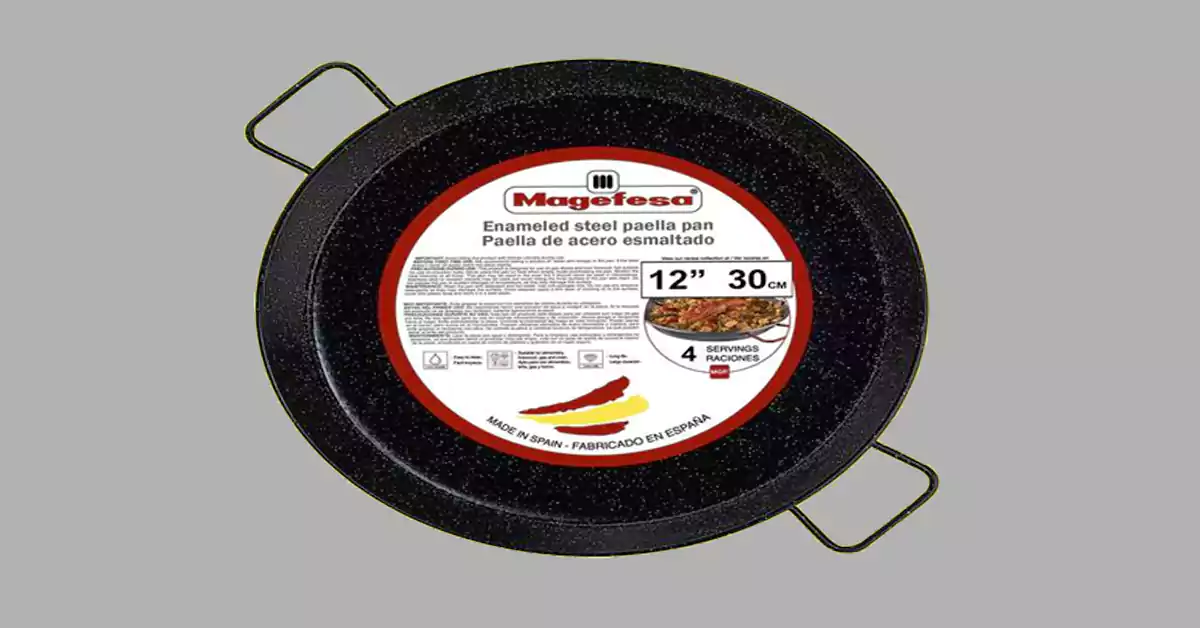
Enameled steel is a popular choice for paella pans. It combines durability with ease of use, resists rust and corrosion, and offers a visually appealing look. Let’s explore why enameled steel solutions are ideal for paella pans.
Resisting Rust And Corrosion
Enameled steel is excellent for its rust resistance. The enamel coating protects the steel from moisture. This makes the pan last longer. It also means less maintenance for you. You don’t need to season the pan like cast iron. Just wash and dry it after use. The enamel layer keeps the pan safe from corrosion. This is especially important for paella pans. They often come in contact with acidic ingredients. The enamel barrier stops acids from reaching the steel. This ensures the pan stays in good shape.
Visual Appeal And Functionality
Enameled steel pans are not just functional. They are also visually appealing. The enamel comes in various colors, adding a touch of style to your kitchen. The glossy finish looks attractive. It also makes the pan easier to clean. Food doesn’t stick to the smooth surface, which is a big plus when cooking paella. The pan heats evenly, ensuring that your paella cooks perfectly. Even heat distribution is crucial for the dish. It helps cook the rice uniformly.
| Feature | Benefit |
|---|---|
| Rust Resistance | Longer lifespan |
| Corrosion Protection | Less maintenance |
| Visual Appeal | Stylish kitchen addition |
| Easy to Clean | Less food sticking |
| Even Heating | Perfectly cooked paella |
- Durability: Enameled steel is tough and long-lasting.
- Low Maintenance: No need for seasoning, washing, and drying.
- Acid Protection: Enamel shields steel from acidic ingredients.
- Heat Distribution: Ensures the dish is even cooked.
- Aesthetic Appeal: Adds color and style to your kitchen.
Non-stick Technology
Modern paella pans often feature non-stick technology. This makes cooking and cleaning easier. Non-stick coatings have revolutionized kitchenware. Let’s explore the benefits and concerns.
Convenience In Modern Cooking
Non-stick paella pans are user-friendly. They require less oil for cooking. This can make your meals healthier. Food doesn’t stick, so cleaning is a breeze.
Key Advantages:
- Easy to clean
- Requires less oil
- Food doesn’t stick
These benefits make non-stick pans popular. They save time and effort.
Controversies And Health Implications
Non-stick coatings can have health concerns. Some contain chemicals like PTFE and PFOA. These may release fumes when overheated.
Potential Issues:
- Release of harmful fumes
- Possible chemical ingestion
Many brands now offer PFOA-free options. This reduces health risks. Always check the product labels for safety.
Here’s a quick comparison:
| Type | Pros | Cons |
|---|---|---|
| Traditional Non-Stick | Easy to clean, Less oil | Potential chemical risk |
| PFOA-Free | Safer, Easy to clean | May be more expensive |
Non-stick technology offers excellent convenience. But, always consider the health implications.
The Role Of Thickness And Depth
Understanding the thickness and depth of paella pans is crucial. These factors affect cooking performance. Let’s explore how they influence your paella experience.
Even Cooking And Socarrat Formation
The thickness of a paella pan ensures even cooking. Thin pans heat up quickly but can cause hot spots. A thicker pan distributes heat more evenly, resulting in a well-cooked dish.
Depth also plays a role in creating the socarrat. The socarrat is the crispy bottom layer of the paella. A deeper pan helps in achieving this caramelized crust. It allows for better heat retention and circulation.
| Thickness | Even Cooking | Socarrat Formation |
|---|---|---|
| Thin | Quick heating, uneven cooking | Harder to achieve |
| Thick | Even heating, consistent cooking | Easier to achieve |
Sizing For Different Servings
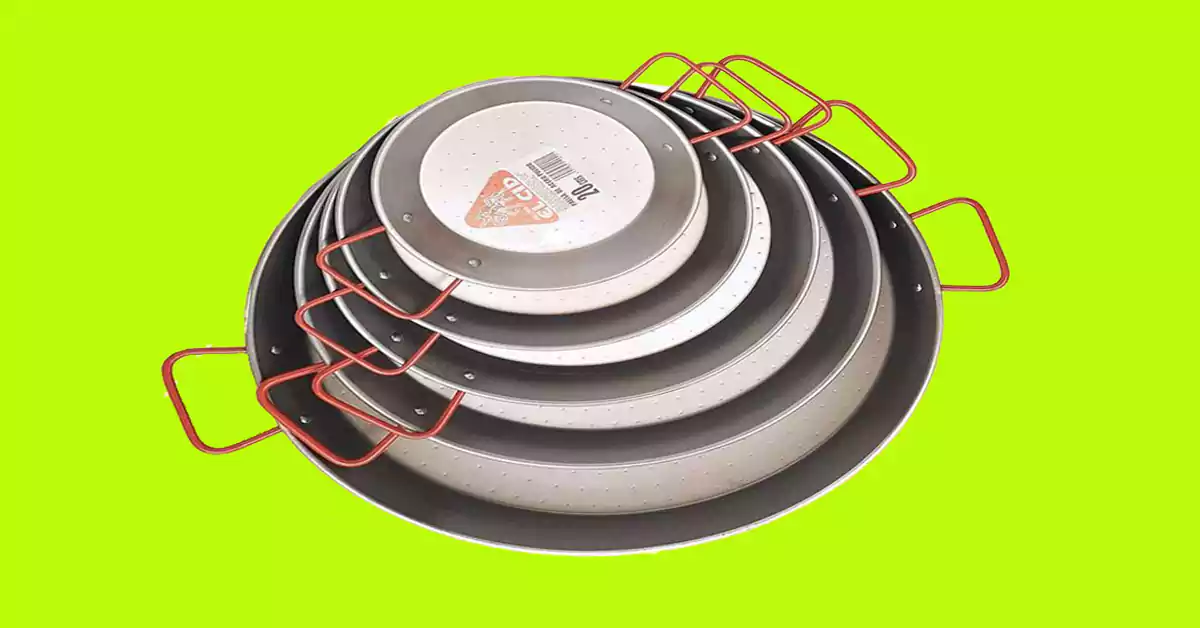
Paella pans come in various sizes. Choosing the right size depends on your needs. Smaller pans are perfect for two to four servings, while larger pans can serve up to 20 people.
Here are some standard sizes:
- 20 cm: 1-2 servings
- 30 cm: 3-4 servings
- 40 cm: 6-8 servings
- 50 cm: 10-12 servings
Matching the pan size to your serving needs is essential. This ensures the rice cooks evenly and the flavors meld perfectly.
Choosing The Right Paella Pan
Finding the perfect paella pan is crucial for a delicious dish. The right pan ensures even cooking and enhances flavors. Various factors must be considered when choosing a paella pan.
Matching The Pan To The Heat Source
Different heat sources require different types of paella pans. Here’s a quick guide:
- Gas Stoves: Carbon steel or stainless steel pans work best.
- Electric Stoves: Choose flat-bottomed pans for even heat distribution.
- Open Fire or BBQ: Carbon steel pans are ideal for high heat.
- Induction Cooktops: Ensure the pan is compatible with induction.
Considering The Frequency And Volume Of Use
Think about how often and for how many people you’ll cook paella.
| Usage | Recommended Pan Material |
|---|---|
| Occasional Use | Enamel-coated or non-stick pans |
| Frequent Use | Carbon steel or stainless steel pans |
| Large Gatherings | Large carbon steel pans |
Carbon steel pans are durable and can be used frequently. Over time, they develop a natural non-stick layer.
Enamel-coated pans are easier to clean but may not last as long. Stainless steel pans are robust and can handle frequent use.
Choose a larger pan if you often cook for many people. This ensures everyone gets a generous serving.
Caring For Your Paella Pan
Proper care for your paella pan extends its life and enhances performance. Learn simple steps to keep your pan in top shape.
Best Practices For Longevity
Follow these best practices to ensure your paella pan lasts:
- Season your pan: Apply a thin layer of oil after each use.
- Clean gently: Use warm water and a soft sponge. Avoid harsh soaps.
- Dry immediately: Dry your pan thoroughly to prevent rust.
- Store properly: Hang your pan or store it in a dry place.
Common Mistakes To Avoid
Avoid these mistakes to keep your paella pan in good condition:
- Using metal utensils: They can scratch the surface.
- Soaking for long periods: It can cause rust.
- Putting in the dishwasher: It can damage the coating.
- Neglecting to season: It can lead to a dull and sticky surface.
Remember, caring for your paella pan ensures delicious meals for years.
FAQ on What Are paella Pans made of
What Is The Difference Between A Paella Pan And A Regular Pan?
A paella pan has a wide, shallow design with sloping sides, which makes it ideal for cooking paella. Regular pans are deeper and vary in shape.
What Is A Good Substitute For A Paella Pan?
A large, wide skillet or a stainless steel frying pan works well. Use one with a flat bottom for even cooking.
Can I Use Any Pan For Paella?
It’s best to use a traditional paella pan. Its wide, shallow design ensures even cooking and proper rice texture.
Can You Fry In A Paella Pan?
Yes, you can fry in a paella pan. Its wide, shallow design distributes heat evenly, which is ideal for frying.
Conclusion
Choosing the right paella pan enhances your cooking experience. Various materials, such as carbon steel, stainless steel, and cast iron, offer unique benefits. Each type affects heat distribution and cooking results. Select a pan that suits your needs and enjoy delicious, authentic paella.
Happy cooking with your perfect paella pan!