Last Updated on August 28, 2026
To use a rolled omelet pan, preheat the pan and pour a thin layer of beaten eggs. Cook until edges set, then roll.
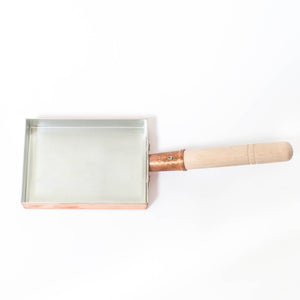
A rolled omelet pan, also known as a tamagoyaki pan, is a versatile kitchen tool. Its rectangular shape helps create perfectly rolled omelets. These omelets are popular in Japanese cuisine and make a visually appealing breakfast or lunch option. The pan’s non-stick surface ensures easy cooking and cleaning.
It’s essential to preheat the pan for even cooking. Pouring a thin layer of egg mixture allows for better control and more even rolls. Mastering the rolled omelet technique can elevate your culinary skills and impress guests with beautifully presented dishes.
Introduction To Rolled Omelet Pans
A rolled omelet pan is a unique kitchen tool. It helps you make perfect rolled omelets. This pan has a rectangular shape. It’s designed to create thin, even layers of egg. These layers are then rolled to form a neat, delicious omelet.
The Basics Of A Rolled Omelet Pan
The pan is usually non-stick. This makes it easy to cook and clean. The rectangular shape helps in rolling the omelet. It’s often made of durable materials like aluminum or stainless steel. Some models have a wooden handle. This prevents it from getting too hot to hold.
Why Choose A Rolled Omelet Pan?
Efficiency: The pan heats evenly. This ensures your omelet cooks perfectly.
Versatility: You can use it for more than just omelets. Cook pancakes, crepes, or even grilled sandwiches.
Easy to Use: The non-stick surface means less oil and easy flipping.
| Feature | Benefit |
|---|---|
| Non-stick Surface | Easy to clean |
| Rectangular Shape | Perfect for rolling omelets |
| Durable Material | Long-lasting |
Credit: toirokitchen.com
Selecting Your Pan
Selecting the right pan is crucial for making the perfect rolled omelet. The pan’s material and size can greatly affect your cooking experience and the final result. Let’s dive into what you need to know about choosing the best pan.
Material Matters: Non-stick Vs. Cast Iron
Non-stick pans are popular for making rolled omelets. They make cooking and cleaning easier. Food doesn’t stick, which helps in rolling the omelet smoothly. Look for a high-quality non-stick coating to ensure durability.
Cast iron pans are another option. They offer excellent heat retention and even cooking. A well-seasoned cast iron pan can be almost as non-stick as a non-stick pan. Cast iron pans are heavier, so they might be harder to handle.
Size And Shape Considerations
The size and shape of your pan can affect your omelet’s thickness and shape. A rectangular or square pan is ideal for rolled omelets. These shapes make it easier to roll the omelet evenly.
Consider the pan’s size. A small pan is perfect for individual servings. A larger pan is better for making multiple servings. Here is a quick guide:
| Pan Size | Servings |
|---|---|
| Small (6-8 inches) | 1-2 servings |
| Medium (9-10 inches) | 2-3 servings |
| Large (11-12 inches) | 3-4 servings |
Choose a pan that fits your cooking needs and stove size. A pan that is too large can be hard to handle. A pan that is too small might not cook the omelet evenly.
Now you know how to select the best pan for making rolled omelets. The right pan can make a big difference in your cooking experience.
Essential Ingredients For A Perfect Rolled Omelet
Creating a delicious rolled omelet starts with the right ingredients. Your omelet can be simple or packed with fillings. The choice is yours.
Eggs: Freshness Counts
The quality of eggs is crucial for a good rolled omelet. Fresh eggs have a richer taste and better texture.
| Egg Quality | Benefits |
|---|---|
| Farm Fresh | Rich flavor, bright yolks |
| Store Bought | Convenient, affordable |
To check egg freshness, place them in water. Fresh eggs sink, while old ones float. Always choose fresh eggs for the best results.
Fillings: Personalize Your Omelet
A rolled omelet can be filled with a variety of ingredients. Here are some popular fillings:
- Cheese: Adds creaminess and flavor.
- Vegetables: Bell peppers, spinach, and mushrooms are great choices.
- Meats: Ham, bacon, or sausage can add protein.
- Herbs: Fresh herbs like chives or parsley enhance taste.
Prepare your fillings before you start cooking. Chop vegetables finely and cook meats until done. This way, everything is ready to go into your omelet.
Feel free to experiment with different fillings. Personalize your rolled omelet to suit your taste.
:no_upscale()/cdn.vox-cdn.com/uploads/chorus_asset/file/15945151/81SfmBhFTRL._SL1500_.jpg)
Credit: www.eater.com
Prepping Your Pan For Use
Prepping your rolled omelet pan is essential for perfect results. This step ensures even cooking and prevents sticking. Follow these steps for a flawless omelet experience.
Caring For Your Rolled Omelet Pan
Caring for your rolled omelet pan prolongs its life. Always wash it gently with warm soapy water. Avoid using harsh scrubbers. Dry it with a soft cloth to prevent rust.
Season the pan before its first use. Apply a thin layer of oil and heat it on low. Let it cool and wipe off excess oil. This creates a non-stick surface.
The Importance Of Preheating
Preheating your pan is crucial for an even cook. Place the pan on the stove and heat it on medium. Wait until it’s warm to the touch.
Use a small drop of water to test. If it sizzles, the pan is ready. Pour a bit of oil and spread it evenly. Your pan is now prepped for a perfect omelet.
| Step | Action |
|---|---|
| 1 | Wash the pan with warm soapy water. |
| 2 | Dry it with a soft cloth. |
| 3 | Apply a thin layer of oil. |
| 4 | Heat the pan on low. |
| 5 | Let it cool and wipe off excess oil. |
| 6 | Preheat the pan on medium. |
| 7 | Test with a drop of water. |
| 8 | Spread oil evenly before cooking. |
The Omelet Rolling Technique
Mastering the omelet rolling technique takes practice. It turns regular omelets into delicious rolls. These are perfect for breakfast or brunch. Let’s dive into the process step by step.
Mixing And Pouring The Eggs
First, crack your eggs into a bowl. Whisk them until they are well-blended. Add salt, pepper, and any other seasonings you like. Make sure the mixture is smooth.
Next, heat your rolled omelet pan over medium heat. Pour a small amount of oil into the pan. Swirl the oil around to coat the bottom. Pour a thin layer of the egg mixture into the pan.
Cook the eggs until they start to set. This usually takes about 1-2 minutes. Do not let the eggs fully cook at this stage.
Mastering The Roll: Step-by-step
- Use a spatula to lift one edge of the omelet.
- Gently roll the omelet towards the center.
- Push the rolled part to one side of the pan.
- Pour more egg mixture into the empty side of the pan.
- Repeat the rolling process until all the egg mixture is used.
Once the omelet is fully rolled, let it cook for another 1-2 minutes. This ensures the inside is cooked through. Your rolled omelet is now ready to serve!
| Step | Action |
|---|---|
| 1 | Crack and whisk the eggs. |
| 2 | Heat the pan and add oil. |
| 3 | Pour a thin layer of egg mixture. |
| 4 | Cook until eggs start to set. |
| 5 | Roll the omelet using a spatula. |
| 6 | Repeat pouring and rolling. |
| 7 | Cook the rolled omelet through. |
Troubleshooting Common Rolled Omelet Issues
Making a rolled omelet can sometimes be tricky. Even with a rolled omelet pan, you might face some problems. Here are solutions for common issues.
Avoiding Tears And Breaks
Tears and breaks can ruin your rolled omelet. Here are some tips to avoid them:
- Use fresh eggs: Fresh eggs hold together better.
- Preheat the pan: A warm pan helps prevent sticking.
- Grease the pan: Use oil or butter for a smooth surface.
- Handle gently: Use a spatula to carefully roll the omelet.
Ensuring Even Cooking
Uneven cooking can make parts of your omelet undercooked or overcooked. Follow these steps for even cooking:
- Spread the egg mixture: Pour evenly across the pan.
- Use low heat: Cook on low heat to avoid burning.
- Flip carefully: Use a spatula to turn sections gently.
- Cook in layers: Add more egg mixture as needed.
| Issue | Solution |
|---|---|
| Tears and Breaks | Use fresh eggs, preheat the pan, grease the pan, handle gently |
| Uneven Cooking | Spread egg mixture, use low heat, flip carefully, cook in layers |
Flavor Variations And Recipes
The rolled omelet pan is a versatile kitchen tool. It allows you to explore numerous flavor variations and recipes. From classic fillings to innovative concoctions, the possibilities are endless. Here, we’ll delve into some delectable options to inspire your culinary creativity.
Classic Fillings And Twists
Classic fillings are timeless and delicious. They provide a great base for your rolled omelet. Here are some popular choices:
- Cheese and Ham: A savory combination of melted cheese and diced ham.
- Spinach and Feta: Fresh spinach leaves paired with tangy feta cheese.
- Mushroom and Swiss: Sautéed mushrooms with creamy Swiss cheese.
- Tomato and Basil: Juicy tomatoes with fragrant basil leaves.
For a twist on these classics, consider adding herbs or spices. Fresh chives or paprika can elevate the flavors. Experiment with different combinations to find your favorite.
Innovative Recipes To Try
Ready to take your rolled omelets to the next level? Try these innovative recipes:
| Recipe | Ingredients | Instructions |
|---|---|---|
| Avocado and Salsa |
|
|
| Smoked Salmon and Dill |
|
|
These recipes showcase the versatility of your rolled omelet pan. Enjoy the process and the delicious results!
Cleaning And Maintenance
Cleaning and maintaining your rolled omelet pan ensures it lasts long. Proper care keeps it in top condition and ready for delicious omelets.
Proper Cleaning After Use
Always clean your rolled omelet pan after each use. Use warm water and mild dish soap for the best results. Avoid using harsh chemicals or abrasive sponges as they can damage the pan’s surface.
Follow these steps to clean your pan:
- Let the pan cool down completely.
- Use a soft sponge or cloth with mild dish soap.
- Gently scrub the pan to remove any food residue.
- Rinse thoroughly with warm water.
- Dry the pan with a soft towel.
For stubborn stains, soak the pan in warm, soapy water for 10 minutes. Then, scrub gently and rinse.
Storage Tips For Longevity
Proper storage of your rolled omelet pan helps maintain its quality. Follow these tips:
- Ensure the pan is completely dry before storing.
- Store in a cool, dry place to avoid moisture buildup.
- Avoid stacking heavy objects on top of the pan.
- If possible, hang the pan to prevent scratches.
Using these simple storage tips, your rolled omelet pan will last longer.
Advanced Tips For Rolled Omelet Enthusiasts
Mastering the art of making rolled omelets takes practice. Once you are comfortable with the basics, it’s time to elevate your skills. Below are some advanced tips to help you create perfect rolled omelets every time.
Experimenting With Techniques
Experimenting with different techniques can enhance your rolled omelet experience. Try varying the pan temperature. A medium-high heat works best for most recipes. This helps the egg set quickly without burning.
Another technique is to adjust the whisking time. Whisking the eggs longer makes them fluffier. For a firmer texture, whisk the eggs for a shorter time.
Consider using different oils. Each type of oil imparts a unique flavor. Olive oil gives a rich taste, while sesame oil adds a nutty flavor.
Presentation And Plating
Presentation plays a crucial role in enjoying food. A well-plated omelet looks more appetizing. Start by cutting the omelet into even pieces. Use a sharp knife to get clean cuts.
Place the rolled omelet on a white plate for contrast. Garnish with fresh herbs like parsley or chives. This adds both color and flavor.
For a more elegant touch, drizzle some sauce on the plate. Soy sauce or a light vinaigrette works well. The sauce enhances the taste and visual appeal.
| Technique | Effect |
|---|---|
| Pan Temperature | Quick set without burning |
| Whisking Time | Fluffier or firmer texture |
| Different Oils | Unique flavors |
- Cut omelet into even pieces
- Use white plate for contrast
- Garnish with herbs
- Drizzle sauce for taste and appeal

Credit: www.thisiswhyimbroke.com
Frequently Asked Questions
How To Use A Folding Omelet Pan?
Preheat the folding omelet pan on medium heat. Pour beaten eggs into both sides. Add fillings on one side. Close the pan gently. Cook until the omelet sets, then open and serve.
How Do You Use A Nordic Ware Rolled Omelet Pan?
To use a Nordic Ware rolled omelet pan, preheat the pan, pour in beaten eggs, cook until set, and roll. Enjoy your omelet!
What Is The Difference Between An Egg Pan And An Omelette Pan?
An egg pan is smaller with sloped sides, ideal for frying eggs. An omelette pan is larger and has shallow, flared sides for easy flipping.
What Is An Omelet Pan Used For?
An omelet pan is used for cooking omelets. Its non-stick surface ensures easy flipping and even cooking.
Conclusion
Mastering the rolled omelet pan is a rewarding skill. With practice, you’ll create perfect omelets every time. Follow these steps, and enjoy delicious, restaurant-quality rolled omelets at home. Share your culinary success with friends and family, and elevate your breakfast game effortlessly.
Happy cooking!