Last Updated on August 28, 2026
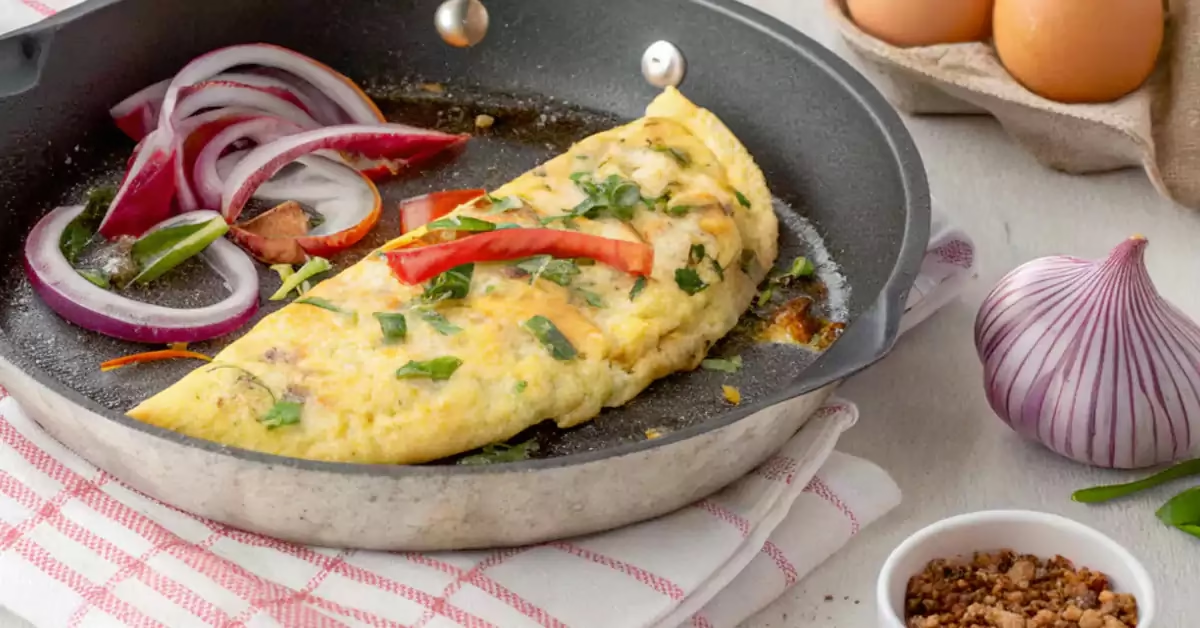
How to make omelet in frying pan is not that much difficult. To make an omelet in a frying pan, whisk eggs, pour into a heated pan, and cook until set. Add fillings, fold, and serve.
Making a perfect omelet is a culinary skill worth mastering. It’s a quick, nutritious meal that can be enjoyed any time of the day. Fresh ingredients and the right technique ensure a fluffy, flavorful result. Start with high-quality eggs and a non-stick frying pan.
Prepare your favorite fillings, such as cheese, vegetables, or meats. Preheat your pan over medium heat, then pour in the beaten eggs. As the eggs begin to set, add your fillings. Fold the omelet in half and cook until fully set. Serve hot, and enjoy a delicious, homemade omelette.
Table of Contents
Introduction To The Art Of Omelet Making
Making an omelet is an easy way to make a meal. It’s fun and quick. You can make it for breakfast or any meal. Let’s explore the steps to make a perfect omelet.
The Appeal Of A Perfectly Cooked Omelet
A well-cooked omelet is delicious. It’s fluffy and tasty. You can add many fillings. Cheese, veggies, or meats make it special. Everyone loves a good omelet.
What You’ll Learn In This Article
In this article, you will learn:
- How to choose the right ingredients
- Steps to make a fluffy omelet
- Tips for cooking evenly
- Ideas for tasty fillings
| Ingredients | Amount |
|---|---|
| Eggs | 2-3 |
| Milk | 2 tablespoons |
| Salt | To taste |
| Butter | 1 tablespoon |
| Fillings (cheese, veggies, etc.) | As desired |
Follow these steps to make your omelet:
- Whisk the eggs, milk, and salt in a bowl.
- Heat the butter in a frying pan.
- Pour the egg mixture into the pan.
- Cook until the edges start to set.
- Add your favorite fillings.
- Fold the omelet in half and cook for another minute.
Choosing Your Ingredients
Creating the perfect omelet starts with selecting the right ingredients. Each component plays a crucial role in the flavor and texture of your dish. Let’s explore the key ingredients for a mouthwatering omelet.
Eggs: The Star Of The Show
Eggs are the foundation of any omelet. Choose fresh, large eggs for the best results. Fresh eggs have vibrant yolks and firm whites, ensuring a fluffy omelet.
- Use 2-3 eggs per omelet.
- Whisk eggs well to incorporate air.
- Season with a pinch of salt and pepper.
Cheese, Herbs, And Fillings
Cheese, herbs, and fillings add flavor and texture to your omelet. Select ingredients that complement each other.
| Category | Options |
|---|---|
| Cheese | Cheddar, mozzarella, feta |
| Herbs | Chives, parsley, basil |
| Fillings | Tomatoes, mushrooms, spinach |
Prepare your fillings in advance. Chop vegetables finely and grate the cheese.
- Heat fillings before adding to the omelet.
- Avoid overloading with too many ingredients.
Butter Or Oil? Deciding On Fats
Choosing the right fat is essential for a non-stick omelet. Both butter and oil have their benefits.
- Butter adds a rich, creamy flavor.
- Oil provides a higher smoke point.
Use 1 tablespoon of butter or oil per omelet. Heat the fat over medium heat before adding eggs.
Tools Of The Trade
Cooking a perfect omelet requires the right tools. Using proper tools makes cooking easier and results in a delicious dish. Let’s dive into the essential tools you need for making an omelet in a frying pan.
Selecting The Right Frying Pan
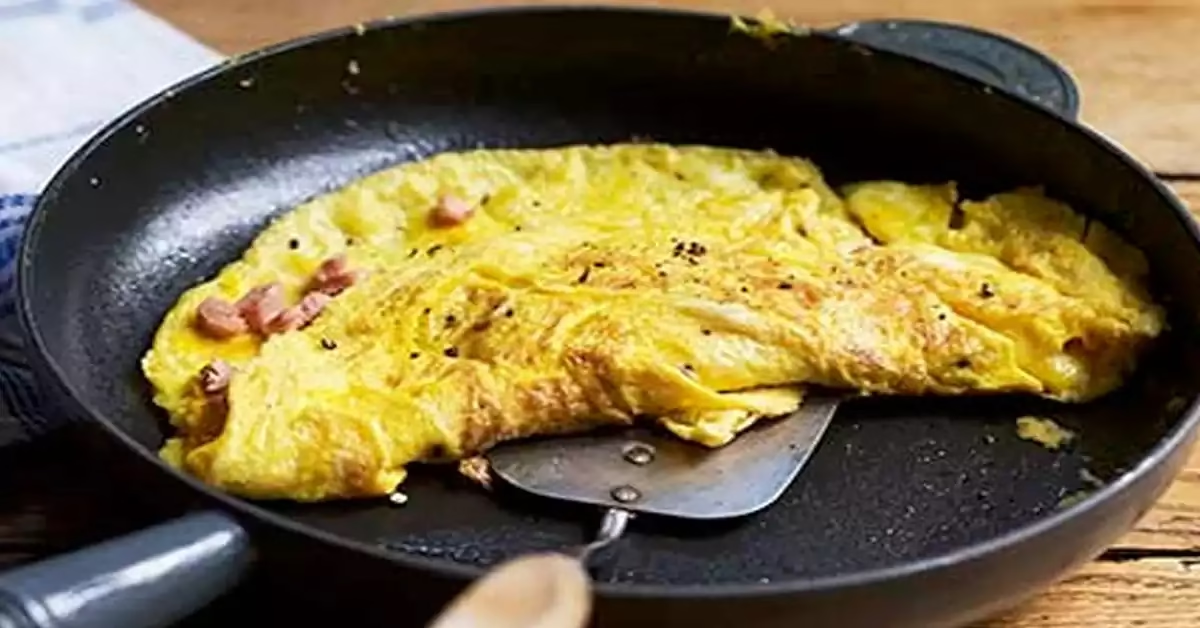
The frying pan is crucial for making an omelet. Choose a pan with a non-stick surface. This helps to prevent the omelet from sticking. The pan should have a flat bottom and gently sloping sides. A pan with a diameter of 8 to 10 inches works best. Ensure the pan has a heat-resistant handle for easy flipping.
Whisks And Spatulas
A whisk is essential for beating the eggs. It helps to mix the eggs well. A balloon whisk works best for this purpose. For flipping the omelet, use a silicone or rubber spatula. These spatulas are gentle on non-stick surfaces. They help flip the omelet without breaking it.
Plates And Serving Tools
Use a large plate for serving the omelet. This makes it easy to slide the omelet out of the pan. A flat spatula can also help in transferring the omelet to the plate. For a perfect presentation, use a small knife to trim any rough edges.
| Tool | Purpose |
|---|---|
| Non-stick frying pan | Cooking the omelet |
| Balloon whisk | Beating the eggs |
| Silicone spatula | Flipping the omelet |
| Large plate | Serving the omelet |
| Flat spatula | Transferring the omelet |
Prepping Your Ingredients
Creating a delicious omelet starts with prepping your ingredients. Proper preparation ensures a smooth cooking process. It also ensures the best flavors. Let’s dive into the essential steps.
Cracking And Beating Eggs To Perfection
Start with fresh eggs. Fresh eggs make a difference in taste and texture.
- Crack the eggs into a mixing bowl.
- Use a fork or whisk to beat the eggs.
- Beat until the mixture is smooth and slightly frothy.
Beating the eggs well is key. It creates a light and fluffy omelet.
Preparing Your Mix-ins
Choose your favorite mix-ins. Popular options include:
- Cheese
- Vegetables (like peppers, onions, and tomatoes)
- Meats (like ham, bacon, or sausage)
Chop vegetables and meats into small pieces. Grate or shred cheese for easy melting.
Keep your mix-ins ready before you start cooking. This ensures a smooth process.
Getting Your Pan To The Right Temperature
Use a non-stick pan for best results. A non-stick pan helps prevent sticking.
- Set the stove to medium heat.
- Add a small amount of butter or oil to the pan.
- Wait until the butter melts or the oil shimmers.
The pan should be hot but not smoking. This helps cook the omelet evenly.
Mastering The Pour And Cook
Creating the perfect omelet requires skill. The key steps involve mastering the pour and cook. By focusing on these aspects, you can achieve fluffy and delicious omelets every time.
Pouring The Egg Mixture
First, whisk the eggs until they are well blended. This ensures a consistent texture. Next, heat your frying pan over medium heat. Add a small amount of butter or oil to the pan. Let it melt and coat the surface evenly.
Once the pan is hot, pour the egg mixture into the pan. Tilt the pan to spread the eggs evenly. This step helps the omelet cook uniformly.
Cooking On The Right Heat
Maintain a medium heat while cooking the omelet. If the heat is too high, the eggs will brown quickly. This can make the omelet tough.
Let the eggs cook undisturbed for a few minutes. The edges will start to set first. Use a spatula to gently lift the edges. Allow the uncooked eggs to flow underneath.
When To Add The Fillings
Once the eggs are mostly set, it’s time to add your fillings. Place your desired ingredients on one half of the omelet. Common fillings include cheese, vegetables, and ham.
Fold the other half of the omelet over the fillings. Cook for another minute to melt the cheese and warm the fillings. Slide the omelet onto a plate and serve immediately.
The Flip Or Fold Technique
Making an omelet in a frying pan can be a delightful experience. Using the flip or fold technique, you can achieve restaurant-quality results. This technique will help you decide which method suits your style.
Deciding Between Flipping Or Folding
Flipping an omelet can be tricky but rewarding. It creates a crispy outer layer and a soft inside. Folding is simpler and often leads to a fluffy omelet. Choose based on your skill level and desired texture.
Executing The Perfect Omelet Flip
To master the flip, use a non-stick pan. Ensure the omelet is cooked enough to hold together. Slide the omelet to the edge of the pan. With a quick wrist motion, flip it in the air. Catch it smoothly back in the pan.
Folding For A Fluffy Finish
For a fluffy omelet, folding is key. Once the eggs start to set, add your fillings. Use a spatula to gently fold the omelet in half. Let it cook for another minute for a delicious, fluffy finish.
Finishing Touches
Finishing touches can turn a good omelet into a great one. These steps will enhance the flavor and presentation of your dish. Let’s explore how to add these final elements.
Garnishing Your Omelet
Garnishing your omelet adds both flavor and visual appeal. Here are some ideas:
- Chopped herbs: Fresh parsley, chives, or cilantro.
- Sliced avocado: Adds creaminess and healthy fats.
- Grated cheese: Cheddar, Parmesan, or feta.
- Tomato slices: Fresh or sun-dried for a tangy touch.
Serving Suggestions
Serving your omelet properly makes a big difference. Here are some ways to serve it:
- Hot: Serve the omelet immediately after cooking.
- Warm plate: Preheat your plate to keep the omelet warm.
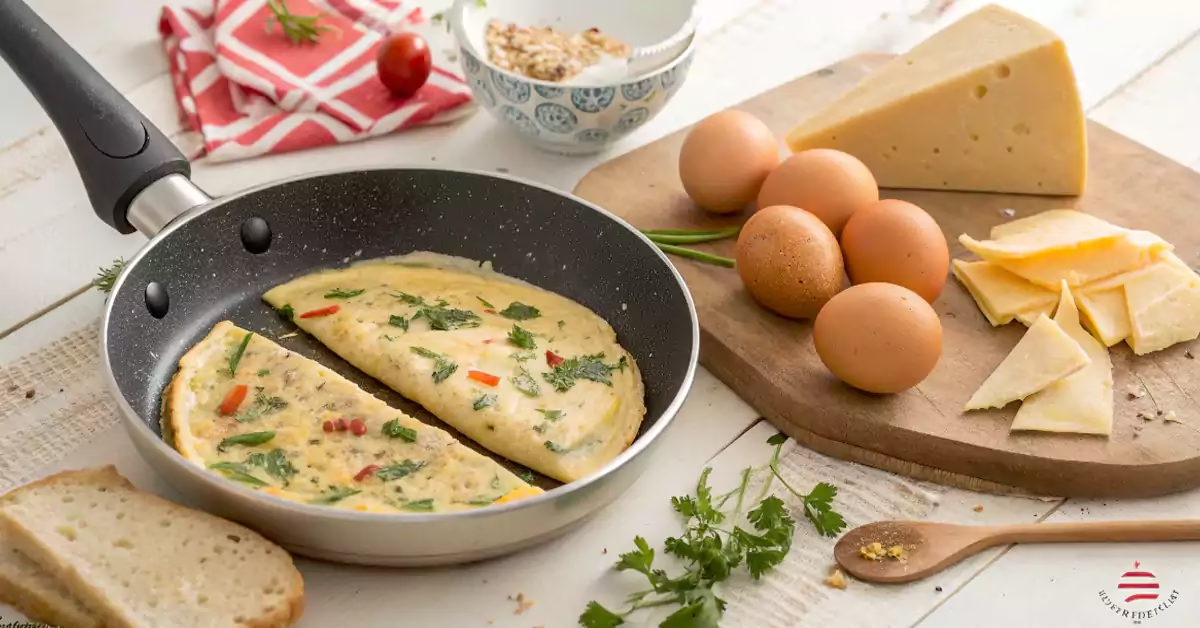
- Presentation: Fold the omelet neatly on the plate.
- Drizzle: Add a light sauce or glaze for extra flavor.
Pairing With Sides
Pairing your omelet with sides can complete the meal. Consider these options:
| Side | Description |
|---|---|
| Toast | Crispy bread slices with butter or jam. |
| Salad | Fresh greens with a light vinaigrette. |
| Fruit | Seasonal fruits for a sweet balance. |
| Hash browns | Crispy potatoes for a hearty touch. |
These sides enhance the omelet’s flavors and offer a balanced meal.
Troubleshooting Common Omelet Problems
Making an omelet can seem simple, but common problems often arise. Understanding these issues can turn your omelet from average to amazing. Let’s dive into some frequent omelet mishaps and how to fix them.
Preventing A Rubbery Texture
One common issue is a rubbery texture. This happens when the eggs are cooked too long or at a high temperature.
- Use medium-low heat: Cooking on high heat makes the eggs tough.
- Watch the time: Cook the omelet for no more than 1-2 minutes per side.
- Whisk thoroughly: Ensure the eggs are mixed well for a fluffy texture.
Dealing With Sticking Issues
Sticking can ruin the perfect flip. Follow these tips to prevent your omelet from sticking to the pan.
- Preheat the pan: Ensure the frying pan is hot before adding eggs.
- Use enough oil or butter: A well-greased pan helps in easy release.
- Non-stick pan: Consider using a non-stick frying pan for best results.
Fixing Undercooked Or Overcooked Omelet
An undercooked or overcooked omelet can be disappointing. Here’s how to get it just right.
| Problem | Solution |
|---|---|
| Undercooked: | Fold the omelet and let it cook for another minute. |
| Overcooked: | Reduce the cooking time and use medium-low heat. |
Be mindful of the heat and cooking time to achieve the perfect texture.
Variations And Creative Twists
Making an omelet in a frying pan can be more than just a basic breakfast. With a few creative twists, you can transform this simple dish into something extraordinary. Let’s explore some exciting variations that can add a unique flair to your omelet.
Dietary Adaptations
Everyone has different dietary needs. Here are some ways to adapt your omelet:
- Vegetarian Omelet: Use spinach, tomatoes, and mushrooms.
- Vegan Omelet: Replace eggs with chickpea flour batter.
- Gluten-Free Omelet: Use all-natural ingredients. Avoid processed fillers.
International Omelet Variations
Omelets are a global delight. Each country has its special twist:
| Country | Omelet Style |
|---|---|
| France | Herbs and butter |
| Spain | Potatoes and onions (Tortilla Española) |
| Japan | Soy sauce and sugar (Tamagoyaki) |
Innovative Filling Combinations
Think beyond cheese and ham. Try these inventive filling combinations:
- Smoked Salmon and Cream Cheese: Add dill for extra flavor.
- Goat Cheese and Sun-Dried Tomatoes: Sprinkle with basil.
- Chorizo and Avocado: Top with fresh cilantro.
Experiment with these variations. Turn your omelet into a delicious masterpiece!
Cleaning And Care For Your Pan
After making a delicious omelet, cleaning your frying pan is essential. Proper care ensures your pan lasts longer and stays non-stick. Follow these steps for a clean and well-maintained pan.
Post-omelet Cleanup
Cleaning your pan right after cooking is crucial. Let the pan cool down a bit. Use a soft sponge and warm water to clean it.
- Do not use metal scrubbers; they scratch the surface.
- Avoid harsh chemicals that can damage the non-stick coating.
If there are stubborn bits, soak the pan in warm water. This loosens the food particles. Then, gently scrub with a soft sponge.
Maintaining A Non-stick Surface
To keep your pan’s non-stick surface, follow these tips:
- Use wooden or silicone utensils to avoid scratches.
- Apply a small amount of oil before cooking.
- Never use high heat; it can damage the coating.
Occasionally, season your pan by rubbing it with a bit of oil. Heat the pan gently for a few minutes, then let it cool before wiping away excess oil.
Longevity Of Your Frying Pan
Proper care extends the life of your pan. Store it correctly to prevent damage. Avoid stacking pans without protection. Use a paper towel or cloth between them.
| Do | Don’t |
|---|---|
| Use soft sponges | Use metal utensils |
| Apply oil before cooking | Use high heat |
| Store with protection | Stack without protection |
By following these tips, your frying pan will stay in great shape. Enjoy many more delicious omelets!
FAQ on how to make omelet in frying pan
Should I Cook Omelette In Butter Or Oil?
Cook an omelette in butter for richer flavor and golden color. Use oil for a lighter, crispier texture. Both work well.
What Is The Proper Method For Making The Omelet Once It’s In The Pan?
Pour the beaten eggs into a hot, greased pan. Let them cook undisturbed for a few seconds. Gently stir the edges towards the center. Add fillings before the eggs fully set. Fold the omelet in half and slide it onto a plate.
Do You Flip An Omelette Before Adding Cheese?
No, do not flip the omelette before adding cheese. Add cheese while the omelette is still cooking.
How To Make An Omelette In A Stick Pan?
Heat a non-stick pan on medium. Whisk eggs, salt, and pepper. Pour mixture into the pan. Cook until edges set. Fold and serve.
Conclusion
Creating a perfect omelet in a frying pan is simple with practice. Follow the steps and tips shared. You’ll enjoy a delicious, fluffy omelet every time. Experiment with different fillings to suit your taste. Cooking at home can be fun and rewarding.
Happy cooking!