Last Updated on September 3, 2026
An antique cast iron Dutch oven is a valuable kitchen tool. It offers durability and excellent heat retention.
An antique cast iron Dutch oven is more than just a cooking pot; it’s a piece of history. Crafted with meticulous care, these ovens provide even heat distribution and can last for generations. Ideal for slow-cooking, braising, and baking, they enhance the flavors of your dishes.
Collectors and chefs alike treasure these vintage pieces for their functionality and charm. Properly maintained, an antique Dutch oven can be a family heirloom. Investing in one not only improves your culinary experience but also connects you to a rich tradition of cooking.
Introduction To Antique Cast Iron Dutch Ovens
An antique cast iron Dutch oven is a timeless kitchen treasure. These heavy-duty pots have served families for generations. They are known for their durability and excellent heat retention. Let’s explore why these classic pieces remain popular today.
Historical Significance
Antique cast iron Dutch ovens have a rich history. They date back to the 18th century. Early settlers used them for cooking over open fires. These pots were essential for baking bread and cooking stews.
Their design evolved over time. Early versions had flat bottoms for fireplace cooking. Later models featured legs and a lid with a rim. This allowed for cooking with coals on top.
| Feature | Description |
|---|---|
| Material | Heavy cast iron |
| Design | Flat bottom or with legs |
| Cooking Method | Open fire or coals |
Enduring Popularity
The popularity of antique cast iron Dutch ovens has never waned. Many people still seek them out today. They are prized for their durability and cooking performance.
Modern cooks love their versatility. They can be used on the stove, in the oven, or over a campfire. The even heat distribution makes them ideal for slow-cooking meals.
- Perfect for stews and soups
- Great for baking bread
- Ideal for roasting meats
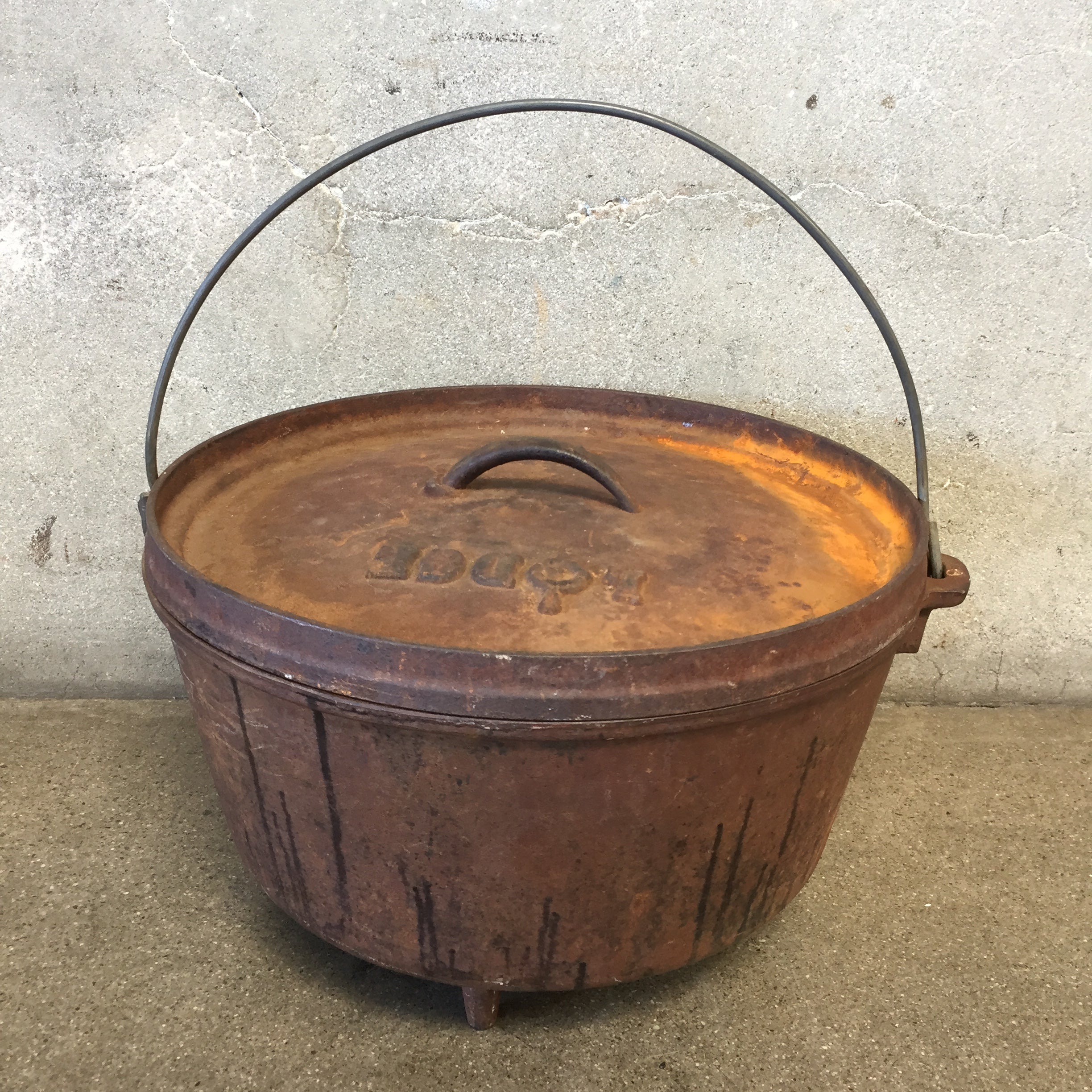
Collectors also value these antique pieces. They often search for specific brands and models. Some popular brands include Griswold, Wagner, and Lodge.
Unique Features
The Antique Cast Iron Dutch Oven holds many unique features. These features make it a prized possession in any kitchen. From its material composition to its intricate design, this piece stands out.
Material Composition
The Dutch oven is made from high-quality cast iron. Cast iron is known for its durability and heat retention. This material ensures even cooking. The cast iron also provides a natural non-stick surface over time. With proper care, it can last for generations.
Design Elements
The design of an antique cast iron Dutch oven is both functional and aesthetic. It often features a thick-walled construction. This helps in maintaining a consistent temperature. The lid usually has a tight fit, which helps in moisture retention. Some designs also include intricate patterns and logos, adding to its charm.
Here are some common design elements:
- Thick-walled construction for better heat retention
- Tight-fitting lid to retain moisture
- Intricate patterns and logos
- Loop handles for easy handling
Each of these features adds to the usability and beauty of the Dutch oven. Whether you’re cooking a stew or baking bread, an antique cast iron Dutch oven is an excellent choice.
Cooking Benefits
An Antique Cast Iron Dutch Oven is not just a kitchen tool. It offers many cooking benefits that make it indispensable. These benefits range from exceptional heat retention to incredible versatility in recipes.
Heat Retention
One of the most significant benefits of an Antique Cast Iron Dutch Oven is its excellent heat retention. The thick walls and heavy lid help maintain a consistent temperature. This feature ensures evenly cooked meals and reduces the risk of burning.
Maintaining heat also allows for slow cooking. This technique is perfect for dishes like stews, braises, and soups. The oven’s ability to hold heat means you can cook at lower temperatures, saving energy.
Versatility In Recipes
The Antique Cast Iron Dutch Oven is incredibly versatile. You can use it for a wide range of recipes. It works well for baking bread, roasting meats, and simmering sauces. The oven is also ideal for frying due to its heat retention.
Here are some popular recipes you can try:
- Hearty Beef Stew
- Artisan Bread
- Chicken and Vegetable Soup
- Classic Pot Roast
- Golden Fried Chicken
Its versatility makes it a favorite among home cooks and chefs alike. You can use it on various heat sources. These include stovetops, ovens, and even campfires.

Credit: www.ebay.com.my
Maintenance Tips
Proper maintenance of your antique cast iron Dutch oven ensures its longevity. Follow these tips to keep it in excellent condition.
Seasoning Process
Seasoning your Dutch oven is crucial. It prevents rust and adds a non-stick layer.
- Clean the oven thoroughly with mild soap and water.
- Dry it completely with a towel.
- Apply a thin layer of vegetable oil or lard.
- Place the oven upside down in your oven.
- Heat it at 350°F for one hour.
- Turn off the oven and let it cool inside.
Cleaning Techniques
Proper cleaning is vital for preserving the cast iron. Avoid harsh soaps.
- Let the oven cool after use.
- Scrape off food residue with a plastic scraper.
- Rinse with warm water and a brush.
- Dry it immediately to prevent rust.
- Apply a light coat of oil before storing.
| Do’s | Don’ts |
|---|---|
| Use mild soap occasionally. | Submerge in water for long periods. |
| Store in a dry place. | Use metal utensils. |
| Re-season regularly. | Place in dishwasher. |
By following these tips, your antique cast iron Dutch oven will remain in top condition for generations.
Popular Recipes
Antique cast iron Dutch ovens are versatile kitchen tools. They are perfect for creating hearty meals. Popular recipes range from savory stews to delicious baked bread. These recipes are easy and full of flavor.
Classic Stews
Classic stews are a favorite in Dutch ovens. They are rich, flavorful, and easy to prepare.
- Beef Stew: Combine beef, carrots, potatoes, and onions. Add broth and seasonings. Simmer until tender.
- Chicken Stew: Mix chicken, peas, carrots, and celery. Add broth and herbs. Cook until the chicken is done.
- Vegetable Stew: Use your favorite vegetables. Add broth and spices. Simmer until all vegetables are soft.
Baked Breads
Baking bread in a Dutch oven gives it a crispy crust. The inside stays soft and fluffy.
- Basic Bread: Mix flour, water, yeast, and salt. Let it rise. Bake until golden brown.
- Herb Bread: Add rosemary, thyme, or oregano to the dough. The herbs add extra flavor.
- Sweet Bread: Include cinnamon, raisins, or nuts. This makes a delicious treat.
| Recipe | Main Ingredients | Cooking Time |
|---|---|---|
| Beef Stew | Beef, Carrots, Potatoes, Onions | 2 hours |
| Chicken Stew | Chicken, Peas, Carrots, Celery | 1.5 hours |
| Vegetable Stew | Mixed Vegetables | 1 hour |
| Basic Bread | Flour, Water, Yeast, Salt | 3 hours |
| Herb Bread | Flour, Water, Yeast, Salt, Herbs | 3 hours |
| Sweet Bread | Flour, Water, Yeast, Salt, Cinnamon, Raisins, Nuts | 3 hours |
Credit: urbanamericana.com
Collecting Antique Dutch Ovens
Collecting antique cast iron Dutch ovens is a rewarding hobby. These pieces are not just cookware; they are slices of history. Each Dutch oven has a story, reflecting the time and culture it was made in. This section will guide you in identifying and valuing these antique treasures.
Identifying Authentic Pieces
Authentic antique Dutch ovens have distinct characteristics. Look for a maker’s mark or stamp, usually found on the bottom. These marks include logos, names, or symbols.
Examine the casting quality. Older pieces have a smoother surface. This is due to sand-casting techniques used in the past. Modern replicas often have rougher surfaces. Check the weight. Authentic cast iron is heavy and solid.
Also, inspect the patina. True antique Dutch ovens have a seasoned, dark surface. This comes from years of use and proper care. Newer pieces lack this aged appearance.
Valuation Factors
Several factors influence the value of antique Dutch ovens. Condition is paramount. Pieces without cracks, chips, or excessive rust are more valuable.
Rarity also plays a crucial role. Some manufacturers produced limited runs of certain designs. These rare pieces fetch higher prices. Age is another important factor. Older Dutch ovens, especially from the 18th and 19th centuries, are highly sought after.
Provenance adds value. Pieces with documented history or famous ownership can command premium prices. Functionality is still important. Collectors often use their antique Dutch ovens, so they must be in working condition.
| Factor | Details |
|---|---|
| Condition | No cracks, chips, or excessive rust |
| Rarity | Limited production designs |
| Age | Older pieces, especially 18th-19th century |
| Provenance | Documented history or famous ownership |
| Functionality | Usable condition |
Restoration And Care
Antique cast iron Dutch ovens are treasures. They can last generations with proper care. Restoration of these pieces ensures they stay functional and beautiful. This section will guide you through rust removal and re-seasoning methods.
Rust Removal
Rust can damage your antique cast iron Dutch oven. Removing rust is crucial. Follow these steps to remove rust effectively:
- Scrub the rust with steel wool or a wire brush.
- Use a vinegar and water solution. Mix equal parts.
- Soak the oven in the solution for a few hours.
- Rinse thoroughly with water and dry completely.
For stubborn rust, you may need to repeat the process. Ensure all rust is removed before re-seasoning.
Re-seasoning Methods
Re-seasoning restores the non-stick surface of your cast iron Dutch oven. Follow these steps to re-season your oven:
- Preheat your oven to 350°F (175°C).
- Apply a thin layer of vegetable oil or melted shortening.
- Place the Dutch oven upside down in the oven.
- Bake for one hour. Let it cool in the oven.
Re-seasoning may need to be repeated for a perfect non-stick surface. Regular maintenance helps keep your Dutch oven in top condition.
| Action | Materials Needed |
|---|---|
| Rust Removal | Steel wool, wire brush, vinegar, water |
| Re-seasoning | Vegetable oil, oven |
Modern Alternatives
Antique cast iron Dutch ovens have a timeless appeal. Yet, modern alternatives offer convenience and variety. Let’s explore these new options.
Comparing Materials
Modern Dutch ovens come in various materials. Each has its pros and cons.
| Material | Pros | Cons |
|---|---|---|
| Stainless Steel | – Durable – Easy to clean – Non-reactive |
– Heavy – Not non-stick |
| Aluminum | – Lightweight – Heats quickly – Affordable |
– Not durable – Can react with food |
| Ceramic | – Non-stick – Stylish – Non-reactive |
– Fragile – Expensive |
Cost Considerations
Prices vary widely for modern Dutch ovens. Here’s a quick guide:
- Stainless Steel: $50 – $200
- Aluminum: $20 – $100
- Ceramic: $70 – $300
Consider your budget and needs. Stainless steel offers durability. Aluminum is lightweight and budget-friendly. Ceramic is stylish and non-stick.
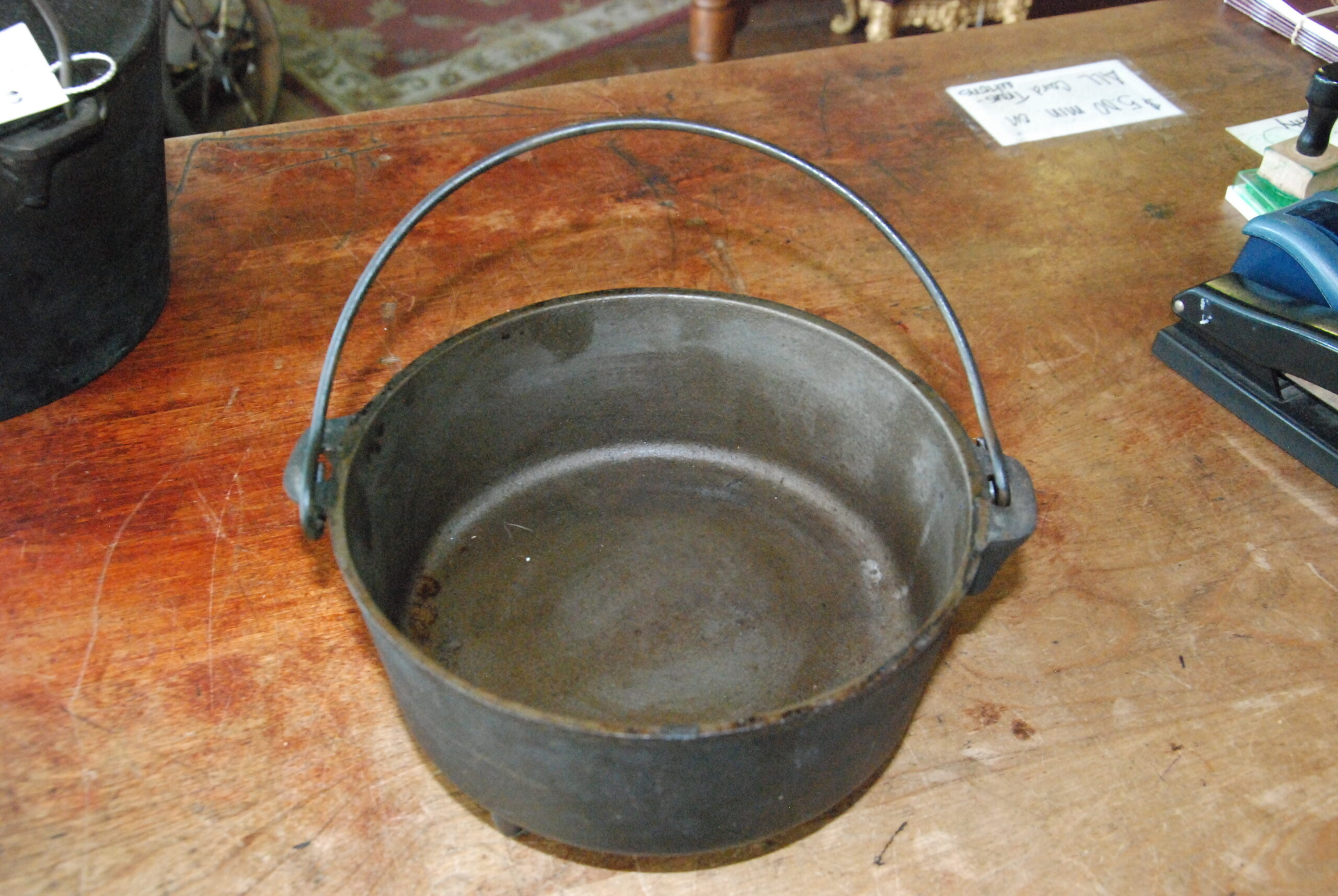
Credit: sweetwaterantiques.com
Frequently Asked Questions
What Is An Antique Cast Iron Dutch Oven?
An antique cast iron Dutch oven is a traditional cooking pot. It’s made from cast iron and often used for slow cooking.
How To Identify An Antique Dutch Oven?
Look for unique markings, brand names, and patina. These features help in identifying an antique Dutch oven.
Are Antique Dutch Ovens Safe To Use?
Yes, antique Dutch ovens are generally safe. Ensure they are cleaned properly and free of rust before use.
How To Clean An Antique Cast Iron Dutch Oven?
Clean with warm water and a soft brush. Avoid soap, and dry thoroughly to prevent rust.
Conclusion
An antique cast iron Dutch oven is a timeless kitchen asset. Its durability and versatility make it indispensable. Investing in one enriches your culinary experience. Vintage charm and practicality blend seamlessly. Explore the benefits and enjoy cooking with this classic piece.
Enhance your kitchen with an antique cast iron Dutch oven today.