Last Updated on January 11, 2026
Ever been in the middle of baking and realized you’re out of baking powder? It’s a common problem.
But don’t worry! There are several substitutes you can use. Finding a baking powder substitute is easier than you think. Many common ingredients can serve the same purpose. Baking powder is essential for making your baked goods rise and become fluffy.
When you don’t have it, knowing the right substitutes can save your recipe. You’ll learn about various alternatives that can replace baking powder. These substitutes are likely already in your kitchen. Let’s explore your options, so you never have to pause your baking again!
:max_bytes(150000):strip_icc()/Baking-Soda-vs-Baking-Powder-2000-337e776d8ee34ef3bc8103b61554bd6b.jpeg)
Credit: www.southernliving.com
Introduction To Baking Powder Substitutes
Baking powder is a common ingredient in many recipes. But what if you run out? Don’t worry! There are many substitutes you can use. This blog post will help you understand why you might need a substitute and what options you have. Let’s get started!
Why Substitute Baking Powder?
There are a few reasons why you might need to substitute baking powder. Here are some common ones:
- Ran out: You start baking and realize you have no baking powder.
- Dietary restrictions: Some people need gluten-free or low-sodium options.
- Health reasons: Reducing sodium intake can be important for some.
Common Scenarios Needing Substitutes
Imagine you’re ready to bake cookies, but you have no baking powder. Or, you’re making a cake, and your friend has a gluten allergy. Here are some common scenarios and solutions:
- Cookies: Use baking soda and cream of tartar.
- Cake: Try a mix of yogurt and baking soda.
- Biscuits: Sour milk and baking soda work well.
These substitutes are easy to find and use. They can save your recipe and your day!
| Substitute | Use For |
|---|---|
| Baking soda + cream of tartar | Cookies, muffins |
| Yogurt + baking soda | Cakes, pancakes |
| Sour milk + baking soda | Biscuits, scones |
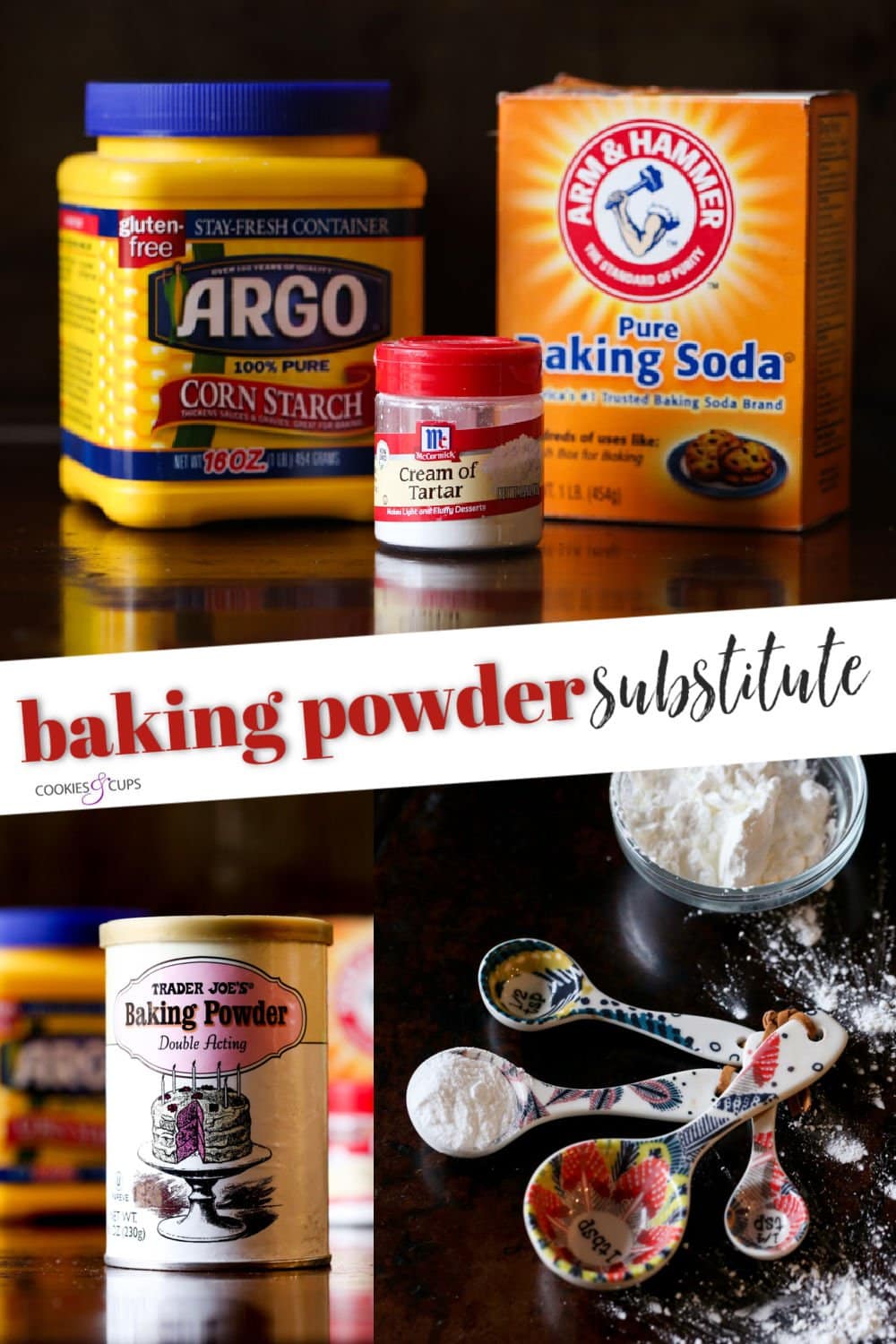
Credit: cookiesandcups.com
Baking Soda And Cream Of Tartar
Have you ever started baking a delicious cake only to realize you’re out of baking powder? Don’t panic! You can use a simple combination of baking soda and cream of tartar as a substitute. This mixture can save your day and your dessert. Let’s dive into how this works and some measurement tips to get the perfect mix.
How It Works
Baking powder is essentially a blend of baking soda and an acid. When combined, they create a chemical reaction that helps baked goods rise. Baking soda alone won’t do the trick because it needs an acid to activate. That’s where cream of tartar comes in. It acts as the acid, allowing the baking soda to produce the necessary gas for your batter to rise. This dynamic duo ensures your cake is fluffy and delicious, just like it should be.
Measurement Tips
Getting the right ratio is crucial for success. Here’s a simple guideline to follow:
- For every 1 teaspoon of baking powder needed, use 1/4 teaspoon of baking soda and 1/2 teaspoon of cream of tartar.
Let’s break it down:
| Baking Powder | Baking Soda | Cream of Tartar |
|---|---|---|
| 1 tsp | 1/4 tsp | 1/2 tsp |
| 2 tsp | 1/2 tsp | 1 tsp |
| 3 tsp | 3/4 tsp | 1 1/2 tsp |
Remember, precision matters. If you eyeball the measurements, you might end up with a dense cake or overly airy cookies. Who wants that, right?
Once you have your mixture, add it to your recipe just as you would with regular baking powder. It’s a quick fix that doesn’t require a trip to the store.
Personally, I always keep cream of tartar and baking soda in my pantry for emergencies. Trust me, it’s a lifesaver! The last time I ran out of baking powder, I managed to whip up a batch of fluffy pancakes without missing a beat.
So, next time you’re in a baking bind, remember this handy substitute. Your desserts will turn out perfectly, and you might just impress your family and friends with your resourcefulness!
Buttermilk And Baking Soda
If you’ve ever been in the middle of a baking project only to realize you’re out of baking powder, don’t panic! Buttermilk and baking soda can save the day. This dynamic duo works wonders as a baking powder substitute, offering a similar leavening effect that helps your baked goods rise beautifully.
Role Of Acidity
Buttermilk and baking soda work together like magic because of their unique chemistry. Buttermilk is naturally acidic, and this acidity plays a crucial role in activating the baking soda. When these two ingredients meet, they create bubbles of carbon dioxide. These bubbles are what make your cakes, muffins, or pancakes rise and become fluffy.
Think of it like a friendly dance between the tangy buttermilk and the alkaline baking soda. They complement each other perfectly, much like peanut butter and jelly! And who doesn’t love a good PB&J?
Conversion Guidelines
Now, you might be wondering, “How do I substitute baking powder with buttermilk and baking soda?” It’s simpler than you might think. Here’s a handy guide:
- For every 1 teaspoon of baking powder, use 1/4 teaspoon of baking soda.
- Replace the liquid portion of your recipe with buttermilk to match the amount of baking powder you’re substituting.
- If your recipe doesn’t include enough liquid to replace with buttermilk, you can adjust by reducing other liquid ingredients to accommodate the buttermilk.
For example, if your recipe calls for 1 cup of milk and 2 teaspoons of baking powder, you would use 1 cup of buttermilk and 1/2 teaspoon of baking soda instead.
Isn’t it amazing how a simple swap can keep your baking on track? Next time you’re in a pinch, remember buttermilk and baking soda – they’ve got your back!
Yogurt And Baking Soda
Baking powder is a common ingredient in many recipes. Sometimes, you might need a substitute. Yogurt and baking soda is an excellent alternative. This combination can give your baked goods a light and fluffy texture.
Texture Benefits
Yogurt adds moisture to your dough or batter. It helps create a tender crumb. The acid in yogurt reacts with baking soda. This reaction produces carbon dioxide gas. The gas bubbles make your baked goods rise. This results in a soft and airy texture.
Usage Instructions
To use yogurt and baking soda as a substitute, follow these steps. First, replace 1 teaspoon of baking powder with 1/4 teaspoon of baking soda. Then, add 1/2 cup of yogurt to your recipe. Mix the ingredients well. Ensure the yogurt is plain and unsweetened.
Pay attention to the consistency of your batter. If it becomes too thick, add a little more liquid. This will help maintain the desired texture. Adjust the quantity based on your recipe’s needs.
Yogurt and baking soda work well in various recipes. Use them for cakes, muffins, and pancakes. Enjoy the light and fluffy results!
Vinegar And Baking Soda
When you run out of baking powder, don’t panic. You can use a common household item as a substitute: vinegar and baking soda. This dynamic duo works wonders in baking, creating a similar leavening effect. Let’s dive into how vinegar and baking soda can save your day when you’re in a pinch.
Chemical Reaction
The magic behind vinegar and baking soda is all about chemistry. When you mix these two ingredients, they react to produce carbon dioxide gas. This gas creates bubbles, which helps your baked goods rise. Think of it as a mini science experiment happening in your oven. The reaction is quick, so you need to work fast to mix and bake your batter.
Proportion Advice
Getting the right proportion is key. Use 1/4 teaspoon of baking soda and 1/2 teaspoon of vinegar to replace 1 teaspoon of baking powder. Here’s a simple table for quick reference:
| Baking Powder | Baking Soda | Vinegar |
|---|---|---|
| 1 tsp | 1/4 tsp | 1/2 tsp |
Remember, too much vinegar can make your batter taste sour. So, stick to the proportions for the best results.
- Tip: Mix the vinegar with the wet ingredients and the baking soda with the dry ingredients. Combine them at the last minute to maximize the rising effect.
- Measure the baking soda and vinegar accurately.
- Mix them in the right order.
- Bake immediately after mixing.
Using vinegar and baking soda as a substitute for baking powder is not just a quick fix; it’s a smart kitchen hack. It’s perfect for those moments when you’re halfway through a recipe and realize you’re missing an ingredient. Plus, it’s a fun way to impress your friends with your baking knowledge. So, next time you’re in a baking bind, remember this simple solution!
Lemon Juice And Baking Soda
When you’re mid-recipe and realize you’re out of baking powder, don’t panic! One fantastic substitute is a mix of lemon juice and baking soda. This duo can save your baking day. But, how does it work? Let’s dive into the details.
Flavor Impact
Using lemon juice and baking soda in place of baking powder can subtly alter the taste of your baked goods. Lemon juice has a tangy, citrus flavor. When mixed with baking soda, it activates the leavening process. However, this means your final product might have a hint of lemon.
For some recipes, this extra flavor can be a delightful twist. Imagine lemon-scented cookies or a citrusy cake. Sounds yummy, right? But, for other recipes, the lemon taste might not be as welcome. So, always consider the overall flavor profile of your dish.
Blending Techniques
Getting the right balance between lemon juice and baking soda is crucial. Here’s a simple way to do it:
| Quantity Needed | Lemon Juice | Baking Soda |
|---|---|---|
| 1 tsp Baking Powder | 1/2 tsp Lemon Juice | 1/4 tsp Baking Soda |
Easy, right? This combination will give you the equivalent leavening effect of baking powder.
Here are some tips for blending:
- Mix the lemon juice and baking soda separately before adding them to your batter.
- Add the mixture quickly to avoid losing the leavening power.
- Mix gently and thoroughly to ensure even distribution.
Remember, the key is to act fast. Once the acid (lemon juice) and base (baking soda) combine, they start working immediately. You don’t want to lose that precious lift in your cake or cookies!
So, next time you’re out of baking powder, grab that lemon juice and baking soda. Not only will your baked goods rise beautifully, but they may also have a delightful hint of citrus. Happy baking!
Other Potential Substitutes
Sometimes, you might not have baking powder at hand. Don’t worry. Several substitutes can save your recipe. Let’s explore some effective alternatives.
Self-rising Flour
Self-rising flour is a great substitute for baking powder. It has built-in leavening agents. This flour already contains baking powder and salt. You can use it in place of regular flour and baking powder. Simply omit the salt in your recipe. This ensures you do not over-salt your dish. Self-rising flour works well in cakes and quick breads. It is a convenient option to have in your pantry.
Club Soda
Club soda is another surprising substitute. It contains carbon dioxide, which helps baked goods rise. Use it in recipes that call for a liquid. Replace some or all of the liquid with club soda. This method works best in pancakes and light cakes. The bubbles in the soda add air to your batter. This makes your baked goods fluffy and tender. Remember, club soda has a mild flavor. It won’t affect the taste of your recipe.

Credit: sciencenotes.org
Tips For Successful Baking
Baking without baking powder can seem tricky. But with the right tips, you can achieve great results. Here are some essential tips for successful baking with a baking powder substitute.
Balancing Ingredients
Balancing ingredients is key. The right balance ensures your baked goods rise properly.
Use the right amounts of acid and base. Too much or too little can affect the texture.
Lemon juice or vinegar can add the acid needed. Combine these with baking soda for best results.
Yogurt or buttermilk can also work. They provide both liquid and acid, ensuring a good rise.
Measure carefully. Accurate measurements make a big difference in baking.
Testing Substitutes
Always test substitutes before using them in important recipes. Testing helps you understand how they work.
Start with small batches. This way, you can adjust if needed.
Note the results. Write down what works and what doesn’t.
Check the texture and taste. They should be similar to using baking powder.
Keep experimenting. Different recipes may need different substitutes.
Frequently Asked Questions
What To Use If I Don’t Have Baking Powder?
Use a mixture of 1/2 teaspoon cream of tartar and 1/4 teaspoon baking soda for each teaspoon of baking powder.
What Is A Substitute For 1 Tablespoon Of Baking Powder?
Mix 1/4 teaspoon baking soda with 1/2 teaspoon cream of tartar as a substitute for 1 tablespoon of baking powder.
Is It Ok To Use Baking Soda Instead Of Baking Powder?
It’s not ideal to substitute baking soda for baking powder. Baking soda needs an acid to activate, while baking powder contains both acid and base.
How To Make 1 Tsp Of Baking Powder?
Combine 1/2 teaspoon of cream of tartar, 1/4 teaspoon of baking soda, and 1/4 teaspoon of cornstarch. Mix well to make 1 teaspoon of baking powder.
Conclusion
Finding the right baking powder substitute can be simple and fun. Many options exist, such as lemon juice, vinegar, or yogurt. Each substitute brings unique flavors and textures. Experiment to discover your favorite. Remember, baking is an art. Feel free to get creative.
Your homemade treats will turn out delicious. Enjoy the process and the results. Happy baking!