Last Updated on August 10, 2026
A baking soda substitute is any alternative ingredient that can be used in place of baking soda in recipes, especially for baking. Baking soda is a kitchen essential. But what if you run out?
Don’t panic! Finding a reliable baking soda substitute is easier than you think. There are many substitutes for baking soda. Each one has its own unique properties that can work well in your recipes. Whether you are baking a cake, making cookies, or preparing a savory dish, knowing the right substitute can save the day.
In this blog post, we’ll explore various alternatives to baking soda. You’ll learn how to use these substitutes effectively in different cooking and baking scenarios. By understanding these options, you can ensure your recipes turn out just right, even without baking soda. Stay with us to discover simple solutions for your baking needs.
Table of Contents

Introduction To Baking Soda Substitutes
Baking soda is a common ingredient found in many kitchens. But what happens when you run out? Don’t worry, there are plenty of substitutes you can use. This guide will help you understand why you might need an alternative and how to use them in your baking.
Why Find Alternatives?
There are several reasons you might need a baking soda substitute:
- Allergies: Some people are allergic to baking soda.
- Dietary Restrictions: You might be following a specific diet that restricts its use.
- Running Out: Let’s face it, we all run out of ingredients from time to time.
Finding the proper substitute can be crucial to achieving the perfect bake. Sometimes, it’s about improvisation and creativity. Other times, it’s simply about making do with what you have.
Common Uses In Baking
Baking soda is a leavening agent. This means it helps dough rise and become light and fluffy. The science of baking soda is already explained. Here are some common uses:
- Cakes and Muffins: It helps the batter rise.
- Cookies: It makes cookies soft and chewy.
- Bread: It’s used in quick breads to help them rise without yeast.
Understanding how baking soda works in these recipes can help you choose the best substitute. For example, if you need it for a cake, you might use baking powder instead.
| Substitute | Amount |
|---|---|
| Baking Powder | 3 teaspoons |
| Self-Rising Flour | Omit baking soda and use self-rising flour |
| Potassium Bicarbonate | 1:1 ratio |
Whether you’re in the middle of a recipe and realize you’re out of baking soda, or you have dietary restrictions, knowing your options can be a lifesaver. Next time you find yourself in a pinch, remember these substitutes and keep baking!
Cream Of Tartar
Ever found yourself in the middle of a baking marathon, only to realize you’re out of baking soda? Panic no more! There’s a handy substitute that might be sitting quietly in your pantry: Cream of Tartar. This unsung hero can save your baking day and might even improve your recipes. Let’s dive into how Cream of Tartar can be your baking soda substitute.
Benefits In Baking
Cream of Tartar, also known as potassium bitartrate, is a byproduct of winemaking. It’s a white powder that can do wonders in baking. Here are some key benefits:
- Stabilizes egg whites: When making meringues or soufflés, Cream of Tartar helps egg whites hold their shape and volume.
- Prevents sugar crystallization: In frostings and candies, it keeps sugar from forming gritty crystals.
- Activates baking soda: Cream of Tartar provides the acidity needed to activate baking soda, helping your baked goods rise.
Imagine trying to whip up a perfect meringue without something to stabilize those finicky egg whites. Cream of Tartar is your secret weapon for achieving that perfect, fluffy texture.
How To Use
Using Cream of Tartar as a substitute for baking soda is pretty straightforward. Here’s a simple guide:
- Measure correctly: For every teaspoon of baking soda, use 1/4 teaspoon of Cream of Tartar plus 1/2 teaspoon of baking powder.
- Mix with dry ingredients: Blend Cream of Tartar with your flour and other dry ingredients to ensure even distribution.
- Adjust your recipe: Keep an eye on the consistency of your batter. Sometimes, you might need a bit more liquid.
To illustrate, I once tried making cookies with forgotten baking soda. Cream of Tartar came to the rescue. The result? Soft, chewy cookies with a delightful texture. Who knew a pinch of this magic powder could make such a difference?
So next time you’re in a baking bind, remember that Cream of Tartar can be your best friend. Happy baking!
Baking Powder
Baking powder is a versatile ingredient in the kitchen. It is often used as a substitute for baking soda. It helps baked goods rise and become fluffy. Let’s dive deeper into the differences and usage tips.
Difference From Baking Soda
Baking powder contains baking soda, but it also has an acid. This makes it different from plain baking soda. Baking soda needs an acidic ingredient to activate. Baking powder already has this acid. This means you can use it in recipes without adding extra acid.
Usage Tips
Use baking powder in recipes for cakes, muffins, and pancakes. Measure it carefully to avoid a bitter taste. If a recipe calls for baking soda, you can use baking powder. Use three times the amount of baking powder to replace baking soda. This ensures your baked goods rise properly.
Store baking powder in a cool, dry place. Check the expiration date for freshness. Fresh baking powder ensures your baked goods rise well. Always sift it with flour to avoid clumps.
Yeast
Yeast is a popular substitute for baking soda in many recipes. This living organism helps dough rise, giving bread its fluffy texture. Yeast works through fermentation, producing carbon dioxide gas. This gas creates air pockets in the dough, making it light and airy. Understanding how to use yeast properly can make a big difference in your baking.
When To Use
Use yeast when you need a long, slow rise in baked goods. It is ideal for bread, rolls, and pizza dough. Yeast is not suitable for quick breads or cakes. These recipes require a fast-acting leavening agent like baking soda or baking powder. Yeast needs time to develop its flavor and texture in the dough.
Proper Measurement
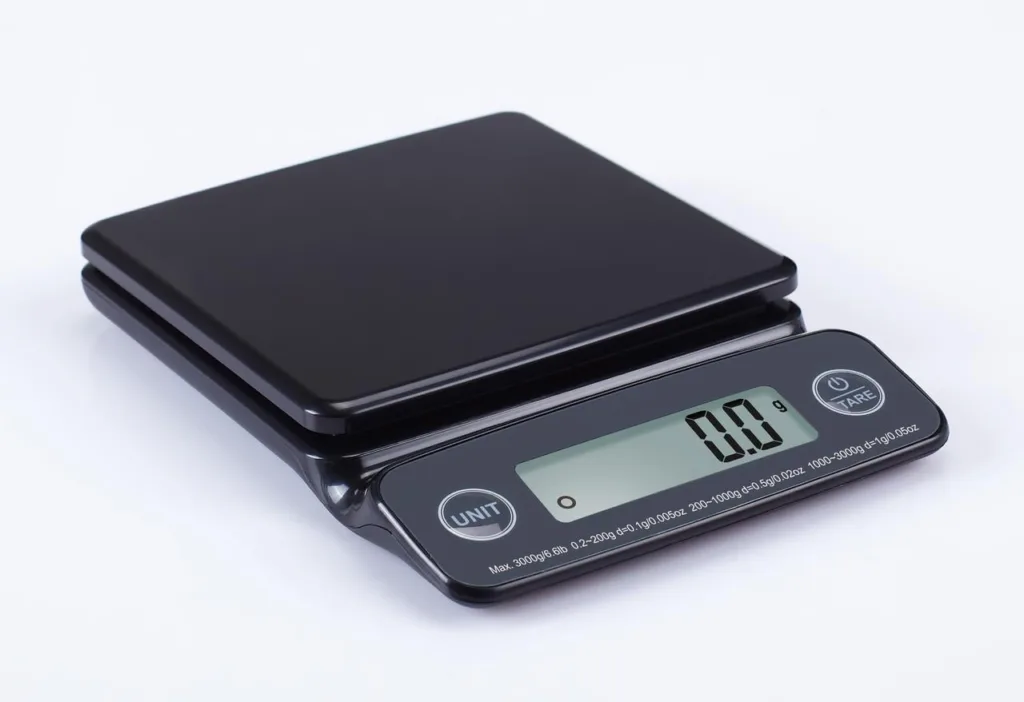
Measure yeast carefully to ensure the best results. Typically, one packet of yeast equals 2 1/4 teaspoons. This amount is enough for most bread recipes. If using bulk yeast, use a kitchen scale for accuracy. Always check the recipe for specific measurements.
Activate yeast in warm water before adding it to the dough. The water should be between 105°F and 110°F. Too hot, and it can kill the yeast. Too cold, and the yeast won’t activate properly. Add a teaspoon of sugar to the water to feed the yeast. This helps it grow and become bubbly.

Self-rising Flour
Have you ever found yourself in the middle of a baking project only to realize you’re out of baking soda? No need to panic! One surprisingly adequate substitute is self-rising flour. This handy ingredient can save the day and keep your baking on track. In this blog post, we’ll explore the advantages of using self-rising flour as a baking soda substitute and share some delicious recipes to try.
Advantages
Self-rising flour is all-purpose flour out of the ‘cake flour or bread flour’ debate. This is a fantastic option for a few reasons:
- Convenience: Self-rising flour contains baking powder and salt, which means fewer ingredients to measure and mix.
- Consistency: The pre-mixed leavening agents ensure even distribution, giving your baked goods a consistent rise.
- Versatility: It can be used in a variety of recipes, from cakes to biscuits, making it a versatile addition to your pantry.
When using self-rising flour as a substitute for baking soda, keep in mind that it includes baking powder, which is a combination of baking soda, cream of tartar, and a moisture absorber. This means you might need to adjust other ingredients in your recipe slightly to achieve the desired result.
Recipes To Try
Ready to give self-rising flour a go? Here are a couple of simple recipes to get you started:
| Recipe | Ingredients | Instructions |
|---|---|---|
| Easy Pancakes |
|
|
| Quick Biscuits |
|
|
There you have it! Self-rising flour can be a lifesaver in the kitchen. They can be used as a flower substitute for baking as well. Whether you’re whipping up a batch of pancakes or baking biscuits, this versatile ingredient is sure to impress. So next time you find yourself without baking soda, give self-rising flour a try and enjoy the delicious results!
Club Soda
Have you ever found yourself halfway through a baking recipe only to realize you’re out of baking soda? Don’t worry, you’re not alone. A handy substitute that you might already have in your pantry is club soda. Yes, that fizzy drink you mix with cocktails can save your baking day!
Why It Works
Club soda contains carbon dioxide, which acts as a leavening agent. This means it helps your baked goods rise, similar to how baking soda works. When mixed into your batter or dough, the bubbles in club soda give your baked items a light and fluffy texture. Isn’t it amazing how a simple drink can double as a baking hero?
Best Dishes To Use
Not all recipes are created equal, and some will benefit more from club soda than others. Here are a few dishes where club soda shines as a baking soda substitute:
- Pancakes: Add some club soda to your pancake mix for extra fluffy pancakes. Your family will thank you for it!
- Waffles: Similar to pancakes, waffles also benefit from the extra lift and lightness that club soda provides.
- Cakes: Adding club soda can give cakes a softer crumb and a lighter texture. Perfect for those who love a melt-in-your-mouth dessert.
- Biscuits: For biscuits that are airy and tender, a splash of club soda can work wonders.
Next time you’re in a pinch, remember that club soda isn’t just for drinking. It’s a versatile ingredient that can help you achieve baking perfection. So, give it a try and see the bubbly magic unfold in your kitchen!

Other Lesser-known Substitutes
When it comes to baking soda substitute, we often hear about the usual suspects like baking powder and self-rising flour. But did you know some other lesser-known alternatives can work wonders in your kitchen? Let’s dive into these intriguing substitutes that might save your next baking adventure!
Vinegar And Lemon Juice
If you’re in a pinch and need a baking soda substitute, vinegar and lemon juice can come to the rescue. These acidic ingredients react with baking powder, helping your baked goods rise.
Here’s a simple way to use them:
- Vinegar: Mix 1 teaspoon of vinegar with 1/4 teaspoon of baking powder for every teaspoon of baking soda needed.
- Lemon Juice: Similar to vinegar, combine 1 teaspoon of lemon juice with 1/4 teaspoon of baking powder per teaspoon of baking soda.
Not only do these substitutes help with leavening, but they also add a subtle tangy flavor. Perfect for baking cakes or muffins!
Ammonium Bicarbonate
Another lesser-known baking soda substitute is ammonium bicarbonate. This was widely used before baking powder became popular. It’s still used in some European recipes.
Here’s how you can use it:
- Use an equal amount of ammonium bicarbonate as a substitute for baking soda. For example, if your recipe calls for 1 teaspoon of baking soda, use 1 teaspoon of ammonium bicarbonate.
- Be aware that ammonium bicarbonate works best in recipes that are baked quickly, like cookies and crackers.
One thing to note is that it can leave a slight ammonia smell during baking. But don’t worry, the odor disappears after baking, leaving your goods light and fluffy. Isn’t it fascinating how old-school techniques still find a place in our modern kitchens?
So next time you find yourself out of baking soda, don’t fret. These lesser-known substitutes might just be hiding in your pantry, ready to save the day!
Frequently Asked Questions on Baking Soda substitute
What Can I Use If I Don’t Have Baking Soda?
Use baking powder or self-rising flour as substitutes for baking soda. Adjust the recipe accordingly for best results.
Can I Use Baking Powder Instead Of Baking Soda?
Yes, you can use baking powder instead of baking soda, but expect different results. Baking powder includes an acid and may alter taste and texture. Use three times the amount of baking powder for the same leavening effect.
Can I Skip The Baking Soda In A Recipe?
Skipping baking soda affects the texture and rise. Replace with baking powder, but results may vary—experiment for the best outcome.
What Else Is The Same As Baking Soda?
Baking soda is the same as sodium bicarbonate.
Conclusion
Finding a baking soda substitute can be easy and rewarding. Many alternatives offer similar results. Vinegar, lemon juice, and yogurt work well in recipes. Each substitute has its benefits. Experiment with options to discover your favorite. Remember, baking is about creativity.
Enjoy trying new ingredients. Your dishes will still be delicious. Happy baking!