Last Updated on October 2, 2026
Have you ever wished you could make perfect dough at home without the mess and guesswork? Your bread maker dough can be the key to fresh, homemade bread every time.
Whether you’re a beginner or have tried before without success, understanding how to get your dough just right will change the way you bake. You’ll discover simple tips and tricks to master bread maker dough, so you can enjoy soft, delicious bread straight from your kitchen.
Ready to unlock the secret to bakery-quality bread? Let’s dive in.
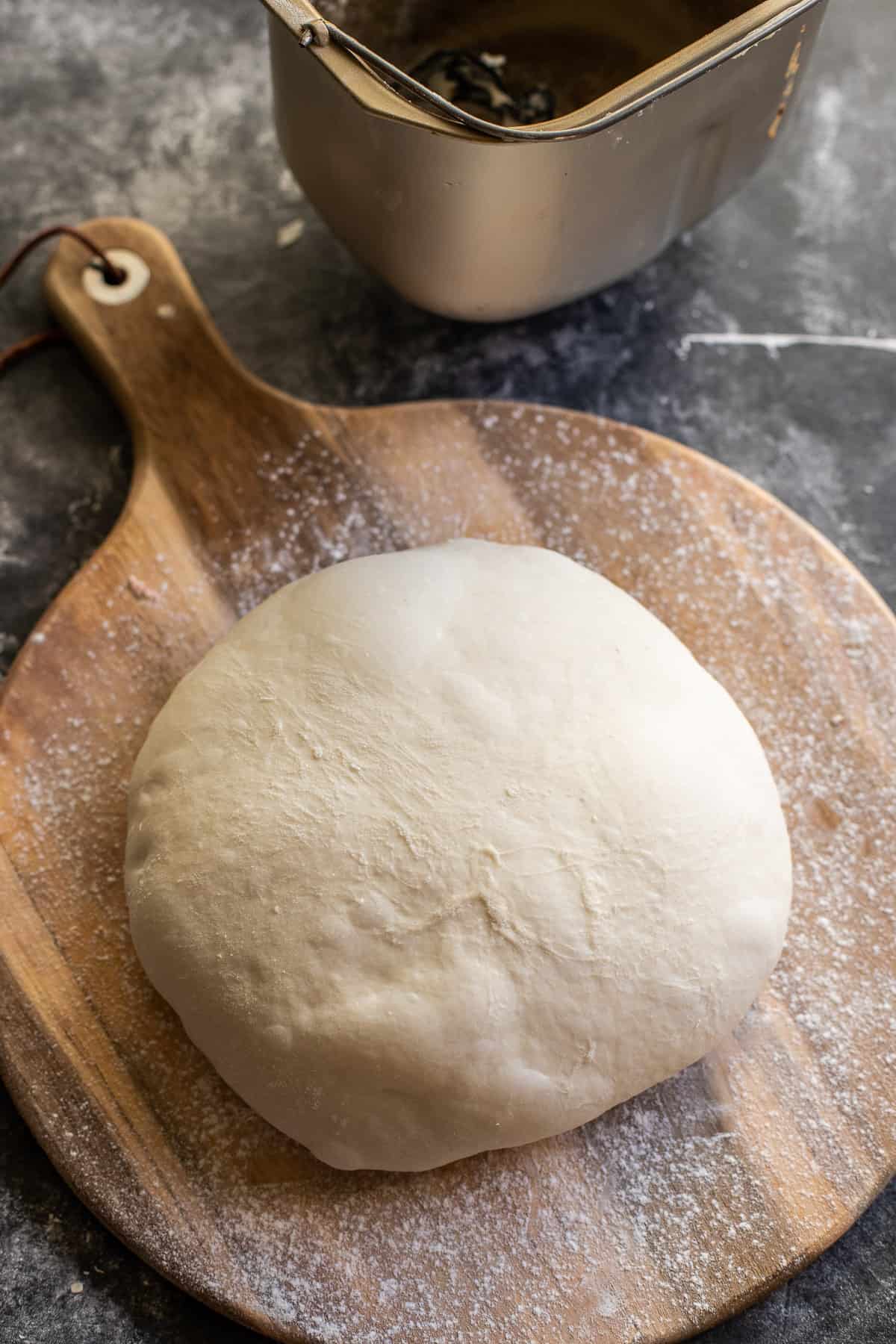
Credit: letthebakingbegin.com
Choosing The Right Flour
Choosing the right flour is key to making good bread dough in a bread maker. Flour affects the dough’s texture, rise, and flavor. Different types of flour change the bread’s feel and taste. Knowing which flour suits your recipe helps you bake bread that you enjoy.
Types Of Flour For Bread
There are many types of flour for bread baking. Bread flour is popular because it has high protein. All-purpose flour can work for some bread recipes. Cake flour is not good for bread. Specialty flours like rye or spelt add unique flavors. Each flour type changes the dough’s look and feel.
Gluten Content And Texture
Gluten is a protein in flour that gives dough stretch. More gluten means chewier bread with a good rise. Bread flour has more gluten than all-purpose flour. Low gluten flour makes softer bread but may not rise well. The right gluten level creates the texture you want. Dough with too little gluten can be sticky and dense.
Whole Wheat Vs White Flour
Whole wheat flour has the whole grain, including bran and germ. It gives bread a denser texture and richer taste. White flour is made from only the inner part of the grain. It makes lighter, softer bread. Whole wheat bread has more fiber and nutrients. Mixing both flours can balance flavor and texture. Choose based on your taste and health needs.
Essential Ingredients
Bread maker dough needs a few key ingredients for perfect results. Each part plays a role in the dough’s texture and flavor. Knowing these ingredients helps you bake better bread at home. Let’s explore the essentials.
Yeast Varieties And Usage
Yeast makes dough rise and creates air pockets inside the bread. Active dry yeast is common and easy to use. Instant yeast works faster and mixes directly with dry ingredients. Fresh yeast is moist and less common in bread makers. Use the right amount to avoid dense or flat bread.
Role Of Sugar And Salt
Sugar feeds the yeast and adds a touch of sweetness. It also helps the crust brown nicely. Salt controls yeast growth and strengthens gluten. Too much salt can kill yeast, so measure carefully. Both ingredients balance flavor and dough texture.
Fats And Liquids
Fats like butter or oil make bread soft and moist. They also help the dough hold air better. Liquids such as water or milk hydrate the flour. Milk adds richness and a tender crumb. Use the right liquids and fats for your recipe’s needs.
Preparing Dough For Bread Maker
Preparing dough for a bread maker is simple but needs care. The right steps help create soft, tasty bread. Every detail counts, from measuring to mixing. This guide helps you make perfect dough every time.
Measuring Ingredients Accurately
Use a kitchen scale for best results. Weigh flour, water, and other ingredients precisely. Too much flour makes bread dry. Too little makes it sticky. Use measuring cups only if you don’t have a scale. Level off ingredients with a flat edge. Accuracy matters to get the right dough texture.
Order Of Adding Ingredients
Add ingredients in the right order. Start with liquids like water or milk. Then add sugar, salt, and fats. Add dry ingredients like flour last. This keeps yeast separate from salt and sugar. Salt can kill yeast if mixed first. Proper order helps dough rise well and bake evenly.
Adjusting Hydration Levels
Hydration means the amount of water in dough. Different flours absorb water differently. Add water slowly and watch dough texture. It should be soft but not sticky. Add a little more water if dough feels dry. Add flour if dough is too wet. Adjusting hydration helps dough rise and bake perfectly.
Fluffy Bread Recipes
Fluffy bread feels soft and light. It melts in your mouth with every bite. Using a bread maker dough makes it easy to bake this kind of bread at home. The dough is ready to shape and bake, saving time and effort.
Try these simple, fluffy bread recipes. Each one has a unique taste and texture. They work well for sandwiches or as a snack.
Classic White Bread
Classic white bread is soft and airy. It uses simple ingredients like flour, yeast, water, and salt. The bread maker dough is perfect for this recipe. It creates a smooth, elastic dough that rises well. Bake it until golden brown. Enjoy fresh slices with butter or jam.
Soft Milk Bread
Soft milk bread is tender and slightly sweet. Milk and butter make it rich and moist. The bread maker dough mixes these ingredients evenly. It produces a fluffy texture that stays fresh longer. This bread is great for breakfast or tea time. Serve warm with your favorite spread.
Honey Wheat Bread
Honey wheat bread has a mild sweetness and nutty flavor. Whole wheat flour adds fiber and nutrients. Honey replaces sugar for a natural sweetness. The bread maker dough blends all ingredients smoothly. The result is a soft, light loaf with a golden crust. Perfect for healthy sandwiches or toast.
Troubleshooting Dough Issues
Making dough in a bread maker is easy, but sometimes problems happen. Dough might feel too sticky or dry. It may not rise well. The bread can turn out dense or heavy. These issues can stop you from baking perfect bread. Understanding common dough problems helps you fix them fast.
Dough Too Sticky Or Dry
Sticky dough is hard to handle and sticks to your hands. It often means too much water or not enough flour. Dry dough feels crumbly and cracks easily. This happens when there is too much flour or not enough water. Check your measuring tools. Add small amounts of water or flour to balance the dough. Mix well and watch the texture change.
Bread Not Rising Properly
Dough that does not rise makes bread flat and hard. Yeast might be old or dead. Water temperature can also affect yeast. Water too hot or cold stops yeast from working. Make sure to use fresh yeast. Use warm water, about 100°F (38°C), to activate yeast. Keep dough in a warm place to rise well. Proper rising gives bread a light texture.
Dense Or Heavy Texture
Heavy bread feels thick and hard inside. This happens when dough does not rise enough or is too dense. Overmixing or under-kneading can cause this. Add the right amount of yeast and flour. Let dough rise fully before baking. Avoid opening the bread maker too early. Proper rising and kneading make bread soft and fluffy.

Credit: cultured.guru
Enhancing Flavor And Texture
Enhancing the flavor and texture of bread maker dough makes your bread more enjoyable. Small changes can create big differences in taste and feel. Experimenting with different ingredients can bring fresh and exciting results. These simple tips help you bake bread that stands out.
Adding Seeds And Nuts
Seeds and nuts add crunch and a nutty flavor to bread. Try sunflower seeds, flaxseeds, or chopped walnuts. They give texture and extra nutrition. Add them during the dough cycle for even mixing. Avoid adding too many to keep the dough soft.
Incorporating Herbs And Spices
Herbs and spices brighten the dough with fresh, warm tastes. Use dried rosemary, thyme, or basil for herbal notes. Cinnamon or nutmeg adds sweetness and warmth. Mix these ingredients in small amounts. This keeps flavors balanced and not too strong.
Using Enriched Ingredients
Enriched ingredients improve both flavor and softness. Try using milk instead of water for richer dough. Add a bit of butter or oil for moist bread. Eggs can make the bread tender and golden. These ingredients make the bread taste fresh and feel smooth.
Tips For Best Results
Getting the best results from your bread maker dough takes care and attention. Small changes can improve your bread’s taste and texture. Follow these simple tips to bake bread that is soft, fluffy, and fresh every time.
Optimal Bread Maker Settings
Choose the right setting for your dough type. Use the “dough” or “basic” mode for most recipes. Avoid using the “quick” setting as it may affect the rise and texture. Check your machine’s manual to match settings with your recipe.
Measure ingredients carefully. Too much flour or water changes dough consistency. Use a kitchen scale for best accuracy.
Timing And Temperature
Keep your kitchen temperature steady. Warm rooms help dough rise well. Cold places slow down yeast activity.
Do not open the bread maker lid during kneading or rising. It disturbs the dough’s process. Wait until the cycle finishes for perfect results.
Set timers according to your recipe. Avoid rushing the dough. Give it time to develop flavor and texture.
Storing And Freshness
Store bread in a cool, dry place. Use a bread box or paper bag to keep crust crisp. Avoid plastic bags as they trap moisture and soften crusts.
For longer storage, freeze bread in airtight bags. Slice before freezing for easy use. Thaw at room temperature before eating.
Use leftover dough quickly. Refrigerate if not baking right away but use within 24 hours for best freshness.
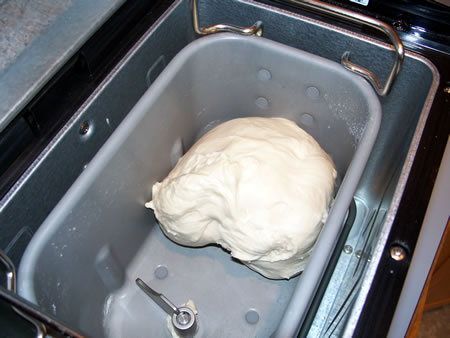
Credit: www.breadmachinediva.com
Frequently Asked Questions
What Is Bread Maker Dough And How Does It Work?
Bread maker dough is a pre-mixed dough made inside a bread machine. It automates kneading and rising. Users add ingredients, select dough setting, and the machine handles the rest. This saves time and ensures consistent dough quality for baking.
Can I Use Bread Maker Dough For Other Recipes?
Yes, bread maker dough is versatile. You can use it for pizza crust, rolls, or cinnamon buns. It provides a consistent base dough, saving preparation time. Simply shape and bake according to your recipe’s instructions.
How Long Does Bread Maker Dough Take To Rise?
Bread maker dough typically takes 1 to 2 hours to rise inside the machine. Rising time depends on ingredients, temperature, and machine settings. Most bread machines have a programmed dough cycle that controls kneading and rising automatically.
Is Bread Maker Dough Healthier Than Store-bought Dough?
Bread maker dough can be healthier as you control ingredients. You can use whole grains, less sugar, or no preservatives. This customization leads to fresher, more nutritious dough compared to many store-bought options.
Conclusion
Bread maker dough makes baking bread easier and faster. You can enjoy fresh bread at home anytime. It saves effort and gives consistent results. Experimenting with different dough recipes can be fun. A good bread maker helps you control ingredients and taste.
Homemade bread is healthier and often cheaper than store bread. Start simple, then try adding your favorite flavors. Baking bread with a bread maker brings joy and comfort. Give it a try and enjoy warm, fresh bread daily.